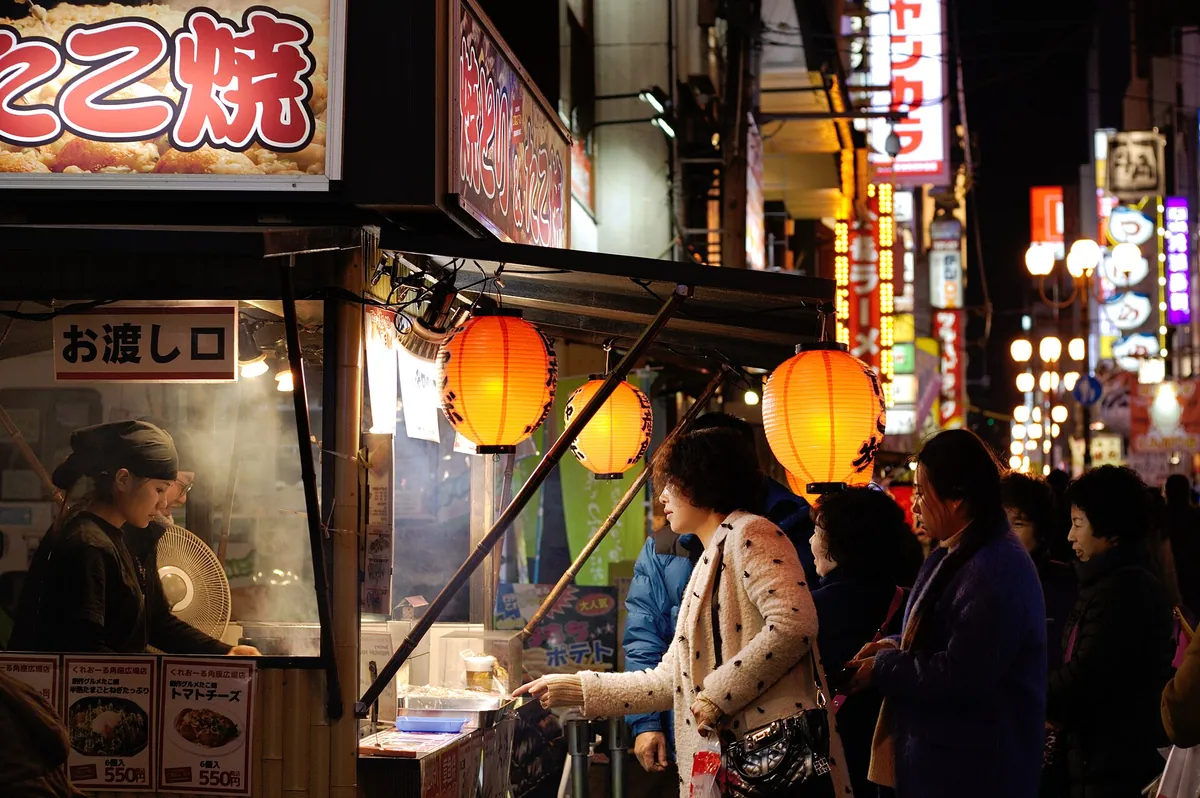
Nine places, five drinking districts and one small dish you never ordered: that is the short version of drinking alone in Osaka Prefecture, Osaka City. The izakaya scene here runs on counters and standing bars, which suit one person far better than a table for four.
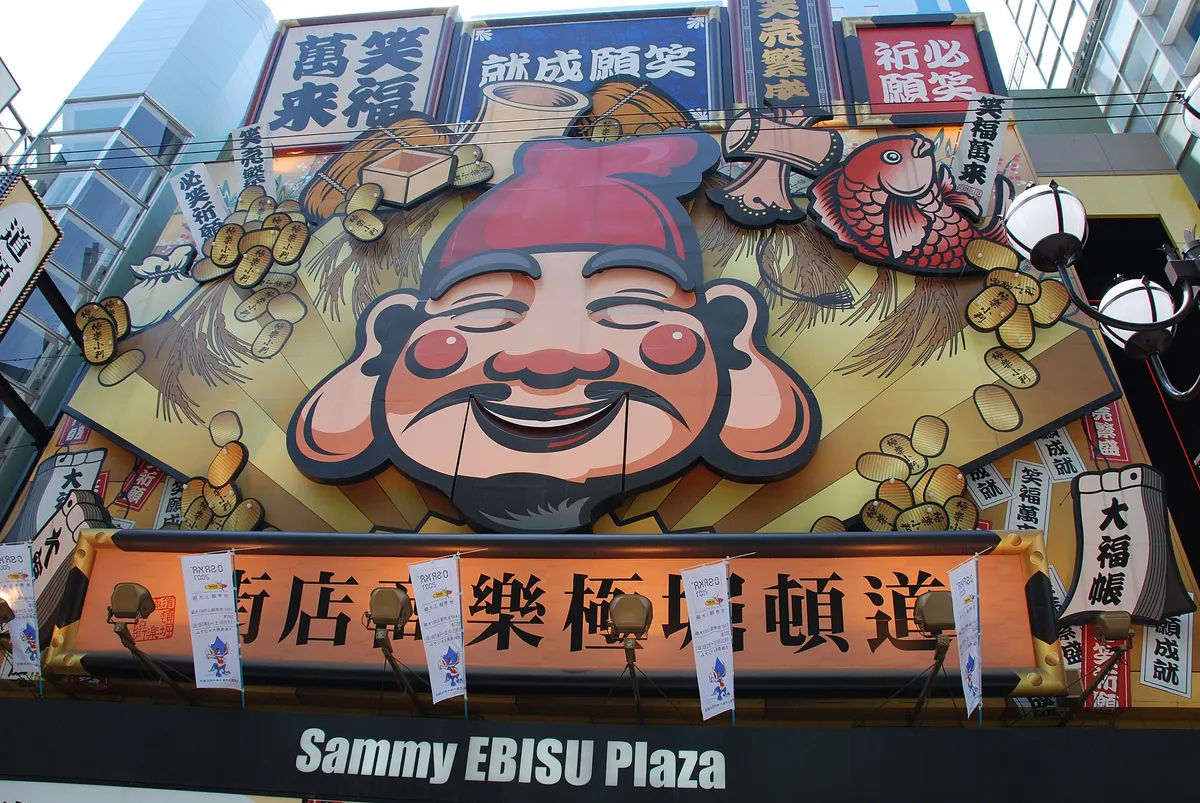
So yes, you can walk in alone. For the easiest first night, Torikizoku Dotonbori has an English menu, one price per item and card payment. For something smaller, try the standing bars of Ura-Namba or Tenma.
The thing first-timers get wrong is otoshi, a small starter that arrives unasked and is really a table charge. If you want a sit-down kaiseki dinner or a guided tour, this guide is the wrong fit.
- Torikizoku Dotonbori: English menu, ¥410 per item, open until 5:00
- Beer Belly Tenma: a 12 m counter and 15 Minoh beers always on
- Osaka Yakiton Center: standing counter, pork skewers, about 60 sake
- Osaka Ekimae Buildings: basement bars in the middle of Umeda
- Juso: standing bars with budget seafood, 3 min from Umeda
- Time needed
- One evening
- Example bill
- ¥2,050 for 5 items at Torikizoku
- Bases
- Namba, or Umeda for Tenma and Juso
- Booking
- Walk in; Torikizoku books online
- Payment
- Carry cash; cards confirmed at Torikizoku
- Prices checked
- October 2026
Prices are ranges or fares checked in October 2026; confirm on the official site before you book.
Getting to Osaka: 4 Ways In From Tokyo
Most solo trips reach Osaka from Tokyo. JR Central lists the fastest Nozomi to Shin-Osaka at 2 hours 21 minutes, and Osaka’s tourism site rounds the trip to about 2 hours 30.
Here is how the main options compare as of October 2026. Fares move with the season and seat type, so check the official site before you book.
← Swipe to see the full table →
| How | Time | Rough cost |
|---|---|---|
| Nozomi Shinkansen, Tokyo–Shin-Osaka | 2 h 21 min at fastest | Around ¥14,500 reserved (smartEX sheet) |
| Flight, Haneda–Itami or Kansai Airport | About 1 h 20 (Itami), 1 h 10 (KIX) | Varies; check the airline |
| Highway bus, Tokyo–Osaka | About 8 h 30 to 9 h | Varies; check the operator |
| Osaka Metro from Shin-Osaka | Check the route map | ¥190–390 per ride, by distance |
Plan your trip: the tools we use
Our pick: the Nozomi, unless a flight happens to land close to your evening plans.
The fare in the table comes from the smartEX reserved-seat fare sheet, dated April 1, 2025, which lists ¥14,520 for Tokyo to Shin-Osaka. Treat it as a guide and confirm the fare on the day you book.
Flying looks faster on paper, but airport transfers sit at both ends. Compare door to door before you choose.
The bus only makes sense if you sleep on board.
Inside the city, Osaka Metro fares run ¥190–390 by distance, on the table in force since 1 October 2025. Every district in this guide sits on the Metro, JR or Hankyu.
Pick your hotel by your drinking district. A Namba base keeps Ura-Namba and Dotonbori walkable, while Umeda suits Tenma and Juso. Our where to stay in Osaka guide compares the areas, and Booking.com or Agoda list hotels in each.
Drinking Alone in Osaka: 5 House Rules
Osaka’s izakaya do not need a manual, but a handful of rules save confusion at the counter. The first four come from JNTO or Osaka Prefecture’s smoking rules; the last is our own suggestion.
- Otoshi, the small starter you did not order, is a table charge
- No tipping: JNTO says it often causes confusion
- Carry cash, even where cards are taken
- Small bars may allow smoking; look for the sign at the door
- Order one or two plates at a time, then add more
Otoshi is not a free gift. JNTO’s etiquette guide says the small appetizer served automatically “is not complimentary and is considered a table charge”.
Its guide to drinking in Japan gives edamame, pickles or potato salad as typical examples. How much is it? That varies by shop, and no official source gives a typical figure.
 ReaderYuki
Tipping is the easy one. JNTO says it is not customary and will often be met with confusion, so just pay the bill.
Cash comes next. JNTO advises carrying cash in Japan, and of the bars in this guide only Torikizoku publishes a full payment list. For every other spot, keep some notes in your pocket.
Ordering alone is simple too. JNTO’s izakaya guide explains that the food is meant to be shared, with a small plate called a torizara for each guest. On your own, that just means small plates, a few at a time.
Since 1 April 2025, eateries in Osaka with over 30 m² of seating are non-smoking indoors in principle. Small bars open since before April 2020 (30 m² or less of seating, run by an individual or a firm with capital of ¥50 million or less) may allow smoking with a sign; under-20s cannot enter.
That matters for solo drinkers. The tiny standing bars that suit one person are exactly the size that may allow smoking, so read the sign before you step in. Sources: the Osaka Prefecture announcement and its rule summary.
Which places make walking in alone easiest? Here is what the official pages confirm, spot by spot:
- Torikizoku Dotonbori: English menu, ¥410 items, cards, 17:00–5:00
- Beer Belly Tenma: 12 m counter and hours confirmed; payment not listed
- Osaka Yakiton Center: standing counter; hours and payment not listed
- Dengeki Horumon Tsugie: standing grill; hours and payment not listed
- Ekimae, Ura-Namba, Kyobashi, Juso: hours vary by shop
Only Torikizoku confirms the English menu, the price and card payment together. Use it as the safety net, and the small bars as the adventure.
- Cash in small notes for bars with no card info
- Ready to pay otoshi as a table charge
- Smoking sign checked at the door of small bars
- Map pins saved for every lane and bar
- Torikizoku booked online, if you want a set time
- Last train home looked up before the first drink
- ICOCA or a contactless card ready for the Metro
Minami: Ura-Namba and Dotonbori
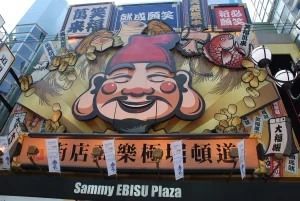
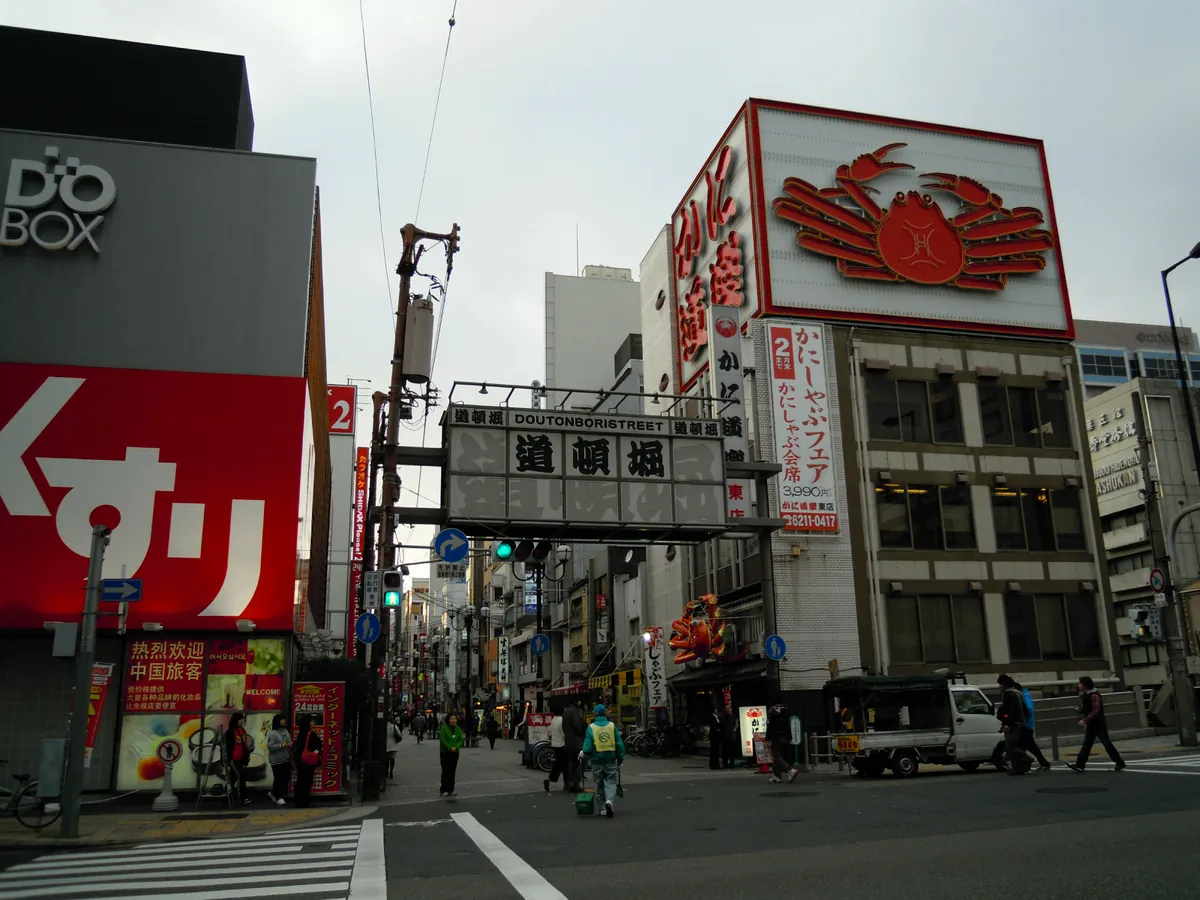
Minami, the Namba side of the city, is where most first evenings start. The neon along Dotonbori gets the photos, but drinking for one person happens a block or two away, in lanes of small standing bars.
The kushikatsu counters of Shinsekai and Hozenji Yokocho, with about 60 bars, izakayas and restaurants, are covered in our Osaka local food guide. This section sticks to places built for a drink.
Three stops, from the most open-ended to the safest.
Ura-Namba: 100+ places behind Namba
Osaka’s tourism site draws Ura-Namba’s edges clearly: Sennichimae to the north, Nansan-dori to the south, Kuromon Market to the east and Takashimaya to the west. Inside sit over 100 restaurants and a wide mix of standing bars.
The area took shape from around 2010, so it is younger than the old alleys nearby. For a solo drinker it works as a browsing district: walk the lanes, look through the doors, and pick a counter with space.
Who is it for? Anyone happy to choose on the spot rather than follow a list. No single shop’s hours are listed, so go in the early evening and see what is open.
- Hours: vary by shop (check the official site)
- Access: Nankai Namba or Osaka Metro Nipponbashi Station, a short walk
- Notable: over 100 restaurants; standing bars; area dates from about 2010
Osaka Yakiton Center: pork and sake
Osaka Yakiton Center is a pork-skewer bar on the Sennichimae side of Namba. Its official Instagram lists a standing counter and tables on the first floor, about 20 kinds of pork skewer and about 60 sake.
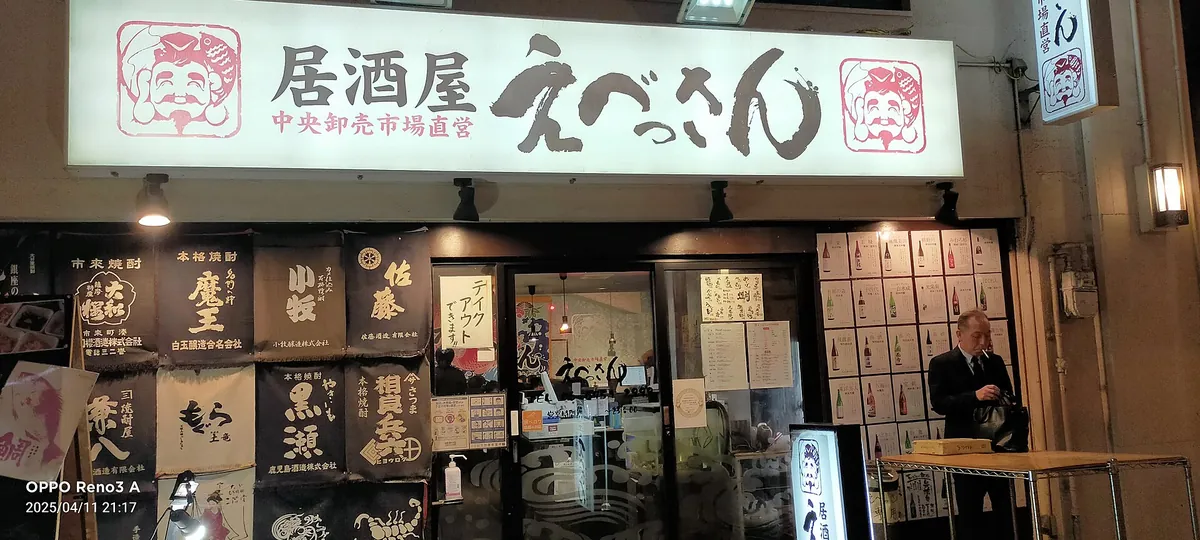
Osaka’s tourism site places it west of Nipponbashi, with an extensive sake selection you serve yourself, plus pork skewers and braised pork stew. The Instagram names a low-heat pork sashimi as its must-eat dish.
Only the upstairs private room needs a booking, so one person can simply walk in to the counter. The gap is hours and payment: neither appears on an official page, so bring cash and check the Instagram before you go.
- Hours: not listed on an official page (check its Instagram; closed New Year’s Eve and New Year)
- Access: West of Nipponbashi, Namba Sennichimae area (no address on an official page)
- Notable: 1F standing counter and tables; 2F private room by booking; about 20 pork skewers, about 60 sake
Torikizoku Dotonbori: the ¥410 menu
Torikizoku is a yakitori chain that started in Osaka: the company’s history page says it was founded in Higashi-Osaka in 1985. Its English menu prices everything at ¥410 including tax.
Most skewer items come as two skewers per serving, the stuffed pepper and wings being the exceptions. The cabbage salad comes with free refills.
The Dotonbori store is on the third floor of the Comrade Doton Building, east of Kani Douraku. It opens 17:00 to 5:00 every day and has 5 counter seats and 37 table seats.
It takes cash, Visa, Mastercard, JCB, American Express and QR apps such as PayPay and Rakuten Pay, and you can book a time online. The store page also shows a smoking area inside.
This is the easy-mode pick for a first night alone. Is it the most atmospheric bar in Osaka? No, but every item price is printed in English, and the menu page adds Chinese and Korean versions.
Check the store page for closures; it lists a temporary closure on 9–10 November.
- Hours: roughly 17:00–5:00, Monday to Sunday (check the store page; closed 9–10 November)
- Access: 3F Comrade Doton Building, Dotonbori 1-6-15, east side of Kani Douraku
- Notable: ¥410 per item incl. tax; 5 counter and 37 table seats; cash, cards and QR; online booking
Umeda: Basement Bars Near Osaka Station
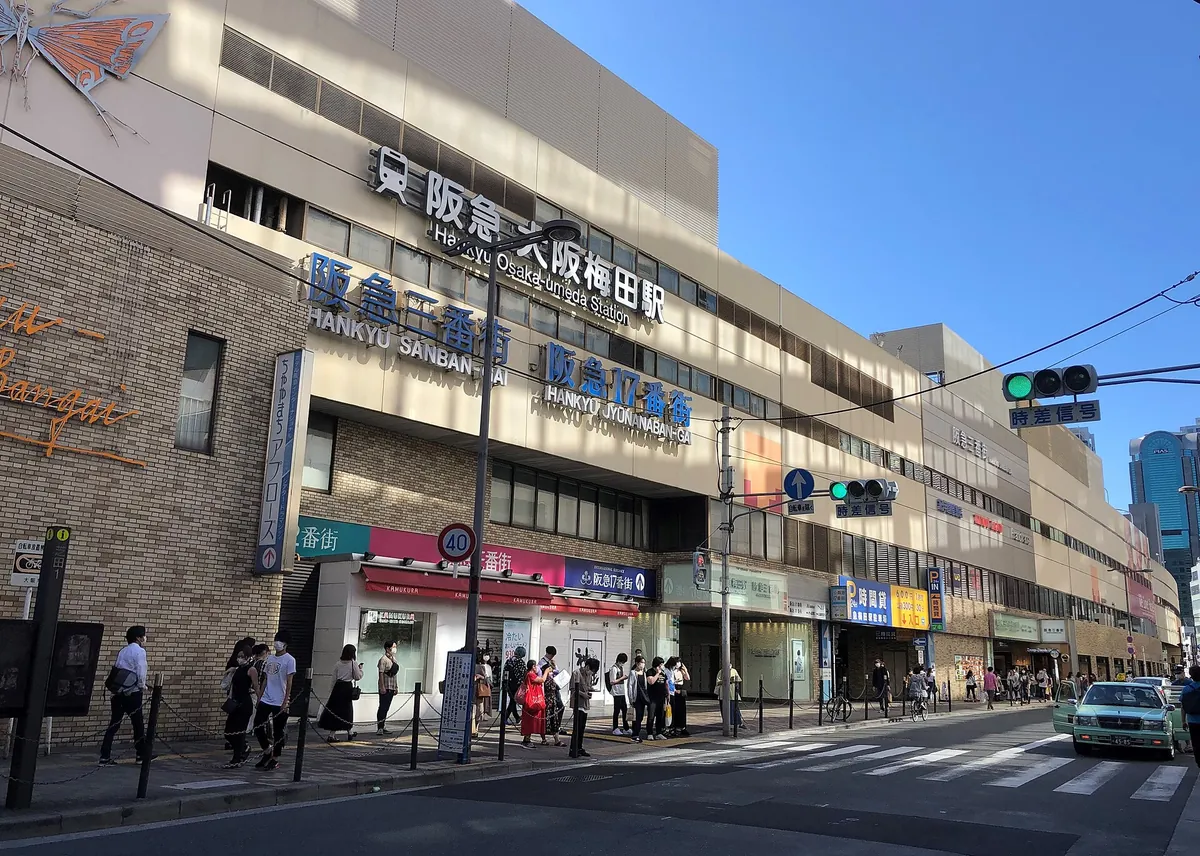
Umeda is the district around JR Osaka Station, and much of its drinking happens underground or in back lanes. It suits travellers staying in the north, or anyone heading on to Tenma or Juso.
Two more spots deserve a line. Takimi Koji, in the basement of the Umeda Sky Building about 9 minutes on foot from JR Osaka, mixes izakayas with kushikatsu, okonomiyaki and cafes. Hours vary by store.
Shin-Umeda Shokudogai is the other, a food street that osaka-info mentions for its many famous restaurants. Neither is profiled here, because no bar in them has official details this guide could check.
Osaka Ekimae Buildings: basement bars
The Osaka Ekimae Buildings are four interconnected buildings whose basements, in the words of Osaka’s tourism site, hold “a maze of hole-in-the-wall bars and eateries”. That is about as solo-friendly a format as Umeda offers.
The same page describes “one coin” menus with drinks and snacks at ¥500. The article is undated, so treat that as a guide; prices may have moved.
Taishu Sakaba Maruriki, which osaka-info calls a lively izakaya in the basement of Ekimae Building 2, is one name to look for. Its hours and prices are not on an official page, so treat it as an example rather than a plan.
Lost underground? Use the map pin.
- Hours: vary by shop (not listed on the source page)
- Access: Umeda; basement levels of four linked buildings
- Notable: one-coin ¥500 menus described by osaka-info (undated); Maruriki in Building 2
Ohatsu Tenjin Urasando: a 60 m lane
Osaka’s nightlife page describes Ohatsu Tenjin Urasando as a tiny street no more than about 60 metres long. It holds a small number of bars, restaurants and izakaya.
Sixty metres means you can walk the whole lane and back before choosing. It suits a short first drink in Umeda before dinner somewhere else.
No shop hours are listed on the source page, so treat it as a lane to browse, not a booking.
- Hours: vary by shop (not listed on the source page)
- Access: Sonezaki, Umeda area (no walking time on the source page)
- Notable: about 60 m long; a small number of bars, restaurants and izakaya
Where we would book this
Booking.com
Largest inventory in Japan for English-speaking travellers
- Best for
- Hotels, business hotels, ryokan and apartments in every city
- Checked
- September 2026
Official site. Same price for you.
Tenma: 2 Counters Near JR Tenma
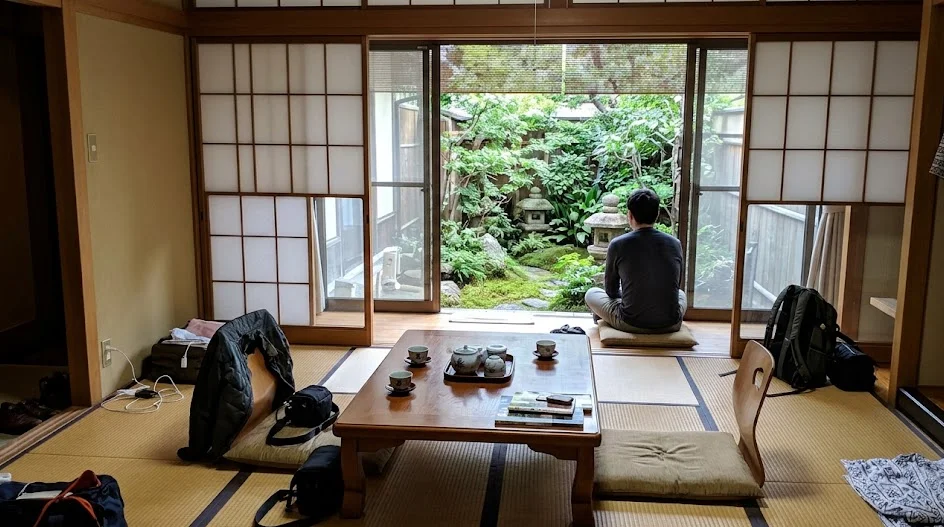
“The area just north of JR Tenma Station,” says Osaka’s tourism site, “has emerged in recent years as one of the true food and drink hotbeds of the city.” For a solo drinker, it is the best bet outside Minami.
It also has the only bar in this guide with official weekend afternoon hours, which makes Tenma the natural start of a crawl.
For the long Tenjinbashisuji arcade and its daytime snacks, see our Osaka local food guide. The two counters below are for the evening.
Beer Belly Tenma: a 12 m beer counter
Beer Belly Tenma is a bar in the Minoh Beer group, inside Tenma Market. Its page lists a 12-metre counter and 15 Minoh beers always available, and Minoh Beer’s store list gives 52 seats.
A long counter is the friendliest layout for one person. The bar opens at 17:00 on weekdays and 15:00 on weekends and holidays, closes at midnight, and is about 3 minutes on foot from JR Tenma.
Bookings are by phone, and the second floor can be hired privately. Payment methods are not listed on its page, so bring cash as a backup.
Craft beer rather than sake? Start here.
- Hours: roughly 17:00–24:00 weekdays, 15:00–24:00 weekends and holidays (check the official site)
- Access: JR Tenma Station, about 3 min on foot; inside Tenma Market, Ikeda-cho 7-4
- Notable: 12 m counter; 52 seats; 15 Minoh beers; phone bookings; payment not listed
For the Ura-Tenma side streets, see our Osaka local food guide.
Dengeki Horumon Tsugie: grill standing
Dengeki Horumon Tsugie is the one bar in this guide where you cook. Osaka’s tourism site describes it as a hole-in-the-wall standing barbecue place where you grill slices of meat on your own counter-top charcoal stove.
That is all an official page confirms. Hours, closing days, payment and prices are not published anywhere official, so go early, carry cash, and keep a back-up in Ura-Tenma in case it is full or closed.
It suits meat lovers who do not mind a smoky grill.
- Hours: not published on an official page (check before you go)
- Access: Tenma area, near JR Tenma Station (no official address page found)
- Notable: standing only; grill your own on a counter-top charcoal stove; payment not published
Kyobashi and Juso: Where Commuters Drink
Both districts sit away from the tourist core and serve people on their way home from work. Neither has a named bar with official details in this guide, so treat them as areas to explore once you have found your feet in Minami or Tenma.
A weekday evening shows them at their most typical.
Kyobashi: after-work bars at a hub
Osaka’s tourism site says Kyobashi handles over 500,000 commuters a day, with workers stopping at drinking places on the nearby shopping street. The underground area adds cafes and izakayas.
The station is served by the JR Loop Line, Keihan and Osaka Metro, so it is easy to fit in, and easy to leave. No bar here publishes hours on an official page this guide could check, so browse rather than plan.
- Hours: vary by shop (check before you go)
- Access: Kyobashi Station (JR Loop Line, Keihan, Osaka Metro)
- Notable: over 500,000 commuters daily (osaka-info); izakayas underground too
Juso: standing bars across the Yodo
Juso sits across the Yodo River from Umeda, and osaka-info says its standing bars are great for seafood at budget-friendly prices. Hankyu Juso Station is 3 minutes from Osaka Umeda.
Three minutes makes it an easy add-on to an Umeda evening. Osaka’s tourism site also lists a guided Juso bar tour starting at 17:00, if you would rather not choose alone.
Seafood and a standing counter? This is the place.
- Hours: vary by shop (check before you go)
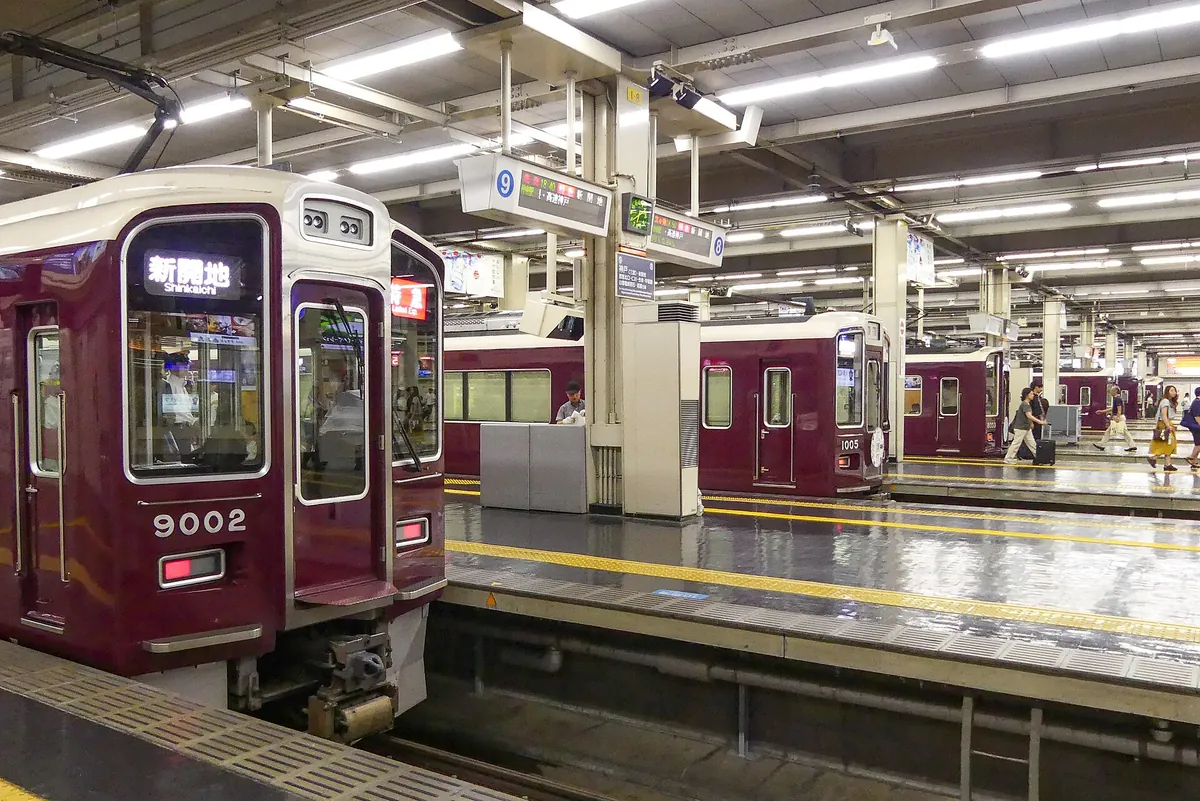
- Access: Hankyu Juso Station, 3 min by train from Osaka Umeda
- Notable: standing bars with budget seafood (osaka-info); across the Yodo River
Solo Izakaya Mistakes in Osaka, and Fixes
Solo nights in Osaka tend to go wrong in the same few places: the bill, the payment, the smoke or the last train. Most fixes below rest on an official page.
What most first-timers do
- Assume the small starter is free
- Count on a card at every bar
- Walk into a tiny bar without reading the door
- Stay on the Dotonbori strip all night
- Leave the last train to chance
What actually works
- Treat otoshi as a table charge
- Carry cash; Torikizoku lists its cards
- Check the smoking sign at the door
- Step a block back into the Ura-Namba lanes
- Look up your last train before the first drink
The otoshi catches people off guard because nobody explains it at the door. Once you know JNTO calls it a table charge, it stops looking like a mistake on the bill.
Payment is next. Torikizoku Dotonbori is the only bar here with an official payment list; for the rest, nothing official says either way. Cash covers both cases.
The smoking rule cuts both ways. A sign at the door tells you a small bar allows smoking, and the same rule keeps under-20s out, so a younger travel companion cannot follow you in.
Late nights need one more check.
Torikizoku Dotonbori runs until 5:00, but the trains do not. Look up the last train from your nearest station before your first drink, not after your third.
A Weekend Osaka Bar Crawl in 5 Stops
This route uses the one timing quirk the official pages reveal. Beer Belly Tenma opens at 15:00 on weekends and holidays, and Torikizoku Dotonbori stays open until 5:00.
So a Saturday crawl can start in the afternoon in the north and end in Minami without watching closing times. Only one stop publishes prices, so the yen figures are thin on purpose.
Step 1: 15:00: Beer Belly Tenma
From JR Tenma, it is about 3 minutes on foot to the bar inside Tenma Market. Prices are not listed online, so bring cash. On weekdays it opens at 17:00 instead.
Step 2: Early evening: the Tenma side streets
Browse the side streets for a second drink; our Osaka local food guide covers them. Hours and prices vary by shop.
Step 3: Then: JR to Osaka and the Ekimae basements
Ride JR from Tenma to Osaka and head down into the Osaka Ekimae Buildings. osaka-info describes one-coin ¥500 menus there, in an undated article.
Step 4: Later: Metro from Umeda to Namba
Take Osaka Metro south to Namba, one ride within the ¥190–390 fare range. Walk the Ura-Namba lanes, or stop at Osaka Yakiton Center for pork skewers and sake.
Step 5: Late: Torikizoku Dotonbori, open until 5:00
Finish at the ¥410 menu. Two drinks and three plates come to 5 × ¥410 = ¥2,050 as an example (prices checked October 2026), and the cabbage refills are free.
What does the night cost? Only the last stop has official prices, so the honest figure is the ¥2,050 Torikizoku example plus whatever the small bars charge. Budget with cash to spare.
Staying in Namba instead?
Drop the first three steps. Browse Ura-Namba from the early evening, add Osaka Yakiton Center, and finish at Torikizoku Dotonbori after 17:00. All three sit close to the Namba and Nipponbashi stations.
On a weekday, start at Beer Belly at 17:00 and shorten the middle. Want the same idea in another city? Our Fukuoka ramen and yatai guide plans a solo evening circuit there.
Osaka After Dark: Metro, ICOCA and JR Pass
An izakaya evening means short hops between districts and a late ride home. The right ticket depends on how many rides you take and how late you stay out.
ICOCA or a contactless card
ICOCA, the IC card from JR West, works on trains, buses and in shops. Tap in, tap out, and the fare comes off, which saves fumbling for coins after a few drinks.
Osaka Metro gates also take contactless cards: Visa, Mastercard, JCB, American Express, Diners, Discover and UnionPay, charged at the adult fare.
Is the Enjoy Eco Card worth it at night?
The Enjoy Eco Card gives unlimited Osaka Metro and City Bus rides on the day printed on it. It costs ¥820 on weekdays and ¥620 on Saturdays, Sundays and holidays.
Three or four single rides at ¥190–240 come to roughly ¥570–960 (estimate). On a weekend, the ¥620 card beats three ¥240 rides (¥720) or four ¥190 rides (¥760).
The crawl above uses only one or two Metro rides, because Tenma to Osaka is on JR. Pay per ride for a night out, unless you sightsee by Metro the same day.
Last trains and the JR Pass question
This guide could not confirm last-train times on an official page, and they differ by line and station. Look up the last train at your station on the day, and keep the walk to your hotel saved.
Whether a Japan Rail Pass pays off depends on your whole route, so add up the individual fares first. Most bars here sit on the Metro, which is not JR; our JR Pass and Osaka subway guide explains what the pass covers.
For maps after dark, set up data before you land; Airalo and Ubigi both sell Japan eSIMs. For wider manners, see our Osaka first-timer guide.
FAQ
QCan I go to an izakaya alone in Osaka?
Yes. Counters and standing bars suit one person, and Torikizoku Dotonbori lists 5 counter seats. Beer Belly Tenma’s 12 m counter and Osaka Yakiton Center’s standing counter work just as well.
QCan I refuse the otoshi?
JNTO describes it as a table charge, not a free dish, so it is part of sitting down. The amount varies by shop; ask staff before ordering if you are unsure.
QDo Osaka izakaya take credit cards?
It depends on the shop. Torikizoku Dotonbori lists cash, Visa, Mastercard, JCB, American Express and several QR apps. Beer Belly Tenma, Osaka Yakiton Center and Dengeki Horumon Tsugie do not publish payment details, so carry cash.
QWhere can I find an English menu?
Torikizoku publishes an English menu, plus Chinese and Korean versions, on its menu page. None of the other bars here confirm an English menu on an official page.
QDo I need a reservation as one person?
Mostly no. Torikizoku takes online bookings per store, and its FAQ sets a 2-hour limit on reservations. Beer Belly Tenma takes phone bookings, and Osaka Yakiton Center books only its upstairs room.
QWill a small bar be smoky?
It can be. Osaka’s rules let small existing bars (30 m² of seating or less, open since before April 2020 and run by an individual or a small company) allow smoking if they post a sign, and under-20s cannot enter them. Torikizoku Dotonbori has a smoking area inside.
QHow much does a solo izakaya night cost?
At Torikizoku, two drinks and three plates come to ¥2,050 at ¥410 each (October 2026). Other bars do not publish prices, so budget extra in cash. Klook, GetYourGuide and KKday list Osaka tours, but this guide has not checked one.
Walking into a small bar alone in a new city can feel like the hardest part of the whole trip.
Rather than reading one more list, pick your district and your safety-net bar tonight, and let the rest of the evening happen at the counter.
Keep planning
- ① Install and test your eSIM before take-offAiralo and Ubigi eSIMs activate on arrival, but the install itself needs Wi-Fi. Do it at home and confirm the profile shows up in your phone settings.
- ② Save your first hotel’s address in JapaneseTaxi drivers and station staff read Japanese addresses far faster than romanised ones. Copy it from the booking confirmation into your notes app.
- ③ Set aside cash for day oneMany small restaurants, temples and rural buses are still cash-only. Airport ATMs at 7-Eleven and the post office accept most foreign cards.
Skip these and your first hour in Japan goes on finding Wi-Fi at the station instead of getting to your hotel.
🔍 How to sanity-check any price you read online
Blogs (including this one) go out of date. The official page always wins over a screenshot from two years ago.