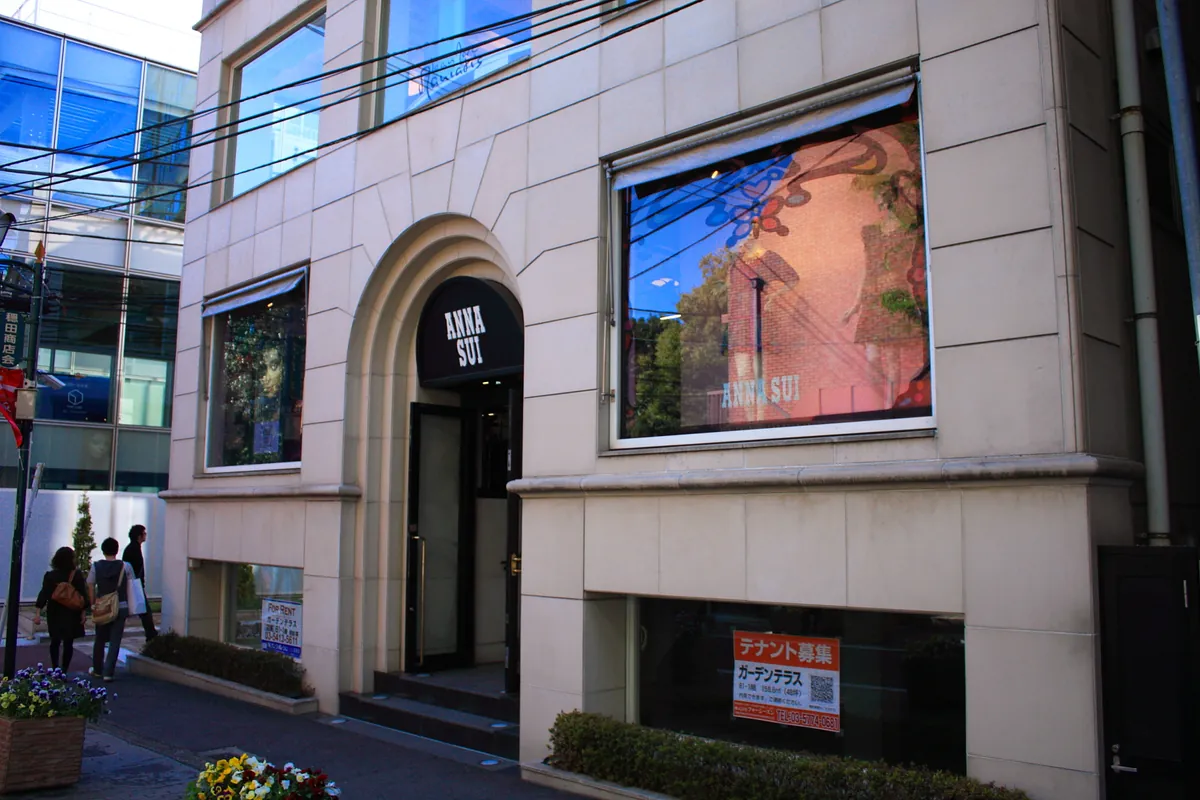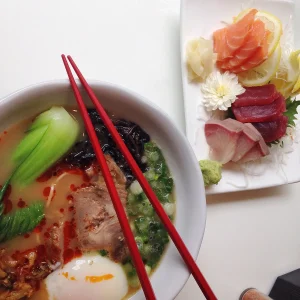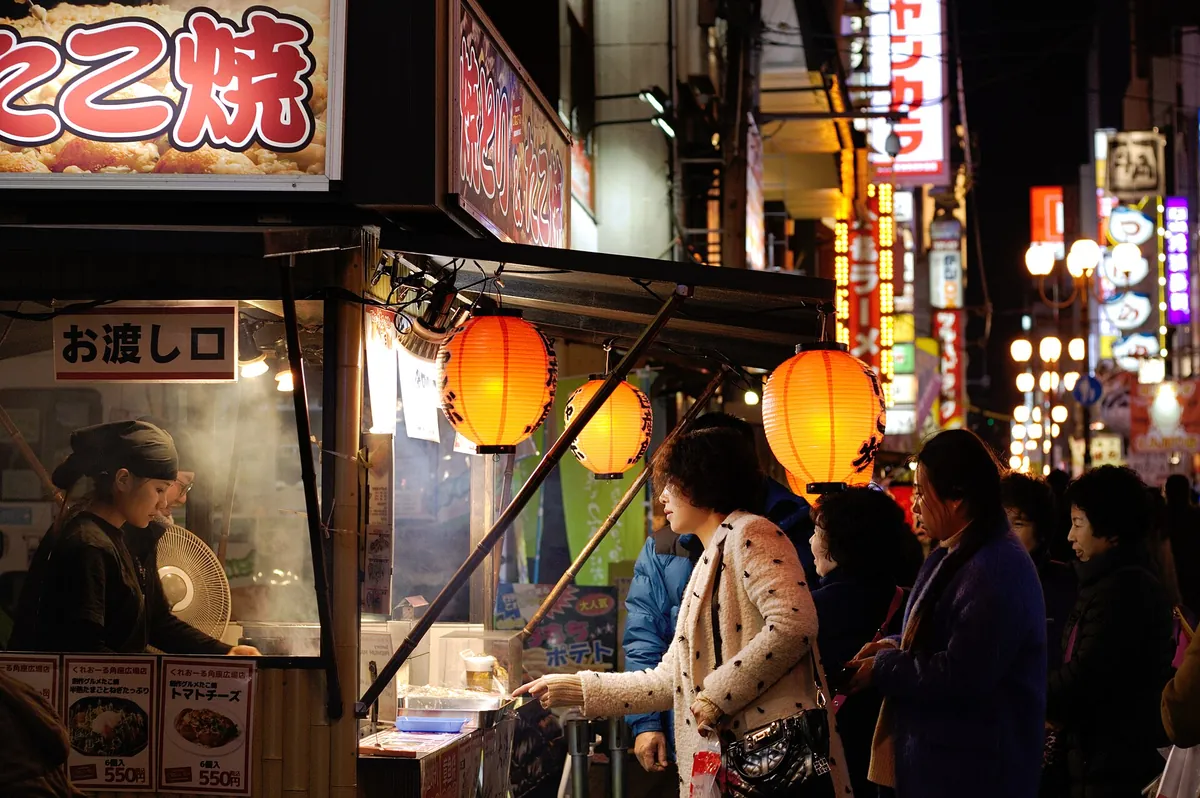

- Komagata Dozeu, Asakusa: loach hot pot from a kitchen founded in 1801
- Kanda Yabu Soba: Edo-style soba since 1880, closed every Wednesday
- Fukagawa Juku: clam-and-miso fukagawa meshi, closed on Mondays
- Tsukishima: about 80 monja shops, starting from one station exit
- Tsukiji Outer Market: still trading, 9:00 to 14:00
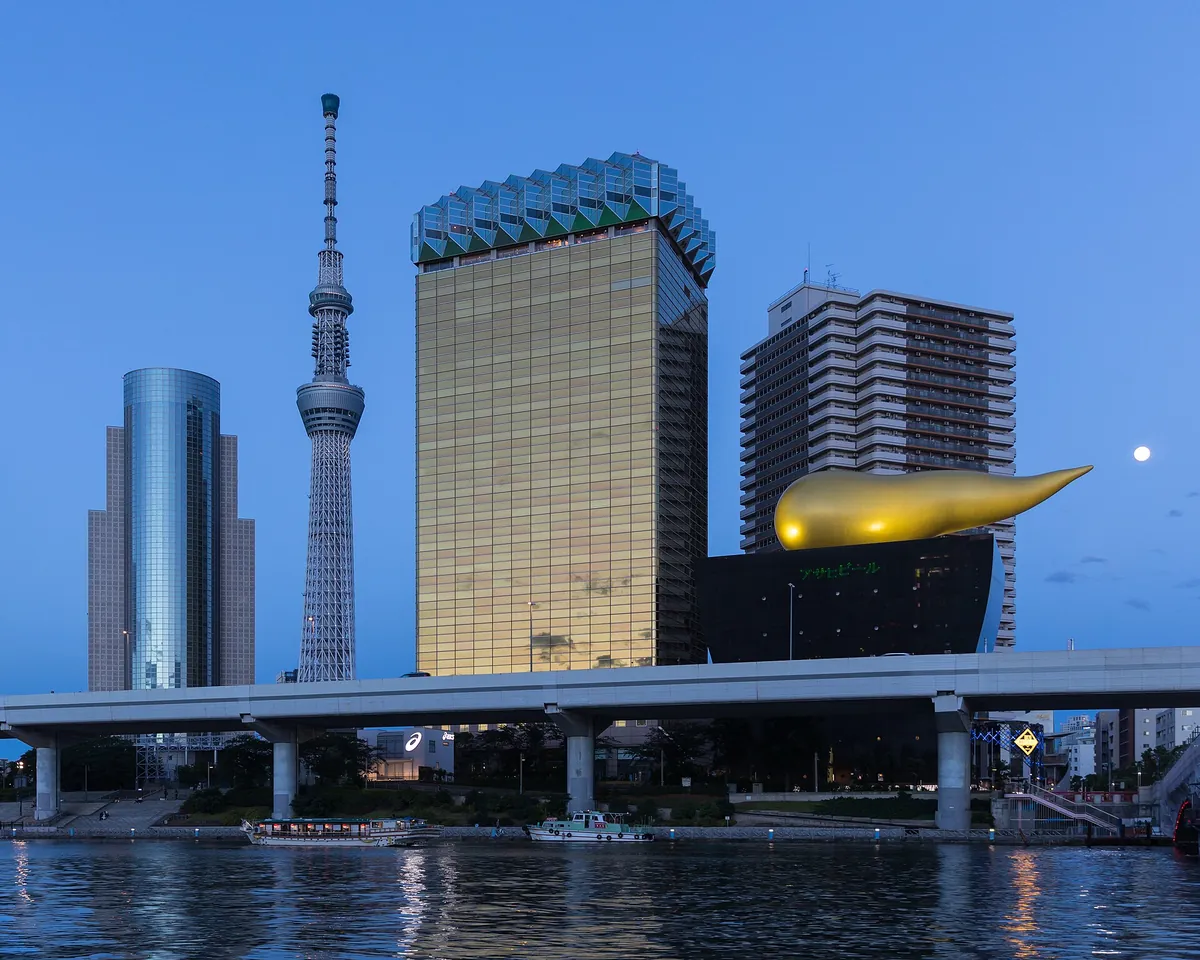
Every second guide still says Tokyo’s Tsukiji closed when the fish market moved out. It did not. The market’s own association says the wholesale market left, but the shops around it stayed and still trade as the Tsukiji Outer Market.
The other myth is that Tokyo food just means sushi and ramen. In Tokyo Prefecture (officially the Tokyo Metropolis), across Taito, Chiyoda and Koto wards and Tsukiji, the food that is truly local is old-city food: loach hot pot, Edo soba, sukiyaki, ankou, fukagawa meshi, sumo chanko and the griddle snack called monja.
So the answer is one dish per district, and ten places below to eat them. This guide is for first- and second-time visitors who want food that belongs to Tokyo. The trap is the calendar, not the menu: Monday shuts two of the ten, and Wednesday shuts another.
- Time needed
- One full day, or two half days
- Typical dish
- About ¥1,320–4,980 (shop menus)
- Bases
- Asakusa, Kanda or Tsukiji
- Best days
- Tue, Thu, Fri or Sat
- Booking
- Komagata Dozeu takes web bookings
- Prices checked
- October 2026
Prices are menu prices or ranges checked in October 2026; confirm on the official site before you go.
Tokyo’s 5 Food Districts: Stations and Fares
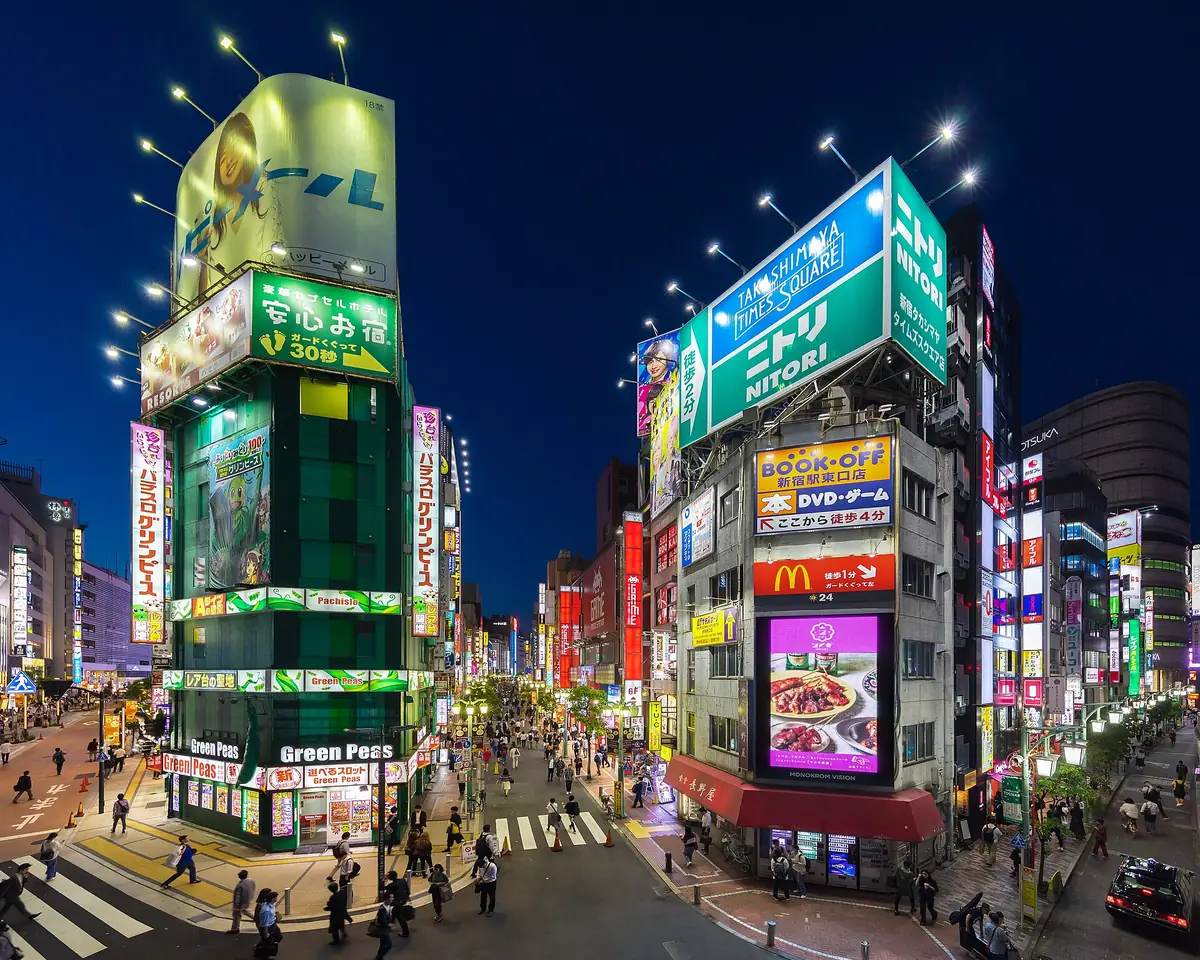
You are almost certainly already in Tokyo, so the question is not how to get here. It is which station puts you at the door. Every district below sits on the subway or JR, and the stations come from each shop’s or market’s own access page.
Fares are where guides go vague. Tokyo Metro’s fare table runs by distance: ¥178 with an IC card for 1–6 km, ¥209 for 7–11 km and ¥252 for 12–19 km, as of October 2026. Toei and JR fares are on their own sites.
← Swipe to see the full table →
| District | Station and line | Rough fare |
|---|---|---|
| Asakusa | Tawaramachi (Ginza Line); Tsukuba Express Asakusa | Metro ¥178–252 by IC (estimate) |
| Kanda | Awajicho (exit A3); Kanda (Ginza Line, exit 4) | Metro ¥178–252 by IC (estimate) |
| Tsukiji and Tsukishima | Tsukiji (Hibiya Line); Tsukijishijo and Tsukishima (Oedo Line) | Metro ¥178–252; Toei on its site |
| Fukagawa and Ryogoku | Kiyosumi-Shirakawa; Monzen-nakacho; JR Ryogoku | Toei or JR; check the operator |
| Ueno and Shinjuku | JR Ueno or Okachimachi; Shinjuku west exit | JR or Metro; check the operator |
Plan your trip: the tools we use
Our pick: an IC card for a single district; the Tokyo Subway Ticket if you plan to cover three or more in one day.
The Metro band in the table is an estimate, because your fare depends on where you start. A hop from a hotel in the same part of town will usually sit at the bottom of it.
Notice the split. Asakusa, Kanda and Tsukiji are Tokyo Metro country, while the east bank of the Sumida River leans on the Toei Oedo Line and JR. That matters later, when you pick a ticket.
Map apps do the rest.
New to the city? Our Tokyo for first-timers guide covers the basics, from gates to luggage, before you start planning meals around stations.
Eating Old Tokyo: 5 House Rules
None of these places is hard to eat at. But they run on old rules, and each rule below comes from a shop’s or market’s own page. Break one and you lose a meal, not face.
Closing days and lunch windows
Every shop picks its own closing day. Kanda Yabu Soba shuts on Wednesdays, Fukagawa Juku and Isegen on Mondays, and Komagata Dozeu posts irregular dates each month. Lunch windows close early too.
- Asakusa Imahan: lunch menu 11:30–14:30, 20 of each bowl a day
- Isegen: weekday lunch last order 13:30
- Fukagawa Juku Honten: weekday break from 15:00 to 17:00
- Tsukiji Outer Market: guide hours end at 14:00
Arrive late and the kitchen may be between services.
Market and alley manners
Tsukiji’s guide page asks visitors to eat inside the eatery or in a space set aside for eating, not while walking. It also asks you to check before taking photos and not to touch raw food.
Tsukiji serves professional buyers first until 9:00. Visitors who come after that get in nobody’s way.
Payment is the other trap. Tsukiji says it depends on each shop whether cards are taken, and only yen works there. In the market and the postwar alleys, carry cash.
Extra charges and monja
Two places add charges that surprise people. Isegen adds a ¥500 otoshi (a small starter) for diners not on a course, plus 10% service after 16:00. Asakusa Imahan adds 10% service when you spend ¥5,500 or more per person.
Monja is cooked on the griddle set into your table. The Tokyo Metropolitan Government traces it to a prewar candy-shop snack on a hot plate, which is why it looks so loose when it lands.
 ReaderYuki
Order one to share first.
- Not a Monday if Fukagawa Juku or Isegen is on the list
- Not a Wednesday if you want Kanda Yabu Soba
- Komagata Dozeu’s monthly closing dates checked
- Tsukiji after 9:00 and well before 14:00
- Cash in yen for the market and the alleys
- Suica or PASMO topped up for the subway
- Map pins saved for every stop
Asakusa: Loach Hot Pot and 1895 Sukiyaki
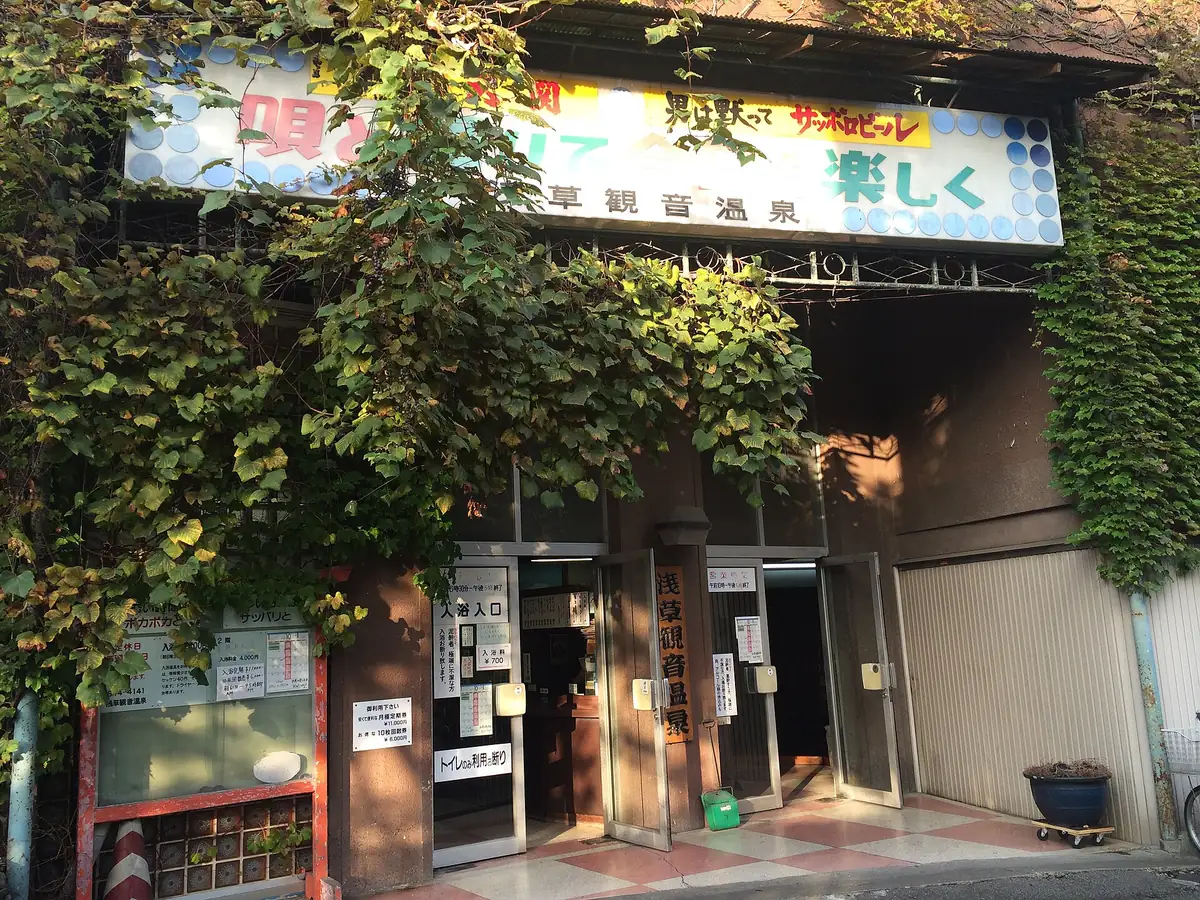
Asakusa is where Tokyo’s oldest restaurants still feel normal rather than staged. The two below have been cooking since 1801 and 1895, and both list their prices online, which makes planning easy.
One is a single-dish house. The other is a sukiyaki house with a lunch trick.
Komagata Dozeu: loach hot pot since 1801
Dozeu is loach, a small freshwater fish, cooked as a hot pot. Komagata Dozeu’s history page says the shop opened in 1801, and that it settled on an odd-numbered spelling of its name after a fire in 1806.
The menu lists dozeu nabe at ¥3,480, yanagawa nabe at ¥3,500 and dozeu soup at ¥350, tax included, as of October 2026. A dozeu nabe set with rice and sides is ¥4,980, so budget roughly ¥3,500–5,000 per person.
The ground floor is the reason to come. Its seating page describes tatami with low wooden boards set at the right height for the pot. Chairs are on the second floor and in the basement, if sitting on the floor is hard for you.
It suits anyone who wants one dish Tokyo really owns. Book on the web if your day is fixed.
- Hours: roughly 11:00–20:30, last order 20:00 (check the official site; closed on irregular dates posted monthly)
- Access: Komagata 1-7-12, Taito, at the south end of Asakusa (check the map for the nearest station)
- Notable: founded 1801; dozeu nabe ¥3,480, set ¥4,980; tatami on 1F, chairs on 2F and B1; web bookings
Asakusa Imahan: sukiyaki since 1895
Asakusa Imahan dates from 1895, according to its own site. A full sukiyaki meal is a splurge, so the Kokusai-dori Honten lunch menu is the way in for most visitors.
Lunch runs 11:30–14:30. The Hyakunen gyudon (beef bowl) is ¥2,200 and the Meiji sukiyaki-don ¥3,300, but each bowl is limited to 20 a day and lunch cannot be booked. Sukiyaki and shabu-shabu lunch sets start at ¥5,390.
Want the bowl? Turn up at 11:30.
Prices include tax. Spend ¥5,500 or more per person and a 10% service charge applies, so a lunch set with a drink can tip you over. It suits first-timers who want sukiyaki at a price they can control.
- Hours: roughly 11:30–21:30, last order 20:30; lunch 11:30–14:30 (check the official site; open all year)
- Access: next to Tsukuba Express Asakusa Station, exit A2; Tawaramachi Station (Ginza Line), exit 3, about 7 min on foot
- Notable: founded 1895; lunch bowls ¥2,200–3,300, 20 of each a day, no lunch bookings; sets from ¥5,390
Kanda: Soba Since 1880 and Winter Ankou
Kanda is a short walk from JR Akihabara, and most visitors pass straight through. That is a mistake. Two of Tokyo’s longest-running kitchens are a few minutes apart here, both close to Awajicho Station.
One is cheap and easy. The other is a seasonal splurge.
Kanda Yabu Soba: Edo soba since 1880
The Chiyoda City Tourism Association dates Kanda Yabu Soba to 1880. Soba is buckwheat noodles, and the simplest order is the plain seiro soba.
The menu lists seiro soba at ¥1,320, tempura soba at ¥2,860 and kamo seiro (with duck) at ¥3,190, as of October 2026. Most people spend about ¥1,300–3,200, the cheapest Edo meal in this guide.
It is also roomy. The shop page lists 77 seats on the ground floor and 20 upstairs in three private rooms. The same page says it cannot cater for vegan, vegetarian or gluten-free diets.
Do not plan it for a Wednesday.
- Hours: roughly 11:30 to last order 20:00 (check the official site; closed every Wednesday)
- Access: Awajicho Station, exit A3, about 2 min on foot
- Notable: founded 1880; seiro soba ¥1,320; 77 seats on 1F; no vegan, vegetarian or gluten-free options
Isegen: ankou hot pot since 1830
Isegen opened in 1830 and calls itself the only ankou specialist in Tokyo. Ankou is monkfish, cooked in a hot pot, and Isegen’s menu starts the ankou nabe at ¥4,500 per person.
Add the extras before you decide. Diners not on a course pay a ¥500 otoshi, and 10% service applies after 16:00. A weekday lunch is the cheaper way in, but last order is 13:30.
The calendar decides the rest. From April to October Isegen also closes on Sundays and holidays, and it takes summer and New Year breaks, so it opens more days from November to March. Walk-ins are taken if tables are free.
- Hours: weekdays roughly 11:30–14:00 (last order 13:30) and 17:00–22:00 (last order 21:00) (check the official site; closed Mondays, and Sun and holidays Apr–Oct)
- Access: Awajicho Station, exit A3, about 2 min on foot; Kanda Station (Ginza Line), exit 4, about 2 min
- Notable: founded 1830; ankou nabe from ¥4,500 per person; ¥500 otoshi; 10% service after 16:00
Where we would book this
Booking.com
Largest inventory in Japan for English-speaking travellers
- Best for
- Hotels, business hotels, ryokan and apartments in every city
- Checked
- September 2026
Official site. Same price for you.
Tsukiji and Tsukishima: Market and Monja
These two sit close to each other on the Oedo Line, and they suit different hours. Tsukiji is a morning stop and winds down by 14:00. Tsukishima’s monja griddles fit later in the day.
Do the market first, the monja later.
Tsukiji Outer Market: still trading
The Tsukiji Outer Market grew around the wholesale market that opened here in 1935. When the wholesale side moved, the surrounding shops stayed, and that is what you visit today.
The market’s shopping page gives hours of 9:00 to 14:00 and warns that many shops close on Sundays and on some Wednesdays. Card payment depends on each shop, and there is no currency exchange.
Food prices vary by stall, so no single number applies. It suits early risers who want breakfast before a full day elsewhere, and lockers are available if you are carrying luggage.
- Hours: roughly 9:00–14:00 for visitors (check the official site; many shops closed Sundays and some Wednesdays)
- Access: Tsukijishijo Station (Oedo Line), about 1 min on foot; Tsukiji Station (Hibiya Line), about 1 min
- Notable: market at Tsukiji since 1935; yen only; cards vary by shop; lockers for luggage
Tsukishima: about 80 monja shops
The Tokyo Metropolitan Government counts around 80 monja shops in Tsukishima, with the most on the main street. About 50 of them belong to the Tsukishima Monja association.
Getting there is simple. The association’s about page says exit 7 of Tsukishima Station opens straight onto Nishinaka-dori, the main shopping street. Its site also links to bookings for member shops.
Prices vary by shop, and no single shop is named here because none has been checked for this guide. Pick a busy one, sit at the griddle and order one monja to share before you order more.
Good for groups and for a late meal.
- Hours: vary by shop (check each shop; the association’s phone line runs 11:00–20:00)
- Access: Tsukishima Station (Yurakucho or Oedo Line), exit 7, onto Nishinaka-dori
- Notable: around 80 monja shops; about 50 in the association; prices vary by shop
East of the Sumida: Fukagawa and Ryogoku
Cross the Sumida River and the food changes. In Fukagawa the dish is clam rice, served near Kiyosumi-Shirakawa. In Ryogoku it is chanko, the sumo hot pot.
Both work well for lunch.
Fukagawa Juku: clam-and-miso rice
Fukagawa meshi comes in two styles, says Fukagawa Juku. The bukkake style is clams and leek simmered in miso and poured over hot rice; the takikomi style cooks the clams into the rice.
The Honten menu lists fukagawa meshi (bukkake) at ¥2,145, a set with both styles, Tatsumi-gonomi, at ¥2,365 and a grilled clam skewer at ¥780, tax included. Plan on roughly ¥2,100–3,200 per person.
The Honten has only 16 seats. The Tomioka Hachimangu branch, inside the shrine grounds, has 30 and opens at 11:00, so it is the safer choice for a group. Both close on Mondays.
- Hours: Honten weekdays roughly 11:30–15:00 and 17:00–21:00, weekends 11:30–17:00 (check the official site; closed Mondays, Tue if Mon is a holiday)
- Access: Kiyosumi-Shirakawa Station, exit A3, about 3 min on foot (branch: Monzen-nakacho, exit 1, about 3 min)
- Notable: fukagawa meshi ¥2,145; Honten 16 seats, branch 30 seats; branch dinner course ¥5,104
Chanko Kirishima: sumo hot pot
Ryogoku Edo Noren fills the old JR Ryogoku station building by the west exit. A JR East article describes nine restaurants inside, set around a full-size sumo ring.
Chanko Kirishima is the chanko pick there. The same article says its chanko follows recipes taught by the Michinoku sumo stable. Chanko prices were not on any official page checked for this guide, so check the menu at the door.
These hours come from JR East’s article dated February 2025, and the shop closes on irregular days. Check before you go.
It suits late eaters, since it is open into the evening.
- Hours: roughly 11:00–23:00 Mon–Sat, 11:00–22:30 Sun and holidays (check before you go; irregular closures)
- Access: inside Ryogoku Edo Noren, by the west exit of JR Ryogoku Station
- Notable: chanko taught by the Michinoku sumo stable; 9 restaurants and a full-size sumo ring in the building
Ueno and Shinjuku: 2 Postwar Alleys
Not every local meal comes from a famous kitchen. Two postwar markets survive as narrow lanes of small shops, and they are where Tokyo snacks and drinks cheaply after work.
Both are easy to reach from JR stations, and both suit a short, unplanned stop.
Ameyoko: 400 shops under the tracks
Ameyoko’s own site says about 400 shops line roughly 500 m between JR Ueno and JR Okachimachi. It began as a black market after the war, and the name comes either from candy (ame) or from “America”.
Hours vary by shop, so treat it as a snack and drink stop at the end of an Ueno day.
Bring cash.
- Hours: vary by shop (check each shop)
- Access: between JR Ueno Station and JR Okachimachi Station
- Notable: about 400 shops along about 500 m; postwar black-market origins
Omoide Yokocho: Shinjuku’s postwar lanes
Omoide Yokocho counts about 80 premises, including some 60 bars and restaurants, by Shinjuku Station’s west exit. Its roots are in a postwar open-air market.
Its Japanese site warns that opening days and hours can change without notice, so check the shop you want. It asks commercial film crews to apply first; as a visitor, ask a shop before you photograph inside.
It suits anyone staying on the west side who wants one small drink near the station.
- Hours: vary by shop (check each shop)
- Access: Shinjuku Station (JR, Odakyu, Keio, Marunouchi Line), west exit; Seibu-Shinjuku; Shinjuku-nishiguchi (Oedo Line)
- Notable: about 80 premises, about 60 bars and restaurants; postwar origins
Tokyo Food Mistakes and the Closing-Day Fix
Most failed food days in Tokyo come down to timing, not taste. Here is what tends to go wrong, set against what the shops’ own pages suggest.
What most first-timers do
- Eat sushi and ramen at every meal
- Reach Tsukiji at 13:30
- Plan Kanda for a Wednesday
- Head to Fukagawa Juku on a Monday
- Expect cards to work everywhere
What actually works
- Try one old-Tokyo dish per district
- Reach Tsukiji soon after 9:00
- Do Kanda on any day but Wednesday
- Eat fukagawa meshi Tuesday to Sunday
- Carry yen for markets and alleys
The lunch-bowl trap at Asakusa Imahan belongs on the list too. With each bowl limited to 20 a day and no lunch bookings, a 13:00 arrival is a gamble.
Here is the closing-day planner, built from each official page:
- Kanda Yabu Soba: closed every Wednesday
- Isegen: closed Mondays; Apr–Oct also Sundays and holidays
- Fukagawa Juku: closed Mondays (Tuesday after a holiday Monday)
- Tsukiji Outer Market: many shops shut Sundays and some Wednesdays
- Komagata Dozeu: irregular; November 2026 closes the 17th, 24th and 26th
- Asakusa Imahan: open all year
- Chanko Kirishima: irregular closures
Avoid Monday on the east side, and Wednesday or Sunday for Kanda and Tsukiji. Tuesday, Thursday, Friday or Saturday fit the most places, once you have checked Komagata Dozeu’s month.
That is the whole planner.
An East Tokyo Eating Day in 5 Stops
This route links four districts and works on a Tuesday, Thursday, Friday or Saturday. Prices are the shops’ own menu prices where they list them. Travel times are left to your map app, since none were checked for this guide.
Step 1: After 9:00: breakfast at Tsukiji Outer Market
Ride to Tsukijishijo (Oedo Line) or Tsukiji (Hibiya Line), both about 1 minute away. Stall prices vary, so carry yen. Shops wind down by 14:00.
Step 2: 11:30: fukagawa meshi in Kiyosumi-Shirakawa
The Oedo Line serves both Tsukijishijo and Kiyosumi-Shirakawa. Fukagawa Juku Honten opens at 11:30, about 3 minutes from exit A3; fukagawa meshi is ¥2,145.
Step 3: Afternoon: Ryogoku Edo Noren
Ryogoku is on the Oedo Line and JR. Look at the sumo ring in the old station building, or eat chanko at Chanko Kirishima. Chanko prices are on the menu at the door.
Step 4: Early evening: Komagata Dozeu
Cross to Asakusa using your map app. Dozeu nabe is ¥3,480, or ¥4,980 as a set. Last order is 20:00, so do not leave it late.
Step 5: Late: monja in Tsukishima, or Ameyoko
Still hungry? Monja shops cluster at exit 7 of Tsukishima Station, with prices that vary by shop. Ameyoko, between Ueno and Okachimachi, is the cash option.
What does a day of old-Tokyo food cost? A light day (soba plus fukagawa meshi) is about ¥3,500, as an estimate from menu prices. A splurge day, an Imahan lunch set from ¥5,390 plus a Dozeu set at ¥4,980, comes to roughly ¥10,000–11,000 before drinks.
The market, chanko and monja come on top. For how this sits against a whole trip’s budget, see our Japan food budget per day guide.
Got three days in the city? Our Tokyo in 3 days plan has room to split this route over two of them.
Suica, the Subway Ticket or a JR Pass?
The route above uses Tokyo Metro, the Toei Oedo Line and a little JR. Which ticket makes sense depends on how many rides you take and which network they are on.
Suica or PASMO for a district or two
An IC card such as Suica or PASMO works on Tokyo Metro, Toei and JR. Tap at the gate and the fare comes off, at the IC rate.
On Tokyo Metro that is ¥178 for 1–6 km and ¥209 for 7–11 km, as of October 2026. For one district and a ride back to your hotel, the card is the simplest choice.
Does the Tokyo Subway Ticket pay off?
The Tokyo Subway Ticket gives unlimited rides on all Tokyo Metro and Toei subway lines. It costs ¥1,000 for 24 hours, ¥1,500 for 48 hours and ¥2,000 for 72 hours, with children at half price.
Those prices took effect on 14 March 2026, so guides quoting older, lower prices are out of date. The ticket is for visitors from overseas and for residents outside the eight prefectures the operator lists, and it comes as a paper ticket or a QR code.
Do the sum before you buy. At Metro IC fares, five ¥178 rides come to ¥890, short of ¥1,000, while six come to ¥1,068. Five ¥209 rides come to ¥1,045. So the 24-hour ticket pays off from about five or six subway rides, which the five-stop day can reach.
Partner link.
GetYourGuide and the official site are the other places to look. For the full comparison, see our Tokyo subway pass guide.
Where the JR Pass fits
JR stations serve Ryogoku, Ueno, Okachimachi, Kanda, Akihabara and Shinjuku. But the JR Pass does not cover the Tokyo Metro or Toei subway, which carries most of this route.
Whether the pass pays off depends on your route, so add up the individual fares first. Our guide to whether the JR Pass covers subways walks through it.
Do not buy one for a food day.
FAQ
QIs one day enough for Tokyo local food?
One full day covers the five-stop route above, if it falls on a Tuesday, Thursday, Friday or Saturday. A second day adds Kanda’s soba and ankou, an Asakusa sukiyaki lunch and an evening in Shinjuku.
QIs Tsukiji still worth visiting?
Yes, as a morning food stop. The Tsukiji Outer Market shops stayed when the wholesale market moved, and visitor hours are 9:00 to 14:00. Avoid Sundays and check before a Wednesday, when many shops close.
QIs there anything vegetarian here?
Not reliably. Kanda Yabu Soba says it cannot cater for vegan, vegetarian or gluten-free diets, and the hot pots here are built on fish, meat or clams. Ask each shop directly before you go.
QDo I need cash?
For some places, yes. Tsukiji says card payment depends on each shop and only yen works there. Take cash to Ameyoko and Omoide Yokocho too, where most shops are small.
QCan I book these restaurants?
Komagata Dozeu takes web bookings, and the Tsukishima association’s site links to bookings for member shops. Asakusa Imahan does not take lunch bookings, and Isegen takes walk-ins when tables are free.
QWhen is ankou season at Isegen?
Isegen opens more days from November to March. From April to October it also closes on Sundays and holidays, and it takes summer and New Year breaks, so check its calendar before you plan around it.
Picking ten places to eat in a city this size can feel like a second job before you have even landed.
Instead of reading one more list, fix your day of the week and two districts tonight, and leave the rest to what looks good on the street.
Keep planning
- ① Install and test your eSIM before take-offAiralo and Ubigi eSIMs activate on arrival, but the install itself needs Wi-Fi. Do it at home and confirm the profile shows up in your phone settings.
- ② Save your first hotel’s address in JapaneseTaxi drivers and station staff read Japanese addresses far faster than romanised ones. Copy it from the booking confirmation into your notes app.
- ③ Set aside cash for day oneMany small restaurants, temples and rural buses are still cash-only. Airport ATMs at 7-Eleven and the post office accept most foreign cards.
Skip these and your first hour in Japan goes on finding Wi-Fi at the station instead of getting to your hotel.
🔍 How to sanity-check any price you read online
Blogs (including this one) go out of date. The official page always wins over a screenshot from two years ago.