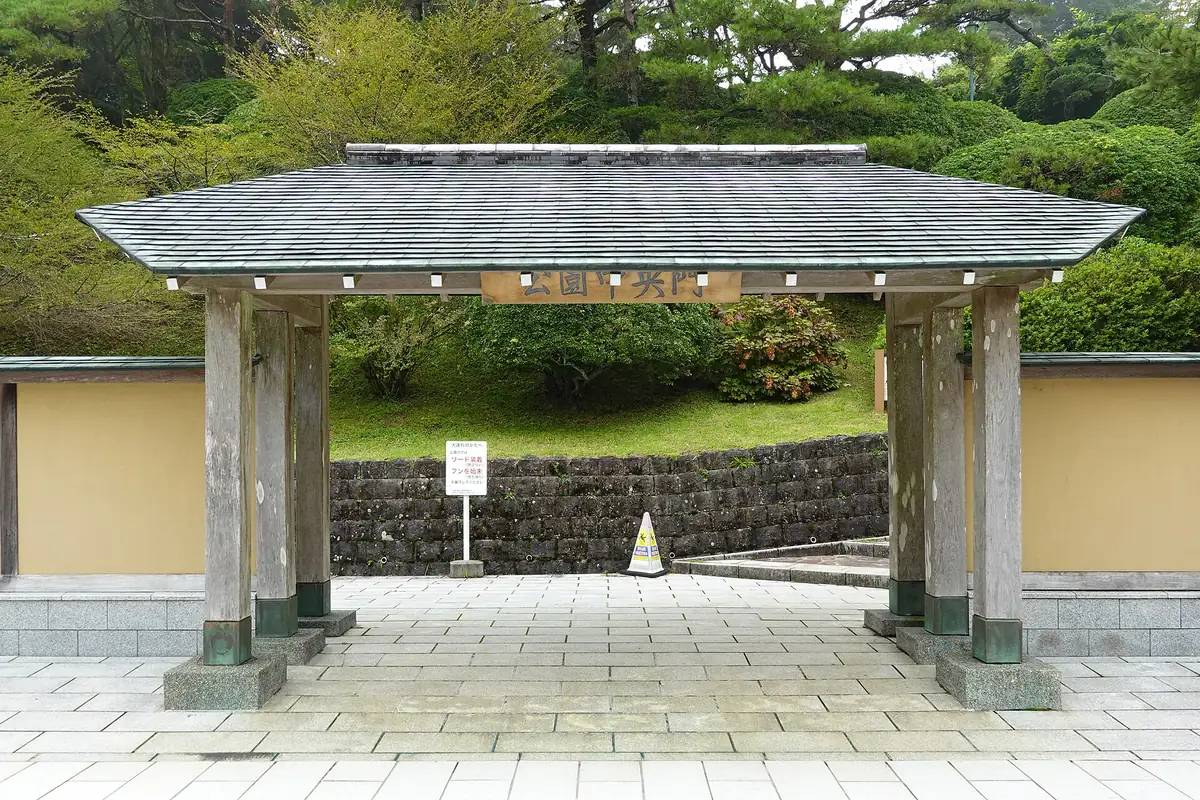
- Best for convenience: Hakone-Yumoto, for direct train access from Tokyo.
- Best for mountain atmosphere: Gora, to reach cable cars and museums early.
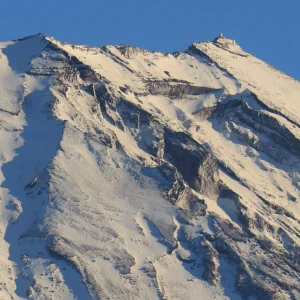
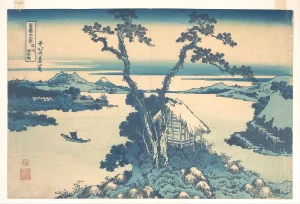
- Best for scenery: Moto-Hakone, for lake views and Mt. Fuji glimpses.
- Best for total seclusion: Sengokuhara, for quiet walks and pampas grass fields.
- Trip length
- 2 nights
- Budget
- ¥25,000–¥60,000/night
- Transport
- Hakone Free Pass
- Best season
- Autumn or spring
- Booking
- Required 3 months out
- Prices as of
- 2026
Top picks
Where we would book this
Booking.com
Largest inventory in Japan for English-speaking travellers
- Best for
- Hotels, business hotels, ryokan and apartments in every city
- Checked
- September 2026
Official site. Same price for you.
Where we would book this
Agoda
Frequently cheaper for Asian and Japanese chains
- Best for
- Same hotels as Booking.com, often different prices
- Checked
- September 2026
Official site. Same price for you.
Some links are affiliate links (marked “Partner link”). Prices are ranges checked in 2026; confirm on the official site before you book.
You have exactly two days to navigate three trains, two buses, and one ropeway, so choosing a base in Hakone is a logistical choice first and an aesthetic one second. If you only visit Tokyo, close this and read the Tokyo-only plan.
Most travelers underestimate the region’s steep geography, ending up at a gorgeous, remote ryokan that forces them to spend four hours a day just transiting between sights. This lack of planning often turns a relaxing mountain getaway into a stressful exercise in bus schedules and train connections.
For the most efficient trip, base yourself in Hakone-Yumoto to save roughly 40 minutes of transit time each way compared to staying in the upper mountain regions.
Three factors that dictate your Hakone base
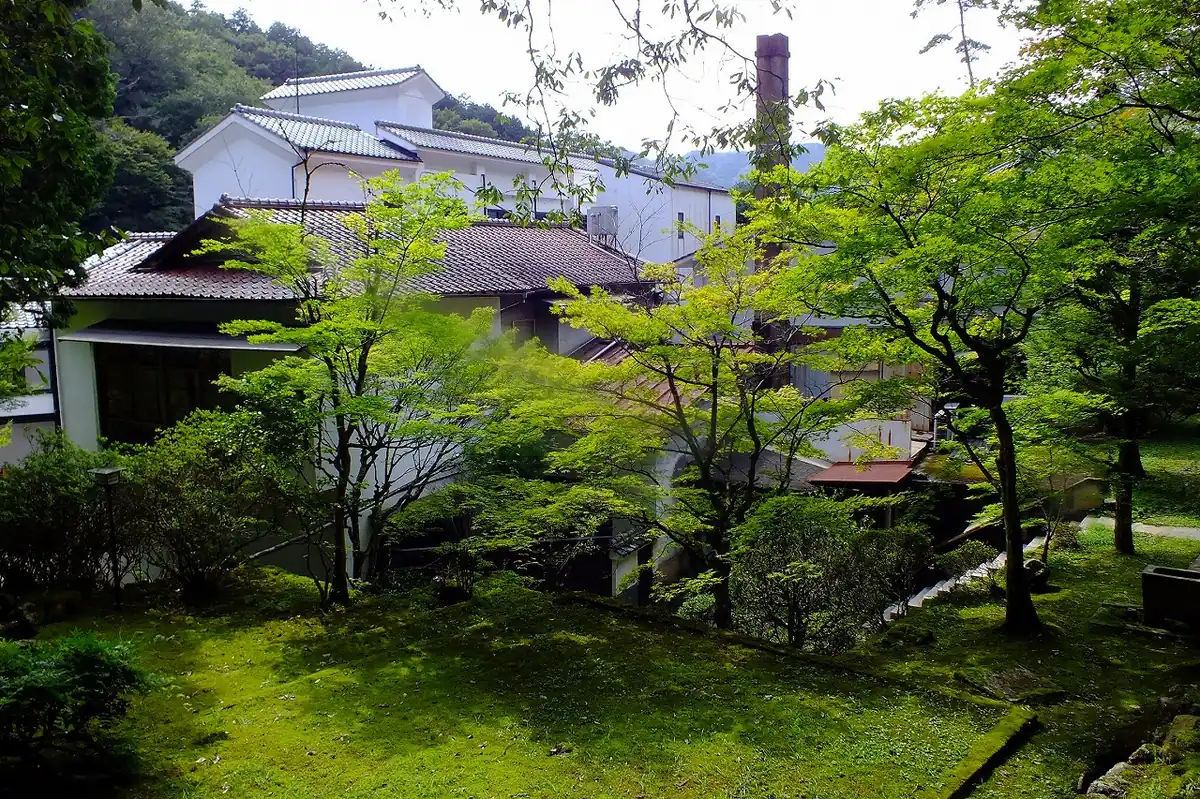
When selecting your accommodation, you must weigh transit time against the specific atmosphere of the mountain villages. Hakone is not a single town, but a series of valleys and peaks connected by a complex network of transport that slows to a crawl during peak afternoon hours.
First, check the final arrival time of the last local train or bus, as many mountain areas go quiet early. Second, decide how many transfers you are willing to make with your luggage in tow. Third, consider the proximity to the Hakone Free Pass network, which covers most local transit options.
- Direct access from Tokyo via Romancecar
- Early start access to the Ropeway
- Proximity to the Open-Air Museum
- Bus connections to Mt. Fuji view points
- Quiet streets after dark
- Private onsen bath in your room
- Luggage forwarding service at the station
Best for transport convenience: Hakone-Yumoto
Many guidebooks dismiss this gateway town as too commercial, but it is the only place in the region that functions as a proper transit hub. If you arrive from Tokyo on the Romancecar, you are already there.
The advantage of staying by the main station
Staying here means you can drop your bags at a local Yamato Transport kiosk before checking into your ryokan. It allows you to use the remaining half of your first day to explore rather than hunting for a bus to a remote hillside.
Expect to pay roughly ¥20,000–¥40,000 per night for a standard room, according to Booking.com listings for 2026. The atmosphere is traditional despite the crowds, with plenty of souvenir shops along the main strip.
When to avoid this base
If you want total silence and zero urban noise, look elsewhere. The station area is busy with day-trippers until the final train departs, which can feel draining after a long day of travel.
Best for onsen vibes and switchback views: Gora
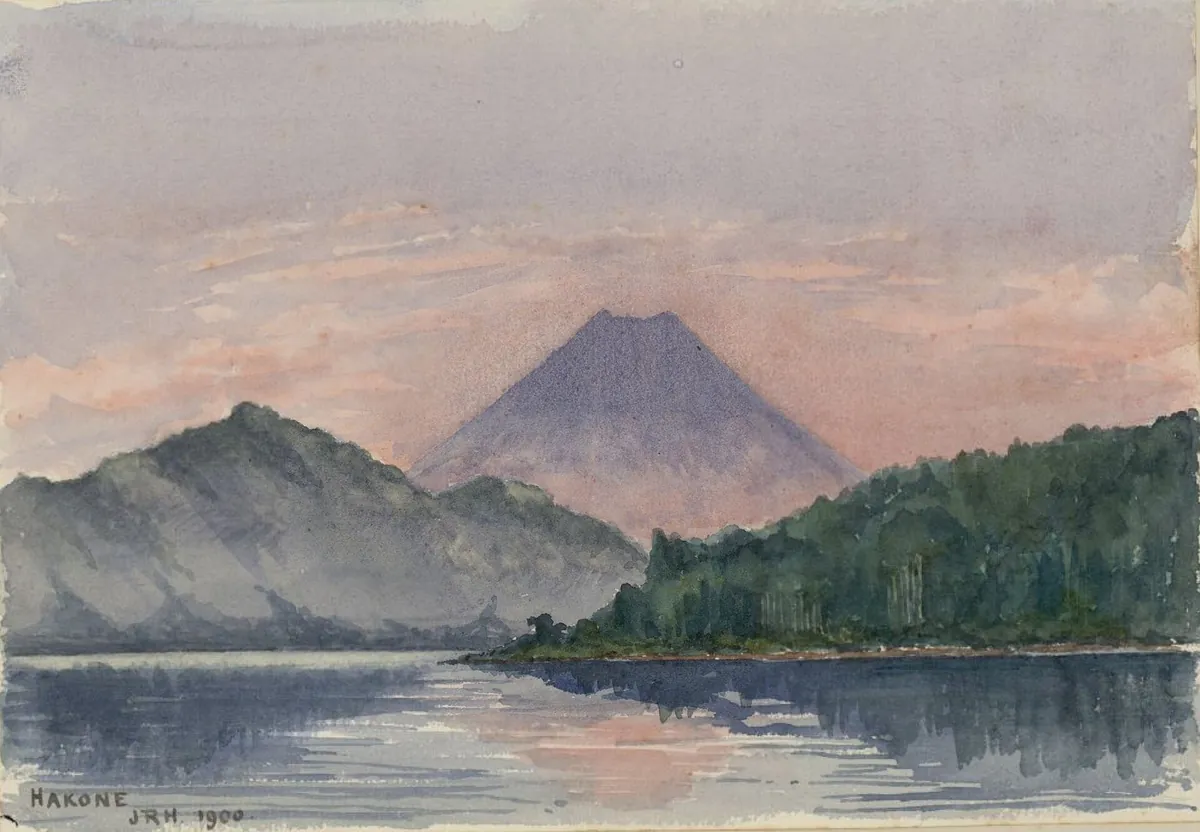
Gora is the heart of the Hakone mountain railway system. It is a series of steep, terraced slopes that require a specific mindset to navigate successfully.
Maneuvering the switchback train
The iconic switchback train crawls up the mountain, offering beautiful views but limited luggage space. If you stay in Gora, do not attempt to bring oversized suitcases on the afternoon train; use a luggage forwarding service instead.
Booking a ryokan here usually costs ¥30,000–¥55,000 per night. You are perfectly positioned to reach the Hakone Open-Air Museum the moment it opens, avoiding the midday crowds entirely.
The romantic appeal of the slopes
Most luxury ryokan in this area are built into the cliffside, providing intimate views of the valley. It is an excellent choice for couples who value privacy over proximity to the train station.
Best for Mt. Fuji views and lake access: Moto-Hakone and Ashi
If you are chasing the classic view of the red torii gate on Lake Ashi, you need to be on the southern shore. Accessing this area takes longer, often involving a bus ride from Odawara or a transfer from the ropeway.
The trade-off of distance
The main drawback is that you are quite far from the Hakone-Yumoto transit corridor. Ensure you have your transport route fully planned on Google Maps before settling on a hotel here.
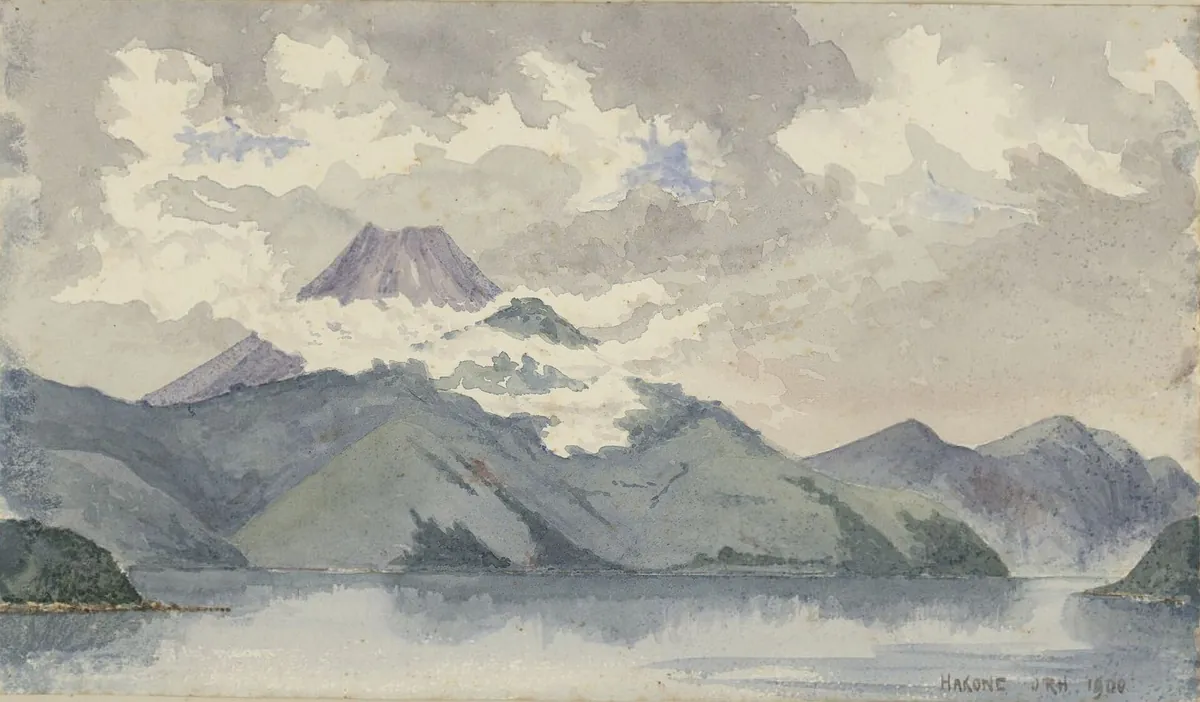
You can find stays ranging from ¥25,000–¥50,000 per night on Booking.com. The misty lake mornings are worth the extra travel time for photography enthusiasts.
Accessing the ropeway
Being near the lake allows you to board the sightseeing boat early in the morning. This is your best chance to capture the silhouette of Mt. Fuji without a hundred other tourists standing in your frame.
Best for quiet, luxury seclusion: Sengokuhara
Sengokuhara is famous for its vast pampas grass fields and high-end museums, including the Pola Museum of Art. It feels disconnected from the rest of the region, which is its primary selling point.
Planning for remote logistics
You will rely almost exclusively on buses here, which can be crowded during weekends. Always check the bus schedule at the nearest stop as soon as you arrive, as frequencies vary significantly by season.
Expect higher prices, often reaching ¥40,000–¥80,000 per night for high-end properties. Check the latest rates on Agoda to see if your dates fall within a peak season.
Who should stay in the north
This is for travelers who have visited Hakone before or who intend to stay inside their resort for the duration of the trip. Do not stay here if you plan to move around the valley every day.
Side by side: Comparing your base options
← Swipe to see the full table →
| Area | Best for | Rough Cost / Night |
|---|---|---|
| Hakone-Yumoto | Convenience | ¥20k–¥40k |
| Gora | Culture | ¥30k–¥55k |
| Moto-Hakone | Views | ¥25k–¥50k |
| Sengokuhara | Quiet | ¥40k–¥80k |
Plan your trip: the tools we use
Our pick: Hakone-Yumoto for the first 2-night trip.
Partner link.
The alternatives to staying in the valley
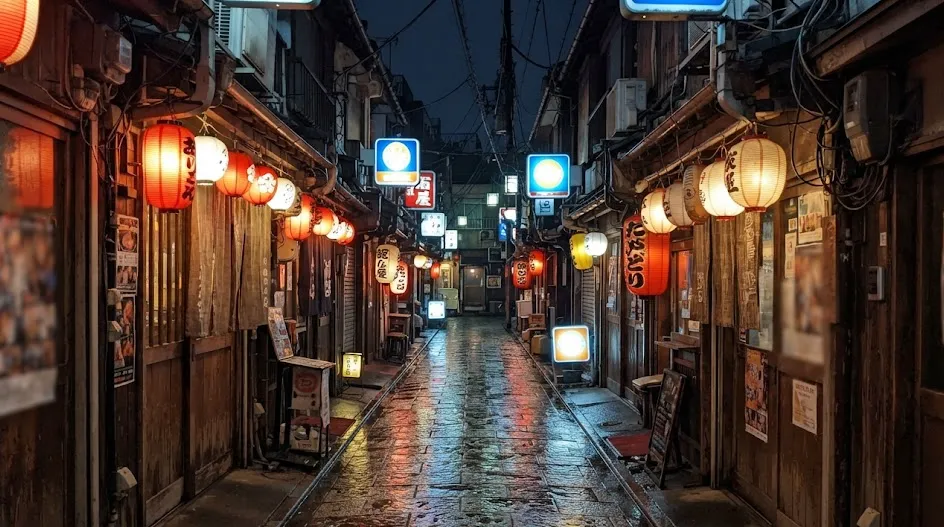
If you cannot find space in the mountains, staying in Odawara is a practical backup. Odawara is a city at the base of the mountains served by the Shinkansen, making it an easy jump-off point for your two-day adventure.
You save money and gain access to more dining options by staying in a business hotel in Odawara. However, you miss out on the overnight onsen experience that defines a traditional Hakone visit.
Tips for getting the most out of your stay
Step 1: Forward your bags
Use the Yamato service from your Tokyo hotel to your Hakone ryokan to avoid fighting for space on the mountain trains.
Step 2: Buy the Free Pass
Grab the Hakone Free Pass from a Klook kiosk to cover your bus and ropeway costs without fumbling for coins.
Step 3: Confirm dinner plans
Many remote ryokan do not have nearby restaurants, so ensure your booking includes half-board if you do not want to hike for dinner.
One mistake I made during a previous trip was waiting until 4:00 PM to find a bus to my hotel; the queues were long, and the sun was setting fast. Book your transport connections early in the morning when the crowds are thinner.
How we chose these recommendations
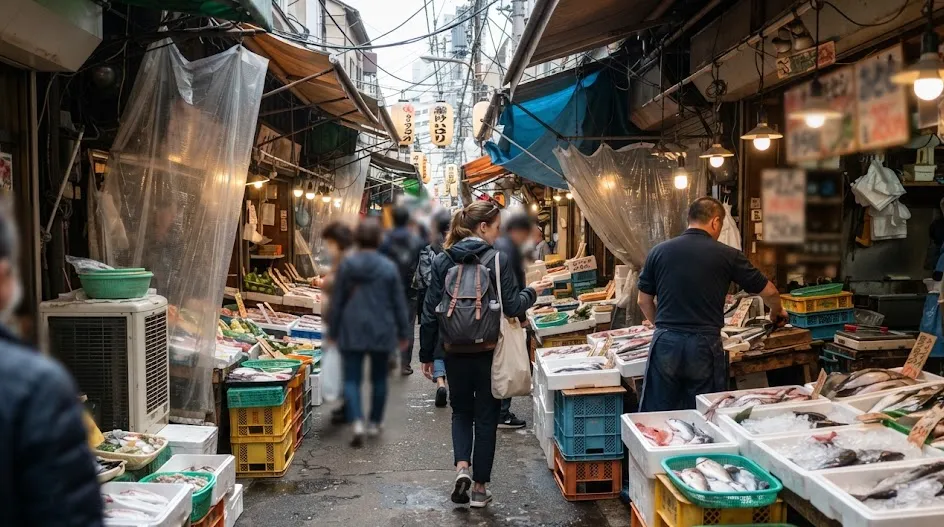
These areas are selected based on their proximity to the primary loop of the Hakone Free Pass. We reviewed transport maps and typical transit times as of 2026 to ensure the trade-offs are realistic for a visitor with limited time.
We could not verify real-time availability for every specific hotel, so focus on the area rather than a single building. Prices are based on general ranges found on major booking platforms during off-peak and shoulder months.
Recommended base areas for your trip
- Hakone-Yumoto: The time-sensitive traveler.
- Gora: The visitor wanting a classic mountain experience.
- Moto-Hakone: The photographer chasing Mt. Fuji.
- Sengokuhara: The luxury traveler wanting solitude.
Choose your area based on your tolerance for public transport, and you will have a much calmer trip.
Managing your Hakone stay if your first-choice dates sell out
Hakone is deceptively small, and during peak seasons—specifically cherry blossom in spring and the fiery red foliage of mid-November—the best properties sell out months in advance.
If you find yourself staring at “no availability” across all the major booking platforms like Booking.com or Agoda, do not panic. The region has a deeper inventory of traditional lodgings than what is displayed online.
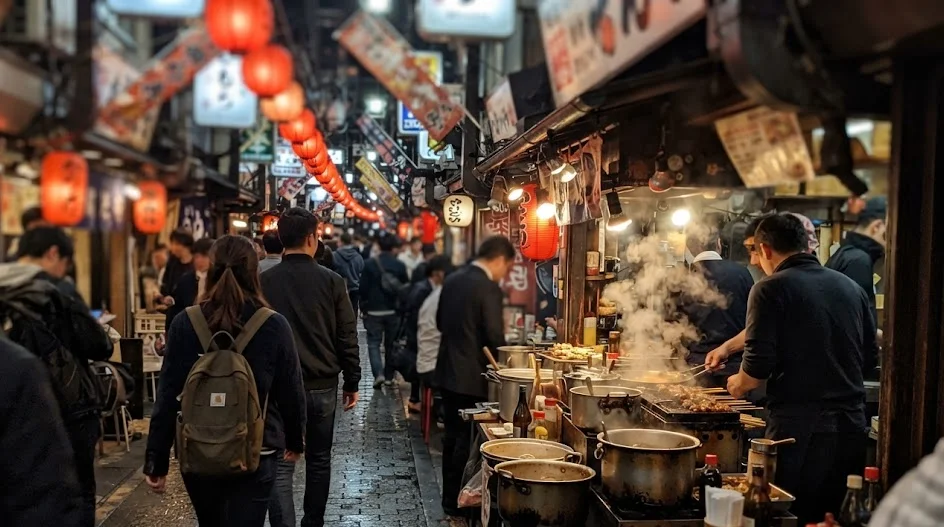
First, pivot your search toward lesser-known surrounding towns that share the same transit grid. Areas like Miyanoshita or Ohiradai are tucked between Hakone-Yumoto and Gora.
These villages are served by the same Hakone Tozan Railway line, meaning you can easily reach the central loop attractions while staying in a smaller, quieter, and often more affordable guesthouse or family-run minshuku.
If you absolutely cannot find a room within the mountains, look for business hotels in Odawara. While it lacks the volcanic hot spring atmosphere, Odawara is a legitimate transportation hub.
You can wake up in a modern, reliable, and reasonably priced hotel near the Shinkansen tracks and be at the start of the Hakone trail within 15 minutes by local train.
Criteria for choosing a backup location
- Check for proximity to a Hakone Tozan Railway station; this is your lifeline for movement.
- Prioritize hotels within a 10-minute walk of the tracks to avoid relying on infrequent local buses.
- Search for “Japanese-style” rooms on sites like Agoda if you still want the tatami mat experience even in a city setting.
- Look for properties that explicitly state they offer “day-use” hot springs; you can stay in a budget city hotel and still visit a luxury ryokan for a three-hour soak.
Expect to pay anywhere from ¥10,000 to ¥25,000 per night for these functional alternatives. Prices vary significantly based on the proximity to the station, so check the official site of the property or the listing details to ensure you are not sacrificing too much comfort.
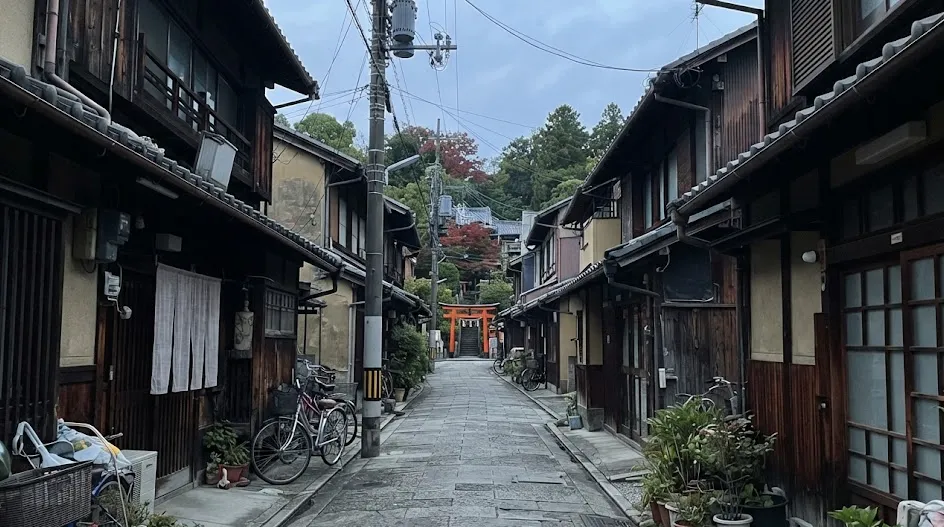
Staying slightly outside the main hubs often yields a more authentic, less tourist-heavy experience, allowing you to see how locals live beyond the souvenir shops.
Lastly, keep an eye on cancellations. Travelers often book multiple rooms in different areas to hedge their bets, releasing them as their plans solidify.
Check your preferred booking sites religiously about two to three weeks before your arrival date. You would be surprised how often a high-end ryokan in the heart of Gora suddenly appears for your exact dates.
Navigating the mountain climate and seasonal attire
The geography of Hakone dictates not only where you should sleep but also what you need to pack. The difference in altitude between the Hakone-Yumoto station and the peak of the ropeway at Owakudani can be significant, often resulting in a temperature drop of 5 to 8 degrees Celsius.
This is a critical factor for anyone planning a two-night stay. If you are visiting in the shoulder months of April or October, you might be sweating in the valley while shivering near the sulfur vents at the top.
Layering is not just a suggestion; it is a necessity for your comfort. A light shell jacket and a sweater are essential, even if the weather report in Tokyo suggests a warm and sunny day.
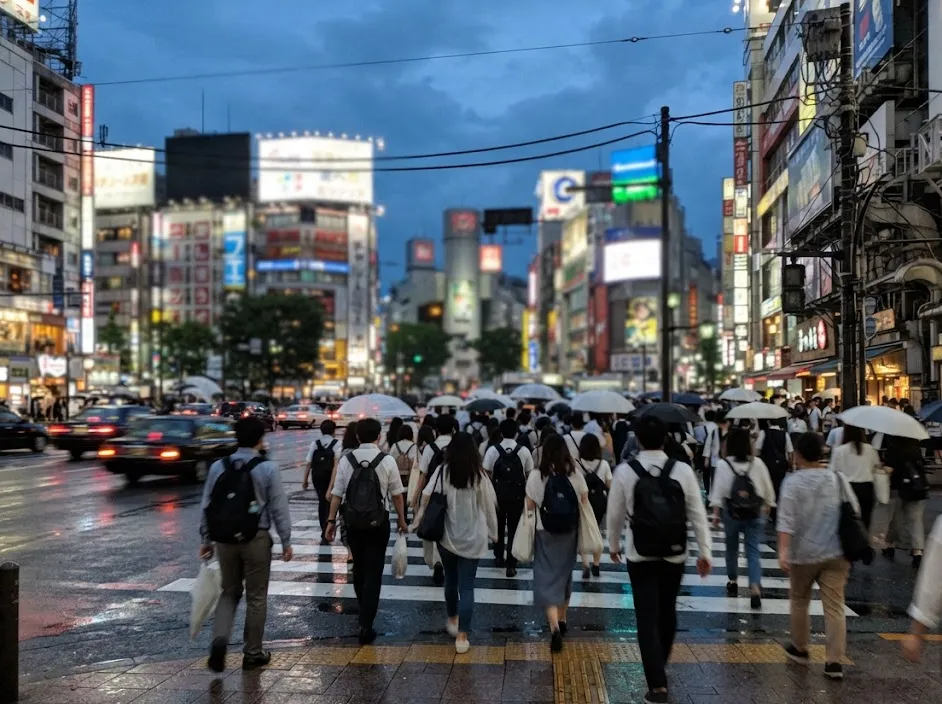
The weather in the mountains is notoriously unpredictable. Clouds roll over the ridge lines quickly, often obscuring the views of Mt. Fuji or the lake.
Do not build your entire trip around a specific photo opportunity at a set time. Instead, keep a flexible schedule. If the sky is clear in the morning, prioritize your outdoor ropeway trip immediately.
Essential gear for a mountain base
- Comfortable walking shoes are non-negotiable; you will be navigating stone steps and steep inclines.
- A small, lightweight daypack is better than a shoulder bag for keeping your hands free on the cable cars.
- Portable power banks are vital, as Google Maps and constant photography will drain your battery by mid-afternoon.
- An umbrella or a hooded rain jacket is a must, as mountain rain showers can appear without warning.
Do not be discouraged by a rainy forecast. The mist rising from the valley creates a moody, ethereal atmosphere that feels uniquely Japanese.
Many of the best museum experiences, such as the Hakone Open-Air Museum, are designed with indoor and outdoor flow in mind. You can spend your day hopping between climate-controlled galleries and sheltered garden paths.
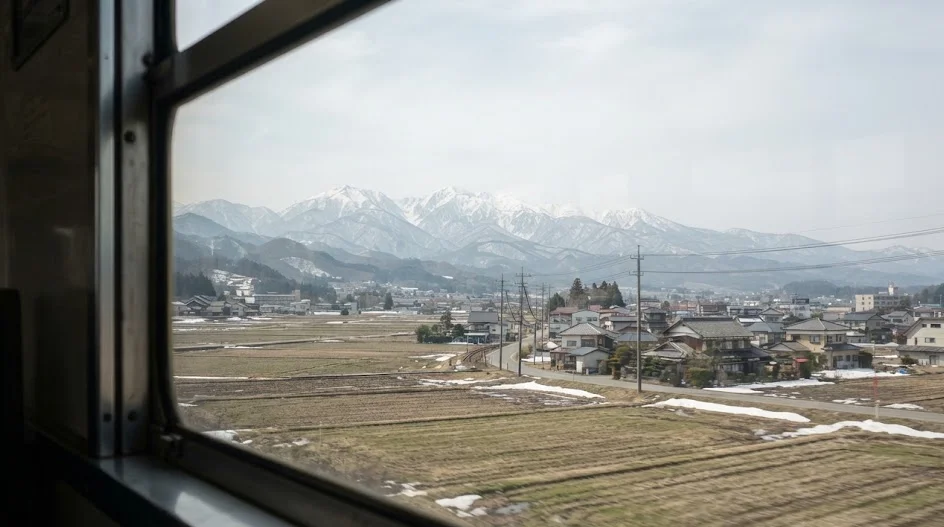
If you are staying in the higher elevations like Sengokuhara, remember that the sun sets earlier behind the mountains than it does in the city. By 5:00 PM, the trails can become dark and difficult to navigate.
Plan your transit so that you are either at your ryokan or in a well-lit village center before the light fades, as rural bus frequencies drop drastically after dusk.
FAQ
QIs the Hakone Free Pass worth it?
Usually, yes, but add up your individual fares for the train, ropeway, and bus before buying. It saves money if you plan to complete the full “loop” of the region.
QCan I stay in Tokyo and do a day trip?
Technically yes, but you will spend four hours in transit alone. Staying for two nights allows you to see the sights at a relaxed pace without the stress of missing the final train.
QDo I need an international driving permit?
Not for the core sights, as the local buses and trains are excellent. Renting a car in the mountains is often more of a burden due to limited parking at major attractions.
QWhat if I have large luggage?
Use the luggage forwarding service at the station. Do not attempt to carry large bags onto the local mountain buses or the small cable cars.
QAre the onsen public or private?
Most ryokan offer both. Check if your room includes a private tub if you prefer not to use the communal baths.
Planning for Hakone feels overwhelming because of the sheer number of transport connections.
Stop re-reading blogs and lock in your base area now, then you can handle the bus schedules once you arrive.
Keep planning
- ① Install and test your eSIM before take-offAiralo and Ubigi eSIMs activate on arrival, but the install itself needs Wi-Fi. Do it at home and confirm the profile shows up in your phone settings.
- ② Save your first hotel’s address in JapaneseTaxi drivers and station staff read Japanese addresses far faster than romanised ones. Copy it from the booking confirmation into your notes app.
- ③ Set aside cash for day oneMany small restaurants, temples and rural buses are still cash-only. Airport ATMs at 7-Eleven and the post office accept most foreign cards.
Skip these and your first hour in Japan goes on finding Wi-Fi at the station instead of getting to your hotel.
🔍 How to sanity-check any price you read online
Blogs (including this one) go out of date. The official page always wins over a screenshot from two years ago.
Cover Photo: 663highland, CC BY-SA 4.0, via Wikimedia Commons