
- Fukuoka is a culinary hub, not a checklist destination.
- Avoid the national JR Pass; point-to-point tickets save money.
- Stay near Hakata Station for transit or Tenjin for nightlife.
- Use local buses or the subway rather than relying on trains.
- Treat this city as a slow-paced break from your Tokyo-Kyoto pace.
- Time needed
- 3 days
- Typical cost
- ¥40,000–¥60,000
- Base
- Hakata Station
- Booking
- Flights and hotels
- Best season
- Spring or autumn
- Price checked
- 2026
Some links are affiliate links (marked “Partner link”). Prices are ranges checked in 2026; confirm on the official site before you book.
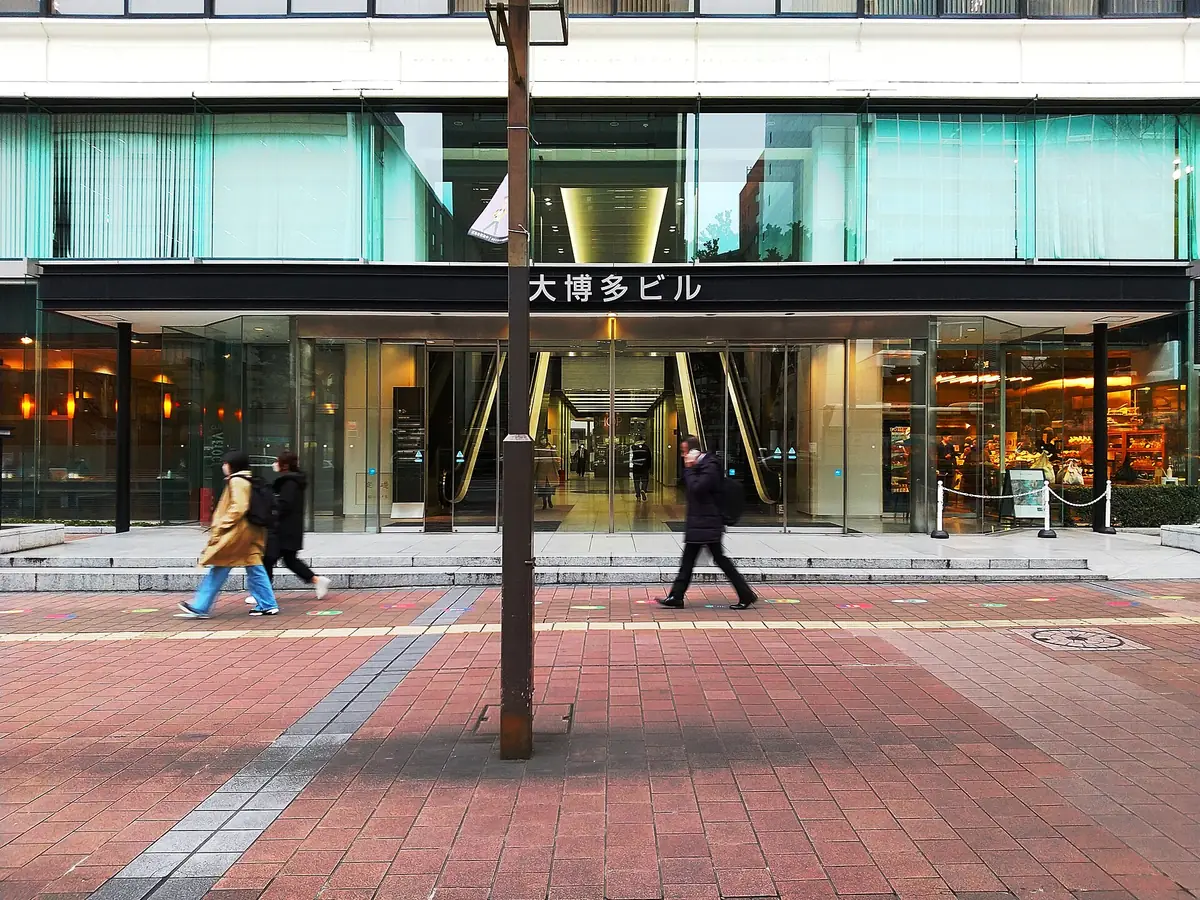
The smell of charcoal smoke hits you the moment you step off the subway at Nakasu-Kawabata. Beneath the glowing red lanterns of a curbside stall, the hiss of ramen broth bubbling in a heavy pot provides the only soundtrack for the evening. If you are only doing Tokyo, close this and read the Tokyo-only plan.
Fukuoka is worth the detour for travelers who want to trade temple-hopping anxiety for excellent street food and a slower pace.
In our experience, the local rhythm here rewards the visitor who stops trying to pack three shrines into every morning. You come here to eat, drink, and reset before heading back to your main route.
- You worry your trip is becoming just a list of train rides.
- You want a city where food is the primary attraction.
- You have 12 to 16 days in Japan total.
- You are tired of the crowds in Kyoto or Tokyo.
- You prefer local experiences over famous tourist landmarks.
Why Fukuoka is the best second city for first-timers
Unlike the sprawling metropolis of Tokyo, Fukuoka is a walkable, lifestyle-focused city where the local rule is to eat well and sleep late. It acts as a perfect buffer between the high-pressure sightseeing days you likely spent in the central regions of Japan.
1. The pace is human-sized
You can cross the main city center on foot in an hour or take a quick subway ride. This allows you to linger over breakfast or spend an entire afternoon in a park without feeling like you are missing out on a “top ten” sight. It is a genuine relief compared to the rush of major transit hubs.
2. The food is the main event
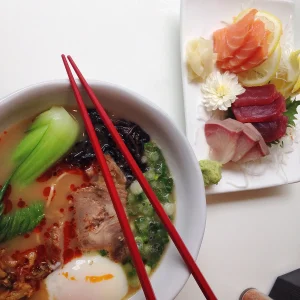
The city is famous for its tonkotsu ramen, which has a richer, creamier profile than what you find elsewhere. You do not need reservations at famous spots to eat well, as the neighborhood stalls provide enough variety for a week of dining. Check restaurant reviews on Google Maps before walking in.
Common mistakes when routing your first trip to Kyushu
Most travelers treat Fukuoka as an afterthought, squeezing it into a single night. This backfires because it forces you into a rushed transit schedule that leaves you exhausted rather than refreshed.
3. Trying to visit too many islands
Some people try to add Nagasaki, Beppu, and Kumamoto into a 48-hour window. This turns your trip into a blur of train windows and station platforms. Pick one base and do small day trips instead, using services like Klook to organize your local transit.
4. Underestimating the travel fatigue
If you have already spent a week in Tokyo and Kyoto, your feet are likely sore and your patience for crowds is low. Fukuoka offers a break from the pressure to hit every landmark, but only if you actually schedule downtime. Plan for a slow morning in Ohori Park with a coffee from a local cafe.
What most first-timers do
- Buy a nationwide JR Pass for everything
- Rush between three cities in two days
- Stay at a random hotel near the airport
- Ignore local food stalls as “unhygienic”
What actually works
- Buy individual tickets for the Sanyo line
- Stay 3 nights in one central base
- Book near Hakata Station for efficiency
- Eat at Yatai stalls as a main dinner
← Swipe to see the full table →
| Ticket Type | Estimated Price (Yen) |
|---|---|
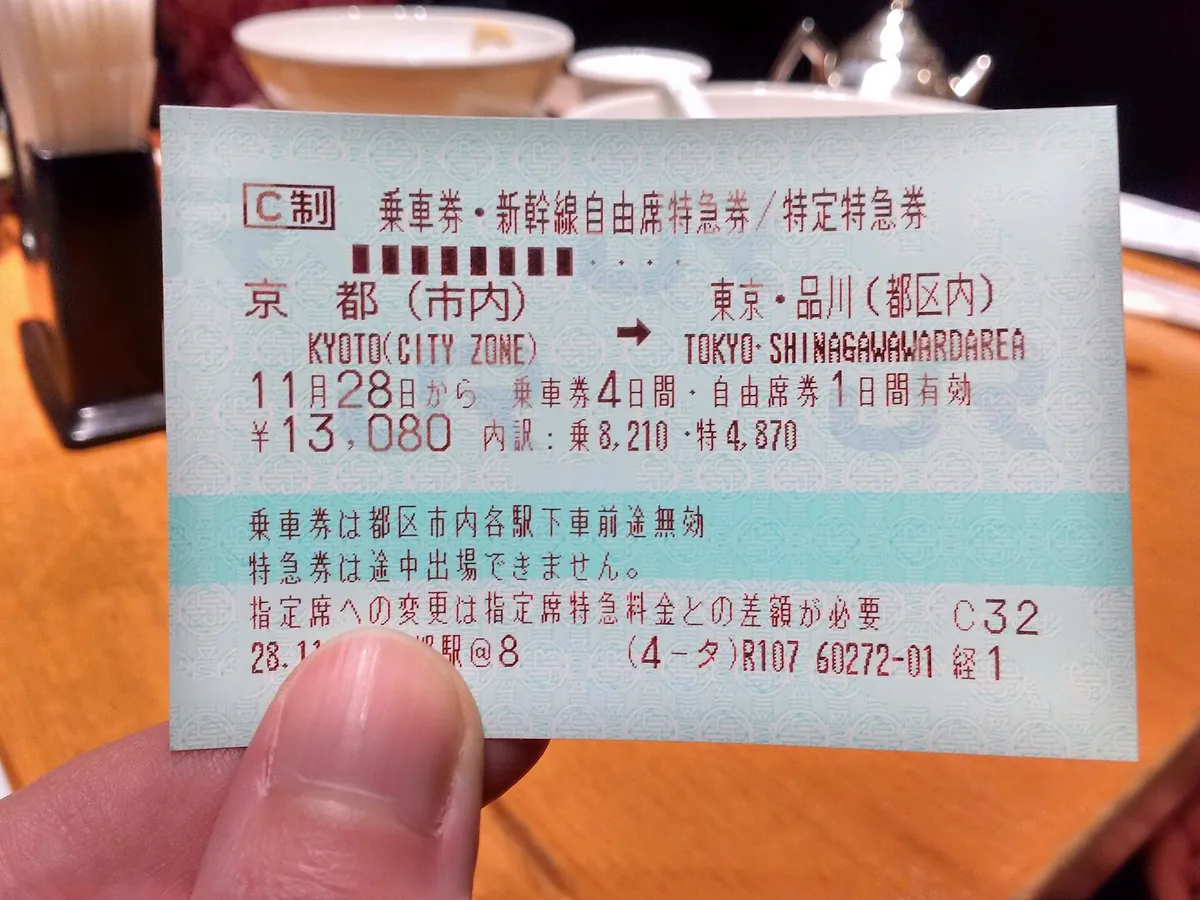
| One-way Sanyo Shinkansen | ¥10,000–¥16,000 |
| Subway/Bus (Daily) | ¥800–¥1,200 |
| Typical Yatai Meal | ¥1,500–¥3,000 |
Plan your trip: the tools we use
How to get to Fukuoka: flights vs. Shinkansen
If you are coming from Tokyo, domestic flights are often the smartest choice for both time and money. The flight time is roughly 90 minutes, and it avoids the four-plus hours spent on a train.
5. Booking a domestic flight
Airlines like JAL or ANA often offer “experience Japan” fares for international visitors. Check their websites directly or use platforms like Rakuten Travel to compare prices. You can save hours by flying into Fukuoka Airport, which is surprisingly located just a few stops by subway from the city center.
6. Riding the Shinkansen from Osaka or Hiroshima
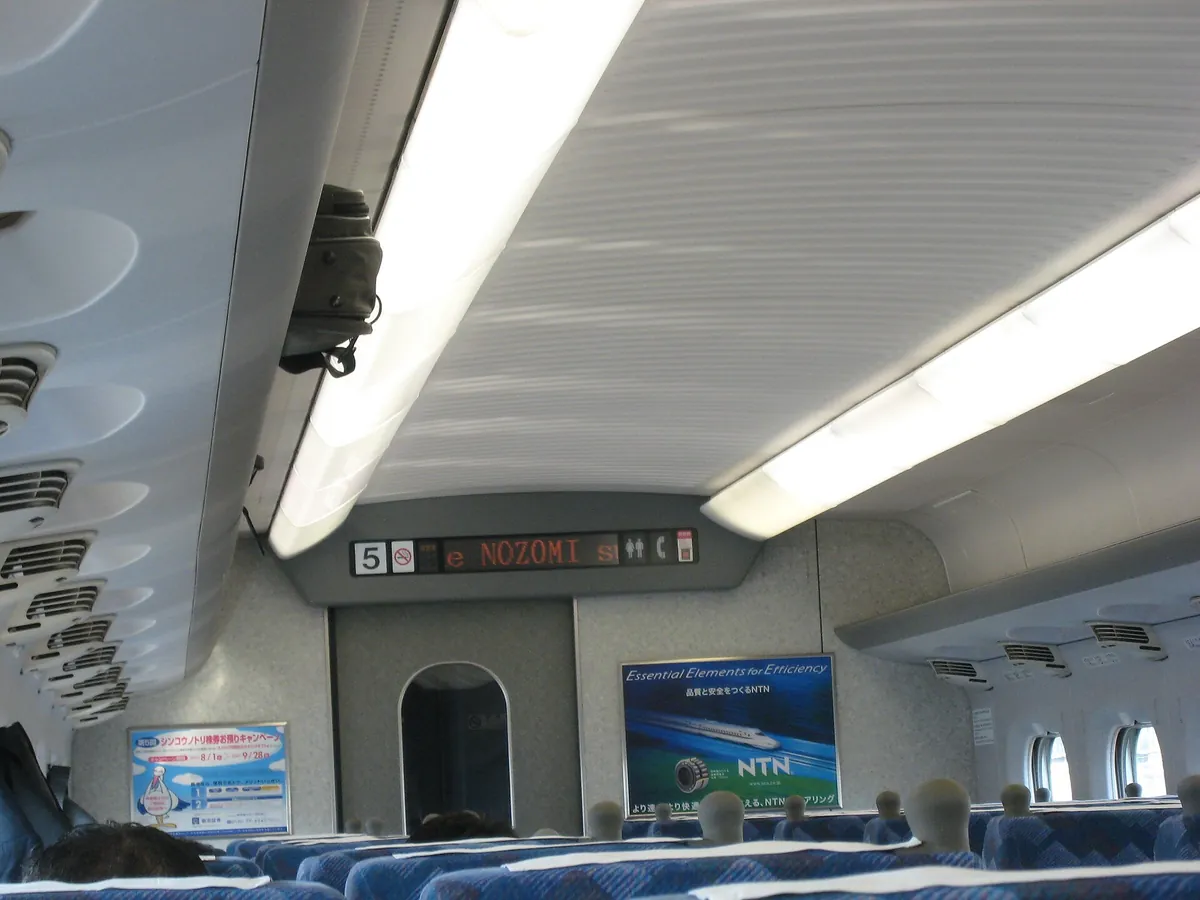
If you are already in western Japan, the train is efficient and comfortable. The Sanyo Shinkansen line is rarely as packed as the route into Tokyo, making it much easier to secure a seat without a month-long booking window.
- Shin-Osaka Station
- Sanyo Shinkansen · 2 h 30 min
- Hakata Station
- 10 min taxi to hotel
Fukuoka money matters: choosing the right transport pass
Buying a full-coverage JR Pass when you only travel from Osaka to Fukuoka is a financial mistake. In our experience, point-to-point tickets or a regional pass like the JR Sanyo-San’in Area Pass offer much better value.
7. Calculating individual fares
Add up your planned train rides before buying anything. If you are just doing a round trip between two cities, buying standard tickets at the station kiosk or through the SmartEX app is cheaper. Always confirm the current rates on the official Japan Rail website as of 2026.
8. Using digital payment cards
Get a digital IC card like Suica or Pasmo on your phone via Apple Wallet or Google Pay. It works for almost all local subways and buses in Fukuoka. It saves you from fiddling with paper tickets or coins at the gate, which is essential during peak morning hours.
Where we would book this
Booking.com
Largest inventory in Japan for English-speaking travellers
- Best for
- Hotels, business hotels, ryokan and apartments in every city
- Checked
- September 2026
Official site. Same price for you.
Where to stay: Hakata vs. Tenjin districts
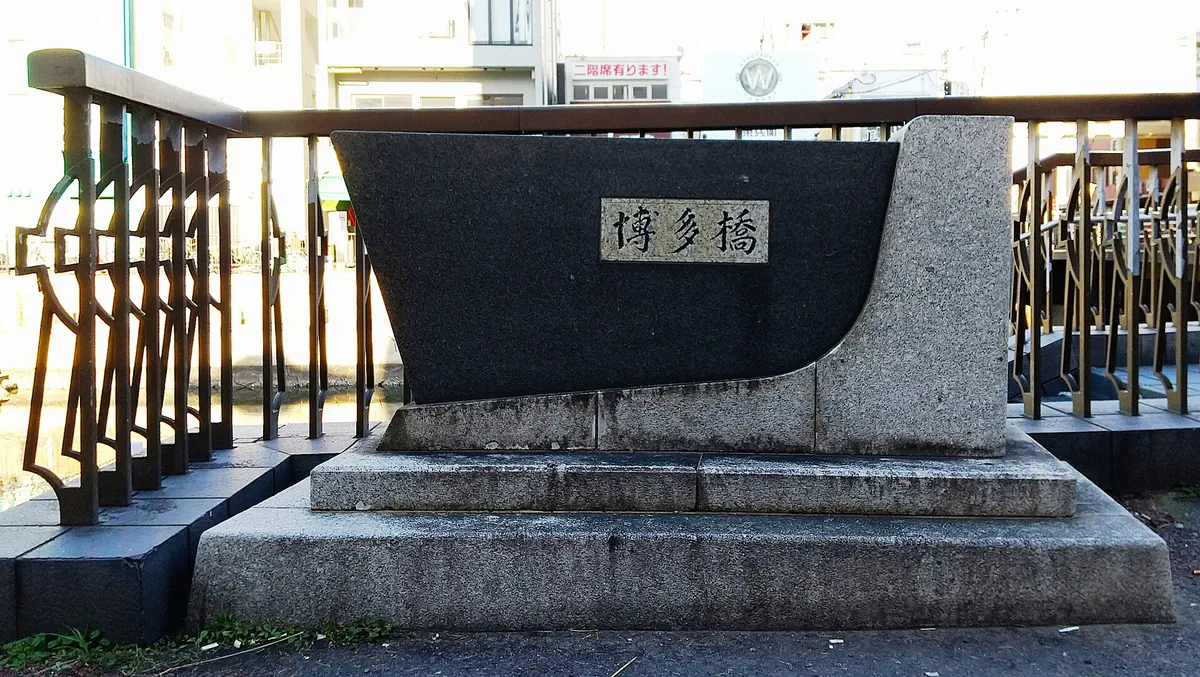
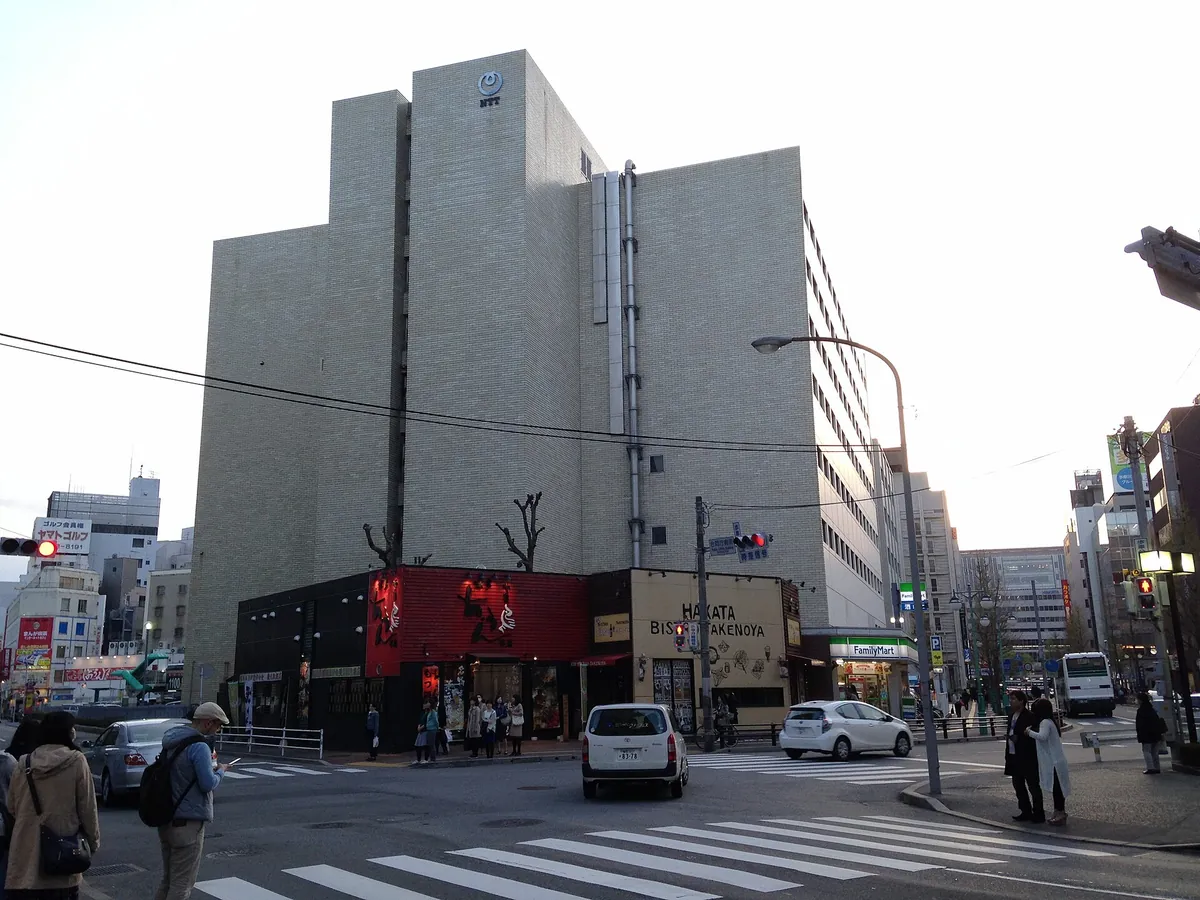
Your base determines how you experience the city. Hakata is for those who prioritize travel efficiency, while Tenjin is for those who want to be in the middle of the local lifestyle.
9. Choosing the Hakata district
This area is right next to the main Shinkansen station and the subway hub. It is the best choice if you plan to do day trips to places like Dazaifu or even further afield. You will find plenty of business hotels on Booking.com that offer clean, functional rooms for a mid-range budget.
10. Opting for the Tenjin district
Tenjin is the commercial, lifestyle-focused center of the city. It has more department stores, underground malls, and easy access to the nightlife areas. If your priority is evening dining and shopping, this is the better location. Check prices on Agoda for reliable options in this area.
Partner link.
Navigating Yatai culture without feeling like an outsider
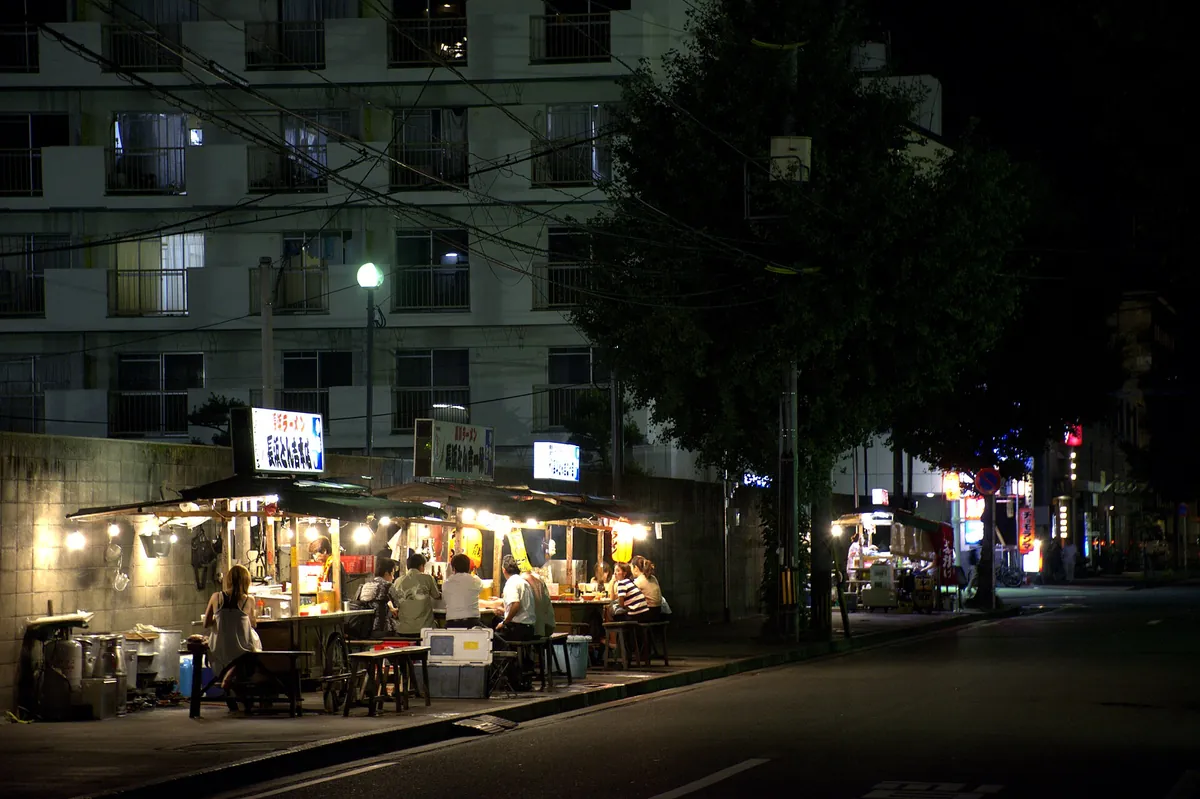
The open-air food stalls, known as Yatai, are iconic but can be intimidating for the first-time visitor. They look like temporary wooden shacks, but they are deeply rooted in local tradition.
11. Understanding the etiquette
You do not need to do anything complex. Walk up, ask if there is a seat, and order one drink and one food item. It is expected that you do not linger for hours if there is a queue behind you. Cash is the preferred payment method, so keep small yen notes ready.
12. Avoiding the “tourist traps”
Some stalls now cater primarily to tourists with high prices and lower-quality food. Look for the stalls where the locals are sitting and eating. If you see a menu with photos and English signage, it might be a more commercialized spot; follow the crowds of salarymen instead.
The 3-day rhythm: balancing city sights and day trips
Fukuoka is not a sightseeing list city, but you should still have a loose plan. Spend your first day getting your bearings in Hakata, the second exploring local parks, and the third on a day trip.
13. The Dazaifu day trip
Take the train to Dazaifu Tenmangu, a major shrine that is much less overwhelming than those in Kyoto. The walk to the shrine is lined with local snack shops selling warm mochi cakes. It is a perfect half-day trip that you can easily book on GetYourGuide if you want a guided experience.
14. Keeping the schedule loose
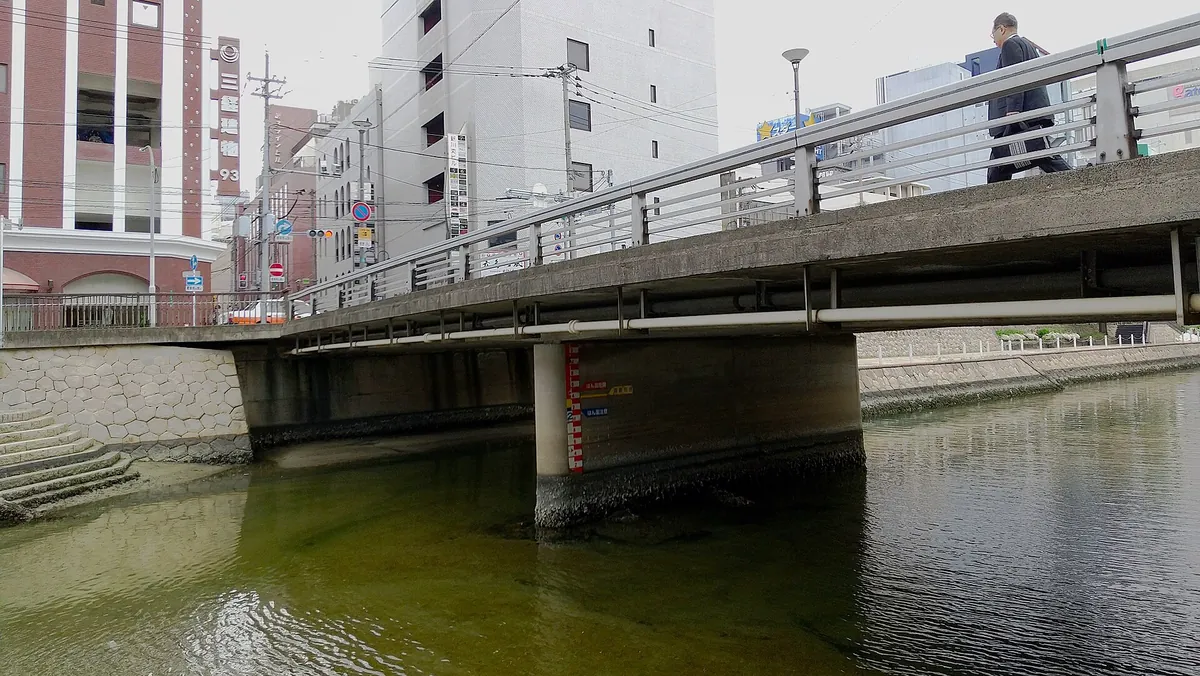
Do not feel bad about skipping a “famous” temple if you are having a good time at a local market. The beauty of this city is in the unplanned coffee stops and the walk through the canal area. If you find a place you like, stay for another hour.
Essential apps for Fukuoka’s bus-heavy transit system
While Google Maps works, it sometimes struggles with the exact timing of the extensive local bus network. Using local tools will save you from getting on the wrong bus in the middle of a hot afternoon.
15. Digital transit tools
Download an app like Ubigi or Airalo before you land to ensure you have consistent data. Having map access at all times is the only way to navigate the bus stops effectively. Do not rely on public Wi-Fi, as it is inconsistent in the older parts of the city.
16. The bus system rules
Remember that you usually enter through the middle door and exit at the front. Tap your IC card on the reader when you board and again when you get off. If you are confused, watch what the person in front of you does; it is the most reliable way to learn.
My personal Fukuoka strategy for 2026
My current approach is to treat Fukuoka as a place to stay put for at least three nights. I avoid trying to see too much of the rest of Kyushu and focus on becoming a “regular” at one or two ramen shops near my base.
Step 1: Book a central base
Pick a business hotel near Hakata Station to simplify your arrival and departures.
Step 2: Download a SIM
Set up an eSIM from Airalo to ensure you have maps for the bus lines.
Step 3: Find a local stall
Pick one Yatai stall on your first night and become a regular by visiting nightly.
That is the whole trick.
Mastering the first-day logistics: From airport to arrival
Landing in Fukuoka is remarkably efficient compared to the major Tokyo airports, but the transition from the runway to your hotel requires a clear plan. The biggest mistake is assuming you need a taxi to get to your accommodation.
The airport is located remarkably close to the city center, and the subway line connects the domestic terminal directly to Hakata Station in less than ten minutes. Avoid the temptation to queue for a taxi, which can cost between ¥1,500 and ¥2,500 depending on your exact hotel location.
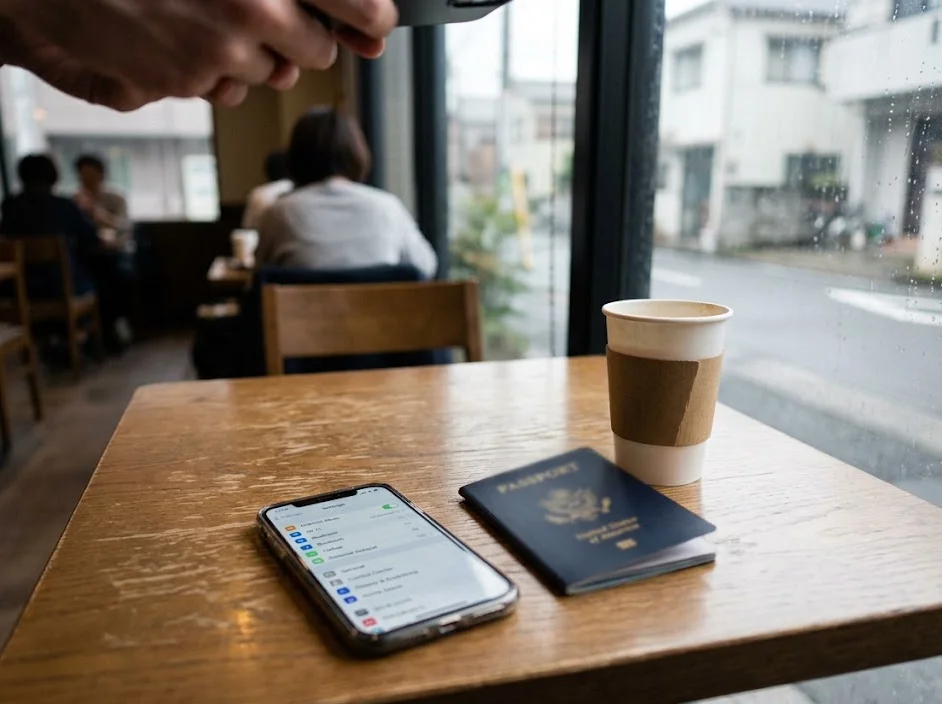
Your primary goal upon landing is securing local currency and transit credit. While Japan is becoming more card-friendly, local Yatai stalls and smaller neighborhood shrines often operate strictly on a cash-only basis.
Use the ATMs located inside the arrival hall to withdraw your initial ¥20,000 to ¥30,000 for your first few days of expenses. This ensures you are ready for small vendors immediately.
The arrival checklist
- Withdraw cash: Use the Seven Bank or Japan Post Bank ATMs inside the airport for the best exchange rates.
- Digital transit: Add your IC card to your Apple Wallet or Google Pay via the Suica or Pasmo app before you leave your home country.
- Data connection: Install an eSIM from Airalo or Ubigi while you still have your home internet, ensuring you have a map the moment you step outside.
- Luggage storage: Use the coin lockers at Hakata Station if you arrive before check-in, as most business hotels in Japan have strict rules regarding early drop-offs.
Once you tap your phone at the subway gate, you are essentially “live.” Do not attempt to buy a physical paper ticket unless your phone battery is dead.
The digital IC card is the standard for residents and visitors alike, and it works perfectly across the subway, the local bus network, and even at most vending machines and convenience stores. If you have a large suitcase, avoid traveling during the peak morning or evening commute hours.
 ReaderYuki
Social etiquette that keeps you out of trouble
Blogs often exaggerate the complexities of Japanese culture, leading travelers to worry about minor gestures. In reality, the people of Fukuoka are generally quite relaxed, provided you respect basic shared space and noise levels.
The most important rule in Fukuoka is not about bowing or complex phrases; it is about managing your volume and physical space. You will notice that locals speak in hushed tones on public transport and keep their phone conversations private or non-existent while on the subway.
Cultural cues to observe
- Walking while eating: This is generally frowned upon in Japan. If you buy a snack from a street vendor, stand near the stall or find a nearby bench to finish it.
- Escalator standing: In Fukuoka, stand on the left side of the escalator and leave the right side open for those in a hurry.
- Trash management: You will notice a lack of public trash cans. Carry a small plastic bag in your day pack to store your trash until you return to your hotel or find a bin at a convenience store.
- Queueing: When waiting for a bus or a popular ramen shop, follow the physical line precisely. Cutting in line is one of the few social infractions that will draw immediate and justified annoyance from locals.
When you sit down at a Yatai or a small izakaya, the “oshibori”—the wet towel provided to you—is strictly for your hands, not for cleaning your face or the table. It is a small detail, but using it correctly shows that you are observant of local habits.
Finally, do not over-apologize. A simple “sumimasen” (excuse me) is sufficient if you accidentally bump into someone or need to get a server’s attention.
Excessive bowing or repeated apologies can actually make locals feel uncomfortable, as they may feel the need to apologize back to you. Keep your interactions brief, polite, and functional, and you will find the city to be exceptionally welcoming to first-timers.
FAQ
QIs three days enough for Fukuoka?
Three days is perfect. It gives you time to see the main city sights and take one day trip without feeling like you are constantly packing and unpacking your bag.
QShould I buy the JR Kyushu Pass?
Only if you plan on visiting other cities like Kumamoto or Beppu. If you are staying in the city or just visiting Dazaifu, it is almost certainly a waste of money.
QDo I need to speak Japanese at the Yatai?
Not at all. A simple “sumimasen” to get attention and pointing at the menu is perfectly acceptable. Most owners are used to visitors and will be happy to serve you.
QAre there many English-speaking locals?
In the main hotels and shopping areas, you will find English speakers, but at local food stalls, it is limited. Use a translation app for complex requests.
QWhat is the best way to get around the city?
The subway is the fastest, but the bus network is the most comprehensive. Stick to these two methods rather than taxis.
QIs it expensive to eat out every night?
Eating at Yatai stalls or local ramen shops is very affordable. You can easily have a high-quality dinner for under 2,000 yen.
QIs the airport really that close to downtown?
Yes, it is one of the most accessible airports in the world. It takes about 10 minutes by subway to reach the central Hakata district.
Planning a trip to a second-tier city often feels like you are taking a risk with your limited vacation time.
Stop re-reading blogs to find the “perfect” spot, lock in the transport and a central hotel, and leave room for the city to surprise you.
Keep planning
- ① Install and test your eSIM before take-offAiralo and Ubigi eSIMs activate on arrival, but the install itself needs Wi-Fi. Do it at home and confirm the profile shows up in your phone settings.
- ② Save your first hotel’s address in JapaneseTaxi drivers and station staff read Japanese addresses far faster than romanised ones. Copy it from the booking confirmation into your notes app.
- ③ Set aside cash for day oneMany small restaurants, temples and rural buses are still cash-only. Airport ATMs at 7-Eleven and the post office accept most foreign cards.
Skip these and your first hour in Japan goes on finding Wi-Fi at the station instead of getting to your hotel.
🔍 How to sanity-check any price you read online
Blogs (including this one) go out of date. The official page always wins over a screenshot from two years ago.