
- Four days centered in Shinjuku to minimize transit stress.
- Prioritizes local neighborhood parks over crowded tourist hubs.
- Combines major sights with daily sensory buffer zones.
- Uses a mix of public transport and short, tactical taxi hops.
- Time needed
- 4 days
- Typical cost
- ¥120,000–180,000 per family
- Base
- Shinjuku
- Booking
- Hotels and train tickets
- Best season
- April or November
Some links are affiliate links (marked “Partner link”). Prices are ranges checked in 2026; confirm on the official site before you book.
Four days in Tokyo with children requires exactly three rules: avoid peak-hour trains, keep one afternoon for free-play, and always identify the nearest bathroom before entering a shrine.
I have learned that the hard way after dragging a tired seven-year-old through a crowded subway exit at rush hour, only to realize the closest park was three kilometers away.
This plan focuses on a “hub-and-spoke” model where you sleep in one spot, Shinjuku, and treat each day as a manageable mission.
By limiting your movement to one district per day, you bypass the “commuter fatigue” that kills family morale. Your primary goal is to return to the hotel by sunset, keeping the evenings predictable and calm.
Four-Day Tokyo Itinerary for Families
To pull this off, you need to accept that you will not see every famous temple or skyscraper. This itinerary treats Tokyo as a collection of villages rather than one giant city.
By staying in a neighborhood with direct train lines, you save hours of travel time that can be better spent letting your kids run loose in a local park.
The flow of this trip is designed to alternate between high-stimulation sightseeing and low-key neighborhood exploration. If you try to pack the Tokyo Tower, the Fish Market, and the Imperial Palace into one day, you will be met with resistance.
Stick to the planned rhythm, and you will find that the city starts to feel manageable.
Essential Daily Habits
- Check for restrooms before leaving any station.
- Carry a spare bottle of water and light snacks.
- Use the “one-major-sight” rule per day.
Day 1: Arrival and Shinjuku exploration
Check in and explore Gyoen National Garden for space to breathe.
Day 2: Shibuya and Harajuku
Navigate the crossing and find the quiet paths of Meiji Jingu.
Day 3: Ueno culture and play
Museums in the morning, zoo or park play in the afternoon.
Day 4: Odaiba and the bay
Interconnected science museums and waterfront strolling.
Logistics and Essential Bookings
Planning for a family in Japan is not about booking everything; it is about booking the right things. You do not need to reserve a table for every meal, but you do need to secure your base and your transport connections before you step off the plane.
Without these in place, you are just adding friction to an already busy schedule.
Must-Have Logistics
- Book a family-sized room on Booking.com or Agoda.
- Order an eSIM from Airalo or Ubigi for every adult.
- Look up train routes on Google Maps.
- Buy or reserve tickets for the Ghibli Museum on Klook.
- Schedule luggage forwarding via Yamato for your arrival.
- Download a taxi app like Go for emergency fatigue.
Always verify your hotel location is within a five-minute walk of a station. If you have a stroller, confirm that the station has an elevator. I once stayed at a “near-station” hotel only to find the closest elevator was a ten-minute detour, turning a simple trip into an ordeal.
Day 1: Shinjuku Arrival
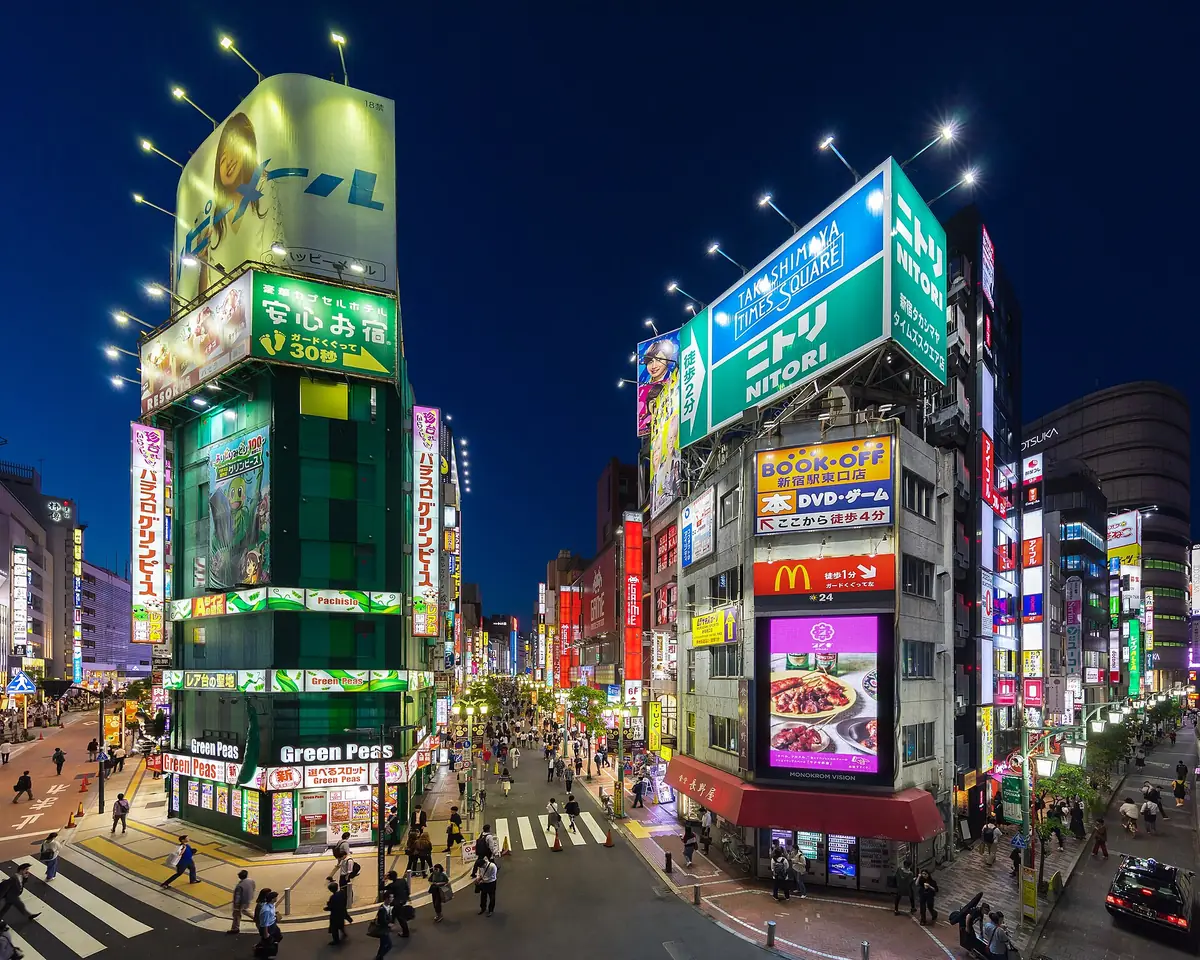
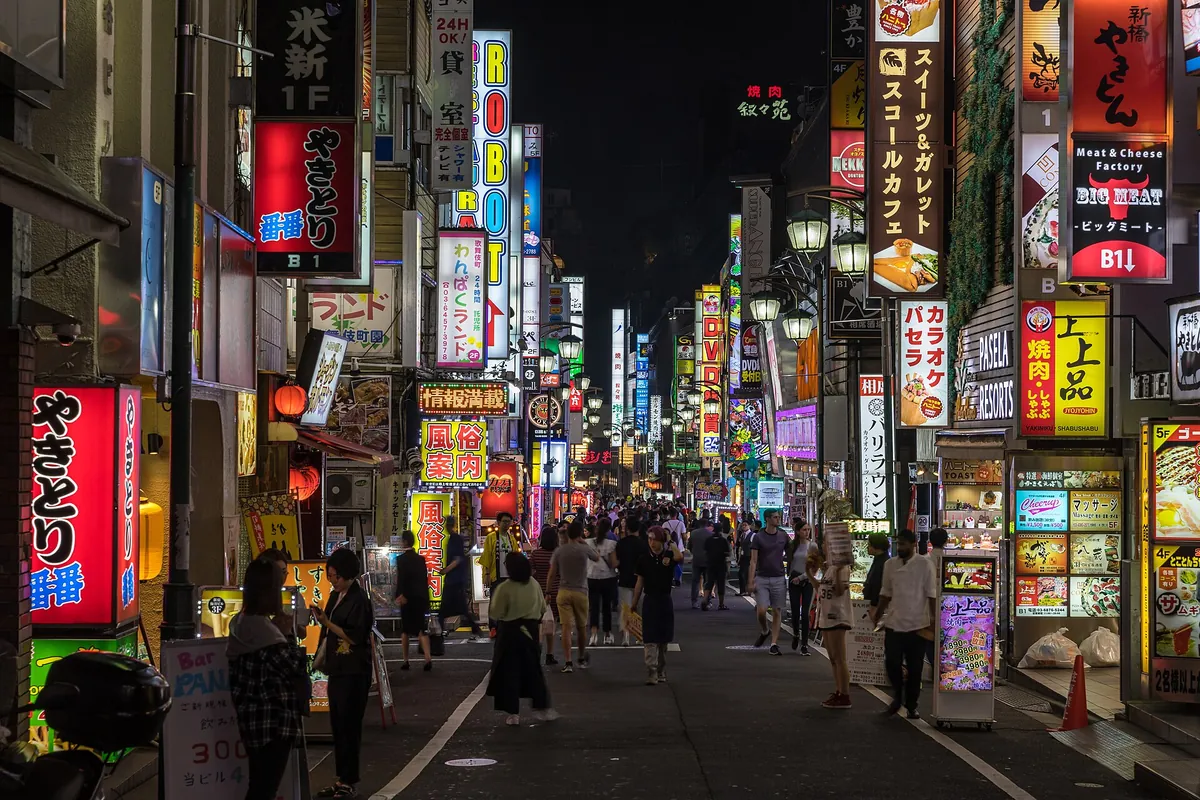
Start your trip by staying close to your base in Shinjuku. It is loud and bright, but it is also the easiest place to find food and supplies when you are exhausted from your flight.
Use the morning to find the local convenience stores—my kids always want to inspect the snack aisles first.
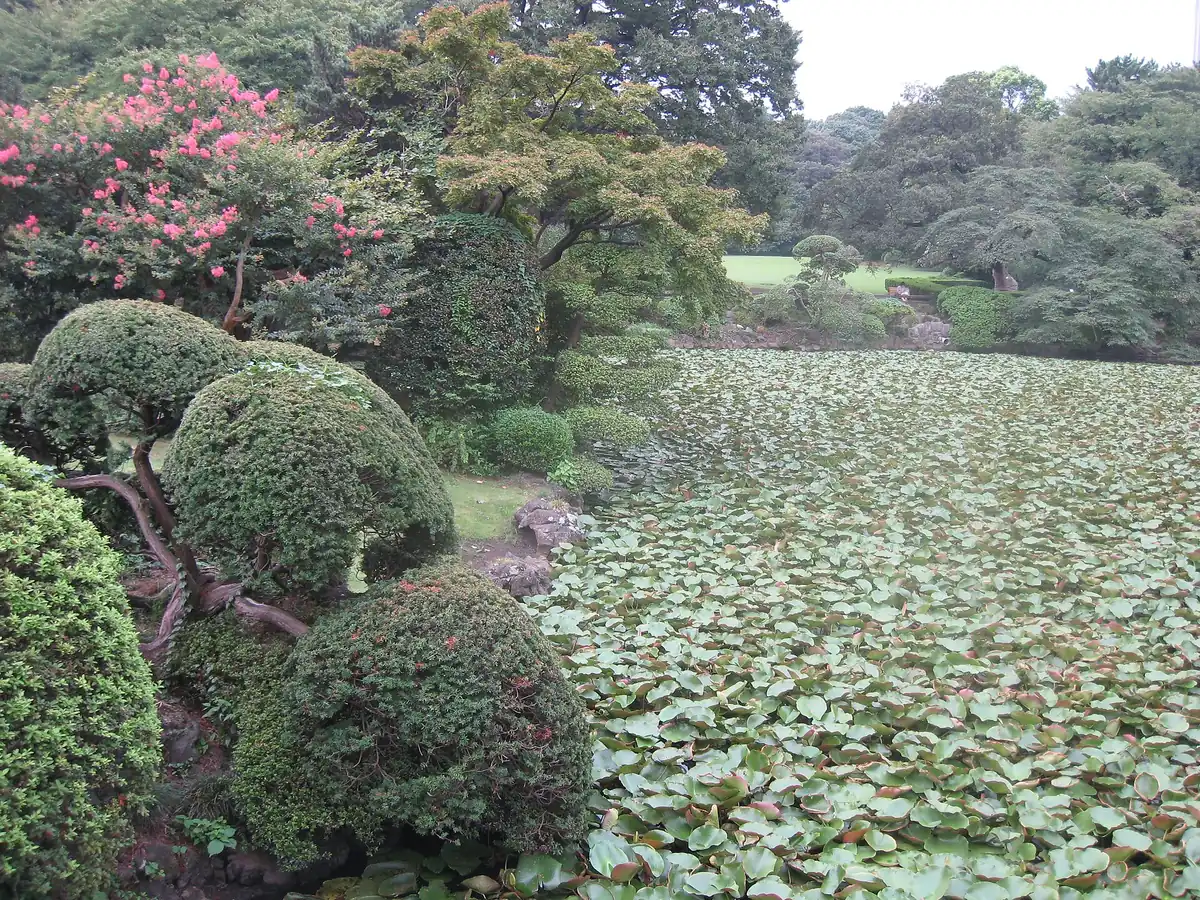
In the afternoon, escape the concrete by heading to Shinjuku Gyoen National Garden. It is a massive green space that costs roughly ¥500 per adult and is completely free for young children.
Let them run on the grass while you sit on a bench and process the jet lag. It is the best buffer zone in the city.
For dinner, avoid the crowded department store food halls. Instead, look for a standard chain restaurant in the hotel district where you can order via a tablet.
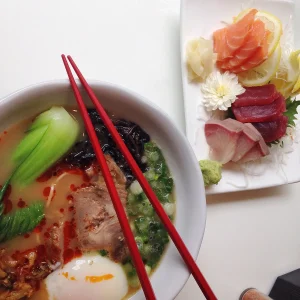
It reduces language stress and keeps the kids engaged while they wait for their ramen or katsu. Expect to pay ¥1,000–2,000 per person.
Day 2: Shibuya and Harajuku
Head to Shibuya Station in the morning, but ignore the urge to spend hours at the crossing.
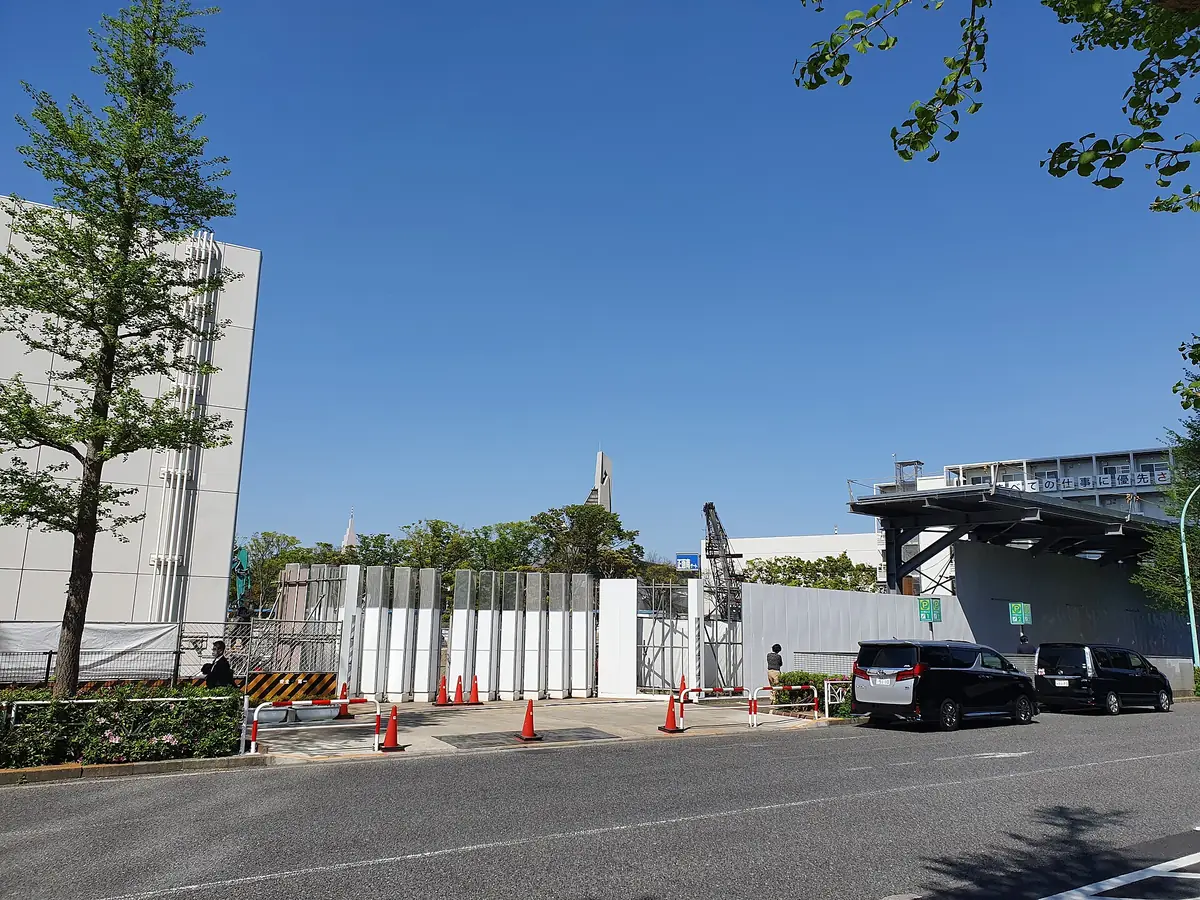
Instead, walk fifteen minutes toward the Meiji Jingu shrine entrance. The long, forested path leading to the shrine is perfect for kids to walk off their energy before they have to be quiet and respectful near the sacred buildings.
After the shrine, stroll toward Harajuku. The main street is packed, so dip into the smaller side streets like Takeshita-dori if you can handle the crowds, or retreat to the nearby Togo Shrine area.
It is much quieter and offers a great contrast to the chaos of the teen-fashion shops.
Stop for lunch at a crepe stand or a casual cafe. If the kids are reaching their limit, do not push on to the next attraction. Return to the hotel for a two-hour recharge.
Using a taxi back to Shinjuku will cost you roughly ¥3,000–4,000, but it saves your evening and prevents a total meltdown.
Day 3: Ueno Culture
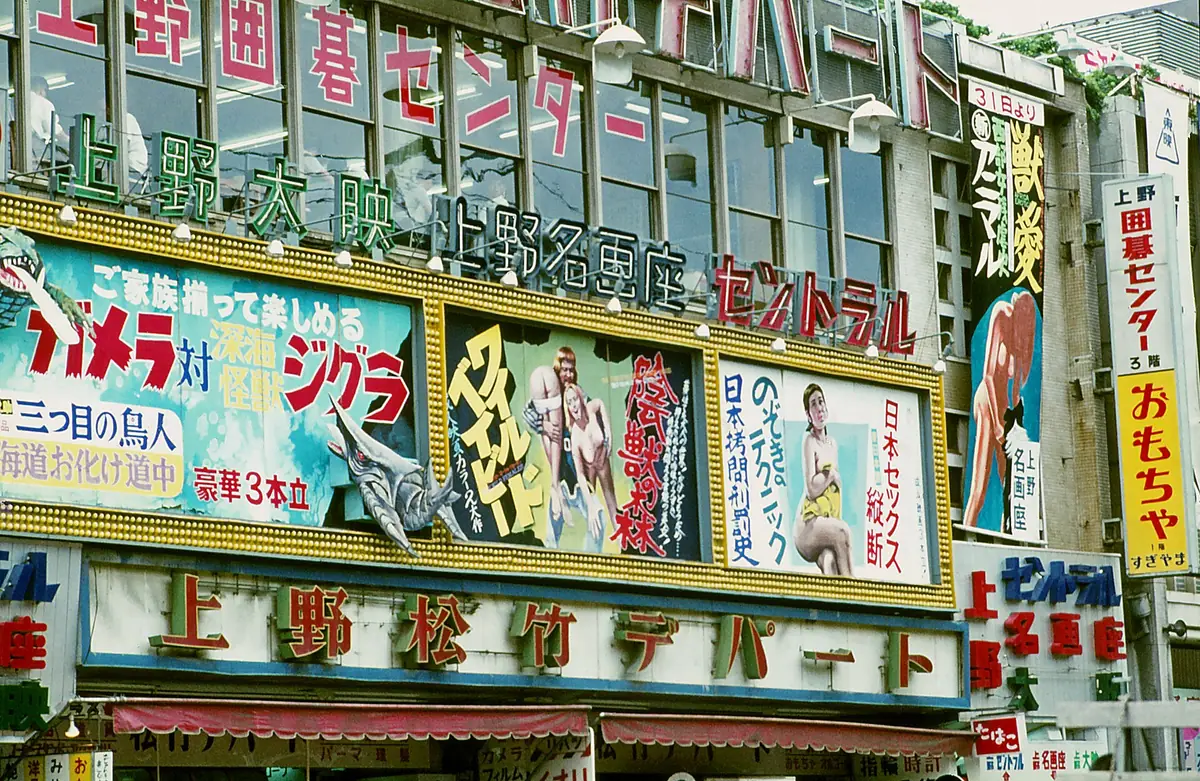
Take the Yamanote line to Ueno Station. This is your “culture” day, but keep it loose. Ueno Park contains the Tokyo National Museum and the Ueno Zoo.
I suggest picking one, not both. If the kids are young, the zoo is a hit; if they are school-aged, the museum’s samurai armor usually wins.
Lunch in Ueno can be a picnic. Buy bento boxes at the train station before you enter the park and find a spot under the trees.
It is a classic local way to eat and saves you from the expensive, overcrowded tourist restaurants lining the park perimeter. You will spend roughly ¥800–1,200 per box.
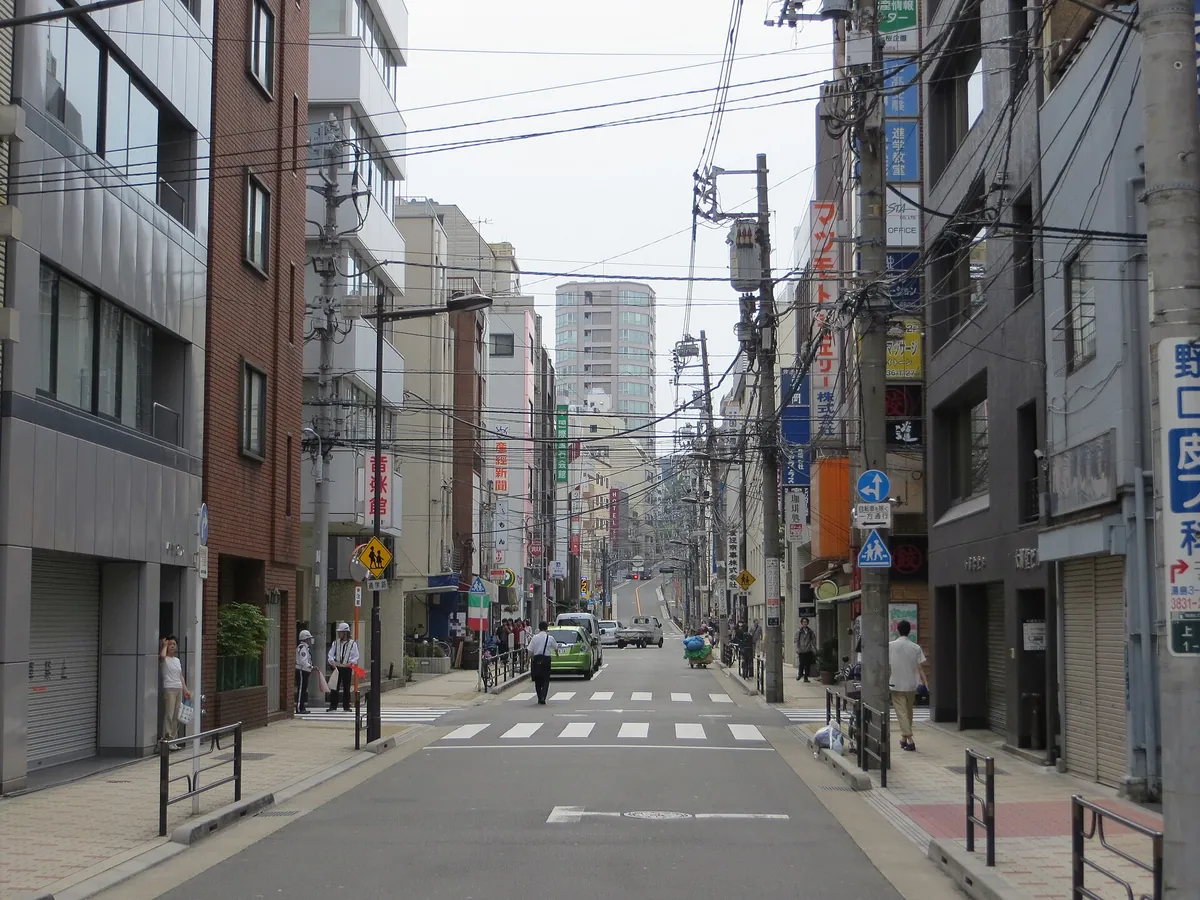
In the afternoon, if you have energy, walk through the Ameyoko market area. It is a sensory explosion, but stay on the main paths.
If it rains, skip the market and duck into the Ueno Royal Museum or one of the many cafes near the station entrance.
Where we would book this
Booking.com
Largest inventory in Japan for English-speaking travellers
- Best for
- Hotels, business hotels, ryokan and apartments in every city
- Checked
- September 2026
Official site. Same price for you.
Day 4: Odaiba Waterfront
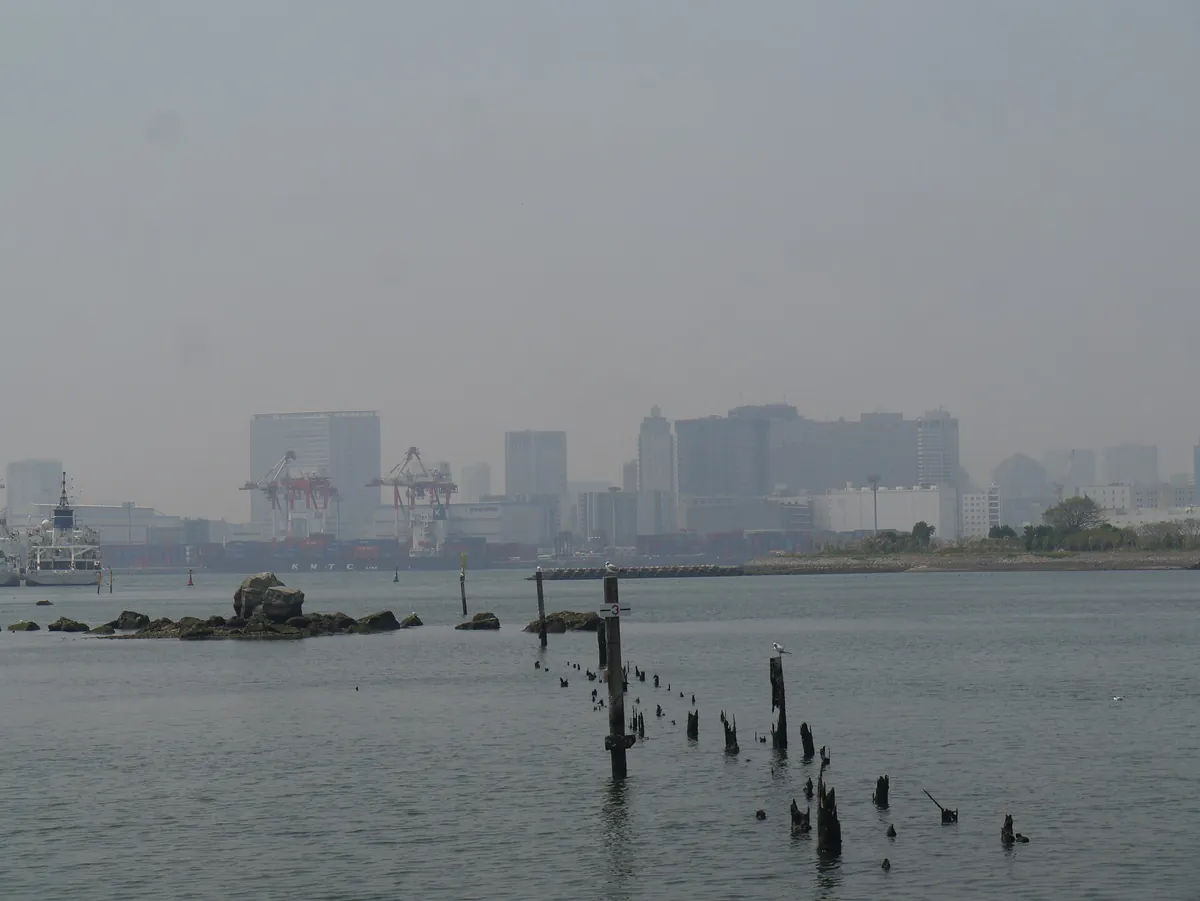
Finish your trip on the man-made islands of Odaiba. Take the Yurikamome line, which is an elevated, automated train that offers front-row views of the Tokyo skyline.
Sit in the front car; for a kid, this is often the highlight of the entire trip, and it costs the same as a normal train ride.
Once you arrive, explore the Miraikan (National Museum of Emerging Science and Innovation). It is highly interactive and much better for kids than the static art museums in the city center.
Expect to spend ¥600–1,000 per person, and be sure to check their official site for temporary closing dates.
Finish your final afternoon at the Odaiba waterfront park. You can see the Rainbow Bridge and a miniature Statue of Liberty.
It is a relaxed space to wind down before your flight out. If you have extra time, head to the nearby Toyosu market to see where the sushi fish is sold, though go early if you want to see the action.
Where to Base Your Family
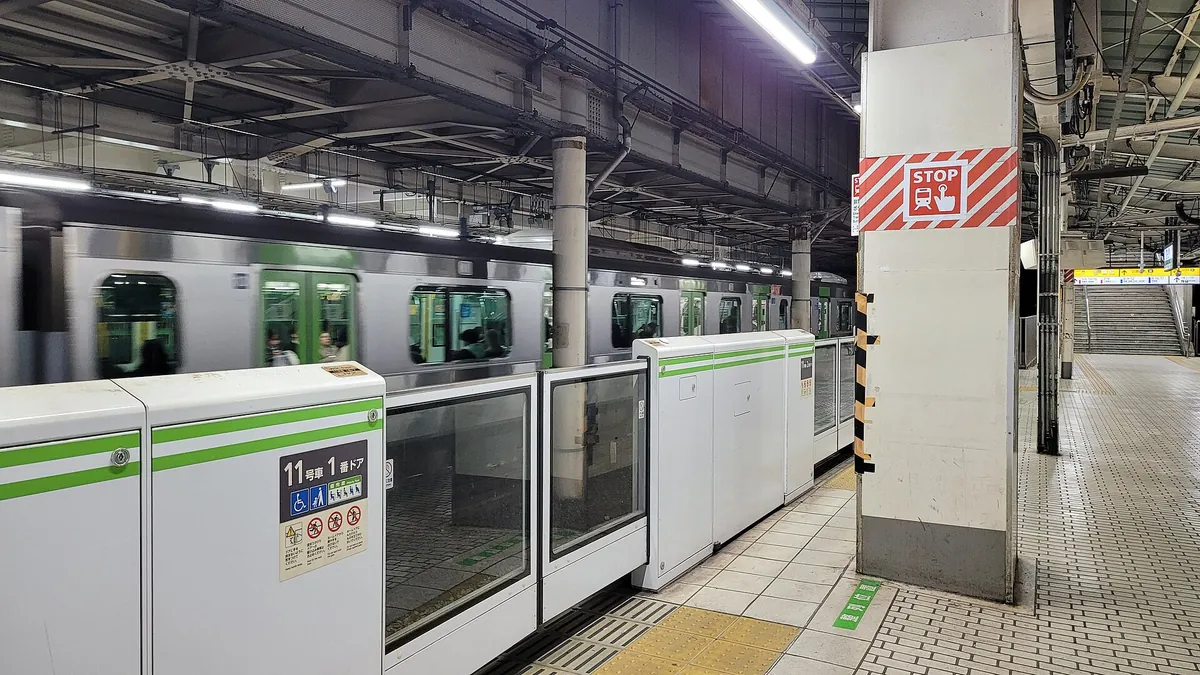
I always recommend base-camping in Shinjuku or around Tokyo Station. Shinjuku is the king of logistics; it has the best connections to the airport and the major subway lines.
Business hotels here, like the branches found on Booking.com, are compact but clean and highly efficient.
Expect to pay anywhere from ¥15,000 to ¥30,000 a night for a family room, depending on the season. If you prefer more space, look for “apart-hotels” that offer a small kitchenette.
Having a microwave and a fridge to store milk or leftovers is a lifesaver when you are traveling with children who get hungry at odd hours.
Partner link.
Budgeting for a Tokyo Family Trip
Traveling as a family requires a different budget than a solo trip. You will likely rely more on taxis and convenience store snacks than the budget-traveler “ramen every meal” approach.
Prices below are estimates per family for four days of moderate spending.
| Category | Budget Estimate |
|---|---|
| Hotels | ¥80,000–120,000 |
| Transport | ¥10,000–15,000 |
| Food/Misc | ¥30,000–50,000 |
Plan your trip: the tools we use
Remember that this total does not include flights or international travel insurance.
Whether a rail pass or a transit card like Suica or Pasmo is cheaper depends entirely on your daily usage. For this four-day plan, using a simple IC card with a balance you top up at the station is much easier than calculating if a pass pays off.
Tips for Smooth Family Travel
First, use Yamato Transport for your luggage. If you are moving between Tokyo and another city, do not drag suitcases on the train.
You can book this through your hotel front desk for roughly ¥2,000–3,000 per bag. It arrives the next day, and it is the single most effective way to keep your family transit stress low.
Second, get an eSIM. I use Airalo or Ubigi because they work the moment you land. Having constant data allows you to check train times or look up the closest “family-friendly” restaurant on the fly.
You do not want to be standing in the middle of a station trying to find a public Wi-Fi hotspot.
If your child is under six, they often ride the trains for free, but they still need to sit on your lap during crowded periods.
Lastly, keep a stash of coins. Even in 2026, many small ticket machines, lockers, and gachapon toy machines only take coins.
If you find yourself with too many, use them to pay for the kid’s snacks at the convenience store. It is a great way to teach children about the local currency while thinning out your wallet.
Adjusting When Things Go Wrong
There is a high probability that your carefully crafted four-day plan will collapse on the first morning.
I have stood in a hotel lobby with a toddler screaming at 4:00 AM while the rest of the city slept, and I can tell you that the pressure to stick to an itinerary is your biggest enemy.
When your child hits a wall, the most important skill is knowing exactly what to cut to keep the day functional.
If you find yourself losing half a day to exhaustion, prioritize the outdoor parks over indoor museums.
Museums require focus, indoor voices, and long walks through climate-controlled halls that often feel suffocating to a tired child. A park, by contrast, requires nothing more than your physical presence while they run off the remaining adrenaline.
The Hierarchy of Cuts
- Day 1: Cut the visit to Shinjuku Gyoen. Keep the walk to the convenience store and skip the sightseeing.
- Day 2: Skip the Harajuku side streets. Stay in the forested area of Meiji Jingu.
- Day 3: Drop the museum entirely. Stick to the Ueno Park fountain area.
- Day 4: Abandon the Miraikan science museum. Stay at the Odaiba beach park.
Always have a backup hotel lounge or lobby cafe identified on your map. Sometimes, the best activity is simply sitting in a semi-public space with an iPad or a coloring book for two hours while you wait for the child’s internal clock to adjust.
You are not failing your trip by doing this; you are ensuring that the next day actually happens.
If you lose an entire afternoon, do not try to double up on the following day. Tokyo is relentless, and attempting to cram two days of transit into one will only lead to a domino effect of bad moods.
Accept the loss of the ticket cost, find a nearby park, and focus on maintaining your own sanity.
Day Trips to Kamakura
If your family finds the pace of central Tokyo too intense, you should swap your third or fourth day for a quiet trip to the coast.
Kamakura is often called the Kyoto of eastern Japan, but for families, it is simply a place with wide, manageable streets and easy-to-navigate train connections.
The journey takes about an hour via the Shonan-Shinjuku Line. It is a direct route, meaning you do not need to deal with confusing transfers.
The ride itself is part of the experience, as the train eventually hugs the coastline, offering beautiful views of the Pacific Ocean that will distract even the most restless child.
Essential Kamakura Logistics
- Arrival: Take the train to Kamakura Station and walk directly to the Tsurugaoka Hachimangu Shrine.
- Transit: Use the Enoden, a charming, vintage-style tram that runs through narrow alleys and coastal neighborhoods.
- Activity: Visit the Great Buddha at Kotoku-in; it is outdoors, free-roaming, and takes less than thirty minutes to explore properly.
- Beach time: Walk to the Shichirigahama coastline to let the kids collect shells or watch the local surfers.
Expect to spend roughly ¥3,000–5,000 per person for the round trip and light snacks. You can purchase your local train tickets at the station kiosks using a Suica or Pasmo card, which makes the process seamless.
Check the official site for the train schedule to ensure you are not caught in the late afternoon rush back to Shinjuku.
Avoid the temptation to visit every temple in the area. Most young children will find the third temple indistinguishable from the first.
Instead, focus on the contrast between the dense, forested shrine paths and the open sea air. A day by the coast provides a necessary psychological break from the vertical intensity of Tokyo.
Handling Rainy Days
Tokyo weather is notoriously fickle, and a sudden downpour can quickly turn a walk through Ueno Park into a miserable slog. When the forecast shows rain, you do not need to cancel your plans; you simply need to shift your movement to the city’s vast network of underground malls and indoor multi-level complexes.
Many travelers forget that Shinjuku and Shibuya are connected by sprawling subterranean labyrinths that link department stores, train platforms, and food courts. You can spend an entire day moving between these spaces without ever needing an umbrella.
If you are stuck inside with restless children, prioritize the large department stores like Takashimaya or Keio in Shinjuku.
These buildings are designed for families and often feature entire floors dedicated to toys, children’s clothing, and massive food halls known as depachika.
You can easily spend two hours browsing the seasonal displays, testing out the latest Japanese stationery, and sampling local sweets in a climate-controlled environment.
Indoor arcades are another secret weapon for a rainy afternoon. Look for branches of Taito Station or Round1, which offer more than just claw machines.
Many have dedicated family zones with soft play areas, photo booths, and rhythm games that are perfectly acceptable for younger kids in small doses.
Indoor Tokyo Recommendations
- Explore the Sunshine City complex in Ikebukuro for an indoor aquarium and planetarium.
- Head to the teamLab Borderless digital art space, which provides a completely immersive, weather-proof sensory environment.
- Utilize the free museum pass apps to check if local galleries are offering indoor craft workshops for families.
If you prefer to keep your budget in check, stick to the large shopping centers that offer free play areas or indoor observation decks.
For instance, the Tokyo Metropolitan Government Building in Shinjuku offers free, high-altitude views of the city that remain accessible even when the weather turns grey. Admission is free, though you should check the official site for potential capacity restrictions during peak rain periods.
Remember that Japanese retailers are masters of indoor service. If you are truly caught in a storm, almost every hotel lobby or train station convenience store sells durable, inexpensive clear umbrellas for roughly 500 to 1,000 yen.
Do not let the rain dictate your mood; simply treat it as an excuse to discover the vertical, indoor side of Tokyo that most tourists skip.
Strategic Booking Sequences
The sequence in which you secure your reservations determines whether your trip feels like a streamlined vacation or a logistical nightmare.
Start by locking in your accommodation at least three months in advance, especially if you are aiming for family-friendly options near major transport hubs.
Use platforms like Booking.com or Agoda to filter for rooms that specifically allow children, as many Japanese business hotels have strict occupancy rules regarding extra beds.
Once your base in Shinjuku is secured, shift your attention to high-demand tickets that sell out weeks in advance.
The Ghibli Museum and certain interactive teamLab exhibitions often reach capacity long before your departure date. Use Klook or GetYourGuide to track ticket release dates, as booking these through official channels early saves you the stress of finding alternatives last-minute.
Avoid the trap of buying a JR Pass for a Tokyo-only itinerary. The pass is primarily designed for high-speed travel between cities and rarely provides value for a stay strictly within the capital.
Instead, focus your budget on a reliable mobile data plan. Purchasing an eSIM through Airalo or Ubigi before you leave home ensures that you have navigation and translation tools the moment you exit the airport terminal.
The Ideal Booking Order for Families
- Secure your hotel room immediately upon finalizing your flight dates.
- Purchase or reserve entry for high-demand, time-slotted attractions like museums or theme parks.
- Arrange for a luggage forwarding service if you are planning to travel between cities.
- Finalize your local connectivity via eSIM to ensure real-time train updates.
If you are traveling with significant luggage, book your airport shuttle or limousine bus seats online if possible, or identify the exact platform for the Narita Express.
Attempting to figure out platform locations while managing tired children and heavy bags is a common source of friction. By treating your bookings as a phased operation, you minimize the amount of decision-making required while you are actually on the ground.
Keep your budget estimates realistic by checking the official site for each major attraction, as prices can fluctuate seasonally. Always keep digital copies of your confirmation vouchers on your phone, as some venues may require a printed QR code or a specific app-based ticket.
Investing this time into your pre-trip logistics allows you to focus on the experience rather than the coordination during your short four-day stay.
FAQ
QDo I need an IC card like Suica for my kids?
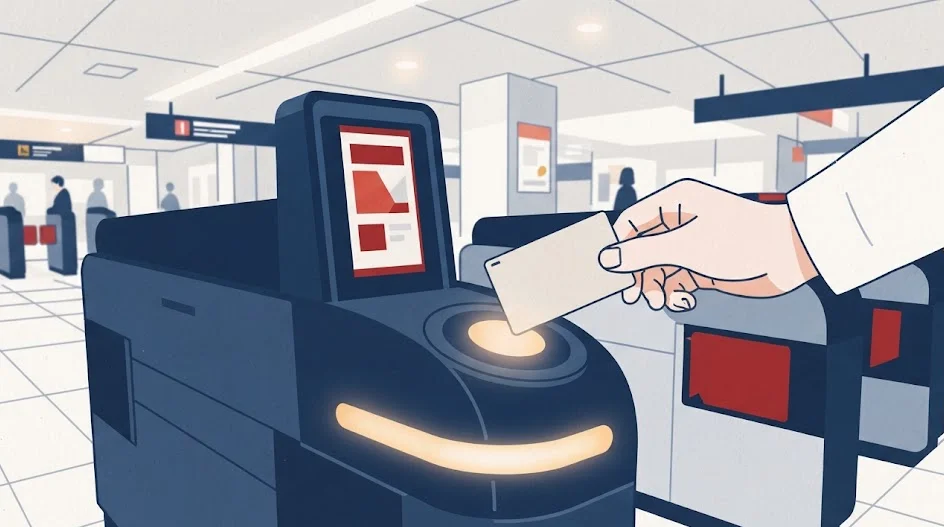
Yes, having an individual IC card for every family member speeds up turnstile entry significantly and avoids purchasing individual paper tickets for every single train ride.
QAre strollers practical in Tokyo?
Compact, lightweight strollers are essential for naps on the go, but ensure they are small enough to navigate crowded elevators and subway cars during off-peak hours.
QWhere can I find baby formula or diapers?
Convenience stores carry emergency supplies, but dedicated drugstores like Matsumoto Kiyoshi offer a much larger selection of diapers, wipes, and infant snacks.
QAre there kid-friendly meals besides ramen?
Yes, look for “family restaurants” like Gusto or Denny’s, which offer diverse menus, kid-friendly seating, and tablet-based ordering to minimize language barriers.
QIs it safe to let kids walk around in Tokyo?
Tokyo is exceptionally safe, but stick to well-lit areas and keep young children close in busy transit hubs where crowds can move very quickly.
Planning for a family in a city this size can feel overwhelming.
Lock in your hotel choice and your airport transport now, then let the rest of your daily schedule remain flexible.
Keep planning
- ① Install and test your eSIM before take-offAiralo and Ubigi eSIMs activate on arrival, but the install itself needs Wi-Fi. Do it at home and confirm the profile shows up in your phone settings.
- ② Save your first hotel’s address in JapaneseTaxi drivers and station staff read Japanese addresses far faster than romanised ones. Copy it from the booking confirmation into your notes app.
- ③ Set aside cash for day oneMany small restaurants, temples and rural buses are still cash-only. Airport ATMs at 7-Eleven and the post office accept most foreign cards.
Skip these and your first hour in Japan goes on finding Wi-Fi at the station instead of getting to your hotel.
🔍 How to sanity-check any price you read online
Blogs (including this one) go out of date. The official page always wins over a screenshot from two years ago.
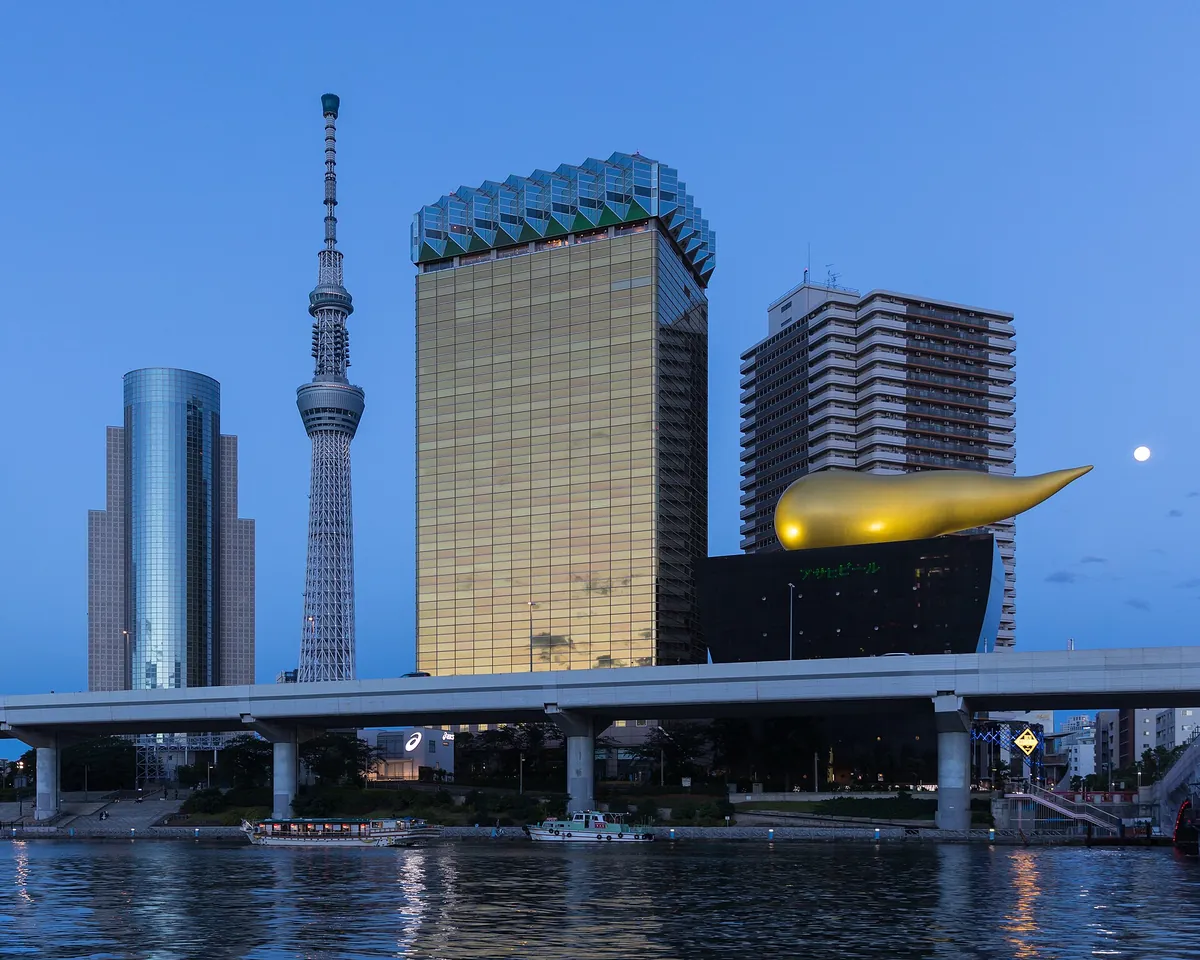
Cover Photo: Basile Morin, CC BY-SA 4.0, via Wikimedia Commons