
A “Hiroshima and Miyajima day trip” is actually a battle against the lunar cycle. You are not just managing shinkansen schedules.
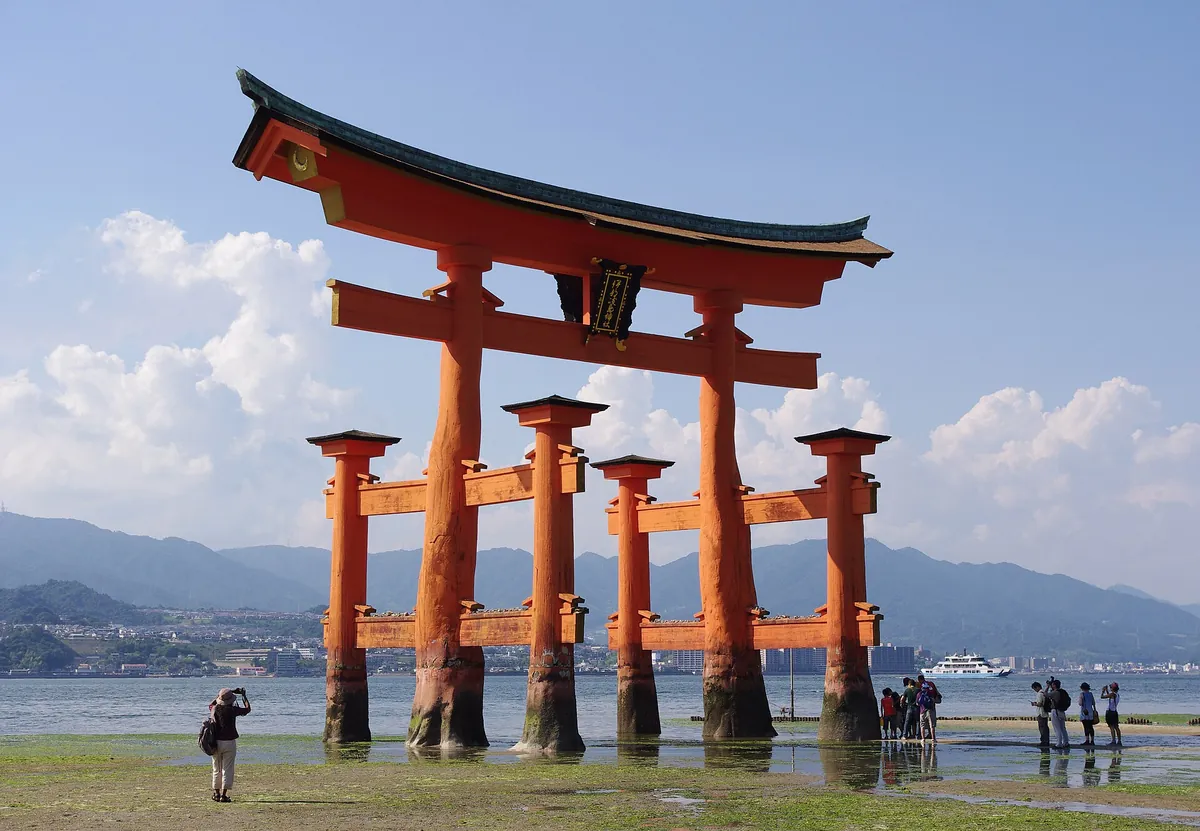
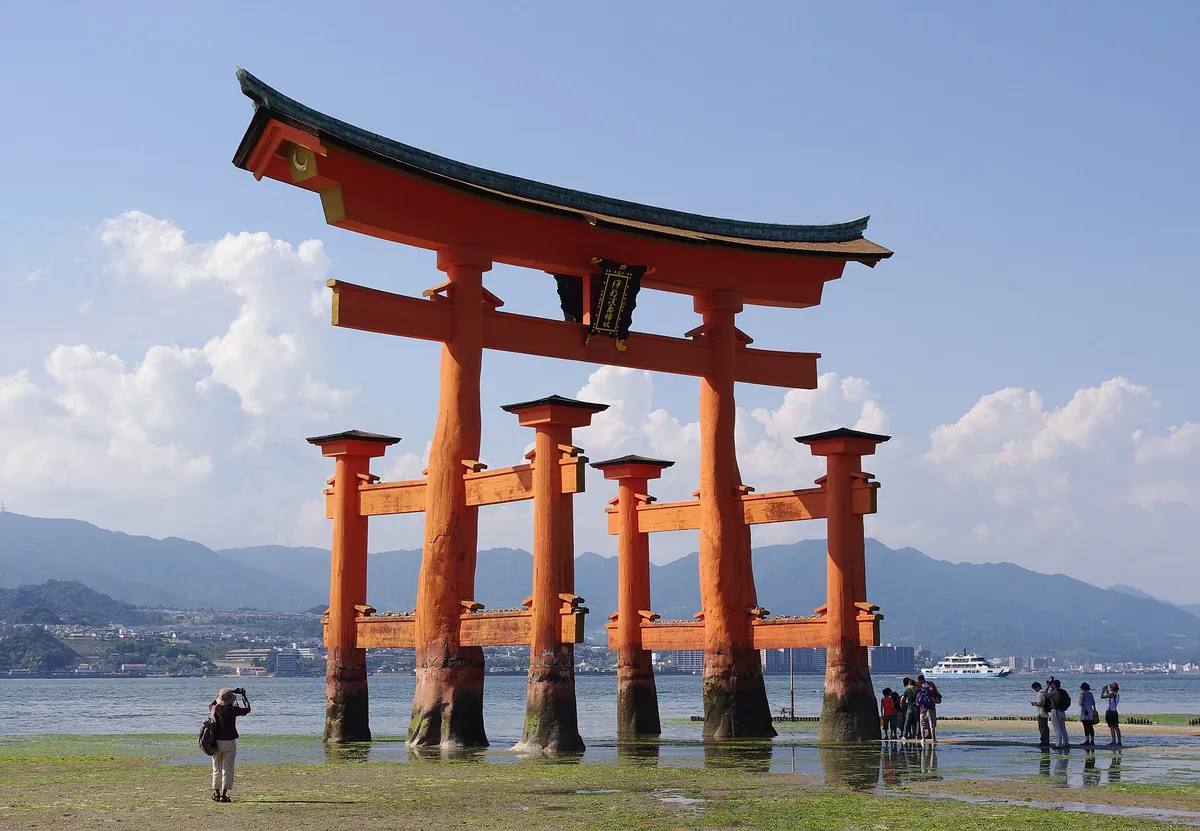
You are timing your arrival to a 500-tonne wooden gate. It sits entirely in mud or deep water depending on the exact hour.
If you are based in Tokyo and only have one day, close this page and read our overnight guide. A day trip to Hiroshima only works if you start from Osaka or Kyoto.
You can absolutely fit the Peace Memorial Museum and the floating torii gate into 14 hours. The trick is committing to the tide chart before you book a single ticket.
- Kansai Base: Shin-Osaka or Kyoto Station area
- Transit: 90–110 minutes each way via Shinkansen
- Key rule: Route order depends entirely on Miyajima tides
- Best pass: JR Kansai Hiroshima Area Pass often wins
- Must book: Museum tickets and reserved train seats
- Time needed
- 12–14 hours
- Typical cost
- ¥25,000–35,000 per person
- Base
- Shin-Osaka or Kyoto
- Booking
- Shinkansen and museum
Some links are affiliate links (marked “Partner link”). Prices are ranges checked in 2026; confirm on the official site before you book.
How Tides Shape Your 14-Hour Itinerary
Most guides offer a static 8 AM to 6 PM schedule. That is a trap.
Miyajima’s famous O-torii gate looks completely different at high and low tide. You must build your itinerary backward from the water level.
Check the official Miyajima tide chart online. If high tide is before noon, you do the island first. If high tide is late afternoon, you start in the city.
If you ignore this, you might arrive at the shrine to find it stranded in dry mud. Let the ocean dictate your transit.
The standard transport loop looks like this, though the direction changes:
Kansai → Hiroshima, 90 min
Take the Nozomi, Sakura or Mizuho shinkansen from Shin-Osaka.
Hiroshima → Miyajimaguchi, 30 min
Ride the local JR San-yo line train to the coastal port.
Miyajimaguchi → Miyajima, 10 min
Take a short ferry ride across the bay to the island.
Miyajima → Peace Park, 45 min
Take the direct river ferry right back to the city center.
Reservations to Lock In Before You Go
You cannot wing a day trip this dense. Wasting 40 minutes in a ticket queue will ruin your afternoon.
Book these elements a week or two before you travel. Do not leave it to the morning of your trip.
- Reserved Shinkansen seats via SmartEX or Klook
- Timed-entry tickets for the Peace Memorial Museum
- A regional JR pass if the math works out
- A working eSIM for live transit updates
- A business hotel very close to the Kansai Shinkansen tracks
You can buy the direct river ferry tickets on the day. Everything else requires prior planning.
Getting to Hiroshima Station Early
Your day begins at either Kyoto Station or Shin-Osaka Station. Take the earliest Nozomi or Sakura train you can stomach.
Aim for a departure between 6:30 AM and 7:30 AM. You want to step onto the platform in Hiroshima before 9:00 AM.
- Shin-Osaka Station
- Tokaido-Sanyo Shinkansen · 80 min · reserved seat
- Hiroshima Station
Shin-Osaka Station is deserted at 6 AM. Grab a coffee and an egg sandwich at the convenience store before passing the ticket gates.
The Shinkansen ride west is smooth and fast. You will pass Himeji Castle on the right side, but do not get off.
When you arrive, do not loiter in the station building. Head straight for the local lines or the tram, depending on your tidal strategy.
Route Option 1: The Miyajima Morning
Use this route if the tide chart shows a high or rising tide in the morning. You want to see the shrine floating on the water.
When you get off the Shinkansen, immediately transfer to the JR San-yo Line. Ride it to Miyajimaguchi Station.
The JR Ferry Strategy
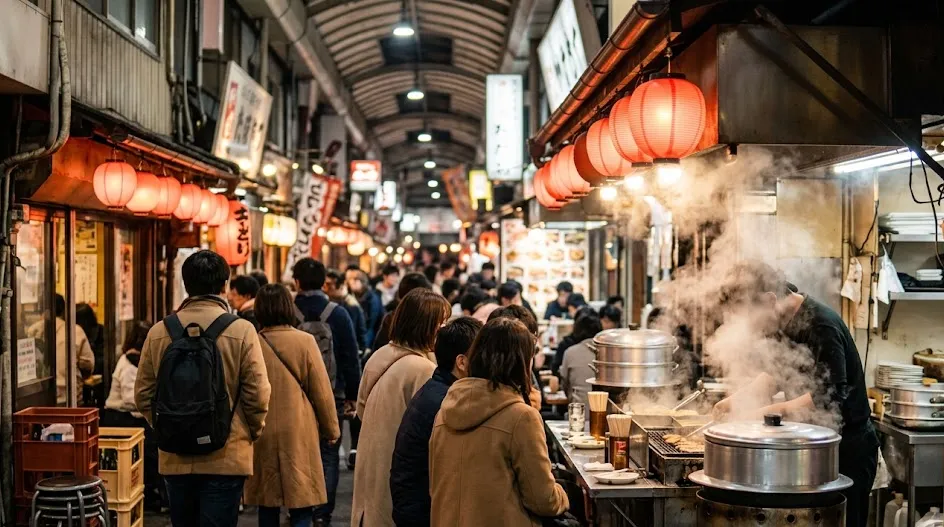
Walk out of Miyajimaguchi Station and head straight for the water. You will see two ferry operators side by side.
Take the JR ferry, not the Matsudai ferry. The JR boat loops closer to the grand torii gate on the outbound trip.
Stand on the right side of the deck. You will get excellent, unobstructed photos of the gate rising from the sea as you approach.
Walking the Shrine at High Tide
Once on the island, ignore the deer for now. Walk directly to Itsukushima Shrine before the tour groups clog the boardwalks.
Pay the small entrance fee, usually around ¥300. Walk the vermilion corridors over the water.
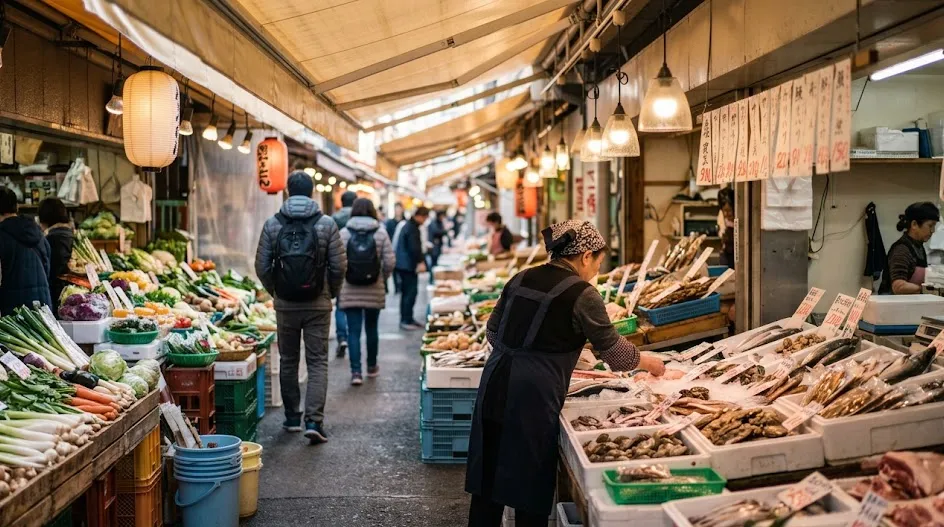
The wooden planks have small gaps to let high storm tides wash through. Take your time looking out over the bay.
Midday Crowds and Omotesando Street
By 11:30 AM, the island will be packed. Retreat to Omotesando Street for early street food.
Buy a grilled oyster or a Momiji Manju cake. These maple-leaf shaped pastries are filled with sweet bean paste or custard.
Do not sit down for a heavy lunch here. You have a ferry to catch, and okonomiyaki is waiting for you in the city.
The Transit Shortcut: Peace Park Direct Ferry
This is the single most important purchase of your day trip. Do not take the local train back.
Walk to the Miyajima pier, but do not board the JR ferry. Look for the Aqua Net direct river ferry counter instead.
For roughly ¥2,200–2,500, this smaller boat takes you directly from the island into the heart of Hiroshima.
The direct ferry travels up the Motoyasu River and drops you exactly at the Atomic Bomb Dome. It saves 45 minutes of transit.
By bypassing the local trains and street trams, you buy enough time to comfortably eat a sit-down lunch.
The ride takes about 45 minutes. It is smooth, fast, and the views of the city from the water are a nice bonus.
Where we would book this
Booking.com
Largest inventory in Japan for English-speaking travellers
- Best for
- Hotels, business hotels, ryokan and apartments in every city
- Checked
- September 2026
Official site. Same price for you.
Route Option 2: The Hiroshima Morning
Use this route if high tide happens in the late afternoon. You will tackle the heavy history of the city first.
Exit the Shinkansen gates and walk to the streetcar platforms. Take tram line 2 or 6 to the Genbaku Dome-mae stop.
The A-Bomb Dome at Dawn
Seeing the Atomic Bomb Dome in the early morning is a profound experience. The park is quiet and empty.
Walk the perimeter of the ruins. Read the plaques detailing the hypocenter of the blast.
There are no crowds to distract you. It is just you, the river, and the skeletal remains of the building.
Navigating the Peace Memorial Museum
Cross the bridge to the main park area. Be at the doors of the Peace Memorial Museum when it opens.
You must book timed tickets online in advance. The queue for walk-up tickets often wraps around the glass building by 10 AM.
The museum is heavy and emotionally exhausting. Give yourself two solid hours here.
Do not rush the exhibits. Read the personal stories attached to the recovered artifacts.
Transitioning to the Island
After leaving the museum, you will need some fresh air. Grab an early okonomiyaki lunch in the city.
Then, walk back to the Motoyasu Bridge near the Dome. Buy a ticket for the Aqua Net direct ferry to Miyajima.
You will arrive on the island just as the tide is coming in, setting up perfect afternoon photos of the floating shrine.
Where to Eat Okonomiyaki Fast
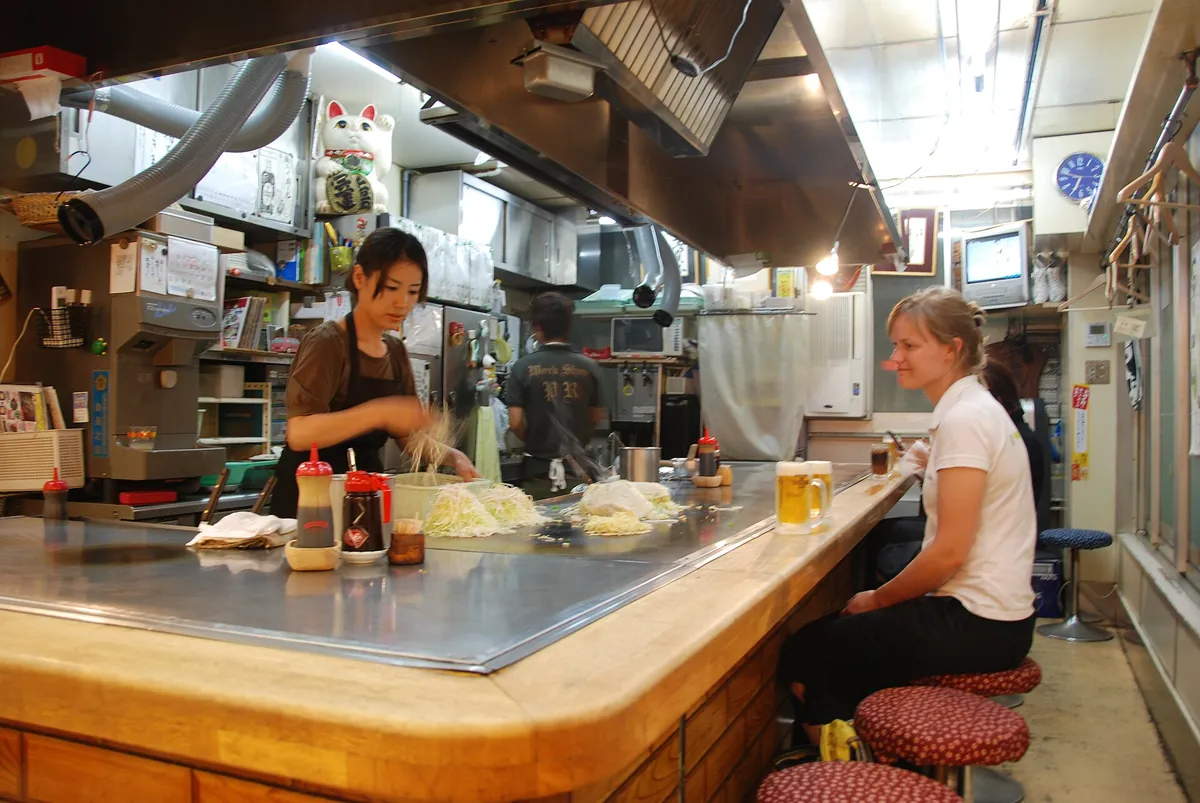
Hiroshima okonomiyaki is built in layers, unlike the mixed batter style in Osaka. It features pork, cabbage, and a mountain of noodles.
Do not call it “Hiroshima-style” to a local chef. To them, it is just okonomiyaki.
What most first-timers do
- Queue for 90 minutes at Okonomimura
- Try to find a famous shop downtown
- Skip lunch entirely to save time
What actually works
- Eat at Hiroshima Station ekie dining
- Sit at any random teppan counter
- Eat exactly at 11:30 AM to beat rushes
If you are near the Peace Park, Okonomimura is a multi-floor building packed with stalls. Just pick one without a line.
If you are rushing for the Shinkansen home, eat at the “ekie” dining area inside Hiroshima Station. The stalls there are fast and excellent.
Eat directly off the hot iron plate using the provided metal spatula. It keeps the food warm and saves washing plates.
What to Skip on a Squeezed Itinerary
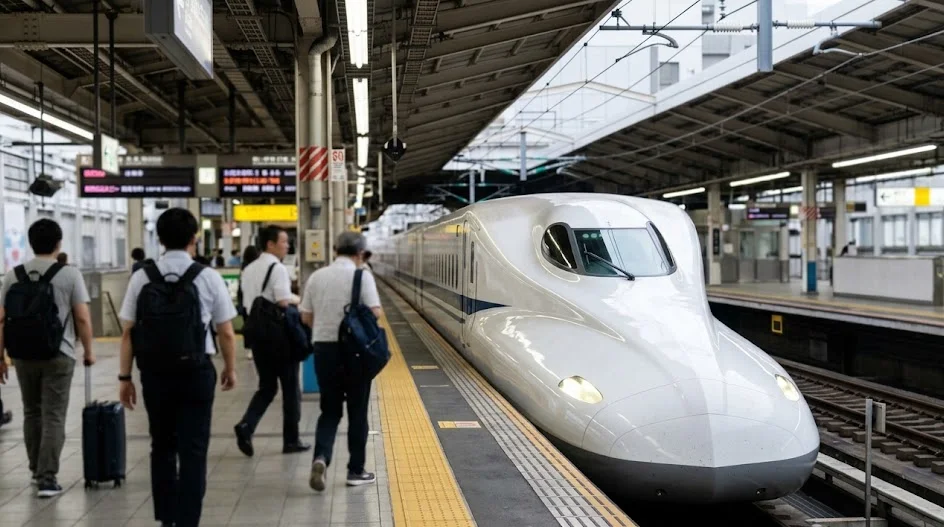
Combining two massive destinations requires brutal time management. You cannot see everything.
A mistake we made early on was trying to fit a mountain hike into a transit-heavy schedule.
Mount Misen and the Ropeway
Skip the Mount Misen ropeway entirely on a day trip. The logistics will destroy your timeline.
The shuttle bus takes 10 minutes, but the line to board the actual gondola often takes 45 minutes to an hour.
Once at the top station, it is still a 30-minute uphill hike to the summit. You will lose your entire afternoon to this single activity.
Save Mount Misen for a trip where you actually spend the night on Miyajima.
The Miyajima Public Aquarium
The aquarium is nice, but it is just an aquarium. You did not travel on a bullet train to look at standard fish tanks.
Your limited hours should be spent on the shrine, the park, and the museum. Skip all secondary attractions.
Do not waste 90 minutes looking at penguins when the floating torii gate is right outside.
Base Stations and 1-Day Trip Costs
Your starting location dictates how painful the 6 AM alarm feels. Choose your hotel carefully.
Sleeping Near the Tracks
If you are based in Osaka, sleep near Shin-Osaka Station. The Midosuji subway line does not run early enough to easily connect from Namba.
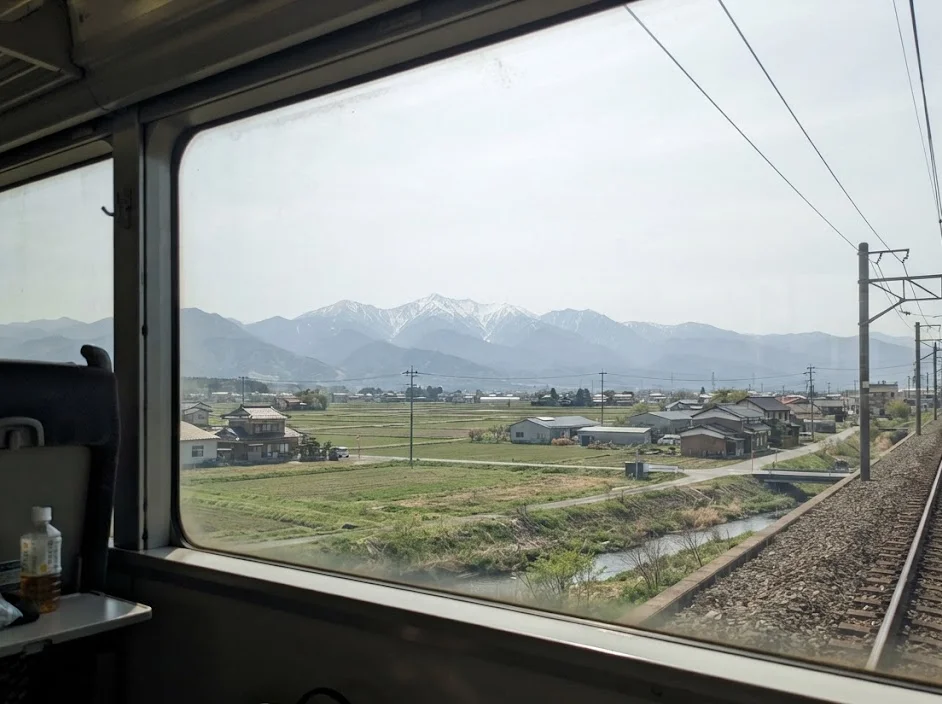
A business hotel within a 5-minute walk of the Shin-Osaka ticket gates is perfect. You can wake up at 5:45 AM and make a 6:30 AM train.
If you are based in Kyoto, stay as close to the Hachijo (south) exit of Kyoto Station as possible.
Partner link.
Shinkansen Tickets vs Regional Passes
A regular round-trip Shinkansen ticket from Shin-Osaka to Hiroshima costs roughly ¥20,000–22,000.
The JR Kansai Hiroshima Area Pass is a 5-day regional pass. It usually costs around ¥17,000 when bought outside Japan.
← Swipe to see the full table →
| Expense | Without Pass | With JR Pass |
|---|---|---|
| Kansai to Hiroshima return | ¥21,000 | Covered |
| JR local train to ferry | ¥840 return | Covered |
| JR Miyajima Ferry | ¥360 return | Covered |
| Estimated Total | ¥22,200 | ¥17,000 |
Plan your trip: the tools we use
Our pick: The JR Kansai Hiroshima Area Pass almost always saves you money on this exact day trip.
However, the pass does not cover the Aqua Net direct river ferry. You must pay for that shortcut out of pocket.
Friction-Free Hacks for the Kansai Route
Do not bring large suitcases on a day trip. There is zero luggage space on the local ferries or trams.
Leave your main bags at your hotel in Osaka or Kyoto. Bring only a small daypack.
If you are checking out and changing cities that day, use Yamato Transport to forward your luggage to the next hotel.
Install a reliable eSIM like Ubigi or Airalo before you land in Japan. Navigating Hiroshima’s tram network requires live Google Maps data.
Keep your physical IC card (Suica or ICOCA) charged. You will need it to tap onto the streetcars quickly.
Do not attempt to buy paper tram tickets. It wastes time and frustrates the driver.
The Late Start: Salvaging a Delayed Itinerary
Missing your early morning alarm will instantly derail a fourteen-hour transit schedule. A day trip to Hiroshima from Kansai has zero buffer time built into the afternoon.
If you oversleep or experience a Shinkansen delay, you have to ruthlessly edit your plan. You cannot just shift everything two hours later and expect the ferries to cooperate.
The island completely shuts down at sunset.
Reprogramming Your Transit App
If you booked an early Nozomi train on SmartEX, you can usually change your departure time before the original train leaves. Open the app immediately and grab any unreserved seat if reserved cars are full.
Regional pass holders face a different problem, as the Sakura trains run less frequently than the Nozomi. You might have to wait thirty minutes on the Shin-Osaka platform for the next valid departure.
Remember that regional passes do not guarantee a reserved seat. If you miss your booked slot, you must stand in the unreserved carriage lines.
The Brutal Midday Cuts
Arriving in the city after 11:00 AM means you can only choose one primary destination. Attempting both the island and the museum will leave you stranded in the dark with closed attractions.
The flawed recovery
- Trying to run through the museum in thirty minutes
- Taking the slow tram to the ferry port
- Missing the final boat back to the mainland
The smart recovery
- Picking either the island or the city, never both
- Eating a bento box on the Shinkansen
- Focusing entirely on the outdoor memorials
If you only have four hours in the city, skip the island entirely. The museum requires a timed ticket, but late afternoon slots occasionally open up on their official booking portal.
Prioritizing the Peace Park
Walk from the Atomic Bomb Dome down through the memorial cenotaph. The park itself is free, always open, and delivers a profound historical context even if you cannot enter the main exhibits.
- Hiroshima Station
- Tram Line 2 or 6 · 15 min
- Genbaku Dome-mae (Atomic Bomb Dome)
The outdoor monuments require no reservations and no waiting in line. You can absorb the history of the city at your own pace without constantly checking your watch.
When to Choose the Island
If the tide chart shows an afternoon high tide, you might still salvage a Miyajima visit. Skip the city monuments entirely and take the local train directly to the port to catch the JR ferry.
Do not expect any restaurants to be open after five. Most street food vendors pack up their grills the moment the tour groups begin heading back to the mainland.
Buy snacks at a convenience store before boarding the outbound ferry. You will need the calories for the long walk back to the local train station in the dark.
A Rainy-Day Pivot for the Island and City
The Seto Inland Sea weather can turn aggressive without warning during typhoon season. Heavy rain completely ruins the classic floating gate experience and makes the wooden boardwalks dangerously slick.
Strong winds frequently force ferry operators to suspend all services without prior notice. When the water gets too rough, you will be physically blocked from reaching Miyajima.
You need a dry backup plan to save your Shinkansen investment.
The Hondori Arcade Strategy
Hiroshima has a massive covered shopping arcade right in the city center. Hondori stretches for several blocks and offers complete protection from heavy downpours.
This is where you can salvage your afternoon without getting soaked. The street is packed with local cafes, retail stores, and excellent regional dining spots that do not rely on nice weather.
- A micro-umbrella for the short walks between arcades
- Waterproof shoes, not just standard running sneakers
- A small towel to wipe down wet jackets on the train
- A plastic bag to store your soaking umbrella
Indoor Alternatives to the Shrine
If you cannot get to the island, redirect your cultural focus to the city’s indoor spaces. The Hiroshima Museum of Art sits right in the city center and houses an impressive collection of European and Japanese paintings.
You can also visit the Orizuru Tower next to the Atomic Bomb Dome. It features an indoor viewing deck that looks directly down over the park ruins while keeping you entirely out of the rain.
Use platforms like Klook or GetYourGuide to find indoor cultural workshops at the last minute. Booking a tea ceremony turns a ruined outdoor day into a valuable cultural immersion.
Shifting to Indoor Museums
The Peace Memorial Museum is entirely indoors, making it the perfect storm shelter. However, rain drives every other tourist inside, turning the exhibit halls into a crowded bottleneck.
Expect ticket lines to move at half speed as visitors refuse to exit into the rain. Bring a small travel umbrella that fits in a wet bag so you can comfortably wait outside the glass pavilion.
If the crowds become overwhelming, head back to the station early. You can easily spend two hours shopping and eating inside the massive station complex.
The Kure Naval Port Alternative
If the ferries are canceled, redirect your afternoon to the port city of Kure instead. It sits thirty minutes away on a different local train line and focuses heavily on naval history.
The Yamato Museum houses a massive battleship replica. It offers deep insights into Japan’s maritime engineering and wartime industrial efforts without requiring boat transit.
← Swipe to see the full table →
| Indoor Backup Options | Estimated Cost | Transit from Station |
|---|---|---|
| Orizuru Tower | ¥2,200 | 15 min via tram |
| Hiroshima Museum of Art | ¥1,300 | 15 min via tram |
| Yamato Museum (Kure) | ¥500–800 (check the official site) | 35 min via JR train |
Entrance to the Yamato Museum is incredibly affordable compared to island transport. It is a highly educational substitute that keeps you entirely out of the coastal winds.
The Evening Strategy: Surviving the Return Journey
By 6 PM, your feet will be screaming. You have walked twenty thousand steps across concrete and sand. Now you face the long transit back to Osaka or Kyoto.
You will be exhausted, hungry, and entirely out of patience for dense crowds.
The Hiroshima Station Dinner Rush
You will be tempted to eat a sit-down meal before your train home. Do not risk your reserved departure time waiting for a restaurant table. The dining floors above the station get hammered by domestic business travelers exactly at 6 PM.
Instead, leverage the massive ekiben marketplace on the station’s ground floor. Buy a cold meal box featuring local beef or eel for roughly ¥1,200–2,500, but check the official site for current prices.
Hiroshima is famous for oysters and conger eel, both of which feature heavily in these stalls. Grab a box quickly, as the most popular local varieties completely sell out by 7 PM.
Eat your dinner on the Shinkansen tray table as you speed eastward. This saves you a massive amount of time. Well — more importantly, eating on the move keeps you from missing your bullet train entirely.
Navigating the Unreserved Carriage Panic
If you missed your booked train slot on Klook or hold a regional pass without a reservation, brace yourself. The unreserved cars fill up incredibly fast on weekday evenings as commuters head back to Kansai.
**The evening commuter rush requires absolute platform discipline.**
Get to the station thirty minutes early and stand directly on the painted queue lines for cars one through three. If the train arrives and you are not at the very front of the line, you will be standing all the way to Shin-Osaka.
- A fully charged phone power bank for transit apps
- Pre-loaded IC card balances for the final subway ride
- Bottled water bought before passing the ticket gates
- Trash bags for your empty bento boxes
Connecting Transit in Kansai
You will step off the bullet train in Osaka or Kyoto around 9 PM. Your travel day is not actually over until you reach your hotel room.
If you booked a hotel near Shin-Osaka through Booking.com or Agoda, you can simply walk straight to your bed. If you ignored our previous advice and stayed in Namba, you now face a tired, forty-minute subway transfer underground.
Keep your physical IC card loaded with at least ¥2,000 to avoid fumbling with ticket machines while completely exhausted. The last thing you want is to stand in another line to buy a local subway ticket.
Wildlife Protocols: Guarding Your Day Trip
Most visitors assume the deer wandering around the island are docile and polite. This dangerous assumption will cost you your lunch and potentially your transit tickets.
The Miyajima deer are wild animals, not theme park mascots.
Unlike the animals in other famous tourist cities, these deer are completely unfed by the local government. They rely entirely on foraging in the woods and stealing from distracted tourists.
Protecting Your Paper Assets
The deer cannot distinguish between a tasty sweet snack and your expensive rail pass. If you hold paper tickets, maps, or even your passport in a loose grip, a hungry deer will snatch it instantly.
**They will eat your transit documents right out of your hand.**
Keep all paper documents zipped securely inside your heavy daypack. Never put a Shinkansen ticket in your back pocket while walking the island paths or taking photographs.
If a deer grabs your regional pass, the transit authority will not issue a free replacement. You will be buying a brand new ticket back to Kansai at full price, ruining your budget.
The Street Food Gauntlet
Eating outside on the island is a tactical exercise in constant spatial awareness. The moment you buy a sweet bun or a grilled oyster, you become an immediate target for the local wildlife.
If a deer approaches you aggressively while you hold food, do not try to tease it or run away. Raise your empty hands high in the air to signal that the food is gone, and walk away firmly.
Getting a group selfie with a deer seems like a fun idea until it bites your shirt. If you squat down to take a photo of the torii gate, ensure your backpack is not sitting wide open on the ground behind you.
What to Do With Your Trash
You will quickly notice a complete lack of public trash cans near the shrine. The local authorities removed them years ago because the wildlife kept tearing them apart looking for food scraps.
You must carry all your food wrappers and empty drink bottles with you at all times. Bring a small plastic bag from an Amazon package to store your sticky trash safely inside your backpack.
The tourist trap
- Feeding the deer hidden snacks
- Waving food around for a photograph
- Leaving trash on a public bench
The smart approach
- Zipping all bags completely shut
- Eating inside closed storefronts
- Taking all trash off the island
Do not leave a paper cup unattended for even a single second. A passing deer will knock it over instantly and attempt to eat the cardboard.
FAQ
QIs a day trip from Osaka too rushed?
It is aggressive, but entirely doable. You will walk around 20,000 steps. Wear excellent running shoes.
QCan I add Himeji Castle to this day trip?
 ReaderYuki
QDoes the JR Pass cover the direct river ferry?
No. The direct Aqua Net ferry from the Peace Park is privately run. Only the short JR ferry from Miyajimaguchi is covered.
QWhat if it rains heavily?
If the forecast shows severe rain, skip Miyajima entirely. The ferries can be suspended in high winds. Spend the day in Hiroshima’s covered arcades and the museum instead.
Coordinating trains, ferries, and tides from a different city feels overwhelming at first.
Just check the tide chart, book your morning Shinkansen, and let the water level dictate the rest of your day.
Keep planning
- ① Install and test your eSIM before take-offAiralo and Ubigi eSIMs activate on arrival, but the install itself needs Wi-Fi. Do it at home and confirm the profile shows up in your phone settings.
- ② Save your first hotel’s address in JapaneseTaxi drivers and station staff read Japanese addresses far faster than romanised ones. Copy it from the booking confirmation into your notes app.
- ③ Set aside cash for day oneMany small restaurants, temples and rural buses are still cash-only. Airport ATMs at 7-Eleven and the post office accept most foreign cards.
Skip these and your first hour in Japan goes on finding Wi-Fi at the station instead of getting to your hotel.
🔍 How to sanity-check any price you read online
Blogs (including this one) go out of date. The official page always wins over a screenshot from two years ago.
Cover Photo: Jakub Hałun, CC BY-SA 4.0, via Wikimedia Commons