- Private reservable baths bypass tattoo rules entirely.
- In-room outdoor baths offer zero-stress soaking.
- Cover seals only work for small, single-patch ink.
- Kinosaki Onsen allows tattoos in all 7 public baths.
- City sento are a cheap, welcoming urban alternative.
Every forum thread claims you will be thrown out of a Japanese hot spring if you have even a tiny tattoo. It simply did not hold up on our recent trips.
If you have absolutely no interest in staying overnight in a traditional inn and just want a quick city shower, close this and read our Tokyo hotel guide.
The reality is much easier. You do not need to hunt down explicitly tattoo-friendly public baths to enjoy the culture.
You just need to bypass the public bath rule entirely.
- Time needed
- 1 night for a ryokan stay
- Typical cost
- ¥15,000–45,000 per person
- Base
- Hakone or Kansai
- Booking
- 3–6 months ahead
Some links are affiliate links (marked “Partner link”). Prices are ranges checked in 2026; confirm on the official site before you book.
The Quick Answer for Tattooed Travelers
We see travelers waste hours emailing fifty different hotels across Japan. They use translation apps to ask about tattoo policies.
Most of the time, they get a generic rejection. The front desk staff panic, cite a blanket rule, and the traveler gives up.
Stop doing this. Do not ask for permission to use a restricted public bath.
Instead, book a facility where the rules do not apply to your specific situation. This removes the stress of being judged or turned away.
- You have large pieces, sleeves, or full back tattoos.
- You want to soak without staring eyes.
- You are traveling with a partner and want to bathe together.
- You hate the idea of wearing bandages in the water.
- You want a traditional kaiseki dinner included.
If you ticked most of those, the methods below are exactly what you need.
Method 1: Reserving a Private Kashikiri Bath
This is the most affordable way to enjoy a traditional inn without worrying about ink. A kashikiri is a private hot spring bath.
1. What a kashikiri actually is
Instead of one massive communal bath, many ryokan build smaller, private bathing rooms. You lock the door behind you.
Once you are inside, no one can see you. The staff do not care what ink you have under your clothes when you walk down the hallway.
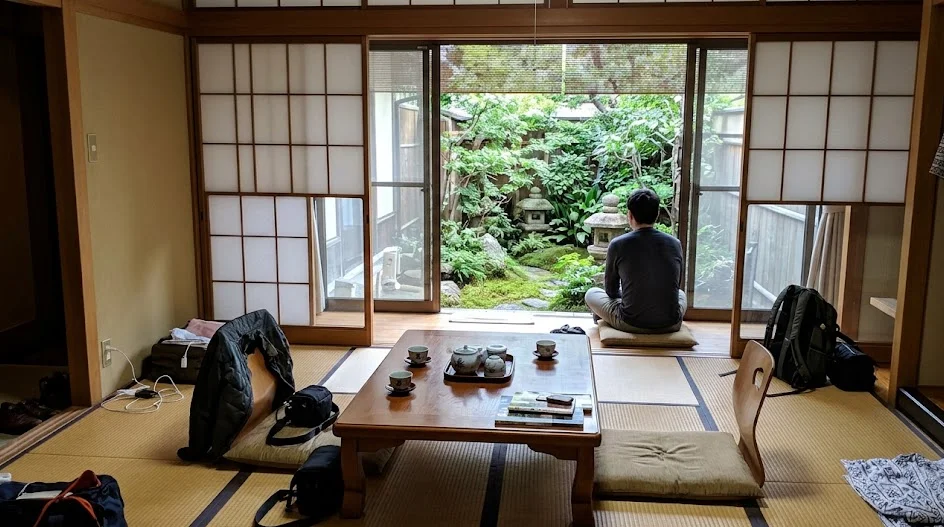
These baths often have a small changing area and a beautiful stone or wooden tub. Some overlook a private garden.
2. How to secure a time slot
Policies vary by property. Some operate on a first-come, first-served basis. You just flip the sign on the door to “Occupied.”
Others require you to book a time slot at check-in. Always ask for your slot the moment you arrive at the reception desk.
Do not wait until after dinner to book. The prime evening slots disappear fast.
3. The cost of privacy
Many modern ryokan include free private bath access in your room rate. You can use them as many times as you like.
Others charge a small fee. Expect to pay roughly ¥2,000–4,000 for a 45-minute session.
When browsing Booking.com or Agoda, filter your search by “Hot spring bath” and look for the phrase “private reservable bath” in the property description.
What most first-timers do
- Email the hotel about tattoos.
- Argue with staff at check-in.
- Sneak into the public bath late at night.
- Stress the entire time they soak.
What actually works
- Filter for private baths online.
- Book the room without asking.
- Reserve a time slot at check-in.
- Lock the door and relax.
Method 2: The In-Room Rotenburo Upgrade
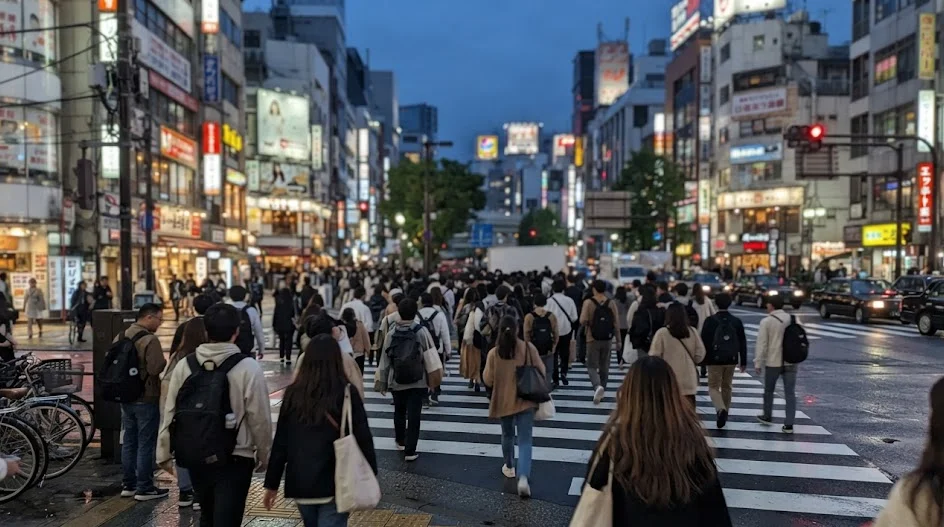
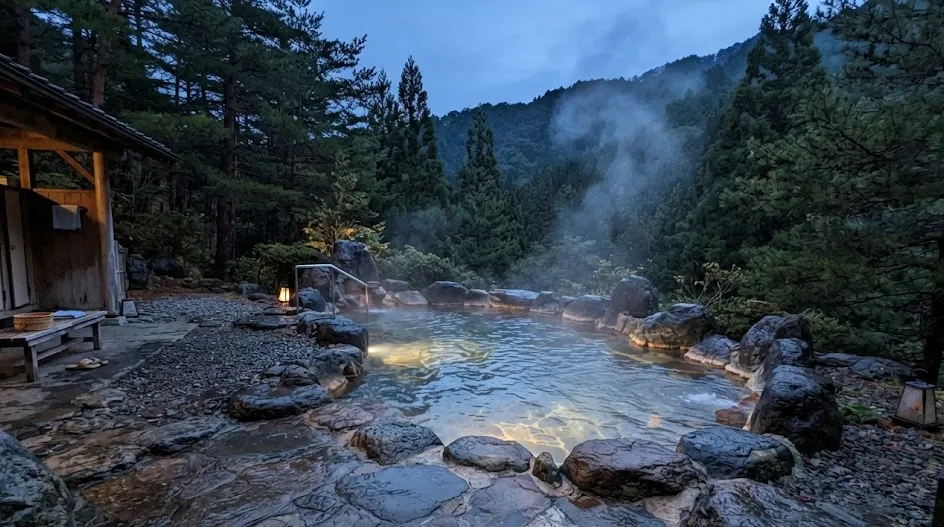
If you have the budget, this is the ultimate luxury experience. An in-room rotenburo is an open-air bath attached directly to your bedroom.
4. Spotting the right room type
These rooms are heavily advertised. Look for listings that say “Room with Private Open-Air Bath.”
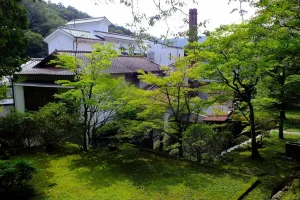
The tub is usually on a private balcony overlooking a forest, a river, or a mountain. You step out of your bed and right into the water.
Because the bath is entirely within your private quarters, hotel management does not care about your tattoos.
5. Managing the higher price tag
This level of privacy is not cheap. Rates typically range from ¥35,000 to over ¥80,000 per person, per night.
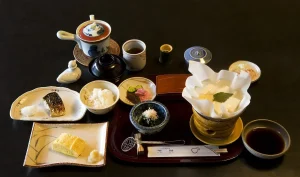
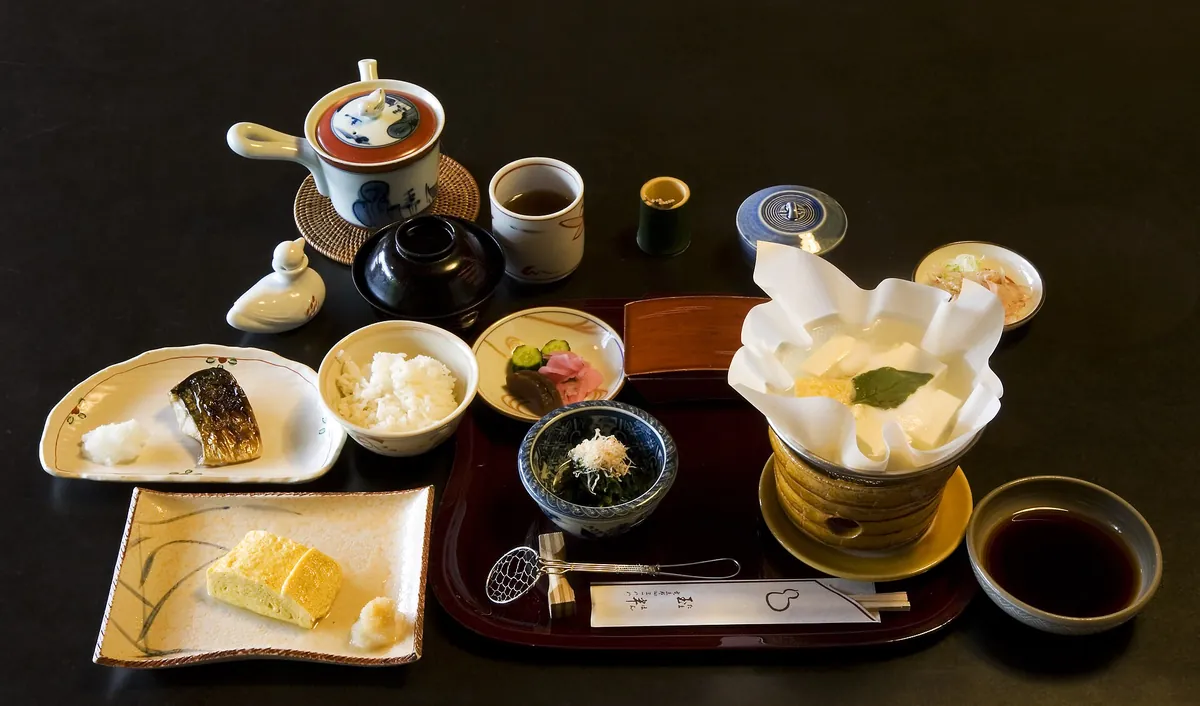
That usually includes a multi-course kaiseki dinner and a lavish breakfast. You are paying for a complete, 24-hour resort experience.
We usually book this for just one night of a two-week itinerary as a special treat.
Partner link.
Method 3: Using Flesh-Colored Cover Seals
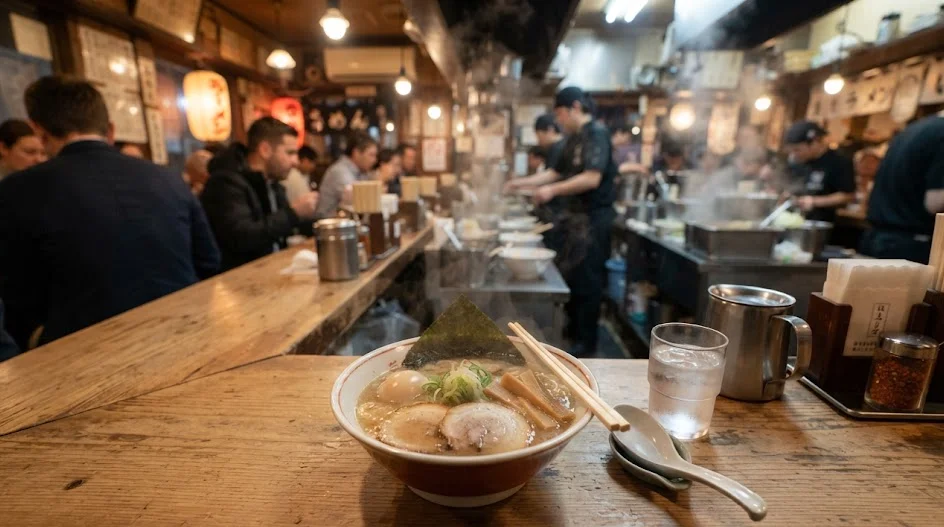
If you are on a tight budget and must use a public bath, you can try the cover-up method. But it comes with strict limits.
6. The strict size limit
The cover seal loophole only works for small tattoos. Think ankle stars, wrist lettering, or a small shoulder piece.
Most ryokan that accept covers mandate that your ink must be completely hidden by one or two standard 8x10cm patches.
If you have a full sleeve or a chest piece, do not attempt to mummy-wrap yourself in waterproof tape. You will be asked to leave.
7. How to apply them properly
You can buy these patches on Amazon before your trip, or at Don Quijote stores across Japan.
They look like large, flesh-colored waterproof bandages. Apply them in your hotel room before heading down to the bath.
Make sure the edges are sealed tight. The sulfur in the hot spring water can weaken the adhesive.
← Swipe to see the full table →
| Method | Cost | Best for |
|---|---|---|
| Private Kashikiri | Free–¥4,000 | Couples, families |
| In-Room Bath | ¥35,000+ | Luxury, heavy ink |
| Cover Seals | Under ¥1,000 | Small, single tattoos |
Plan your trip: the tools we use
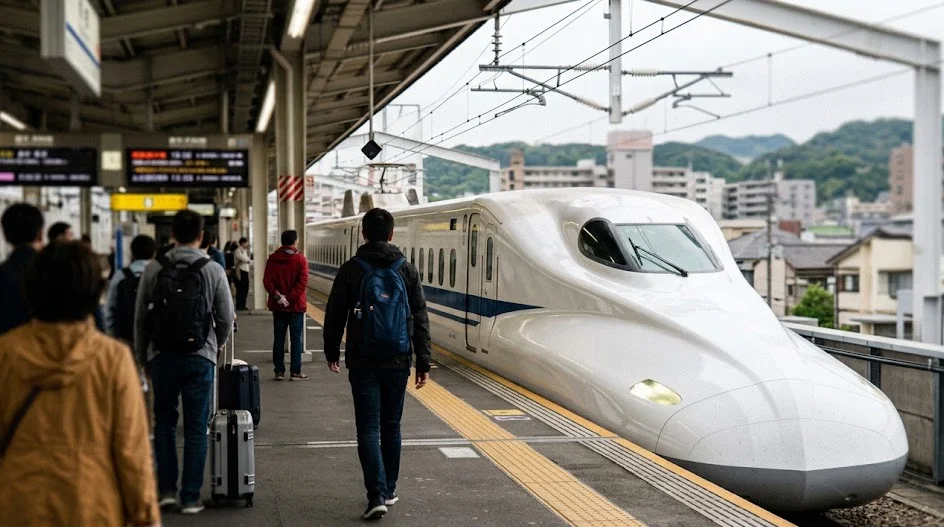
Our pick: The private kashikiri bath, unless you have the budget for an in-room tub.
Where we would book this
Booking.com
Largest inventory in Japan for English-speaking travellers
- Best for
- Hotels, business hotels, ryokan and apartments in every city
- Checked
- September 2026
Official site. Same price for you.
Tattoo-Welcoming Zones in Hakone
Hakone is the most popular hot spring destination near Tokyo. It is heavily geared toward international visitors.
8. Navigating Hakone-Yumoto
This is the gateway town. You reach it directly from Shinjuku via the Odakyu Romancecar in about 90 minutes.
Because it sees so many foreign tourists, many ryokan here have adapted. They offer plentiful private baths.
Booking a private bath here is trivial. Almost every mid-range property on Agoda has them.
9. Heading higher up to Gora
If you take the mountain railway past Yumoto, you reach Gora. The vibe here is quieter and more upscale.
Gora is packed with luxury properties featuring in-room rotenburo. It is the perfect place to splurge.
Hakone gets extremely crowded on weekends. Book your accommodation at least three months in advance to secure a private bath.
- Shinjuku Station
- Odakyu Romancecar · 85 min · reserved seat
- Hakone-Yumoto Station
- 10 min taxi
- Your ryokan
Kansai Options: The 7 Baths of Kinosaki
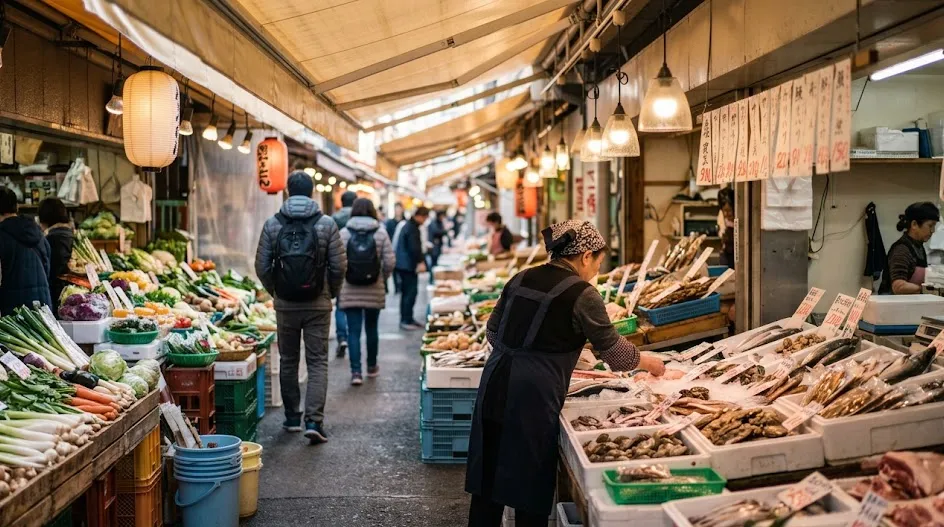
If your trip focuses on Kyoto and Osaka, you have access to the single best tattoo-friendly onsen town in Japan.
10. Kinosaki’s town-wide policy
Kinosaki Onsen is famous for its seven public bathhouses. Guests wear yukata robes and stroll from bath to bath.
In a rare move, the town tourism board officially declared that all seven public baths allow tattoos of any size.
You do not need cover seals. You do not need a private room. You just walk in and bathe.
11. Getting to the coast
Kinosaki is located on the Sea of Japan coast. It takes about 2.5 hours by limited express train from Kyoto or Osaka.
Whether the Japan Rail Pass pays off depends on your route — add up the individual fares first. The journey is covered by the JR Kansai Wide Area Pass.
We highly recommend spending one night here. It is the most stress-free traditional bathing experience in the country.
City Sento: The Urban Alternative
If you cannot fit a rural ryokan into your schedule, do not worry. You can bathe right in the middle of Tokyo or Osaka.
12. Traditional neighborhood baths
A sento is a public bathhouse. They use heated tap water instead of natural volcanic spring water.
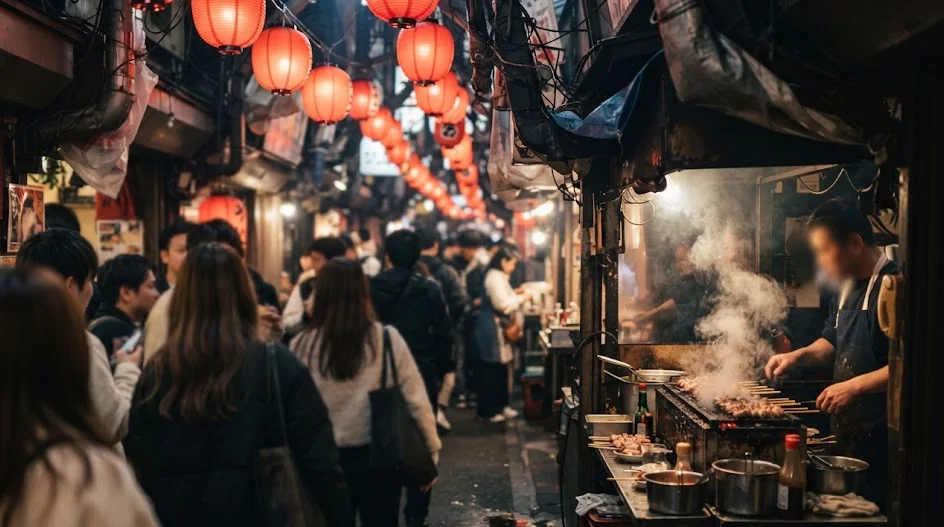
Historically, sento were for working-class neighborhoods where homes lacked plumbing. They are community hubs.
Because of this local, democratic history, the vast majority of traditional city sento do not ban tattoos.
13. Sento etiquette rules
Entry usually costs around ¥450–550. You bring your own soap and towel, or buy cheap ones at the counter.
The rules are simple. Wash your body thoroughly before entering the tub. Do not let your towel touch the bath water.
Keep your voice down. Be respectful of the locals, and no one will care about your ink.
Etiquette Beyond the Bath: What Actually Matters
People with tattoos often arrive at their ryokan already on edge, terrified of breaking another hidden rule. They read horror stories about foreign guests offending the staff and assume they are walking through a minefield.
The truth is much more forgiving.
Once you bypass the communal bath issue, you are just another paying guest. You do not need to memorize a textbook of ancient etiquette to enjoy your stay. You just need to respect a few basic boundaries that keep the inn running smoothly.
14. The strict slipper hierarchy
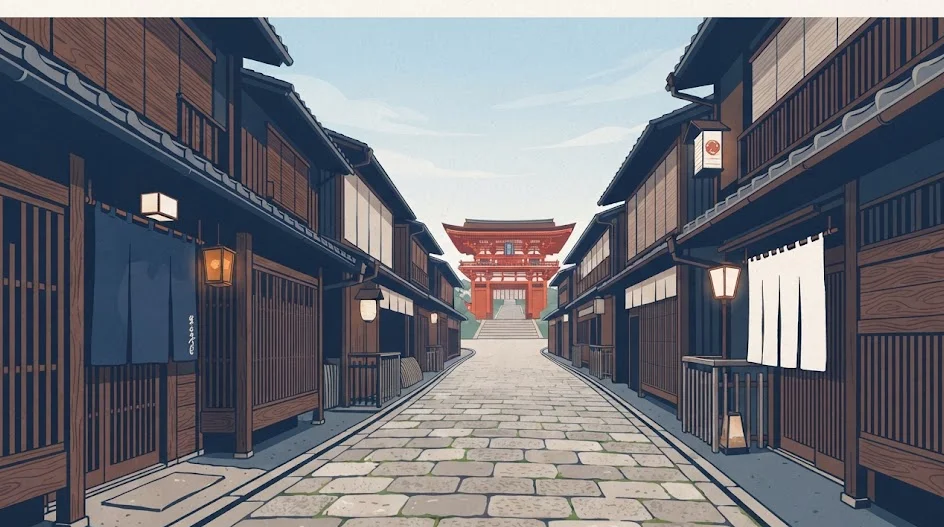
The only mistake that will genuinely upset the staff is wearing your outdoor shoes inside the ryokan. You will leave your sneakers at the front entrance and switch to provided slippers.
These indoor slippers are for the hallways and dining rooms. However, you must take them off before stepping onto the woven tatami mats inside your bedroom.
There is also a separate pair of slippers sitting inside the bathroom door. You must swap into these toilet slippers when using the restroom, and take them off before stepping back into the room.
15. Mastering the yukata
Most traditional inns provide a cotton yukata robe for you to wear during your stay. You are encouraged to wear this everywhere inside the building, including down to dinner.
Many tattooed guests worry about exposing their ink in the dining hall. As long as you keep the robe tied securely, nobody cares if your chest piece or sleeve is partially visible. Just ensure the left side wraps over the right side.
Wrapping the right side over the left is reserved for dressing bodies at funerals. It is the one cultural misstep that will actually draw shocked stares.
16. Dealing with room attendants
At luxury properties, a dedicated attendant called a nakai will serve your meals and lay out your futon. You might feel the urge to hand them some cash for their excellent service.
Do not do this. Japan is strictly a non-tipping culture, and handing cash directly to an employee is incredibly awkward for them.
If you booked an in-room bath package for ¥40,000–60,000, check the official site to see if a service charge is already included. You do not owe anything extra upon checkout.
17. Navigating the kaiseki dinner
Meals at a ryokan are elaborate, multi-course affairs that can stretch for two hours. They often feature local seasonal ingredients and unfamiliar seafood textures.
If you have severe allergies, you must inform the property via Booking.com or Agoda weeks in advance. Do not wait until you sit down to mention a shellfish allergy.
If you simply dislike a dish, it is perfectly fine to leave it untouched. The staff will not be offended if you do not finish every single plate.
Day-Trip Onsen: The Higaeri Alternative
Not everyone wants to spend their entire travel budget on a single night of traditional accommodation. Sometimes you just want to experience the volcanic waters and move on with your itinerary.
This is where day-trip bathing saves the day.
In Japanese, this is called higaeri onsen, which translates to a hot spring trip that you complete in a single day. Many premium resorts open their doors to daytime visitors when their overnight guests check out.
18. How the daytime system works
Between the hours of 11:00 AM and 3:00 PM, many ryokan clean their rooms and allow the public to pay for bath access. You just walk into the lobby and pay a small entrance fee.
For tattooed travelers, you cannot just use the main communal baths during these hours. You must specifically ask if they offer daytime rentals of their private kashikiri baths.
When available, these daytime private slots give you the exact same luxury experience without the expensive overnight commitment. It is a fantastic compromise for busy schedules.
19. Securing your daytime slot
Unlike overnight stays, daytime private baths are notoriously difficult to book online. Booking platforms like Klook do not typically handle hourly traditional bath rentals.
Most facilities require you to show up in person and put your name on a whiteboard. Arrive exactly when the daytime hours begin to secure a spot.
Expect to pay ¥3,000–6,000 for a 45-minute daytime private bath session; always check the official site for current daytime admission policies. Some resorts also offer lunch packages bundled with a bath.
20. The best regions for daytime trips
Hakone is the undeniable king of the higaeri experience near Tokyo. You can easily take the train down in the morning, rent a private bath, and be back in Shinjuku for dinner.
If you are based in the Kansai region, Arima Onsen near Kobe offers similar daytime private bath rentals. It is less than an hour from central Osaka.
While a Japan Rail Pass might cover the shinkansen portion of these trips, the local private railways are usually excluded. Calculate your route carefully before assuming your transport is fully covered.
21. Renting towels and amenities
First-timers often assume they need to pack a giant beach towel for a day trip. You do not need to waste luggage space on thick cotton.
Every higaeri facility will rent you a large bath towel and a small modesty towel for a few hundred yen. Just hand them back to the front desk when you leave.
The bathing rooms are fully stocked with high-quality shampoo, conditioner, and body wash. You literally just need to show up with your wallet.
The One Habit for Stress-Free Ryokan Booking
We see people build rigid, day-by-day itineraries first. They lock down every train ticket and city tour.
Then, they try to wedge a specific ryokan with a private bath into a random Tuesday in their schedule. They fail.
The good rooms with private baths sell out months in advance. The inventory is tiny compared to business hotels.
Step 1: Find the room first
Search Agoda or Booking.com for dates with available private baths in your chosen region.
Step 2: Lock in the date
Book the ryokan immediately. Choose a rate with free cancellation if you are unsure.
Step 3: Build the route
Arrange your city days and train travel around that specific ryokan reservation.
Book the ryokan first. That is the whole trick.
On my first trip to Hakone, I assumed I could just book a room a month prior. Every single kashikiri property was gone. I had to skip the bath entirely.
Frequently Asked Questions
QWill staff ask to check my body at check-in?
No. Ryokan staff are polite professionals. They will not strip-search you. If you book a room with a private bath, the topic of tattoos will not even come up.
QCan I wear a rash guard or swimsuit in the bath?
Absolutely not. Japanese hot springs are strictly naked. Wearing clothing in the water is considered highly unsanitary. Only the flesh-colored adhesive seals are permitted.
QDo I need to cover up in the hallways?
Yes. Keep your yukata robe closed while walking through the hotel lobby, dining rooms, and corridors. Be respectful of other guests in the public areas.
 ReaderYuki
Worrying about getting kicked out of a bath can ruin the anticipation of your trip.
Stop hunting for loopholes, secure a private kashikiri bath today, and spend your time planning the fun parts of your route instead.
Keep planning
- ① Install and test your eSIM before take-offAiralo and Ubigi eSIMs activate on arrival, but the install itself needs Wi-Fi. Do it at home and confirm the profile shows up in your phone settings.
- ② Save your first hotel’s address in JapaneseTaxi drivers and station staff read Japanese addresses far faster than romanised ones. Copy it from the booking confirmation into your notes app.
- ③ Set aside cash for day oneMany small restaurants, temples and rural buses are still cash-only. Airport ATMs at 7-Eleven and the post office accept most foreign cards.
Skip these and your first hour in Japan goes on finding Wi-Fi at the station instead of getting to your hotel.
🔍 How to sanity-check any price you read online
Blogs (including this one) go out of date. The official page always wins over a screenshot from two years ago.
Cover Photo: Bounta Nanthavong, CC BY-SA 4.0, via Wikimedia Commons