
- Best for reliability: Booking.com for Pay at Hotel options.
- Best for local price: Agoda for small business hotels.
- Best for peace of mind: Booking.com for flexible international bookings.
- Trip duration
- 10–14 days
- Avg. daily room
- ¥12,000–22,000
- Booking base
- Osaka
- Price check
- Early 2026
Top picks
Where we would book this
Booking.com
Largest inventory in Japan for English-speaking travellers
- Best for
- Hotels, business hotels, ryokan and apartments in every city
- Checked
- September 2026
Official site. Same price for you.
Where we would book this
Agoda
Frequently cheaper for Asian and Japanese chains
- Best for
- Same hotels as Booking.com, often different prices
- Checked
- September 2026
Official site. Same price for you.
Some links are affiliate links (marked “Partner link”). Prices are ranges checked in 2026; confirm on the official site before you book.
Booking.com is generally the safer bet for international travelers arriving in Japan because their confirmation systems are more transparent and they prioritize a Pay at Hotel model.
While Agoda often shows a lower headline price, you must be careful to calculate the final total including service fees and local taxes before you finalize your reservation.
What matters when comparing booking platforms in Japan
Most travelers obsess over the base nightly rate, but that is rarely where the trip goes wrong. In Japan, you need to worry about booking validity, the ability to cancel during a weather disruption, and whether the front desk will actually see your name in their system when you arrive at midnight.
- Transparent final pricing with all taxes included
- Availability of a Pay at Hotel payment option
- Easy access to English-language support
- Clear cancellation policies for typhoons
- Platform verification by local business hotels
- Accurate address and map pins
- Option to modify dates without rebooking
Why currency conversion can hide costs
Many travelers run into trouble when they pay in their home currency instead of Japanese Yen. When you see a price in USD or EUR on a site, the exchange rate used is often significantly worse than what your bank would provide. Always opt to pay in Yen if the site gives you the choice at checkout.
The importance of the Pay at Hotel handshake
In our experience, booking a hotel in Osaka or Tokyo using a Pay at Hotel option creates a stronger digital paper trail for the front desk. It forces the hotel to acknowledge your booking immediately rather than waiting for a third-party payment settlement. We prefer this for our own travel planning.
Comparing price transparency and reliability
The core difference between the two platforms often comes down to how they handle local Japanese taxes. Japan frequently adds a consumption tax and sometimes a small local accommodation tax, which can surprise you on the final screen.
How Agoda calculates final costs
Agoda is excellent at finding rock-bottom rates for smaller boutique hotels in cities like Fukuoka or Hiroshima.
However, their base price often excludes these local taxes. You may find yourself paying an extra 10 percent when you reach the final payment window, which can ruin your budget if you aren’t paying attention.
Booking.com’s approach to total pricing
Booking.com tends to be more aggressive about showing you the “total price” early on. This makes it much easier to compare a business hotel in Shinjuku against a ryokan in Kyoto without doing manual math for every single listing you view.
The risk of ghost bookings
Both platforms are legitimate, but issues sometimes occur when a small, family-run inn does not sync their availability quickly. If you book through Booking.com and face a discrepancy, their customer service is typically better at placing you in a nearby hotel of equal standard at no extra cost.
Using Pay at Hotel as a safety net
When you prepay for a room, you lose leverage if something goes wrong. If a typhoon shuts down the rail lines between Osaka and Tokyo, you might be stuck in a city you didn’t plan to sleep in. Having a flexible booking saves you significant stress.
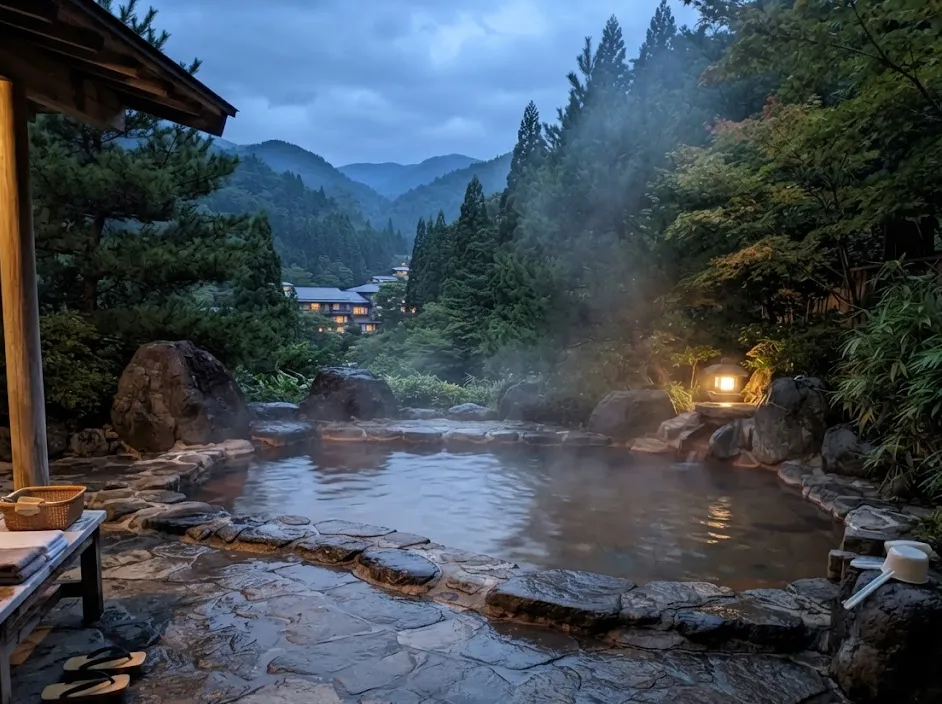
Why prepaying can be risky
If you pay for a room weeks in advance on Agoda, you are at the mercy of their refund policy if your plans change. Trying to get a refund during a nationwide transit disruption can take weeks of email communication, which is the last thing you want to do while on vacation.
When to use a prepaid rate
If you are traveling during peak cherry blossom season and the price difference is massive, prepaying might be unavoidable.
Only do this if you have solid travel insurance that covers hotel cancellations due to natural disasters. Always check the official site for cancellation terms before you commit.
User interface and modification features
Your ability to change a booking on the fly is essential for a two-week trip. You might decide to spend an extra night in Kyoto and skip a day in Nara, but some platforms make this process difficult.
Navigating Booking.com for changes
The interface on Booking.com is generally more intuitive for canceling or modifying dates. You can usually see a clear button that says “Change dates” or “Cancel booking” right in your dashboard. This visibility is vital when you are using a smartphone while riding a crowded train.
Agoda’s mobile experience
Agoda offers a great interface for finding last-minute deals. However, modifying a reservation is often buried behind several layers of menus. We have found it difficult to reach a human agent when a change is needed quickly on a weekend.
Choosing based on your accommodation type
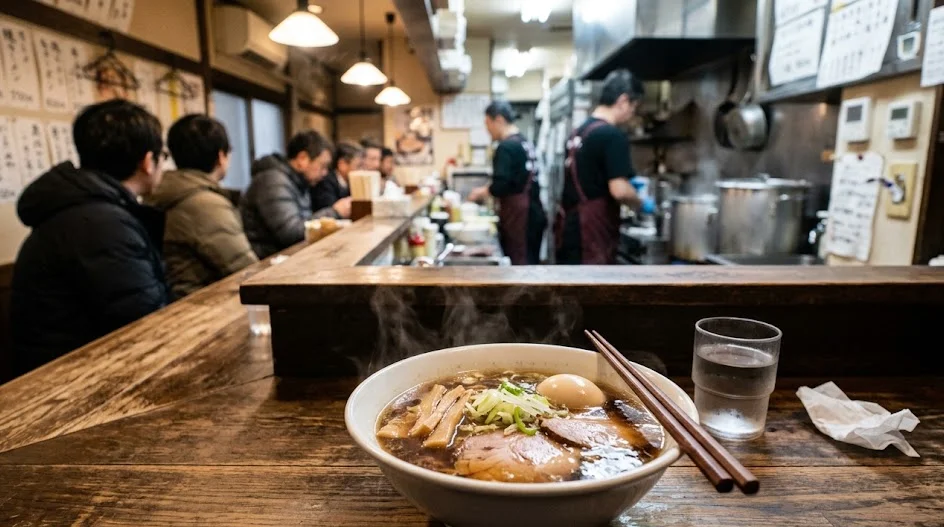
Not all hotels are equal, and neither are the booking sites. Large international chains and local business hotel groups often have different agreements with these platforms.
International hotel chains
If you are booking a large chain hotel near a major station like Tokyo Station, both platforms work fine. However, Booking.com often has better direct integration with these large systems. This means your confirmation arrives faster and is more likely to show up in the hotel’s computer immediately.
Independent ryokans and minshuku
For a traditional ryokan in a place like Hakone-Yumoto, we recommend checking Rakuten Travel alongside the major platforms. If that fails, Booking.com is usually the second-best option for these smaller properties. Their support team handles these local contracts with more consistency than Agoda.
Side by side comparison
← Swipe to see the full table →
| Platform | Best for | Pricing type |
|---|---|---|
| Booking.com | Reliability | ¥12,000–22,000 |
| Agoda | Budget deals | ¥10,000–20,000 |
| Rakuten Travel | Ryokans | ¥15,000–30,000 |
Plan your trip: the tools we use
Our pick: Booking.com for most first-timers due to the stress-free cancellation and payment model.
Partner link.
Alternatives to the big booking sites
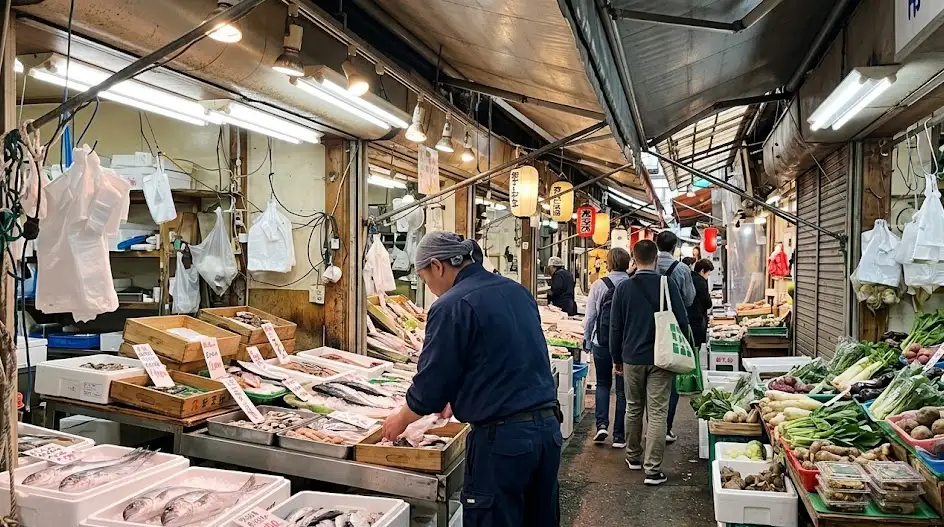
Sometimes the best way to book a room is not through a middleman at all. Smaller guesthouses often prefer direct bookings because they avoid the high commission fees charged by the major platforms.
Booking directly with the hotel
If you find a hotel you love, look up their official website. Often, they have a direct booking engine that offers the same or lower prices than Booking.com. This also guarantees they have your reservation correct, as it goes straight into their internal ledger.
Using official Japanese platforms
Sites like Rakuten Travel are built for the Japanese market and often list inventory that the global platforms miss. While the English interface can be clunky, it is a powerful tool for finding a room in a smaller town where the global sites show no availability.
Tips for a smooth reservation process
Step 1: Search on multiple sites
Check the price on Agoda and Booking.com for the same hotel.
Step 2: Verify the location
Use the map view to ensure you are actually near a station.
Step 3: Check the total
Click through to the final payment screen to see all taxes.
Step 4: Print the confirmation
Save a PDF or print the booking details for the front desk.
One time I booked a business hotel in Osaka, but I failed to notice the address was in a different district with the same name. Always double-check the Google Map pin provided on the confirmation page before you head to the station.
Don’t trust the map pin blindly
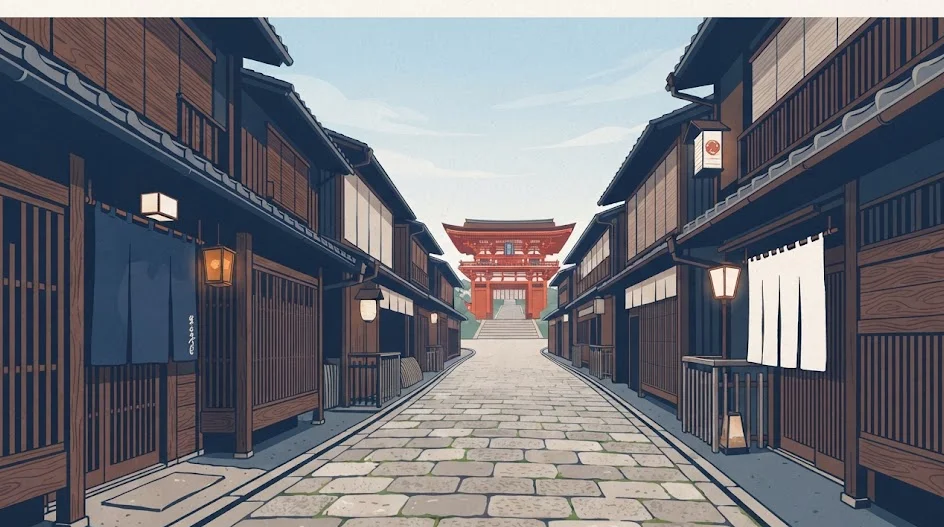
Sometimes these platforms put a pin in the middle of a city district rather than at the exact building. Copy the address into a search engine to confirm it is within walking distance of the train line you plan to use.
How we compare these platforms
We base these findings on our regular trips between Osaka, Kyoto, and Tokyo. We track price differences across the same properties in each city to see which platform provides the most accurate final total. We also monitor how quickly confirmations arrive at the hotel desk in our experience.
Our goal is to ensure you don’t arrive at your hotel only to find your booking missing. We have not tested every single property, so always confirm your reservation with the hotel directly if you are feeling anxious. Prices mentioned reflect general trends from early 2026.
Who these booking options serve best
If you are a first-time visitor on a 14-day trip, lean toward platforms that offer a safety net like Pay at Hotel. This keeps your cash flow flexible and gives you a better experience if plans shift.
Agoda is a powerful tool for the budget-conscious traveler who is willing to do extra work to ensure the final price is accurate. If you are comfortable comparing taxes and checking your own reservation status, the savings can be significant on a long trip.
Proactive communication and the pre-arrival audit
The biggest mistake travelers make is assuming a booking confirmation email is the final word in their travel planning. In Japan, the cultural emphasis on precision means that even small details, like a discrepancy in the number of guests or a misread arrival time, can cause friction at a busy front desk.
We recommend a pre-arrival audit for every reservation made on Booking.com or Agoda.
About one week before your flight, send a polite email directly to your hotel. This is especially vital if you have requested a non-smoking room or a high floor, as these features are often treated as requests rather than guarantees by third-party systems.
By confirming your details early, you accomplish three things: you verify the hotel has the correct record, you open a direct line of communication for late check-in requests, and you demonstrate that you are a prepared guest.
- Include your booking platform confirmation number clearly in the subject line.
- Specify your estimated time of arrival, particularly if it falls after 8:00 PM.
- Reiterate any dietary requirements if you are staying at a ryokan with meal service.
- Request an English-language map if you are staying in a remote area or a complex neighborhood.
If you find that the hotel does not respond or claims they have no record, do not panic.

This is your cue to reach out to the customer support team of your chosen platform.
It is much easier to resolve a “ghost booking” while you are still at home than while standing in a lobby after a 14-hour flight. Having a digital trail of your correspondence provides leverage if you need to demand a refund or an alternative booking due to platform error.
In our experience, Japanese hotel staff are incredibly accommodating when they know you are coming.
They appreciate the proactive step of confirming, and it often leads to a warmer reception upon your arrival. Whether you chose the convenience of Booking.com or the competitive pricing of Agoda, your own diligence is the final piece of the puzzle that ensures a seamless check-in experience across your journey.
Managing sold-out scenarios and alternative booking tactics
Japan experiences extreme seasonal fluctuations in hotel availability.
If you are traveling during Sakura season (late March to early April), you may find that every listed property on your preferred platform is sold out. It is a common frustration. When your top-tier choices disappear, you need a secondary strategy that moves beyond the standard Booking.com versus Agoda dynamic.

The first tactic is to expand your search radius.
Many travelers insist on being within walking distance of major hubs like Osaka Station or Kyoto Station.
However, Japanese train lines are remarkably efficient. If you look for hotels located two or three stops further out on the same rail line, you will often find inventory that is not only available but significantly cheaper.
If you still cannot find a room, check domestic-focused platforms like Jalan or Rakuten Travel.
These platforms often retain inventory specifically for the local market, including rooms in smaller, independent hotels that do not bother listing on global sites. Even if you have to use a browser translator, the effort is worth it to secure a room.
Emergency strategies when inventory hits zero
- Expand your search: Shift your base to a secondary city that is connected by a rapid train line.
- Utilize business hotel chains: Look at major Japanese chains like APA Hotel, Toyoko Inn, or Dormy Inn via their official sites.
- Check capsule hotels: For a single night during a major event, a high-end capsule hotel can be a clean, safe, and surprisingly comfortable stopgap.
- Consider split stays: If you cannot find a single hotel for the full duration of your trip, try booking two different properties in the same city.
When you are in a pinch, avoid the urge to book a suspicious-looking property that has no reviews just because it is the last one left.
It is safer to pay a premium for a reputable chain hotel than to risk a last-minute cancellation by an unknown host.
Always check the official site for final pricing and verify the cancellation terms before confirming a backup booking. Planning for a “plan B” accommodation before you arrive in Japan will prevent you from being stranded during peak periods.
FAQ
QWill the hotel be able to find my name if I book on Agoda?
Yes, usually. However, there can be a delay. If you are worried, email the hotel directly three days before you arrive with your confirmation number.
QIs it cheaper to use a VPN to get lower Japan rates?
We have not found this to be effective. The pricing is usually tied to your account profile or the region of your credit card rather than your current IP address.
QWhat if I arrive and the hotel says they have no room?
Call the platform immediately using their emergency support line. They are responsible for rebooking you at a nearby property of equivalent or better quality.
QDo I need to pay for my room with a specific currency?
Always pay in Japanese Yen at the hotel front desk or on the site. Using your home currency often triggers a hidden exchange fee from the site or your bank.
QAre taxes always included in the price I see?
Rarely. You should expect to pay an extra percentage for the consumption tax and sometimes a small local fee. Always check the final checkout screen.
Planning the logistics of a trip across Japan can feel like a high-stakes puzzle.
Rather than obsessing over every site, lock in your core bookings and leave enough flexibility to manage the inevitable surprises of travel.
Keep planning
- ① Install and test your eSIM before take-offAiralo and Ubigi eSIMs activate on arrival, but the install itself needs Wi-Fi. Do it at home and confirm the profile shows up in your phone settings.
- ② Save your first hotel’s address in JapaneseTaxi drivers and station staff read Japanese addresses far faster than romanised ones. Copy it from the booking confirmation into your notes app.
- ③ Set aside cash for day oneMany small restaurants, temples and rural buses are still cash-only. Airport ATMs at 7-Eleven and the post office accept most foreign cards.
Skip these and your first hour in Japan goes on finding Wi-Fi at the station instead of getting to your hotel.
🔍 How to sanity-check any price you read online
Blogs (including this one) go out of date. The official page always wins over a screenshot from two years ago.

Cover Photo: MichaelMaggs, CC BY-SA 3.0, via Wikimedia Commons