- Time needed
- 10–14 days
- Typical cost
- ¥12,000–25,000 per night
- Base
- Osaka (Umeda)
- Booking
- Hotels/Ryokan 3 months out
- Checked
- January 2026
Top picks
Where we would book this
Booking.com
Largest inventory in Japan for English-speaking travellers
- Best for
- Hotels, business hotels, ryokan and apartments in every city
- Checked
- September 2026
Official site. Same price for you.
Where we would book this
Klook
One account for passes, tickets and transfers
- Best for
- JR Pass and regional rail passes, theme-park tickets, airport…
- Checked
- September 2026
Official site. Same price for you.
Some links are affiliate links (marked “Partner link”). Prices are ranges checked in 2026; confirm on the official site before you book.
The 9:15 PM platform at Kyoto Station is a sea of tired tourists clutching plastic shopping bags and heavy suitcases. You watch a crowded bus crawl toward the bus stop while the humidity clings to your skin.
You realize your hotel is still another thirty minutes away by local transit. Choosing Osaka over Kyoto as your primary base saves you from this specific type of evening exhaustion.
Choosing a base: The three factors that decide your rhythm
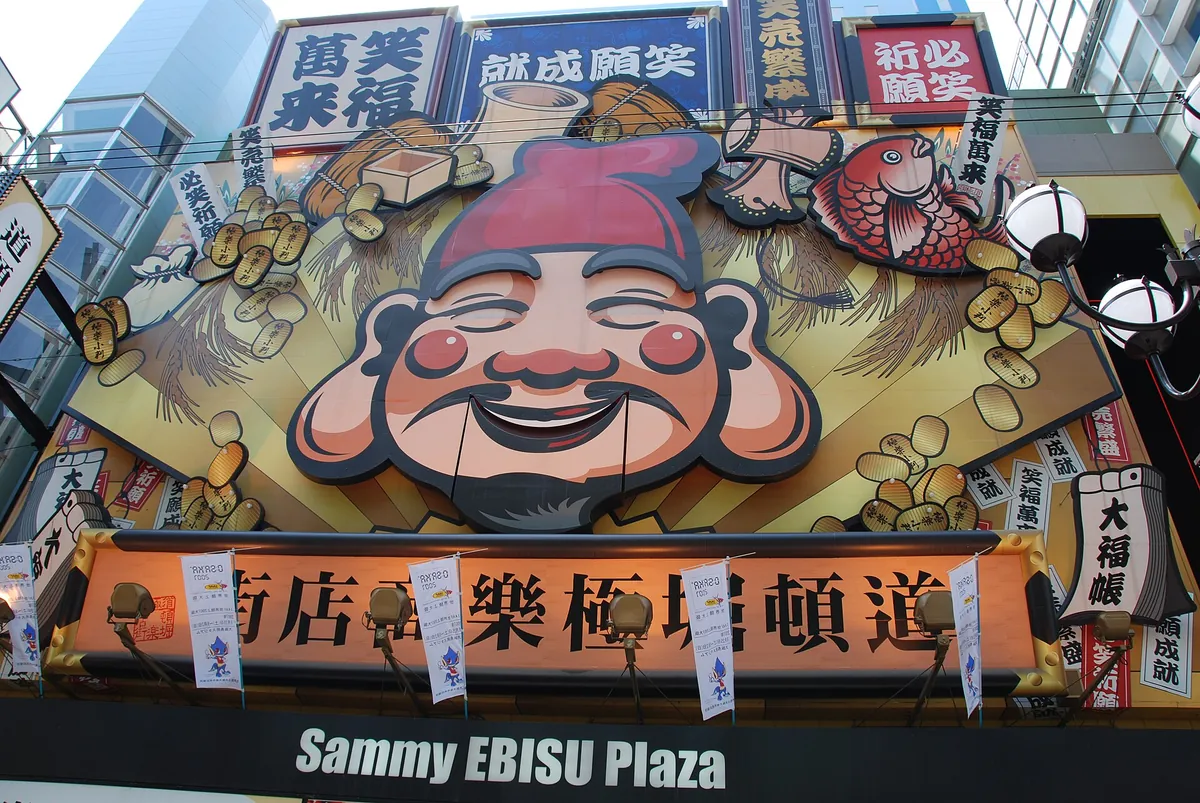
Most travelers struggle because they view Osaka and Kyoto as interchangeable destinations. In reality, they serve completely different functions in your itinerary.
Transportation efficiency is your first consideration. If you want to visit Nara, Kobe, or Himeji without moving your luggage, the hub-and-spoke rail system of Osaka provides a significant advantage over the localized bus-heavy infrastructure of Kyoto.
Evening flexibility is your second factor. Osaka stays awake well past midnight, offering endless dining options that do not require reservations or bus connections. Kyoto shifts into a quieter, more traditional pace that is beautiful but logistically limiting after 9 PM.
Morning accessibility is your third priority. If your goal is to photograph temples before the tour buses arrive, staying within walking distance of those sites is the only way to beat the crowds.
- I want easy access to Kobe and Nara.
- I prefer nightlife and late-night food.
- I want to see temples at 7 AM.
- I dislike changing hotels mid-trip.
- I have heavy luggage to manage.
- I want to minimize daily commute times.
Why Osaka wins for first-time efficiency
The Umeda transport hub advantage
Umeda (Osaka Station) is the central nerve of the region. From here, you can reach Kyoto in 30 minutes, Kobe in 25 minutes, and Nara in 45 minutes on clean, frequent express trains.
Staying here means you never waste time navigating local bus congestion. It is the best place to use a rail pass or simply buy tickets at the machines as you go. For example, check options on Booking.com for hotels near the Midosuji Line for the best connectivity.
The Namba district for food and nightlife
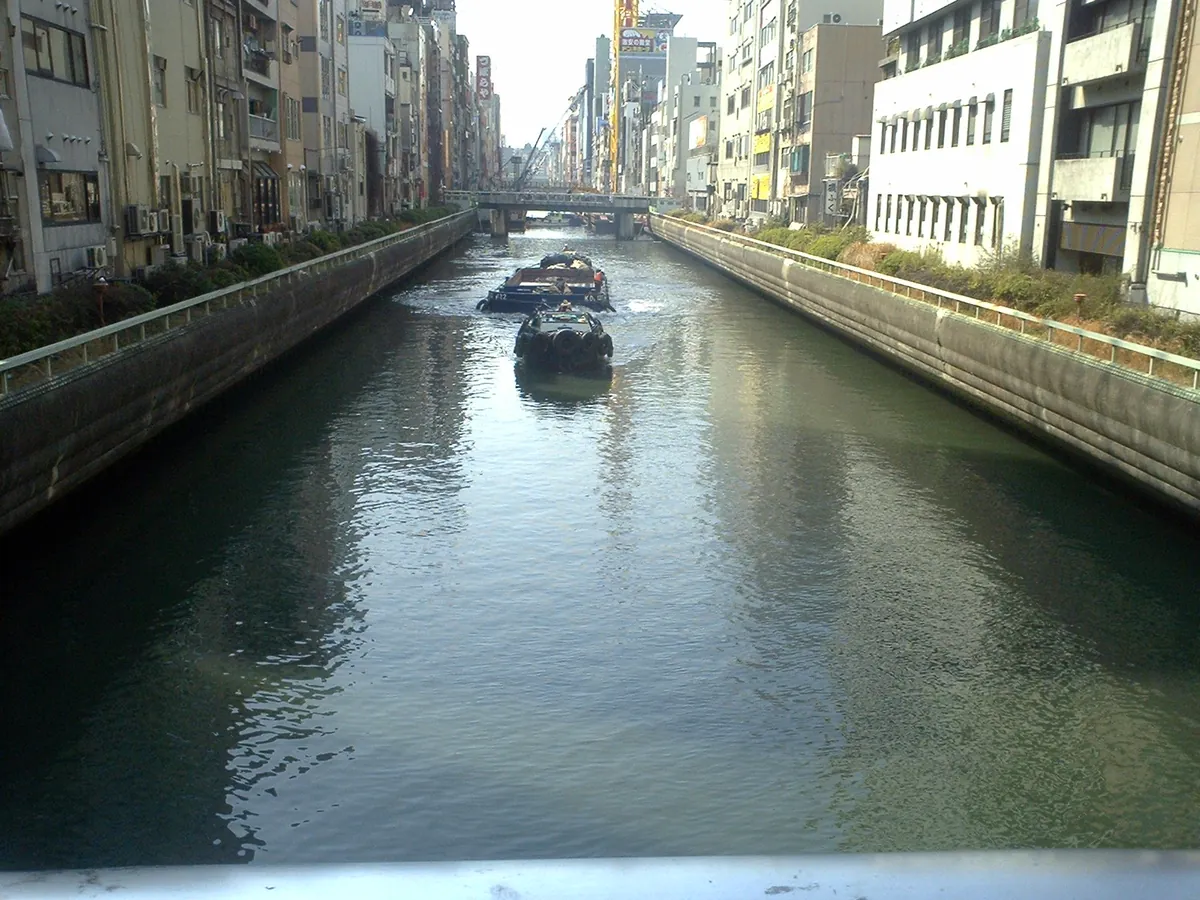
If you prefer a more energetic atmosphere, Namba puts you in the heart of the Dotonbori district. You can find late-night ramen and standing bars until the early morning hours.
This is perfect for travelers who want to drop their bags and immediately engage with the city. You can book a business hotel in this area through Agoda to keep your costs in a reasonable range of ¥12,000–¥20,000 per night.
Comparing Osaka to Kyoto for day-tripping
Osaka connects directly to the regional rail network, allowing you to choose your morning destination based on the weather. If it rains in Kyoto, you can pivot to indoor shopping in Osaka instead.
Kyoto, by contrast, relies on a grid of buses that often get stuck in the same traffic you are trying to avoid. One mistake many travelers make is staying in western Kyoto and trying to go to Nara; it takes twice as long as doing the same trip from an Osaka station.
When and why to choose a Kyoto base
The allure of the temple-side morning
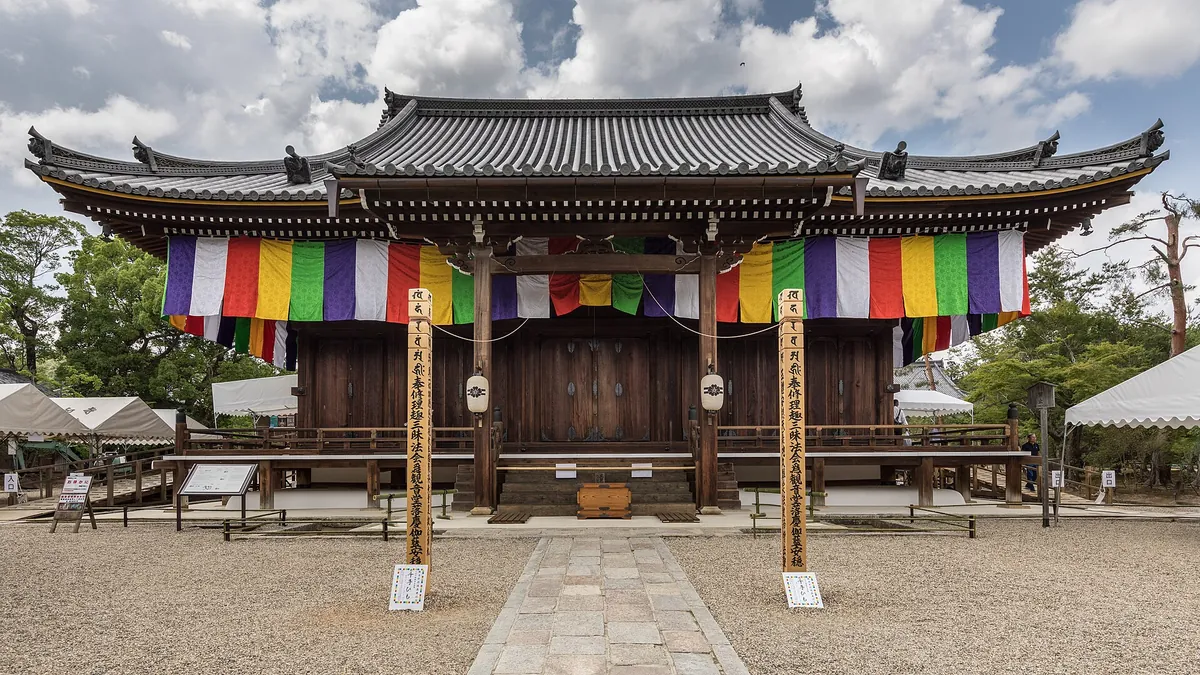
You should only stay in Kyoto if you plan to walk to major sights like Kiyomizu-dera or Fushimi Inari before the day-trippers arrive from Osaka. This requires staying near the specific neighbourhood you care about most.
The quiet of the Higashiyama district at 6 AM is worth the logistical trade-off of a more expensive hotel. Check current availability for local guesthouses on Rakuten Travel to find smaller, quieter options.
Avoiding the late-night bus struggle
Kyoto is not designed for late-night movement. If you stay in a peripheral area, you will be entirely reliant on taxis once the bus lines stop running, which can easily cost ¥2,000–¥3,000 for a short trip.
Stay near the subway line or the main Kyoto Station if you choose this path. It provides a buffer against the city’s overall lack of late-night infrastructure.
Side-by-side: Choosing your home base
← Swipe to see the full table →
| Feature | Osaka | Kyoto |
|---|---|---|
| Transit | ¥400–¥800 | ¥200–¥500 |
| Hotel Cost | ¥10,000–¥20,000 | ¥15,000–¥30,000 |
Plan your trip: the tools we use
Our pick: Osaka for 80% of travelers, Kyoto for the “dawn patrol” crowd.
Partner link.
The split-base strategy: The best of both worlds
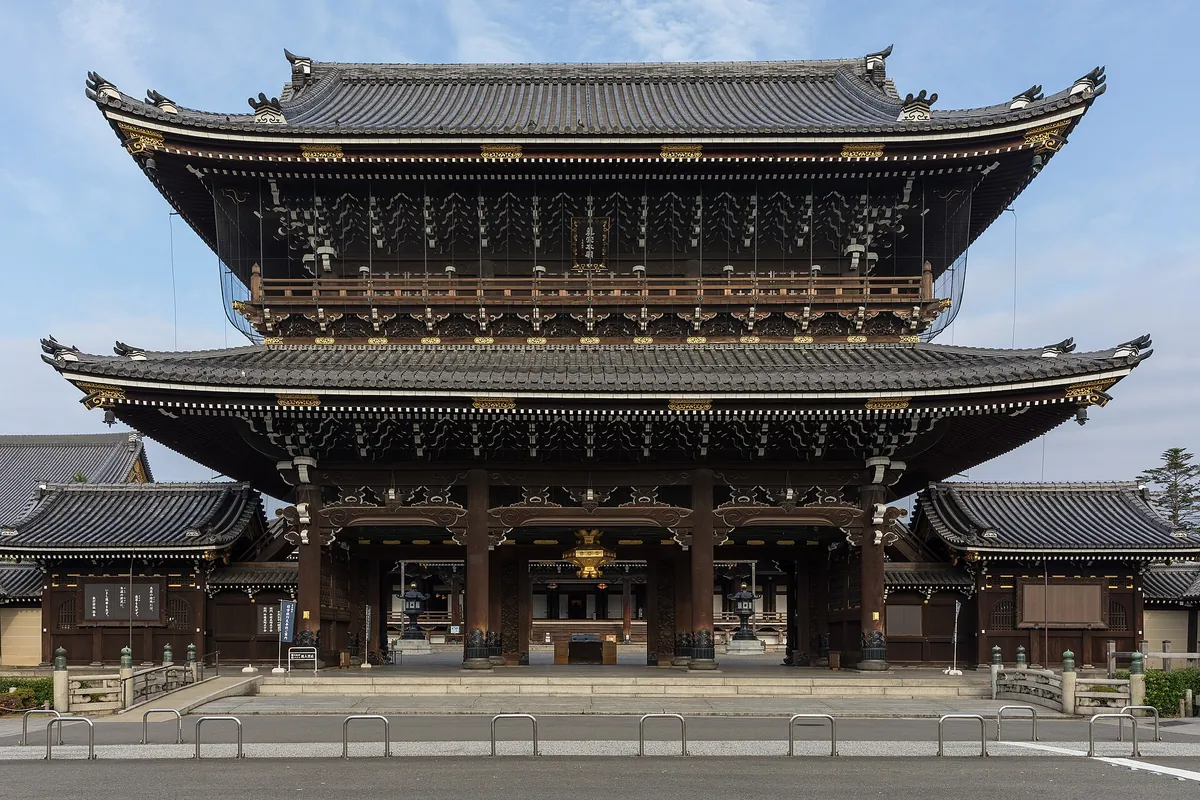
Planning your two-day Kyoto escape
If your trip is 10 days or longer, do not force a single base. Spend the first two nights in a Kyoto ryokan to experience the traditional atmosphere without the pressure of commuting.
This lets you see the sunrise at the Golden Pavilion without waking up at 5 AM in Osaka. You can use a service like Yamato Transport to forward your heavy luggage to your Osaka hotel, leaving you free to move through the city with just a day pack.
Relocating to Osaka for the remainder
After your Kyoto stay, move to Osaka for the rest of your trip. This gives you a fresh, energetic base for the second half of your vacation.
You will find it much easier to handle your remaining sightseeing from the Osaka hub. It simplifies your departure logistics if you are flying out of Kansai International Airport (KIX) as well.
Common mistakes when picking a base
Step 1: Ignoring luggage
Never move hotels with heavy bags during peak morning train hours (7:30 AM–9 AM). Use a luggage forwarding service instead.
Step 3: Overestimating rail passes
Don’t buy a regional pass until you map your days. Often, simple tap-and-go cards or single tickets are cheaper than a pass.
According to the Japan National Tourism Organization (JNTO), staying in northern districts distant from main rail lines increases transit times significantly, often resulting in extended daily commute durations.
Navigating peak-season availability and booking failures
The biggest risk when choosing a base is the sudden unavailability of rooms, especially during cherry blossom season or the Gion Matsuri. Kyoto inventory disappears months in advance, often leaving travelers stranded with only expensive, non-refundable options in the suburbs.
If your preferred base is sold out, do not panic and book the first listing you see on Booking.com.
Instead, look at the transit map and identify the “commuter sweet spots” between the two cities. Areas like Juso or Shin-Osaka in the north of Osaka provide nearly the same transit ease as a city-center hotel while offering significantly more inventory.
Emergency strategies when your plan fails
- Expand your search radius: Look at hotels along the Hankyu Kyoto Line or the Keihan Main Line. These private rail lines connect directly to the center of Kyoto, meaning you can stay in a cheaper Osaka suburb and still be at a Kyoto temple within 40 minutes.
- Utilize late-release windows: Many hotels in Japan have a 14-day cancellation policy. If you cannot find a room now, check back exactly two weeks before your target date; rooms often flood back into the system as other travelers refine their plans.
- Separate your party: If you are traveling as a group, it is often easier to find two separate business hotels than one large family room. Using platforms like Agoda to filter for “two rooms” rather than “one suite” will reveal inventory that was previously hidden.
- The “Business Hotel” fallback: If everything in Kyoto is over budget, pivot entirely to an Osaka business hotel near a major JR station. These properties are built for efficiency and are rarely fully booked, even when boutique ryokans in Kyoto are at capacity.
Always verify the proximity to the nearest rail station using a satellite map. If the hotel claims to be “near Kyoto,” ensure it is within 500 meters of a station, or you will be walking an extra mile every single day after you are already exhausted from sightseeing.
Data requirements and digital connectivity for your base
Setting up your digital infrastructure is just as important as choosing your hotel location. Whether you are using Osaka as a hub or Kyoto as an atmospheric base, you need reliable data connectivity to navigate real-time train schedules and sudden service changes.
The average traveler uses 300MB to 500MB of data per day when relying on Google Maps and translation apps. If you plan to upload high-resolution photos or use video calls, you should expect to double that usage. Always set up your eSIM before you step off the plane at Kansai International Airport.
Connectivity tools for the flexible traveler
- eSIM services: Airalo and Ubigi provide instant activation. Purchase these while you are still home, as they require a stable Wi-Fi connection to download the profile.
- Pocket Wi-Fi: If you have a group of three or more, consider a rental device from Klook or local providers. It is often more cost-effective than buying multiple individual data plans.
- Offline maps: Download the Osaka and Kyoto regions in Google Maps while you are at your hotel. This ensures you have navigation even if you enter a subway tunnel or encounter a dead zone in the rural outskirts.
- Restaurant bookings: Many authentic spots in Kyoto require local phone numbers for reservations. If you have a data-only eSIM, you may need to use a concierge service or a platform like GetYourGuide to handle bookings that require a domestic contact.
Connectivity also impacts your safety. If you find yourself in a Kyoto district where the buses have stopped running, having a working map allows you to find the nearest train station or order a taxi via an app.
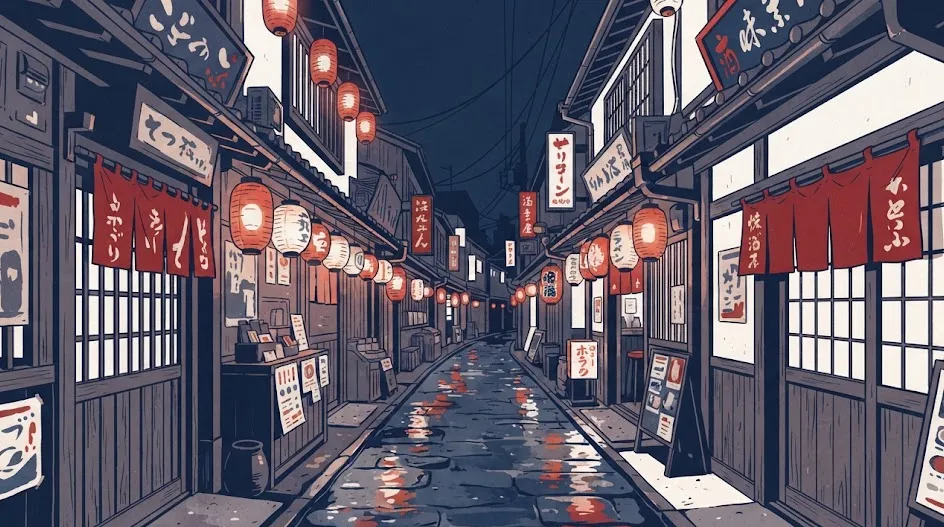
Never rely solely on free public Wi-Fi, as it is notoriously spotty and often requires a cumbersome registration process that does not work with all international phones.
Check the cost of data packages on your chosen app periodically. For a 10-day trip, expect to pay between ¥1,500 and ¥3,000 for a robust data plan. Confirm the coverage maps on the provider’s official site to ensure you have 5G access in both the urban core of Osaka and the quieter temple areas of Kyoto.
Beyond the rails: mastering localized luggage management
One of the most frequent points of failure when basing yourself in Osaka is the physical burden of managing bags. Luggage is the silent enemy of the flexible itinerary, especially when you are trying to catch a morning train to Kyoto or Nara.
Many travelers try to haul large suitcases onto crowded commuter trains during rush hour. This is physically exhausting and often frowned upon by locals who are trying to reach their offices on time.
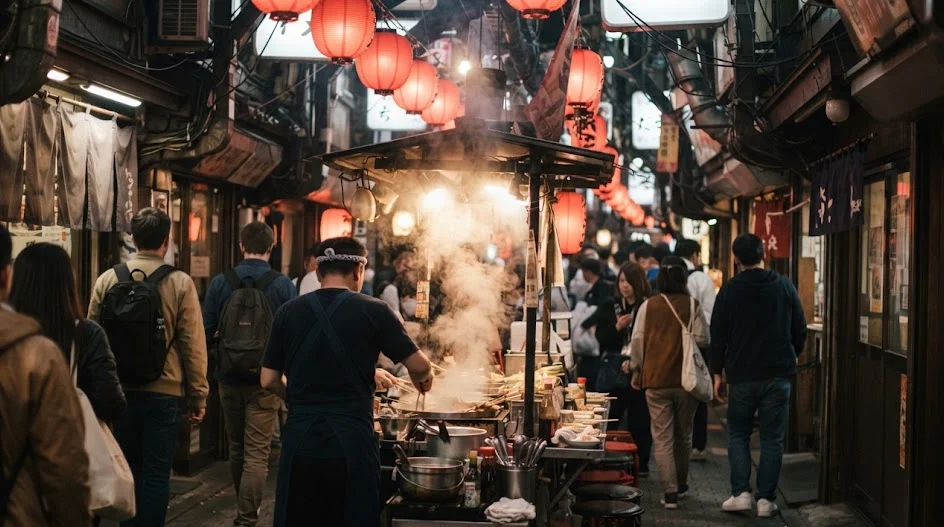
The solution is to embrace the local culture of baggage forwarding, known as Takkyubin. It is quite simply the most efficient way to travel in Japan.
You can have your suitcases sent from your hotel lobby in Osaka directly to your next destination for a range of ¥2,000–¥3,500; confirm the final price on the official site of Yamato Transport or Sagawa.
Strategic luggage staging
- The “day-trip” bag: Always carry a small backpack for your essentials. This allows you to navigate crowded bus lines in Kyoto without worrying about your gear.
- Hotel-to-hotel forwarding: Ask your hotel reception to help you fill out a luggage forwarding form. They will handle the dispatch, and your bags will usually arrive at your next hotel by the following morning.
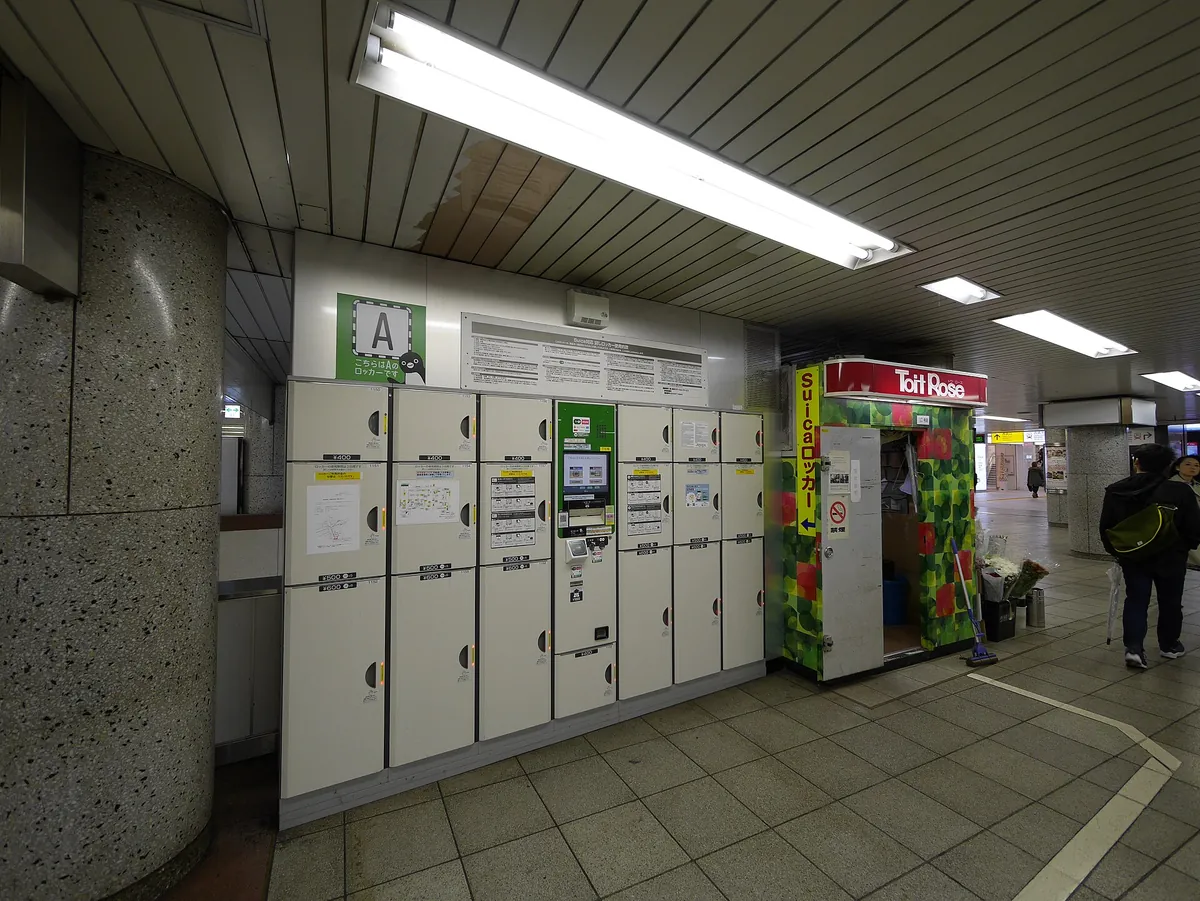
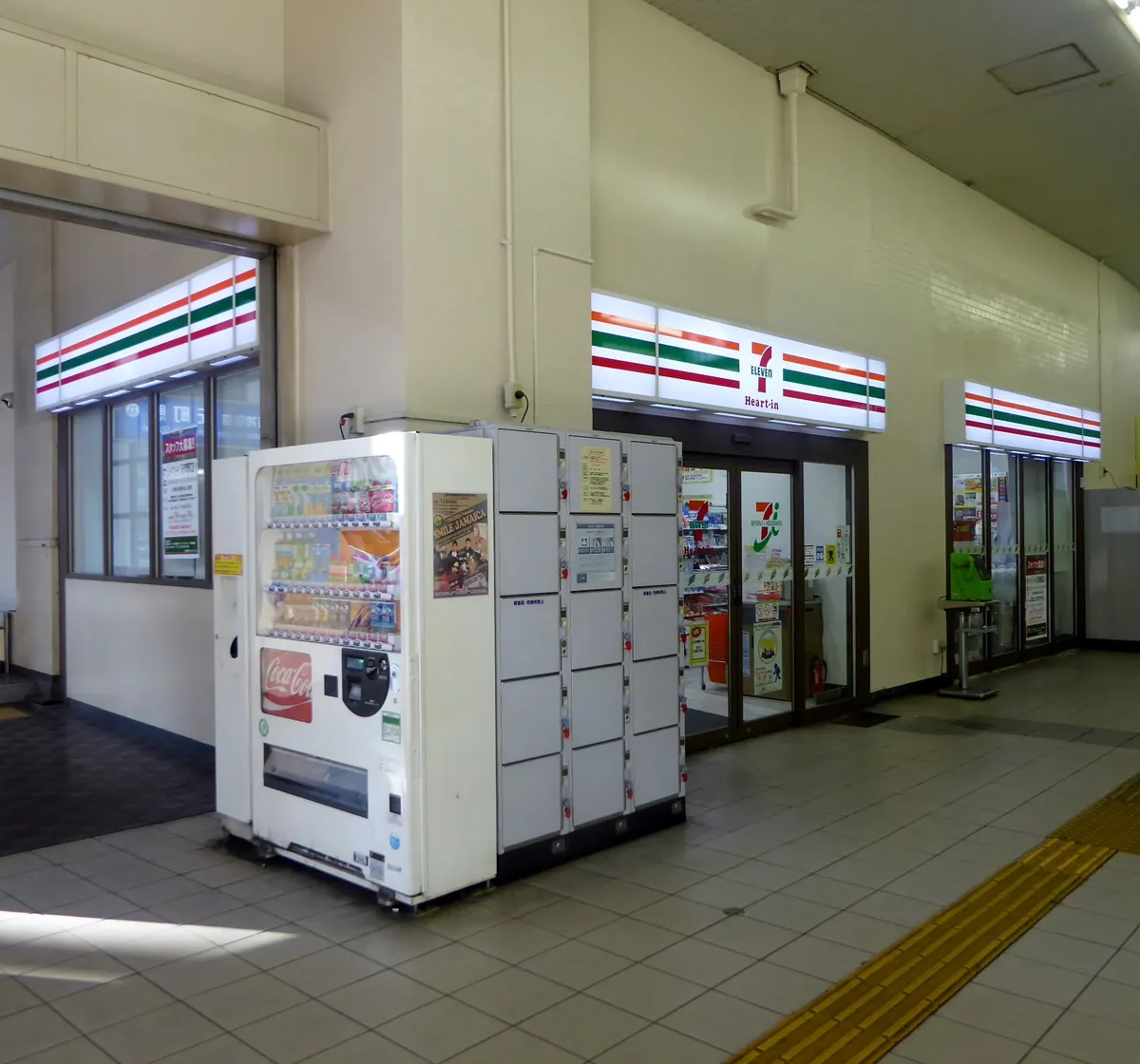
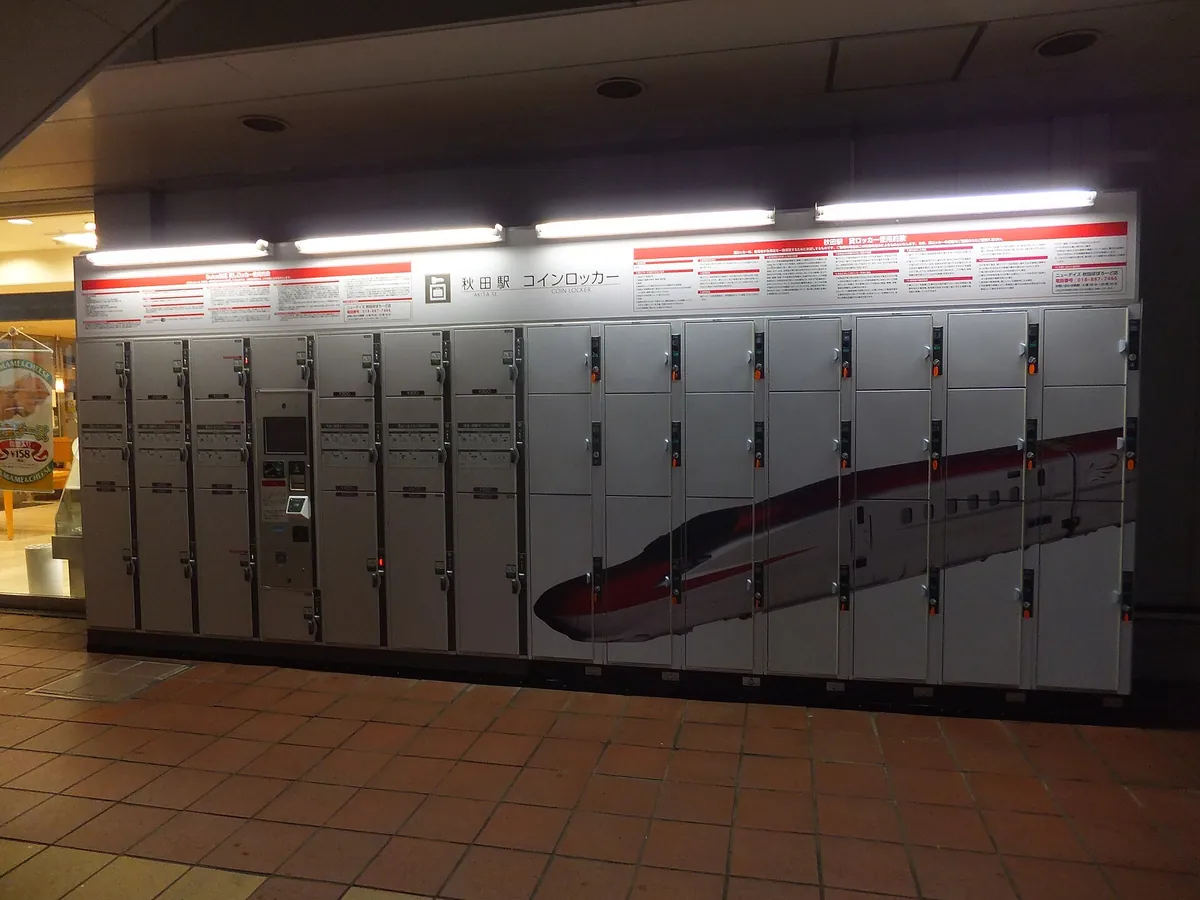
- Station lockers: If you are moving between cities and decide to stop at a midway point, use the coin lockers at major stations. These cost between ¥500–¥1,000 per day; bring plenty of 100-yen coins or a Suica/Pasmo card.
- The KIX advantage: If you arrive at Kansai International Airport late, use the luggage delivery desk to send your bags directly to your hotel. This lets you take the train into the city hands-free.
Luggage forwarding turns a potentially stressful move into a seamless experience. By separating your overnight gear from your main suitcase, you maintain the agility needed to explore Kyoto’s narrow alleyways or Osaka’s vertical shopping malls without being tethered to a massive load.
The role of local connectivity in reservation systems
When you base yourself in Osaka, you might assume that your home-country phone number is enough to manage your travel. However, you will quickly discover that many booking platforms and reservation systems in Japan prefer, or sometimes require, a local contact number to finalize appointments.
This is particularly true for high-end dining in Kyoto or niche tour operators found on platforms like GetYourGuide or Klook. If you provide an international number, you may find that your booking request is ignored or rejected by the venue’s automated system.
The best way to bridge this gap is to use a digital-first approach. Many modern eSIM providers like Airalo or Ubigi now offer data-only packages, but if you need to make frequent calls, look for providers that include a temporary local number or use an internet-based service.
Managing reservations with digital tools
- Use your hotel as the contact: For most standard restaurant reservations, the restaurant will accept your hotel’s phone number as the primary point of contact. Always keep your booking confirmation handy.
- Concierge services: If you are booking a specialized kaiseki dinner in Kyoto, use the concierge service at your hotel. They have the local knowledge and the established relationships to secure tables that are otherwise unavailable to tourists.
- Digital reservation platforms: Apps like TableCheck or OpenTable are your best friends in Osaka. They are designed for international users and rarely require a Japanese phone number to secure a booking.
- Avoid the “no-show” trap: If you use an app to book a meal, ensure your notifications are turned on. If the restaurant needs to confirm your arrival, they will send a push notification rather than calling you.
Reliable connectivity acts as your buffer against the friction of language and local logistical requirements. By ensuring your phone is set up correctly before you land, you spend less time troubleshooting connectivity issues and more time enjoying the convenience of your chosen base.

FAQ
QIs it cheaper to stay in Osaka?
Generally, yes. Osaka offers a higher volume of business-class hotels, which keeps the price range competitive, often around ¥10,000–¥18,000 a night. Kyoto hotels often carry a premium for location.
QHow do I travel between the two cities?
Use the JR Special Rapid Service or the Keihan/Hankyu lines. The journey takes 30–45 minutes and costs a range of ¥400–¥800 per person, depending on your route. Check the official site for real-time traffic updates.
QWhat is the most important app for transport?
Google Maps is essential. It provides accurate platform information and real-time train departure schedules, which prevents 90% of navigation errors.
QDo I need a Japan Rail Pass?
Whether the pass pays off depends on your route. Add up the individual fares for your intercity travel first; usually, for a single Kansai-based trip, you do not need one.
QWhat if my flight arrives late?
If you land at KIX late at night, stay in an Osaka airport hotel or near Namba Station. Do not attempt to travel to Kyoto after 10 PM on your first day.
Planning the logistics of your stay can feel like choosing between two equally great versions of your trip.
Lock in your main base based on your transit needs and adjust your daily plans when you arrive.
Keep planning
- ① Install and test your eSIM before take-offAiralo and Ubigi eSIMs activate on arrival, but the install itself needs Wi-Fi. Do it at home and confirm the profile shows up in your phone settings.
- ② Save your first hotel’s address in JapaneseTaxi drivers and station staff read Japanese addresses far faster than romanised ones. Copy it from the booking confirmation into your notes app.
- ③ Set aside cash for day oneMany small restaurants, temples and rural buses are still cash-only. Airport ATMs at 7-Eleven and the post office accept most foreign cards.
Skip these and your first hour in Japan goes on finding Wi-Fi at the station instead of getting to your hotel.
🔍 How to sanity-check any price you read online
Blogs (including this one) go out of date. The official page always wins over a screenshot from two years ago.
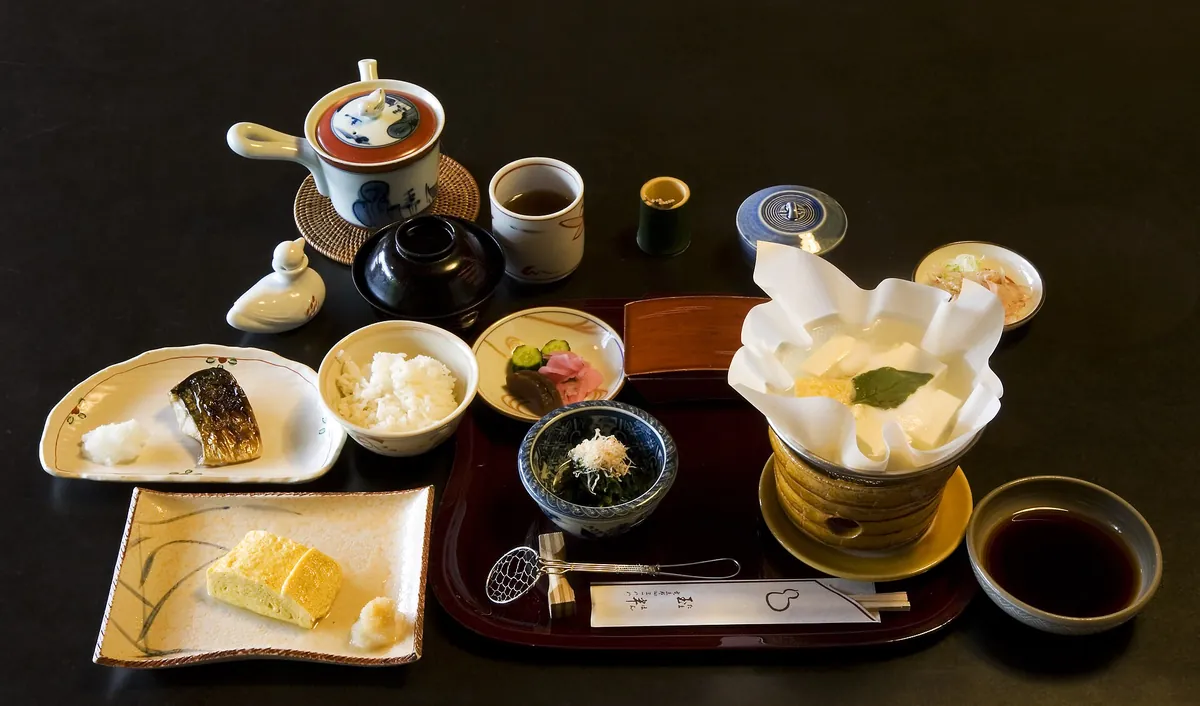
Cover Photo: Basile Morin, CC BY-SA 4.0, via Wikimedia Commons