
- Morning: Fuji Excursion train from Shinjuku Station
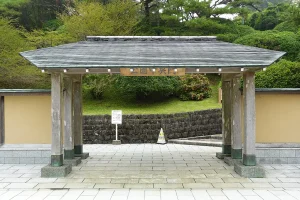
- Mid-day: Arakura Sengen Shrine and Lake Kawaguchiko
- Afternoon: Oishi Park and local lakeside dining
- Best for: Travelers with a flexible 24-hour weather window
- Budget: ¥8,000–12,000 per person including snacks
- Pass: IC card plus individual Fuji Excursion seat reservation
A Mt. Fuji day trip is not a sightseeing goal; it is a high-stakes gamble on the weather that hinges entirely on your ability to pivot when the clouds roll in.
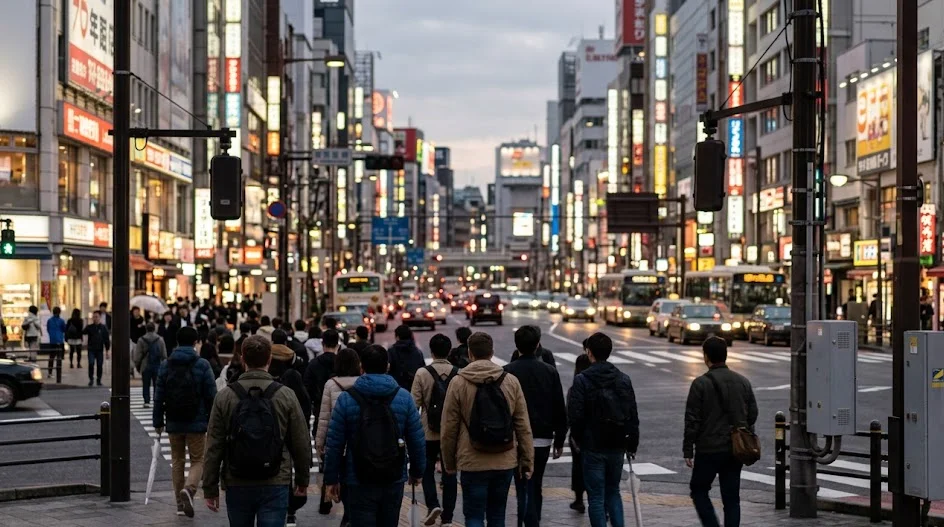
If you are only doing Tokyo, close this and read the Tokyo-only plan. This itinerary is strictly for those willing to brave the morning commuter surge for a chance at a clear view. Only have four days? You might want to stay local.
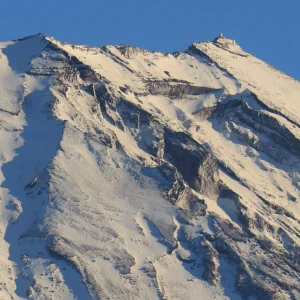
To see the mountain, skip the rigid schedules of pre-packaged bus tours. Instead, ride the Fuji Excursion train and commit to a flexible, self-guided route that puts you in front of the peaks by 9:00 AM.
- Time needed
- 1 full day
- Typical cost
- ¥10,000
- Base
- Shinjuku
- Booking
- Train seats only
- Best season
- Winter/Spring
Some links are affiliate links (marked “Partner link”). Prices are ranges checked in 2026; confirm on the official site before you book.
The 2026 strategy for clear views
Mt. Fuji is notoriously shy. In my experience, even the most promising forecast can turn into a thick blanket of gray mist within an hour of your arrival.
The only way to win is to treat this as a day trip you can abandon. If the live webcams at Lake Kawaguchiko show clouds, do not leave your hotel.
Spend the day in Tokyo instead and try again tomorrow. Flexibility is more valuable than any pre-paid ticket.
Why the Fuji Excursion train beats the highway bus
Taking the bus via the Chuo Expressway is a recipe for heartbreak. You risk being trapped for six hours in bumper-to-bumper traffic if an accident occurs. Sound familiar?
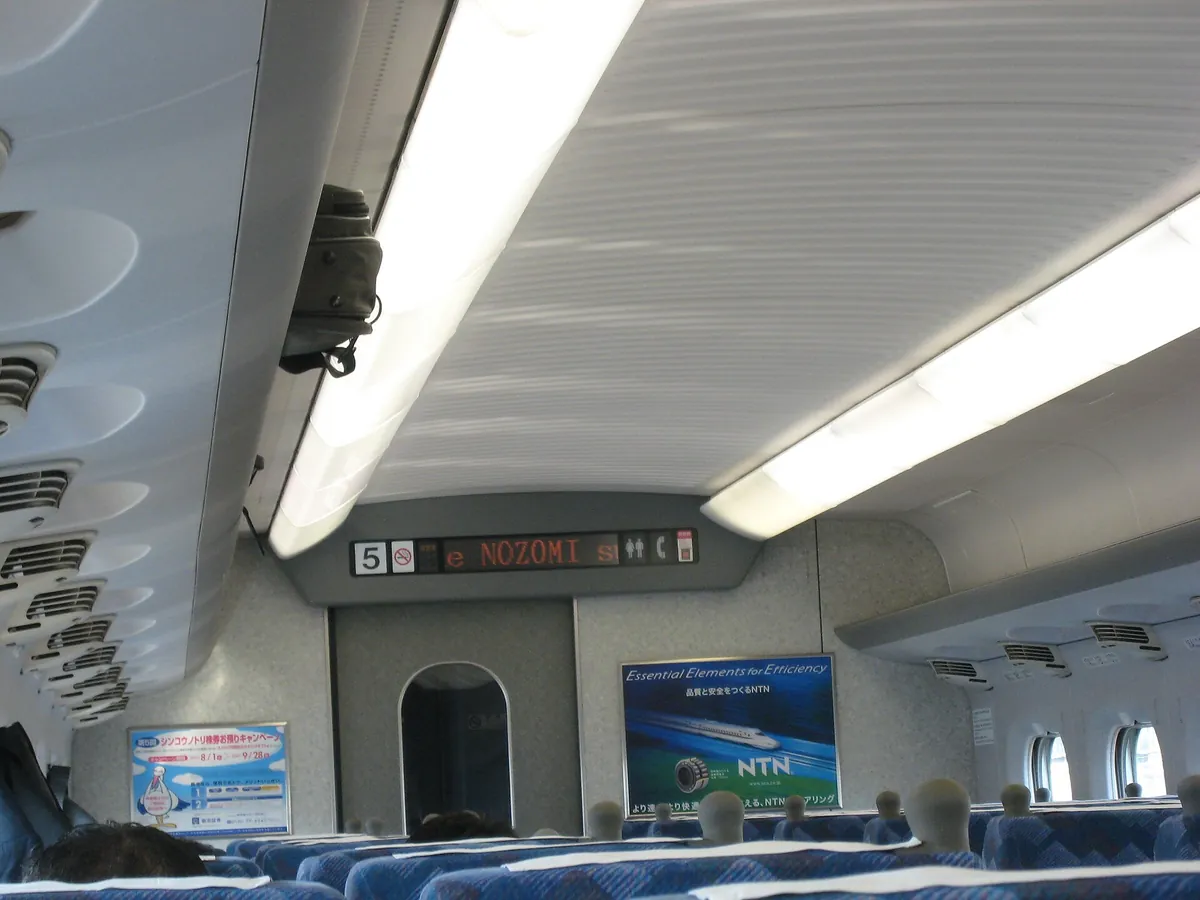
The Fuji Excursion train operates on a fixed track. It is the only way to ensure you arrive at your destination with your sanity intact.
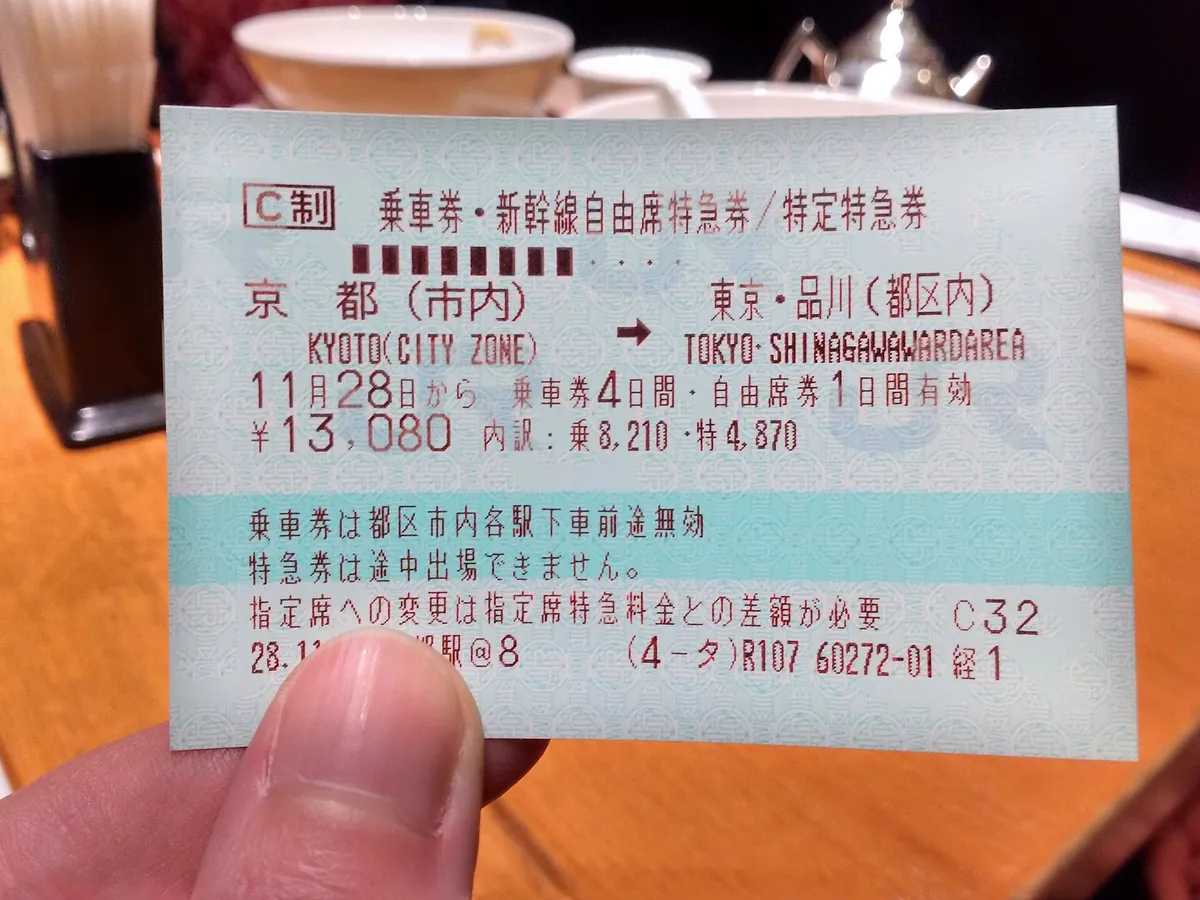
You can book your tickets on Klook or the official JR site. I always book my seat at least a week in advance to avoid the sold-out stress.
The benefit of independent timing
By taking the train, you dictate your own departure. If you reach the lake and the mountain is visible, you stay until the sunset paints the snow pink.
If the weather turns sour at noon, you are not chained to a tour group’s return bus. You simply walk back to the station and take the next train home.
Morning: Arakura Sengen Shrine and the classic view
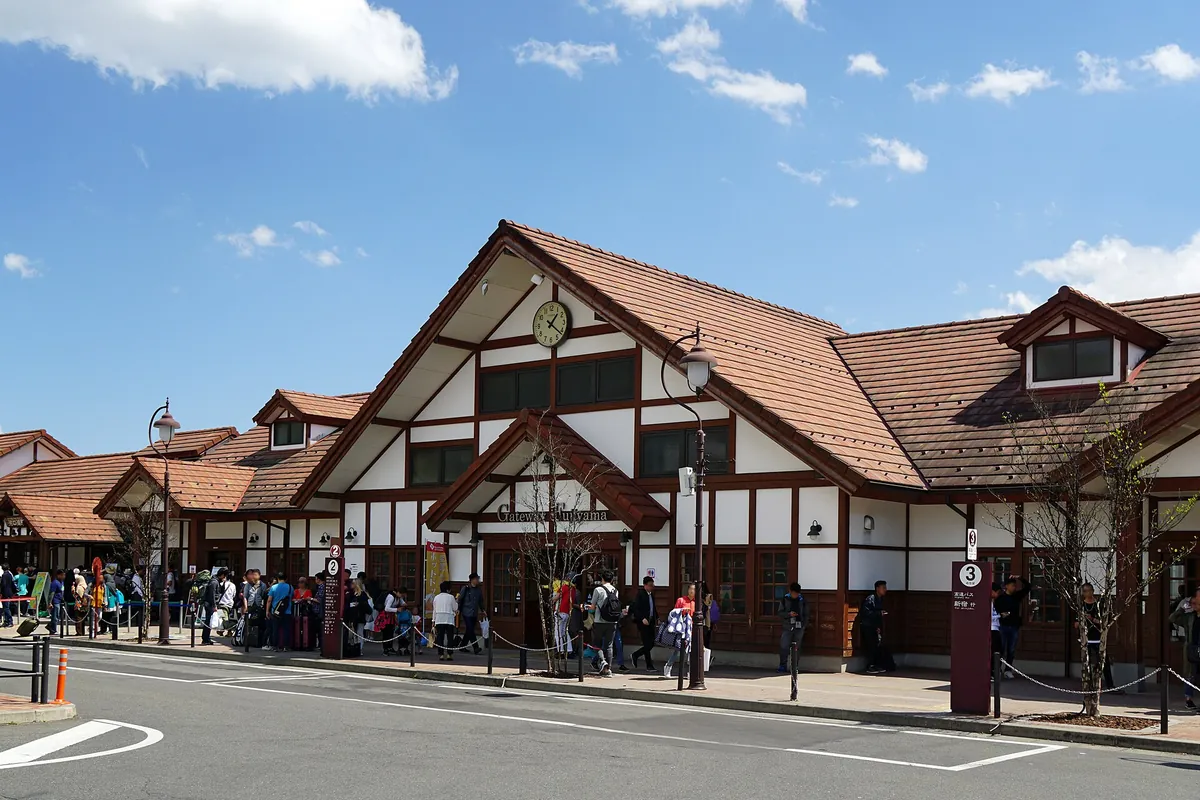
Your first stop should be the Chureito Pagoda. It is the vantage point that defines the Mt. Fuji experience for most travelers.
Get off at Shimoyoshida Station. It is a short train ride from the main Kawaguchiko hub, costing roughly ¥300–500 using your IC card.
The climb to the pagoda involves over 400 steps. It is steep, but the view of the five-story pagoda framed by the mountain is worth the sweat.
Avoiding the peak crowd surge
I suggest arriving here before 10:00 AM to beat the buses arriving from Tokyo. If you get there later, expect a queue for the main photo spot.
The walking path is clearly marked from the station. Once you reach the top, take a moment to breathe; this is where most people realize the hike was worth it.
Use this time to check your weather app for the afternoon. If the clouds are gathering, skip the later park stops and head to the lakefront early.
Lunch: Local Houtou noodles by Lake Kawaguchiko
After your morning hike, head back toward the lake. You need something warm to fuel the rest of your day, and Houtou is the regional specialty.
These are thick, flat udon noodles served in a miso-based soup with pumpkin and mountain vegetables. It is rustic, filling, and perfect for cold days.
Look for a local restaurant in the Kawaguchiko town area. Prices for a bowl typically range from ¥1,200 to ¥2,000, as of 2026.
Choosing your dining spot
Avoid the tourist traps directly in front of the main station. Walk five minutes toward the lake to find shops with fewer signs in English.
I once sat at a small place near the bus terminal. The owner served me a massive iron pot of noodles while I watched the mountain through a window.
That quiet lunch was the highlight of my trip. It provided a much-needed break from the morning commute and the initial rush of the shrines.
Afternoon: Finding the best angles at Oishi Park
Most visitors stay near the train station, but the real views are found by hopping on the local retro-bus. It runs along the northern shore.
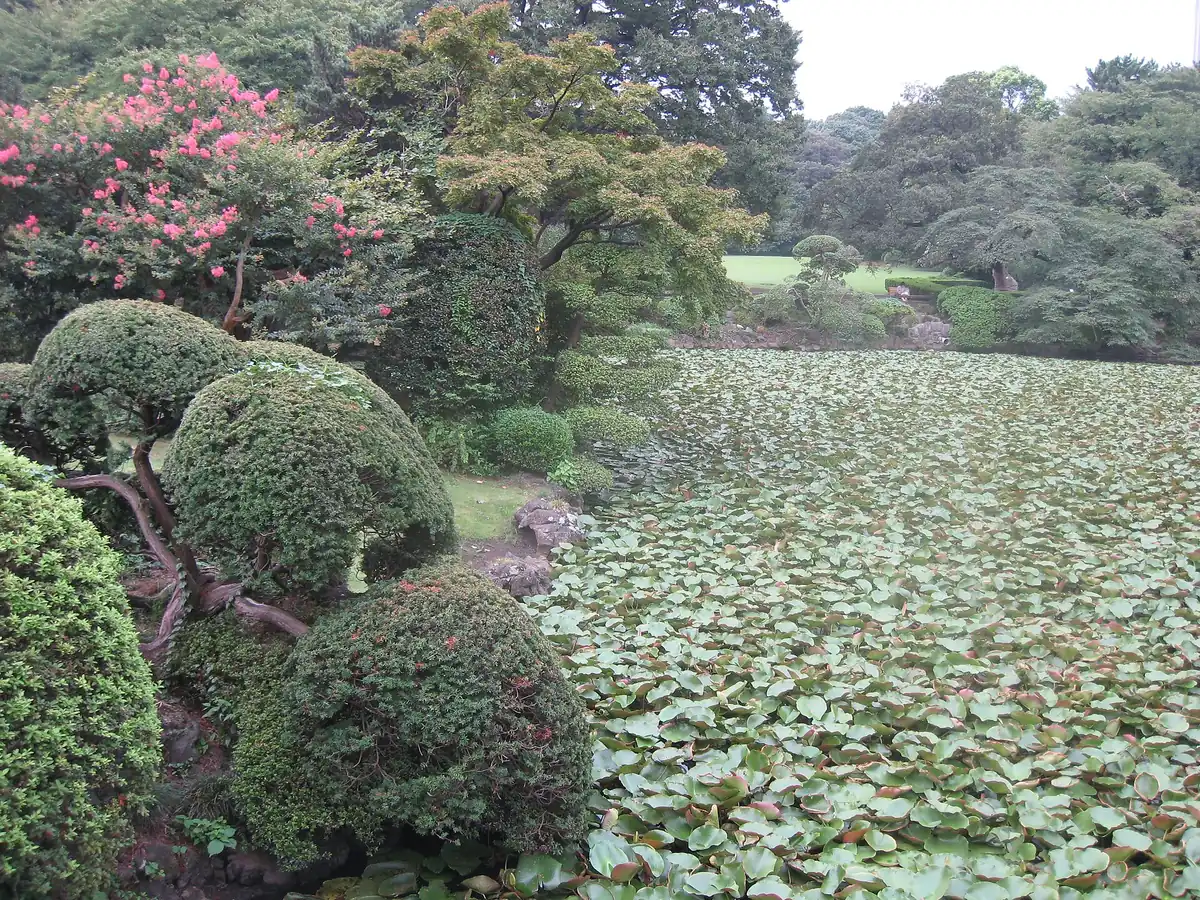
Head to Oishi Park for the best vantage point. It offers a wide, open view of the lake with the mountain as a backdrop in the distance.
The park is well-maintained and provides plenty of space to set up a camera. It feels much less congested than the pagoda site.
Taking the retro-bus effectively
Use your IC card to pay for the bus fare. It is a simple, repetitive loop that drops you off at the main park entrance within 20 minutes.
If you have time, walk along the shoreline path. The angle of the mountain changes slightly with every hundred meters you travel along the water.
I usually spend about two hours here. It is the best place to wait for the light to hit the slopes just right before you head back to Tokyo.
Late afternoon: The 5th Station verdict
Many guidebooks push the Mt. Fuji 5th Station. In my experience, it is a crowded trap that often hides the mountain in clouds.
You are essentially driving up into the fog. Unless you are planning to summit, the view from the base is often better than the view from the top.
I recommend skipping the 5th Station entirely. Save your money and your time for a nicer dinner back in Shinjuku instead.
When to make an exception
If you are obsessed with the idea of standing on the slope, go only if the morning is perfectly clear. If there is any haze, do not bother.
You can check live camera feeds on the official tourism site. If you see white fog at the 5th station, stay at the lake level where it is clear.
Trust your instincts. There is nothing more frustrating than spending an hour on a winding bus ride only to find yourself inside a cloud bank.
Where we would book this
Booking.com
Largest inventory in Japan for English-speaking travellers
- Best for
- Hotels, business hotels, ryokan and apartments in every city
- Checked
- September 2026
Official site. Same price for you.
How to time your visit for the best weather conditions
Monitor the mountain webcams starting three days before your departure. Look for patterns in how the clouds form around the summit in the afternoon.
Winter months generally offer the clearest skies. Summer often brings humidity that shrouds the mountain in a persistent, hazy veil for most of the day.
If you see a 0% cloud cover forecast, book your train tickets immediately. Flexibility is a virtue, but preparation is what actually gets you there.
Using the weather reports
I use a specific weather app that includes cloud elevation data for the Shizuoka and Yamanashi regions. It is far more accurate than generic reports.
If the wind speed is high at the summit, expect the views to be obscured by blowing snow or dust. Check these details on the morning of your trip.
Never rely on a single source. If one app shows a gray cloud icon, check another to see if the cloud cover is at a lower or higher altitude.
Budgeting your Fuji day trip
A day trip is manageable on a mid-range budget. Your biggest costs will be the return train ticket and your meals in the Kawaguchiko area.
Expect to spend roughly ¥8,000–¥12,000 for a full day. This covers your train seats, the local bus fare, lunch, and a few snacks along the way.
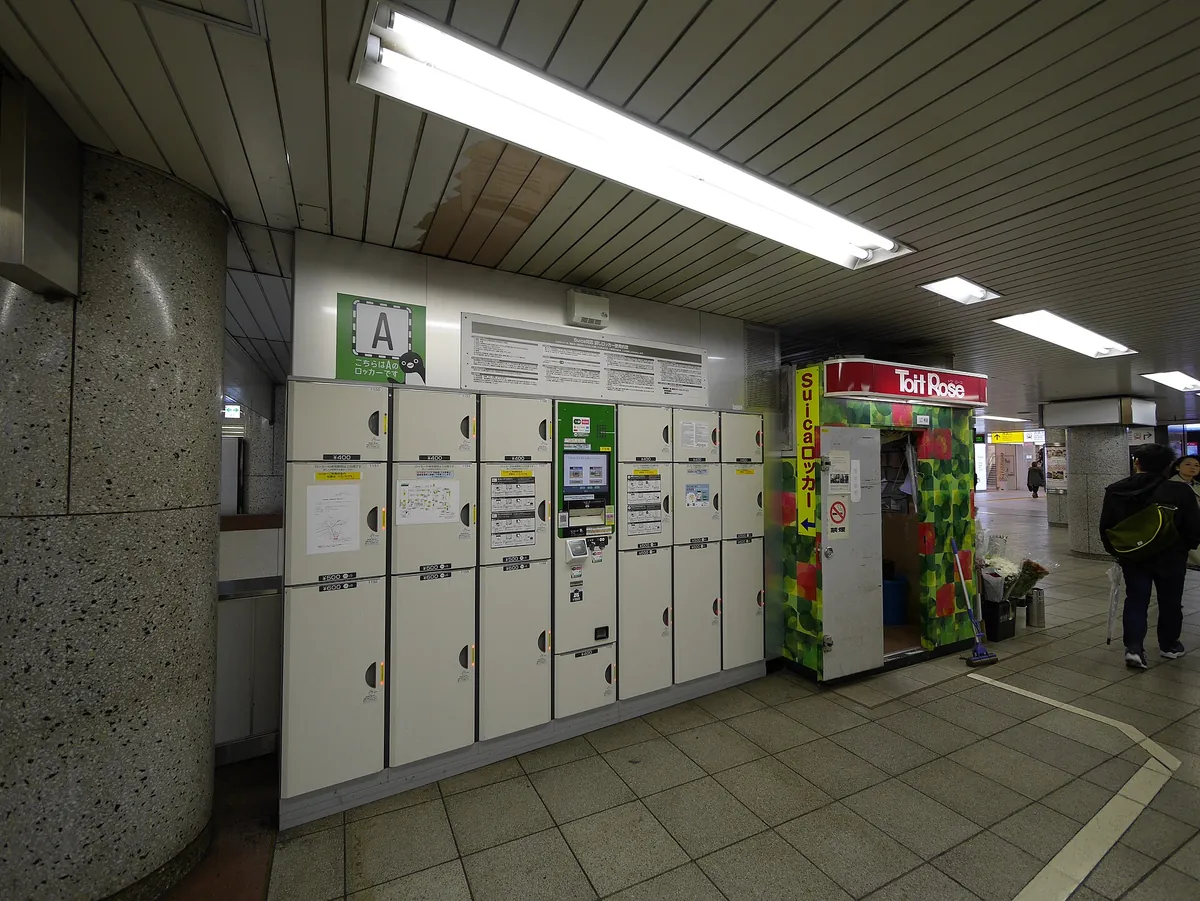
If you decide to use lockers at the station, keep a few hundred yen in coins handy. Luggage storage typically costs ¥500–¥800 per bag.
Where the costs add up
The train reservation fee is the most critical expense. Do not attempt to travel without a reserved seat, especially during peak seasons like spring.
You can use your IC card for local buses, but keep a backup stash of cash. Some smaller regional shops may not accept digital payments.
If you are worried about cash, withdraw an extra ¥5,000 at a 7-Eleven ATM in Shinjuku before you board. It prevents any minor stress at the ticket gate.
The golden rule: Why you need a backup day
Plan for failure. If you have only one day for Mt. Fuji, you are setting yourself up for disappointment if the weather fails to cooperate.
Schedule your attempt in the middle of your trip. If it rains, you have a second chance later in the week to make the journey happen.
I once failed to see the mountain on three consecutive trips. On the fourth try, I finally saw it clearly; the mountain is worth the wait.
Before you go: The checklist
- Download a reliable weather app for Mt. Fuji
- Check the official train site for Fuji Excursion availability
- Reserve your seat on the train one week in advance
- Book an eSIM like Ubigi to check webcams on the go
- Have at least ¥5,000 in cash for local buses/snacks
- Save the train timetable on your phone
Where to stay in Shinjuku for 1 day
The best strategy is to base yourself in Shinjuku. It offers direct access to the Fuji Excursion platform without needing to transfer across the city.
Look for business hotels within a 10-minute walk of the Shinjuku Station south exit. Rates typically range from ¥15,000 to ¥25,000 per night.
If you prefer a quieter experience, consider staying at a hotel near Tokyo Station. It is also an option, but Shinjuku is generally more convenient.
Partner link.
Tips for a smooth Fuji trip
Use Yamato Transport to forward your heavy luggage to your next hotel. Traveling to Mt. Fuji with a large suitcase is a mistake you only make once.
Keep your IC card topped up. It works for almost all local buses and trains in the Fuji area, saving you from fumbling with physical tickets.
I once forgot my charger, and my phone died halfway through the day. Carry a portable battery; you will be taking hundreds of photos if the sky is clear.
One final note on timing
If you decide to stay for the sunset, check the last train time carefully. Getting stranded at Kawaguchiko because you missed the train is an expensive error.
Have a taxi company’s number saved in your phone just in case. It will cost significantly more than a train ticket, but it is better than sleeping outside.
The luggage strategy for a seamless transition
Many travelers make the fatal mistake of dragging large suitcases onto the Fuji Excursion train. Even if you manage to haul them into the carriage, you will find nowhere to store them, as the overhead racks are designed for small day packs rather than heavy luggage.
You should utilize Takkyubin, or luggage forwarding services, to move your heavy bags directly from your Tokyo hotel to your next accommodation. Most hotel reception desks in Tokyo can arrange this for you one day before your departure.
The cost for a standard suitcase is usually between 2,000 and 3,500 yen depending on the size and distance; check the official site for current pricing. This leaves you completely unencumbered, allowing you to walk through the Shimoyoshida streets or climb the pagoda stairs without worrying about your gear.
If you are traveling in a group, you can consolidate your belongings into one larger suitcase for forwarding and pack a single overnight bag for the trip to the mountain. This keeps your hands free to handle your camera and phone as you scout the best views.
Streamlining your station experience
- Request a forwarding slip at your hotel front desk at least 24 hours in advance.
- Ensure your luggage arrives at your destination hotel on the day you check out of Tokyo.
- Pack a portable power bank and a light jacket in your carry-on day bag.
- Use the small coin lockers at Kawaguchiko Station only if you absolutely must keep items with you.
By delegating your luggage logistics, you remove the physical burden that turns a scenic day into an exhausting chore. You will move through the station gates with the ease of a local, hopping onto buses and trains without fighting for space in aisles or overhead compartments.
Mastering the booking sequence to secure your seat
The Fuji Excursion train is a high-demand service that often sells out weeks in advance during peak spring and autumn seasons. Because this is a limited express, standing room is not allowed, meaning that if the seats are gone, you are effectively blocked from this specific itinerary.
You should prioritize booking your train seats the moment your travel dates are finalized. You can use the official JR East Train Reservation website or platforms like Klook to secure your spot, often up to 30 days before departure; check the official site for the exact release window.
Do not wait until you arrive at Shinjuku Station. Attempting to book on the day of travel almost guarantees that you will be forced onto the much slower and less reliable highway buses, which are prone to the gridlock traffic mentioned earlier.
If you find that the direct Fuji Excursion trains are fully booked, you should look for the Chuo Line express to Otsuki Station, where you can transfer to the local Fujikyu Railway line. While it requires a platform change, it is a robust backup plan that keeps you on track when others are struggling to find a seat.
A prioritized booking checklist
- Set a calendar reminder for 30 days before your intended travel date to secure the morning departure.
- Choose the early morning train (usually departing Shinjuku around 7:00 or 8:00 AM) to maximize daylight.
- Download your e-ticket or save the QR code to your digital wallet for quick access at the ticket barriers.
- Always book your return ticket at the same time to ensure you aren’t stranded in the evening.
If you are using a JR Pass, note that it only covers the base fare for certain sections and may not include the mandatory seat reservation fee for the limited express portion; check the official site to confirm your specific coverage.
Treating your train reservation as the foundation of your day, rather than an afterthought, is the difference between a smooth excursion and a day spent frantically refreshing booking websites. When you have your seat confirmed in your inbox, you are free to focus on the weather apps and the actual mountain views.
Alternative Perspectives: Cycling the Northern Shore
If you prefer to escape the cluster of tourists around the bus stops, renting a bicycle is the best way to claim your own space. The terrain around Lake Kawaguchiko is surprisingly friendly for casual riders, and it allows you to stop exactly where the view strikes you.
You can find several rental shops near the Kawaguchiko train station that offer both standard and electric-assist bicycles. I strongly recommend paying the extra few hundred yen for an electric model, as the slight incline toward Oishi Park can become tiring after an hour of pedaling.
Expect to pay between 1,000 and 3,000 yen for a half-day or full-day rental, depending on the model; check the official site for the current rates. This rental cost is a small price to pay for the freedom to dodge the crowds and follow the lakeshore at your own pace.
Why cycling changes the experience
- You can pull over at any point to capture the mountain without people in your frame.
- The northern shore is much quieter than the town hub, offering a meditative atmosphere.
- You can easily visit small museums or cafes that the bus simply drives right past.
- You are not bound by the departure times of the retro-bus loop, which can get extremely busy in the afternoon.
Cycling gives you the flexibility to chase the sun as it moves across the mountain. I personally enjoy riding toward the Nagasaki Park area, which sits on a small peninsula reaching into the lake. It provides a unique, lower-elevation angle that is often ignored by tour groups.
Always verify that you have a secure lock for your bike before leaving the shop. Even in safe areas like this, it is standard practice to secure your rental when you stop for a coffee or a quick hike.
If you are not a confident cyclist, the walking paths are also well-maintained and offer a similar level of freedom to those willing to put in the miles on foot. If the weather starts to shift, you can quickly ride back to the station in under twenty minutes from most points along the northern loop.
Managing the Pivot: When the Mountain Vanishes
There will be days when the clouds simply refuse to part, no matter how optimistic the forecast was. When this happens, do not waste your time staring at a wall of white mist; your trip should pivot to the local cultural sites that remain beautiful even without the peak in view.
The Kawaguchiko area is home to several excellent museums that provide a perfect indoor refuge. The Kawaguchiko Music Forest Museum is a personal favorite, featuring antique music boxes and sprawling gardens that maintain their charm regardless of the visibility of the mountain.
Admission prices fluctuate, but you should budget roughly 1,500 to 2,500 yen per adult; check the official site for updated group or advance booking prices. Using Klook or other platforms might provide small discounts or bundled entry fees that can help stretch your budget further.
Indoor alternatives for your itinerary
- The Itchiku Kubota Art Museum showcases stunning kimono artistry and holds incredible historical value.
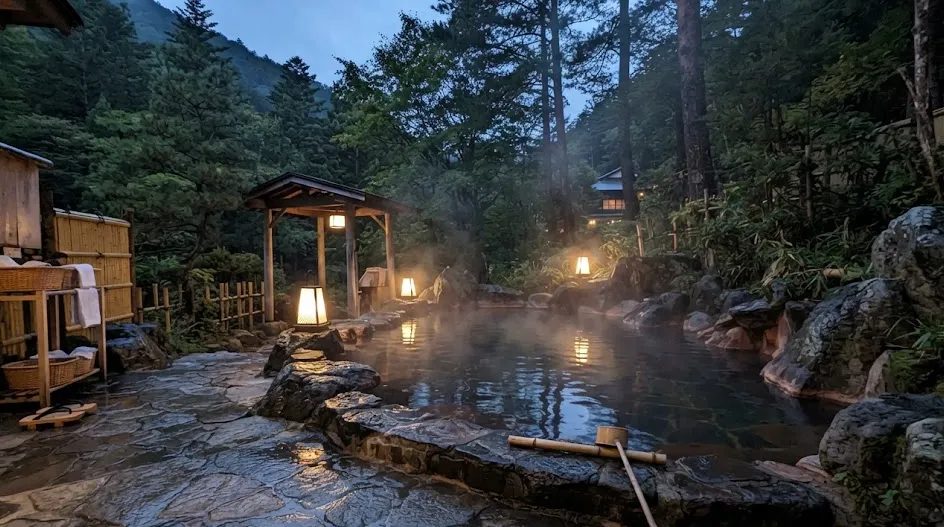
- Local onsen baths provide a steaming, relaxing way to spend the afternoon if the temperature drops.
- The Kawaguchiko Muse Museum offers a distinct look into local art and sculpture if you want a quiet environment.
- Browsing the local craft shops allows you to bring home something meaningful while staying dry.
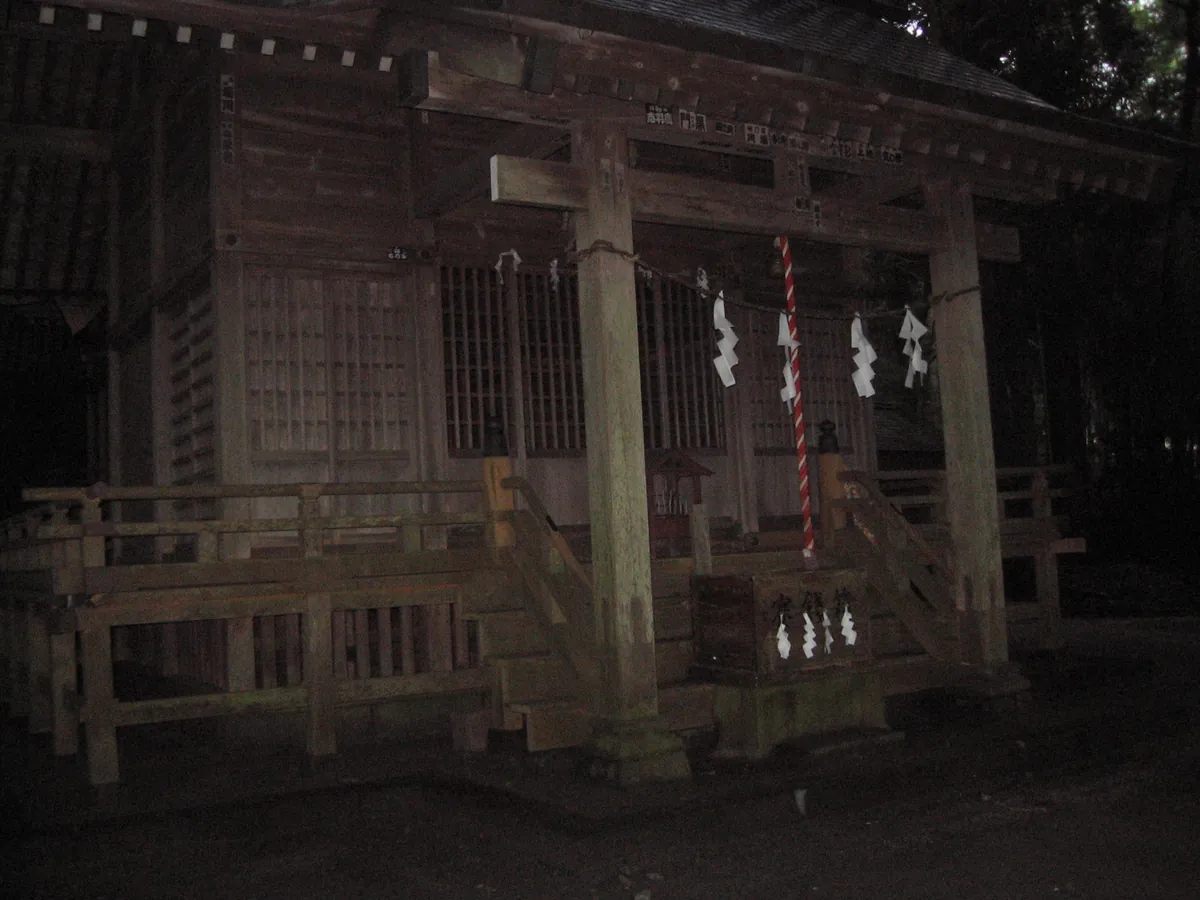
If the rain is light, visiting the local shrines takes on a moody, ethereal quality. The cedar forests surrounding these areas become deeply aromatic, and the lack of other tourists allows you to walk the paths in total silence. It is a completely different side of the Fuji region that most day-trippers never witness.
If you have an eSIM from a provider like Ubigi or Airalo, you can quickly research these alternative spots while still on the train. Having a list of “Plan B” locations saved in your phone is the mark of a seasoned traveler. It turns a potentially frustrating weather event into a legitimate cultural excursion.
Even if the mountain is hidden, the surrounding landscapes of Yamanashi are filled with history and craft. You are still out of the city, breathing fresh air, and supporting local businesses. If the mountain does not show itself, appreciate the region for the quiet, misty character it displays when the crowds are away.
Budget Comparison Table
← Swipe to see the full table →
| Category | Estimated Cost (Yen) |
|---|---|
| Transport (Train & Bus) | 4,000 – 6,000 |
| Meals & Snacks | 2,500 – 4,000 |
| Museums & Activities | 1,500 – 2,000 |
Plan your trip: the tools we use
 ReaderYuki
FAQ
QIs it possible to see Mt. Fuji in the summer?
Yes, but it is often hazy due to high humidity. Aim for early mornings when the air is cooler and the sky is most likely to be clear.
QDo I need to book the Fuji Excursion train in advance?
Yes, it is highly recommended. The train is popular, and last-minute tickets are rarely available during tourist seasons.
QCan I use my JR Pass for the Fuji Excursion?
The JR Pass covers the base fare, but you must pay an additional limited express seat reservation fee. Always check the current policy on the JR website.
QAre there vegetarian options at the lake?
While traditional Houtou is miso-based, some broths use dashi derived from fish. It is best to ask the restaurant staff about their ingredients.
QIs the bus a good backup for the train?
The bus is a secondary option, but it is susceptible to severe traffic delays. Only use it if you have no other choice.
Planning this trip can feel like you are chasing a ghost, but having a clear, independent route removes most of the anxiety.
Stop stressing over every single blog post and lock in your train reservation; everything else will fall into place once you arrive at the platform.
Keep planning
- ① Install and test your eSIM before take-offAiralo and Ubigi eSIMs activate on arrival, but the install itself needs Wi-Fi. Do it at home and confirm the profile shows up in your phone settings.
- ② Save your first hotel’s address in JapaneseTaxi drivers and station staff read Japanese addresses far faster than romanised ones. Copy it from the booking confirmation into your notes app.
- ③ Set aside cash for day oneMany small restaurants, temples and rural buses are still cash-only. Airport ATMs at 7-Eleven and the post office accept most foreign cards.
Skip these and your first hour in Japan goes on finding Wi-Fi at the station instead of getting to your hotel.
🔍 How to sanity-check any price you read online
Blogs (including this one) go out of date. The official page always wins over a screenshot from two years ago.
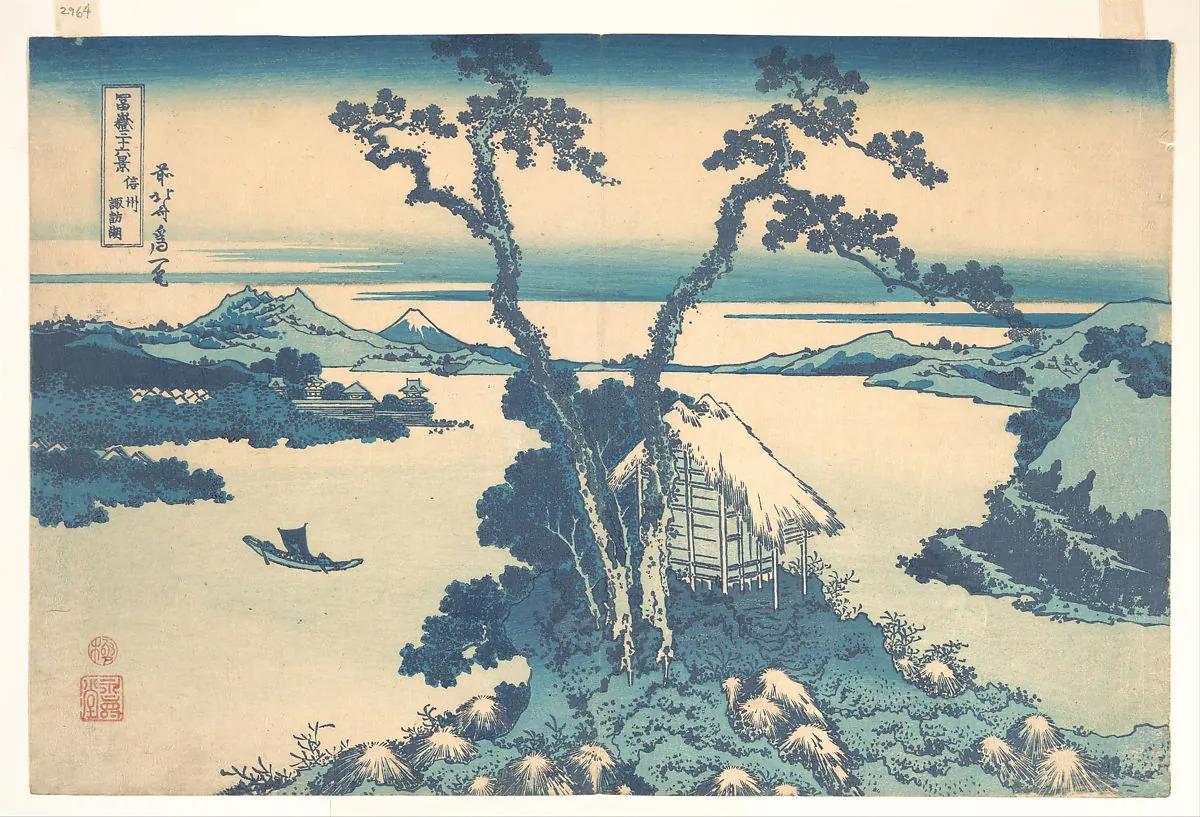
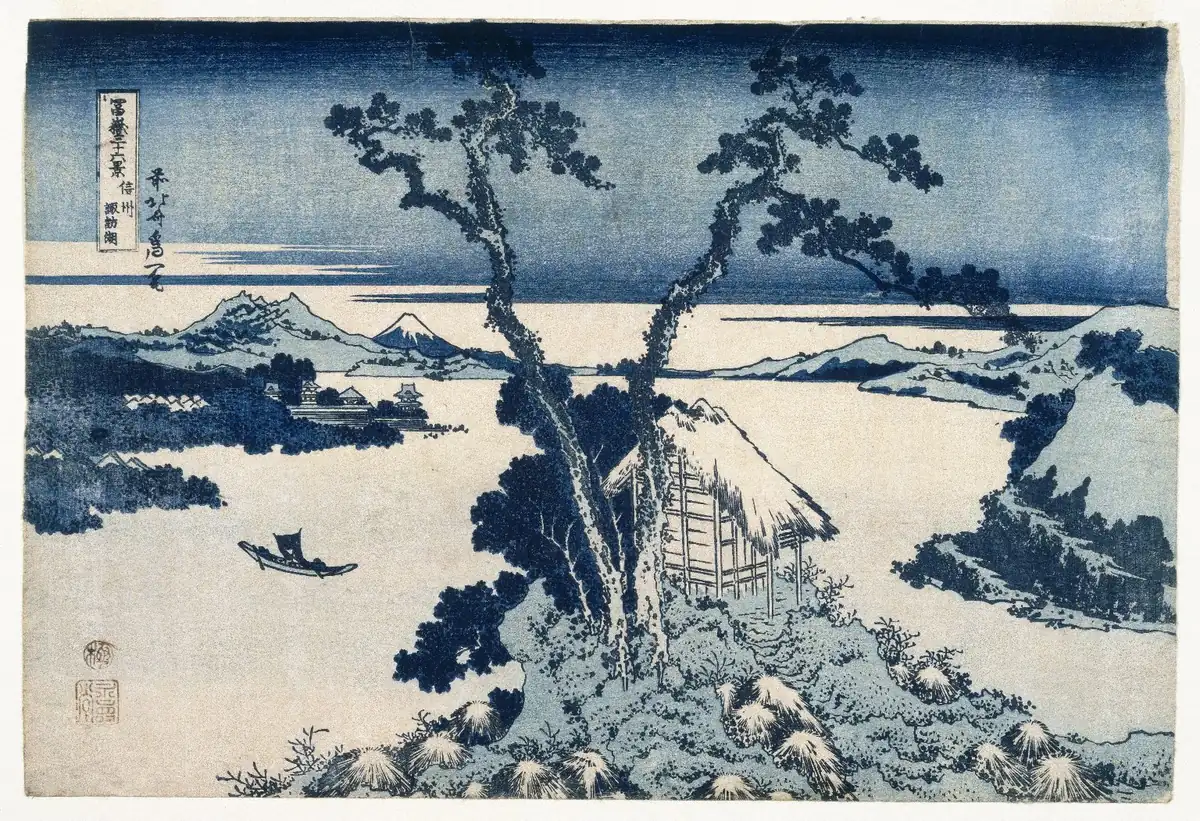
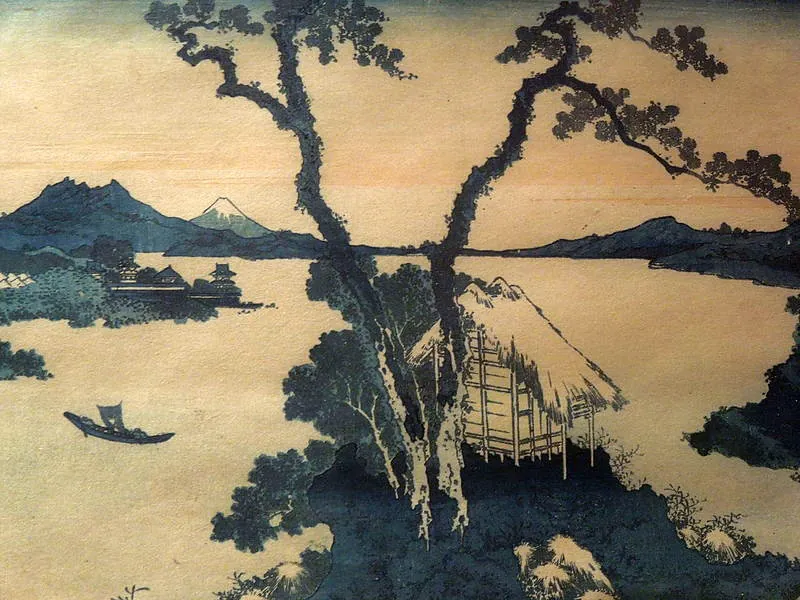
Cover Photo: Hokusai, Public domain, via Wikimedia Commons