
- Best for transit: Shinagawa, for Shinkansen and airport ease.
- Best for local pace: Ueno, for direct connections and parks.
- Best for nightlife access: Shibuya, for late-night trains.
- Best for logistics: Tokyo Station area, for seamless hubs.
- Best for
- First-time visitors and efficient travelers
- Key transit
- Yamanote Line, Shinkansen, and Airport Express lines
- Budget range
- ¥8,000 to ¥30,000 per night
- Recommended duration
- 5 to 10 days
Top picks
Where we would book this
Booking.com
Largest inventory in Japan for English-speaking travellers
- Best for
- Hotels, business hotels, ryokan and apartments in every city
- Checked
- September 2026
Official site. Same price for you.
Where we would book this
Agoda
Frequently cheaper for Asian and Japanese chains
- Best for
- Same hotels as Booking.com, often different prices
- Checked
- September 2026
Official site. Same price for you.
The fluorescent lights of the Shinjuku station concourse flicker while I scramble to find the correct exit gate. I am clutching a heavy suitcase and a paper map. Commuter trains scream past in the humid air as my group realizes we have walked for twenty minutes inside the station just to reach the street level.
I have made this mistake before, and it is the fastest way to drain your energy during a ten-day trip.
To avoid spending half your vacation trapped in transit, you should prioritize neighborhoods with direct access to the Yamanote Line loop. Areas around Shinagawa or Ueno are better alternatives than the sprawling maze of Shinjuku.
Focusing on transit connectivity—not just the trendiest vibe—will save you hours of transfer fatigue.
We may earn a commission if you book through the links in this article, at no extra cost to you. Prices are ranges as of 2026 — check the official sites before you book.
Choosing a base: The criteria that actually define your trip
Selecting a hotel is not about the aesthetic of the room, but the proximity of your bed to a multi-line station. Most travelers ignore the difference between a local train line and a major artery, which leads to significant time loss when changing trains at massive interchanges.
I look for three things when booking a base: a station with at least one major loop line, a direct line to the airport, and proximity to a convenience store for midnight snacks. If you have to switch trains three times to get to your hotel after a long day of sightseeing, you have chosen the wrong district.
- Does the station have a direct airport line?
- Are there at least two major subway lines available?
- Is the station on the Yamanote Loop?
- Can I reach Shinjuku or Shibuya in under 20 minutes?
- Are there restaurants open past 10 PM nearby?
- Is the hotel within a 10-minute walk of the platform?
- Do I have to switch lines at a complex station?
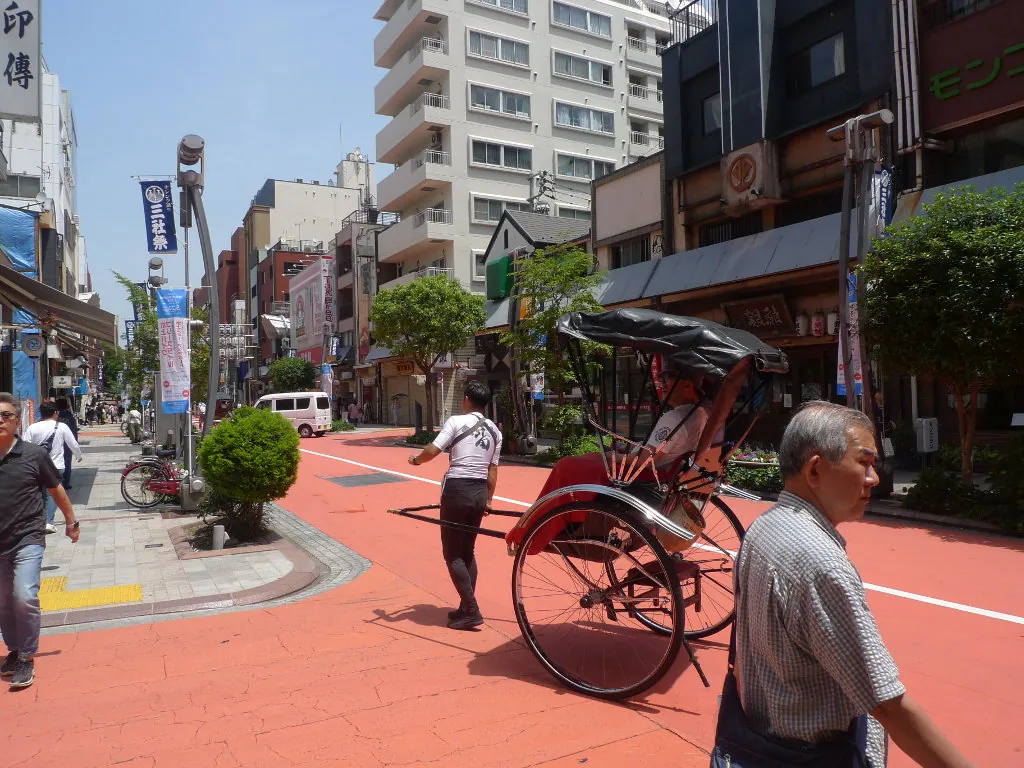
The Yamanote advantage: Best for first-timers
The Yamanote Line is the circular train line that connects almost all of Tokyo’s major points of interest. Staying near this line means you rarely need to perform complex transfers or navigate underground tunnels that stretch for kilometers.
Why Shinagawa is the ultimate logistical anchor
Shinagawa Station is a primary stop for the Shinkansen, which makes it perfect if you are arriving from Kyoto or Osaka. It offers direct access to Narita and Haneda airports, saving you the stress of hauling luggage across Tokyo.
Prices for business hotels here range from ¥12,000 to ¥22,000 per night. Always check the official sites for the most accurate availability.
The efficiency of Ueno station
Ueno is arguably the most underrated transit hub in the city. It serves as a direct gateway for the Skyliner train from Narita and offers multiple subway lines that cut straight through the center of Tokyo.
You can find reasonably priced accommodations through Booking.com, usually in the ¥10,000 to ¥18,000 range per night.
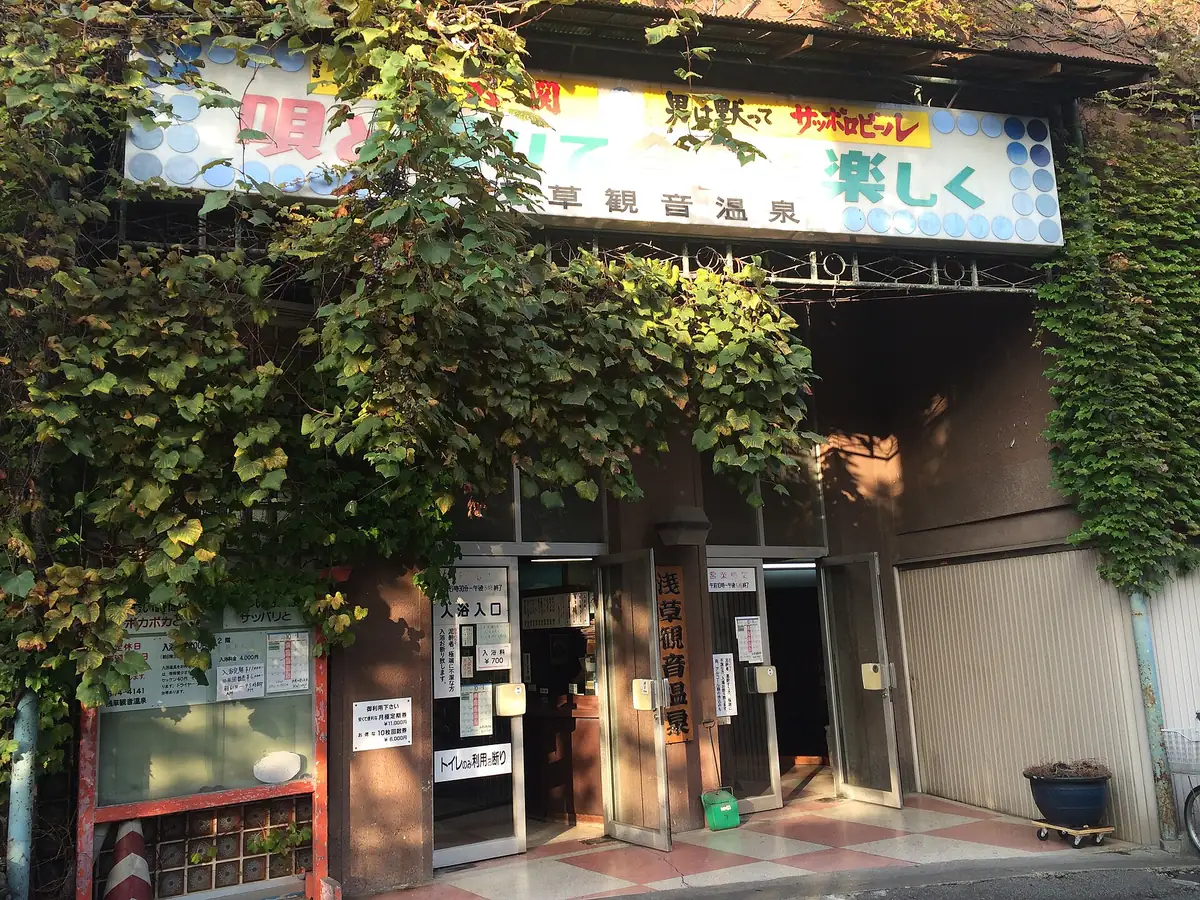
Avoiding the Shinjuku trap
While Shinjuku is the largest station in the world, its size is a liability for the uninitiated. It can take fifteen minutes just to navigate the station to reach your platform, and the crowd density is overwhelming. For your first trip, stay near the Yamanote loop but avoid the absolute center of the station’s chaos.
Evaluating nightlife: Shibuya vs. Shinjuku
Many visitors choose to stay where the nightlife happens, assuming it makes things easier. However, the trade-off is often noise and the sheer difficulty of finding your hotel after a late night out.
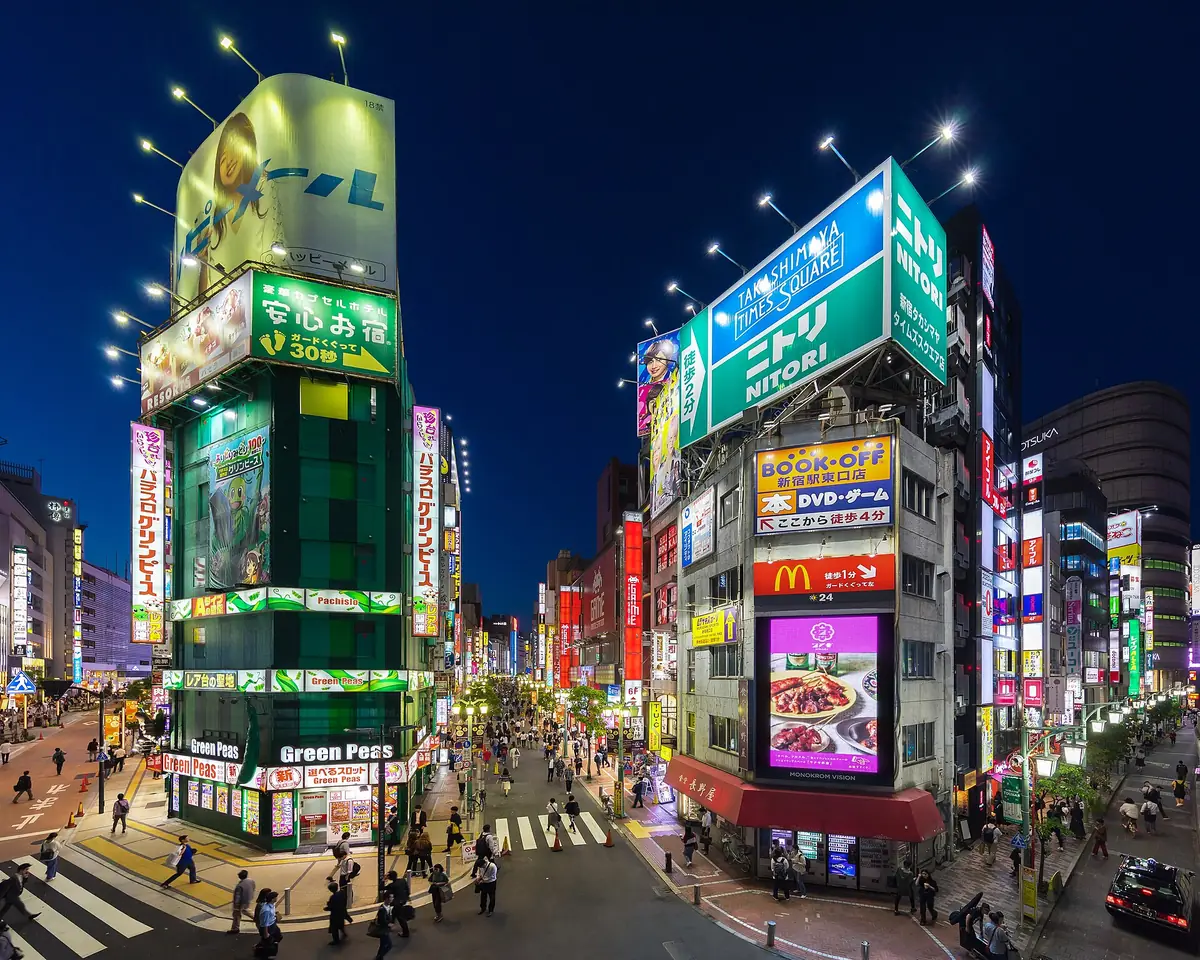
The Shibuya lifestyle
Shibuya is perfect if you enjoy staying out late for food and drinks. It has excellent train connectivity, but ensure your hotel is at least ten minutes away from the main scramble crossing to avoid the constant street noise.
Check Agoda for modern business hotels in the area, typically ranging from ¥15,000 to ¥25,000 per night.
Is Shinjuku really worth the stress?
Shinjuku offers unparalleled food choices, but the transit fatigue is real. If you decide to stay here, look for hotels on the western side of the station to minimize the crush of commuters. Prices fluctuate wildly based on the season, so verify current rates on the official hotel websites.
What most first-timers do
- Booking near Shinjuku station
- Choosing hotels based on vibe
- Ignoring the transfer time
What actually works
- Booking near Shinagawa or Ueno
- Prioritizing multi-line access
- Walking distance to the gate
The quiet alternative: Why Asakusa offers a different pace
Asakusa provides a traditional atmosphere that feels worlds away from the neon lights, but it comes with a transit cost. You will be reliant on the Ginza or Asakusa subway lines, which are reliable but slower than the Yamanote loop.
The trade-off for charm
If you prefer a slower morning with temple views, Asakusa is wonderful. Just be aware that a trip to Shibuya or Shinjuku can take 35 to 45 minutes door-to-door. Always account for this extra travel time when planning your daily schedule.
Budgeting for local ryokan
Staying in a traditional inn in Asakusa is a unique experience. Rates vary significantly, usually falling between ¥18,000 and ¥30,000 per night. Check the official sites for seasonal packages and remember that these are often smaller than standard business hotels.
Comparison: Which district suits your itinerary?
← Swipe to see the full table →
| District | Best For | Est. Nightly Range |
|---|---|---|
| Shinagawa | Shinkansen access | ¥12,000–¥22,000 |
| Ueno | Budget/Airport access | ¥10,000–¥18,000 |
| Shibuya | Late-night diners | ¥15,000–¥25,000 |
| Asakusa | Traditional atmosphere | ¥18,000–¥30,000 |
Plan your trip: the tools we use
Rates will be higher during peak spring and autumn travel times.
Partner link.
The reality of the commute: Alternatives and tips
If you find that all the hotels near the main stations are booked, do not panic. Tokyo has an incredible subway network, and you can stay at any stop on the Yamanote line and still reach your destination within half an hour.
When to use pocket Wi-Fi or eSIM
Having a constant connection is crucial when you are trying to navigate a new transit route. I use Ubigi for my data needs during the trip because it allows me to check train delays in real-time. Do not rely on finding free public Wi-Fi at every station; it is often unreliable.
Step 1: Download a transit app
Use a real-time app to track train platforms and arrival times.
Step 2: Print your route
Carry a physical list of your hotel name in Japanese for taxi drivers.
Step 3: Test your data
Set up your Airalo or Ubigi eSIM before you leave the airport.
Navigating the “sold out” scenario: Fallback strategies
If your search on Booking.com shows zero availability for your preferred dates near major hubs like Shinagawa or Ueno, do not settle for a distant suburban hotel.
Many first-timers panic and book a cheap room an hour away from the center. That is a mistake that ruins your itinerary by adding two hours of daily commute time.
Instead of choosing a random neighborhood, search for business hotels along the Keihin-Tohoku Line. This line runs parallel to the Yamanote Line for much of its route and offers similar access to central Tokyo without the premium price tag or the booking density of major hubs.
Look for “business hotel chains” directly on their own websites if third-party platforms show nothing. Chains like APA Hotel, Toyoko Inn, or Daiwa Roynet have hundreds of properties across the city that often have rooms available even when larger travel sites show sold-out signs.
If central Tokyo is completely blocked, check the area around Kamata or Kawasaki. These areas are just a short ride south of Shinagawa.
You can find clean, functional business rooms there for ¥8,000 to ¥14,000 per night. You sacrifice a bit of the “city center” atmosphere, but you gain a direct, short train line into the heart of Tokyo for your morning start.
- Check hotel chains directly if sites like Agoda are empty.
- Prioritize stations on the Keihin-Tohoku line as a secondary anchor.
- Avoid hotels that require a bus ride to reach the train platform.
- Search for rooms in “business corridors” outside the main tourist rings.
Another effective strategy is to split your stay. If you cannot find five consecutive nights in one hotel, book two nights in a location near the Shinkansen line and three nights in a quieter district like Asakusa or even further out.
While moving your luggage is a slight inconvenience, it allows you to secure higher-quality accommodation. You avoid settling for a sub-par room in a crowded district just to stay in one place.
Always verify the proximity to the station using Google Maps satellite view. Some hotels claim to be “near” a station but are actually located on the other side of a highway or a large park, adding a tiring 15-minute walk to every trip you make.
The necessity of a local contact: Why a phone number changes your stay
Most travelers treat their smartphone as a map and a translator, but they overlook the utility of a local phone number. In Tokyo, many restaurants, luggage forwarding services, and even some hotel check-in kiosks require a functional local number for reservations or delivery confirmations.
If you rely solely on Wi-Fi or a data-only eSIM, you will find yourself unable to confirm bookings for popular restaurants or troubleshoot issues with local services. This is a recurring frustration for travelers who arrive and realize they cannot receive a simple SMS verification code.
Prioritize an eSIM with voice capabilities if you plan on dining at high-end venues or if you need to coordinate with local couriers for your luggage.
Providers like Ubigi or Airalo offer flexible data plans, but some Klook-bundled SIM cards now include temporary local numbers. These are invaluable for these specific logistical hurdles during a one-week stay.
You can expect to pay a small premium for a SIM that supports voice or SMS, usually ranging from ¥2,500 to ¥4,500 for a week of coverage. Check the official sites for current plans.
This is a minor cost compared to the stress of standing outside a locked restaurant because you couldn’t receive a confirmation call or message.
If you choose a data-only plan, make sure your home carrier has a clear, inexpensive international roaming policy for incoming texts. You do not need a full-blown phone plan for Japan, but you do need to be reachable.
Many modern business hotels in Tokyo now use automated check-in systems that send a PIN to your mobile number via SMS. Without a working number, you might be left waiting in a lobby for staff assistance during busy periods.
FAQ
QIs the JR Pass necessary for getting around Tokyo?
The JR Pass is rarely cost-effective for travel strictly within Tokyo. Whether it pays off for your entire route depends on your specific city-to-city plan, so add up the individual fares first before purchasing.
QHow early should I book my hotel?
For a trip in 2026, I recommend booking three to four months in advance. Availability for good business hotels near central stations disappears quickly, especially during the cherry blossom season.
QAre the trains really that difficult to navigate?
They are not difficult, just dense. Once you learn how to read the color-coded maps and find the station numbers, you will feel much more confident using the system.
QIs it better to stay in a hotel or a hostel?
For a short trip, a business hotel provides a private bathroom and better sleep quality. Hostels are great for budget travelers, but you trade convenience and privacy for a lower cost.
QWhat if I get lost in a station?
Do not be afraid to approach a station attendant. They are incredibly helpful and can point you to the correct platform if you show them your destination on a map or app.
Planning your base in Tokyo often feels like you are trying to solve a puzzle with too many pieces.
Instead of reading endless reviews, lock in a hotel near a major transit hub and you will save your energy for the things that actually matter.
Keep planning
- ① Install and test your eSIM before take-offAiralo and Ubigi eSIMs activate on arrival, but the install itself needs Wi-Fi. Do it at home and confirm the profile shows up in your phone settings.
- ② Save your first hotel’s address in JapaneseTaxi drivers and station staff read Japanese addresses far faster than romanised ones. Copy it from the booking confirmation into your notes app.
- ③ Set aside cash for day oneMany small restaurants, temples and rural buses are still cash-only. Airport ATMs at 7-Eleven and the post office accept most foreign cards.
Skip these and your first hour in Japan goes on finding Wi-Fi at the station instead of getting to your hotel.
🔍 How to sanity-check any price you read online
Blogs (including this one) go out of date. The official page always wins over a screenshot from two years ago.
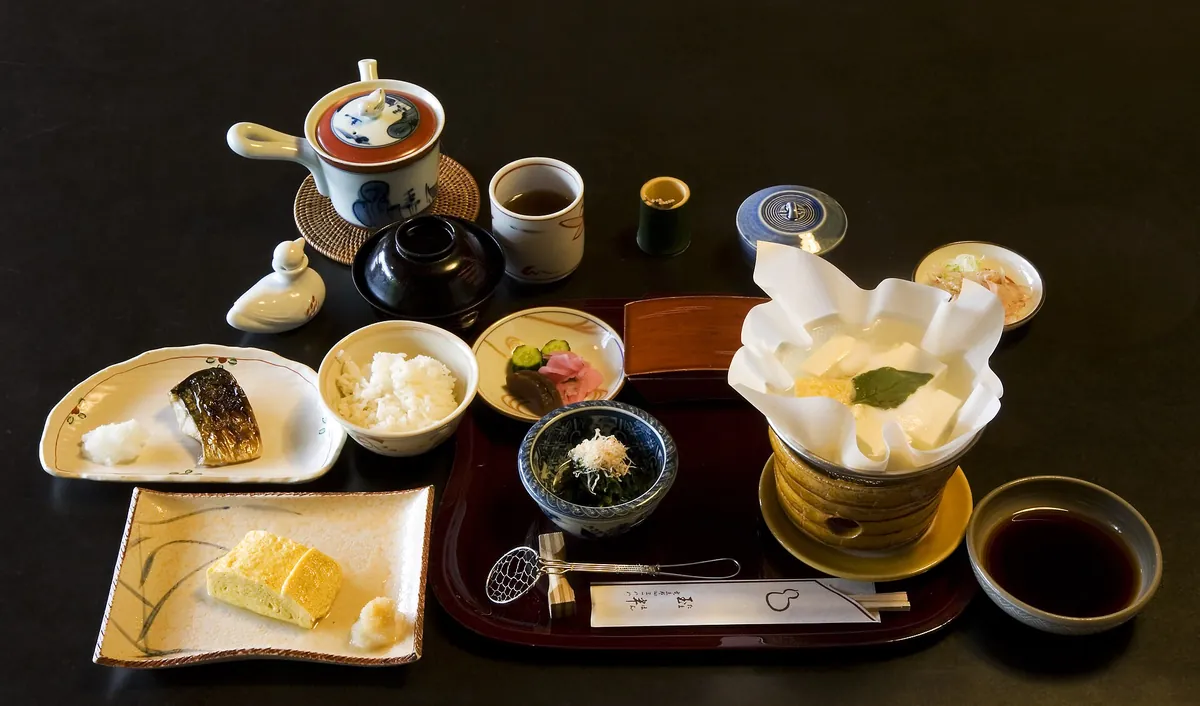
Cover Photo: duncan_su from Taipei, Taiwan, CC BY 2.0, via Wikimedia Commons