
The Osaka Amazing Pass is really a race against two clocks. It is a ¥3,500 QR code on your phone that opens about 40 Osaka sights and the city’s trains, but the Umeda Sky observatory only counts until 15:00, and the Tombori River Cruise runs on timed boarding slots that can sell out by evening.
So is it worth it? Yes, if you fit two or three paid sights into one day: Umeda Sky and the Tombori cruise alone cost about ¥4,000 at the gate, and even a 2 p.m. start with the castle, the cruise and Tsutenkaku comes to about ¥5,500.
No on a Universal Studios, Kaiyukan, Kyoto or Nara day, or for an evening with one sight.
- Worth it on any Osaka day with 2 or 3 paid sights on the free list
- A morning start adds Umeda Sky, free with the pass only until 15:00
- No for USJ, Kaiyukan, Kyoto or Nara days, one-sight evenings, or a child
- 1-day / 2-day
- ¥3,500 / ¥5,000 (checked Nov 2026)
- Child price
- Same as adult
- Format
- QR code on your phone only
- Not included
- USJ, Kaiyukan
- Time limits
- Umeda Sky 15:00; Tombori by slot
- Free spots
- About 40, once each per pass
Prices are ranges checked in November 2026; confirm on the official site before you book.
What the Osaka Amazing Pass Covers in 2026, and the Gaps
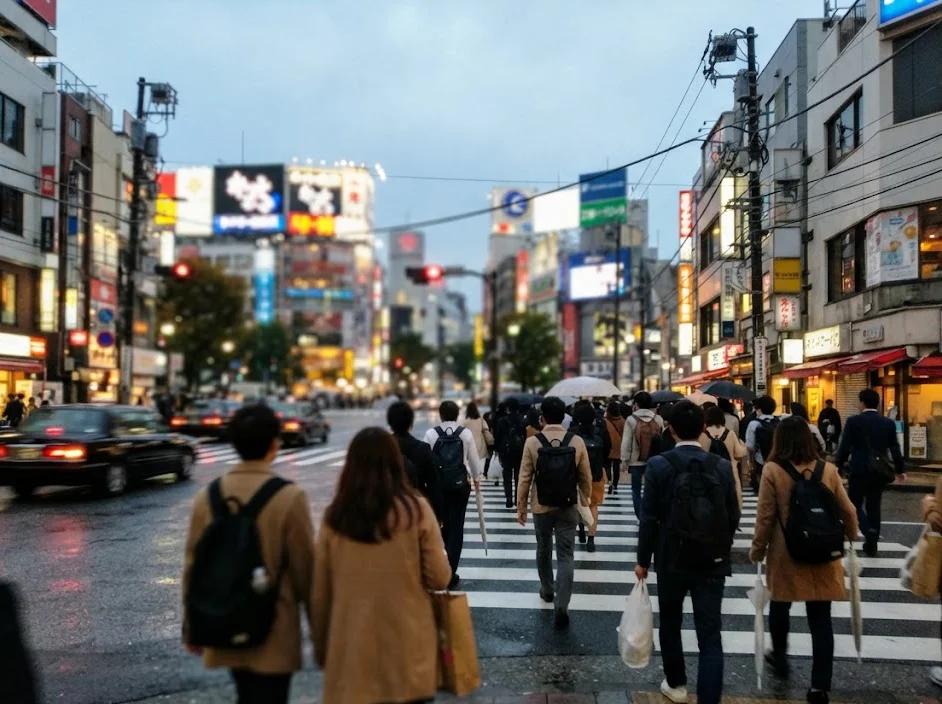
The official Osaka Amazing Pass page describes two halves: unlimited city transport and free entry to about 40 sightseeing spots. Both halves apply to the 1-day and the 2-day pass.
Many older blogs say the 2-day version covers only the Metro and buses. That was the old rule; the 2026 wording gives the private railways to both.
Trains and buses you can ride
The official wording covers unlimited rides on these, for both pass lengths:
- All Osaka Metro lines
- Osaka City Bus (some routes are excluded)
- The New Tram
- Hankyu, Hanshin, Keihan, Kintetsu and Nankai trains, mainly within Osaka City
Two catches. Reserved-seat limited express trains on Kintetsu, Nankai, Keihan and Hankyu cost extra. And JR is not on the list, so the JR Osaka Loop Line and JR trains to Kyoto or Nara are on you.
Plan the day around Metro stations, not JR ones.
About 40 free spots, once each
The official free-facility list spreads across Umeda, Osaka Castle, Namba and Dotonbori, Tennoji and the bay. You may use each attraction once during the validity period, which matters a lot on the 2-day pass. Some of the headline spots:
- Umeda Sky Building observatory
- Tombori River Cruise in Dotonbori
- Osaka Castle Main Tower and the Toyotomi Stone Wall Museum
- Tsutenkaku tower in Shinsekai
- Tennoji Zoo and Shitennoji Temple
- Santa Maria Day Cruise, Tempozan Giant Ferris Wheel and the Aqua-Liner
- HEP FIVE Ferris Wheel (its renovation ended in April 2026)
Umeda Sky’s 3 p.m. rule and the Tombori boarding slot
On the free list, Umeda Sky carries a line the other spots do not: “Admission with pass applies until 15:00.” After that, it gives only 10% off. At about ¥2,000 for adults it is among the priciest gates on the list, so put Umeda Sky’s observatory in the morning; it opens at 9:30.
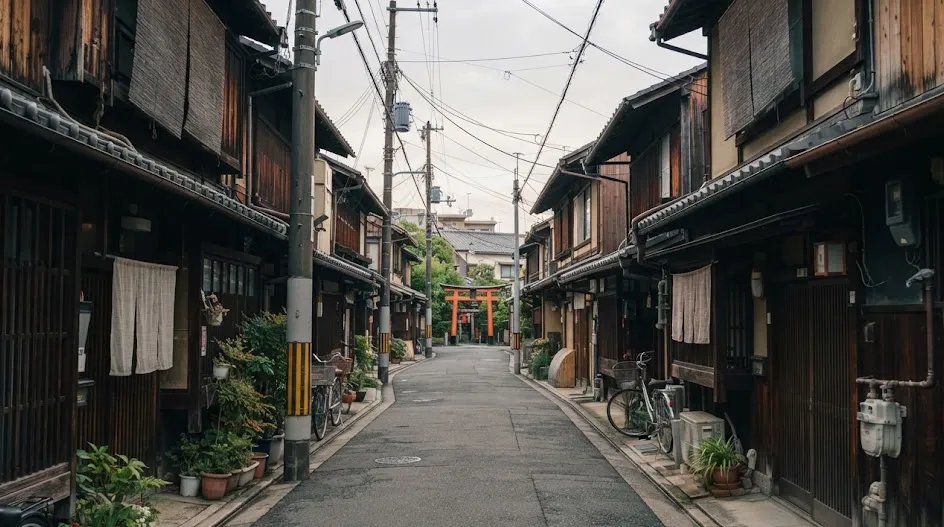
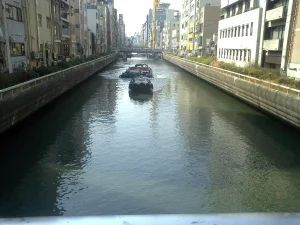
The Tombori River Cruise has no such cutoff. It leaves every half hour from 11:00 to 21:00 from Tazaemonbashi Pier, lasts about 20 minutes, and also costs about ¥2,000 for adults.
Its catch is different. On the day, you swap the pass for a boarding ticket with a set time at the reception desk, and you board only at that time. The ticket office opens one hour before the first cruise, and evening cruises sell out, so the official advice is to exchange it in the daytime.
Pick up the cruise ticket early, then ride it later.
What is not included
Universal Studios Japan is not on the free list or the discount list. Neither is Kaiyukan aquarium, which charges from about ¥2,700 for adults and varies by date. The Harukas 300 observatory at Abeno Harukas gets only 10% off, per the special offers page.
The park needs a separate, date-priced ticket; our guide to buying Universal Studios Japan tickets walks through it.
Closed or booking-only right now
- Osaka Museum of Housing and Living: closed 1 Sep 2026 to 5 Jan 2027
- Tsutenkaku: you must book a time slot at the facility
- YORIMICHI Sunset Cruise: Fridays and Saturdays in September and October only
- Okawa River Sakura Cruise: 24 March to 12 April only
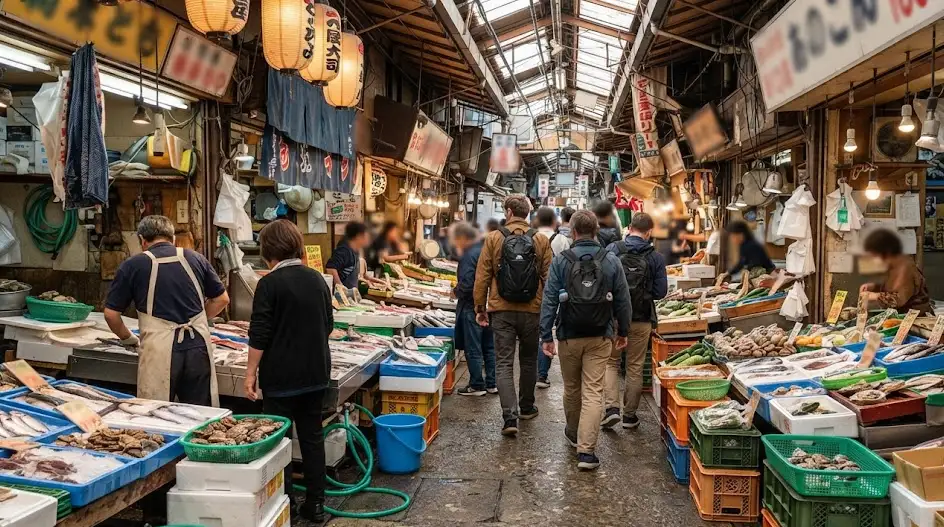
What the 1-Day and 2-Day Passes Cost, Plus the Airport Versions
As of the 2026 sales period, the standard pass is ¥3,500 for one day and ¥5,000 for two. Check the official site before you buy. Older prices and a physical card still show up all over the web, and neither applies now.
- Standard 1-day: ¥3,500
- Standard 2-day: ¥5,000
- Itami Airport (ITM) version: ¥3,800 for 1 day, ¥5,400 for 2 days
- Kansai Airport (KIX) 28-hour version: ¥5,300
The ITM version adds Osaka Monorail and Kita-Osaka Kyuko, plus two extra spots: Expo’70 Commemorative Park and OSAKA WHEEL. It only makes sense if you fly into Itami or plan a trip north to the Expo’70 park.
The KIX version, sold from 1 October 2026, includes one Nankai ride from Kansai Airport to Namba and runs for 28 hours from first use. You cannot ride back to the airport on it, and stopovers between Kansai Airport and Sakai are not allowed.
The KIX version’s own section has the details, and our Kansai Airport to Osaka guide covers the other ways in.
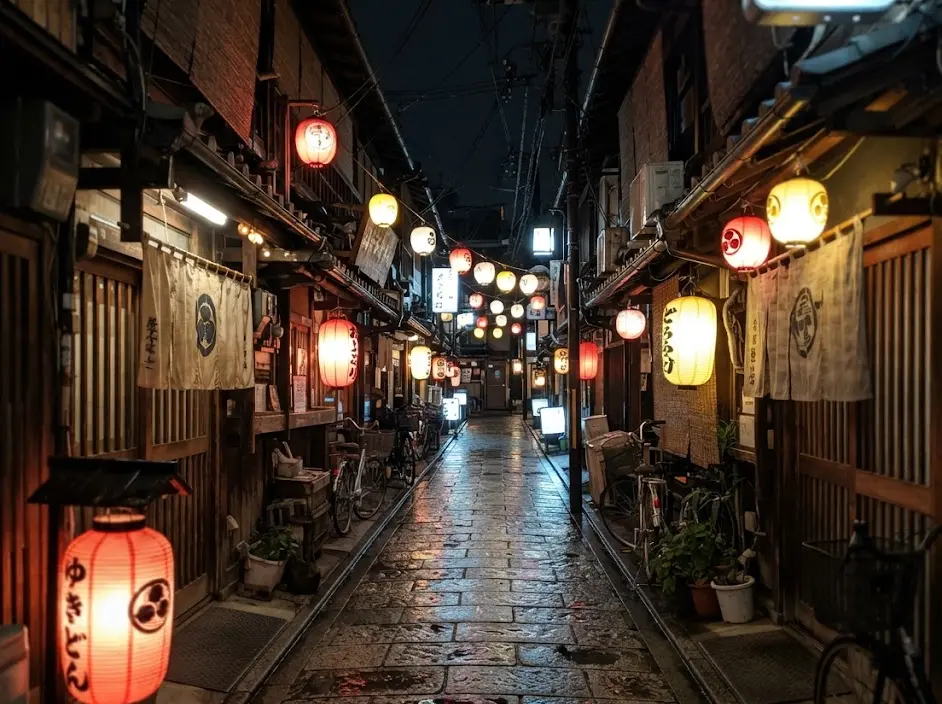
The standard and ITM passes are on sale from 25 March 2026 to 31 March 2027. Each is valid for three months from purchase, so buying before you fly is fine.
The child price problem
“Prices are the same for adults and children,” says the official page. That hurts, because children’s gate prices in Osaka are low. Osaka Castle Main Tower is free for junior-high age and younger, Umeda Sky is ¥500 for ages 4 to 12, and the Tombori cruise is ¥500 for children.
Those three come to about ¥1,000 for a child (estimate), against a ¥3,500 pass. Tennoji Zoo is free for preschoolers too, and a child’s Enjoy Eco Card day ticket is ¥310.
Buy passes for the adults. Pay at the gate for the kids.
The Break-Even Maths: 3 Osaka Pass Plans Costed, and 2 to Skip
The fair comparison is not the pass against nothing. It is the pass against the Enjoy Eco Card, Osaka Metro’s own day ticket at ¥820 on weekdays and ¥620 on weekends, plus whatever you pay at the gates.
That puts the break-even at about ¥2,700 to ¥2,900 of gate prices in one day. Osaka Castle (¥1,200) plus Tsutenkaku (¥1,500) is ¥2,700, roughly even. Umeda Sky plus the Tombori cruise is about ¥4,000, which pays off even if you ignore transport.
← Swipe to see the full table →
| Day plan | Gate prices + day ticket (estimate) | With the pass |
|---|---|---|
| A. Early start: Umeda Sky, Osaka Castle, Tombori cruise, Tsutenkaku at night | About ¥7,500 (¥6,700 gates + ¥820) | ¥3,500 |
| B. 2 p.m. start: Osaka Castle, Tombori cruise, Tsutenkaku | About ¥5,500 (¥4,700 gates + ¥820) | ¥3,500 |
| C. 2 days: plan A, then Santa Maria cruise, Tempozan wheel, Tennoji Zoo | About ¥12,000 (¥10,400 gates + 2 × ¥820) | ¥5,000 |
| D. A USJ or Kaiyukan day | ¥820 day ticket + separate tickets | ¥3,500 buys nothing you use |
| E. An evening with Tsutenkaku only | About ¥2,300 (¥1,500 gate + ¥820) | ¥3,500, a loss |
Plan your trip: the tools we use
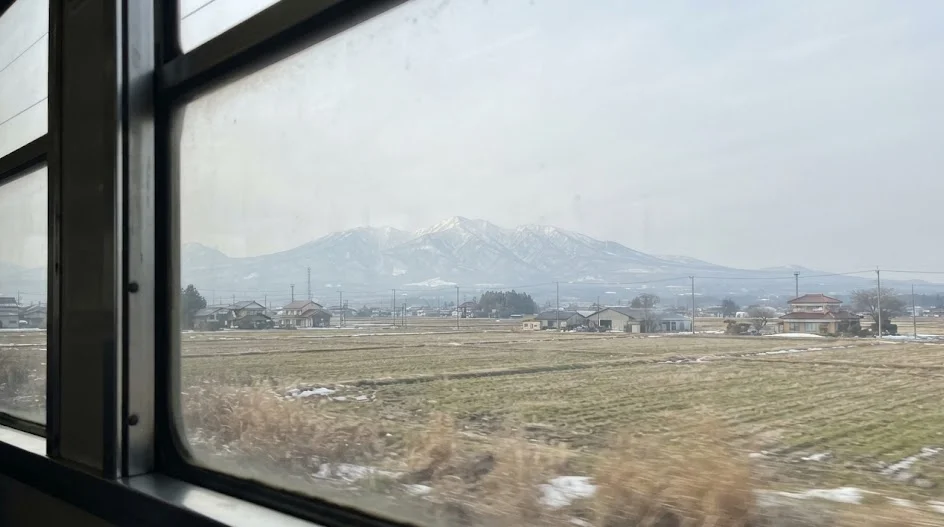
Our pick: the 1-day pass for plan A if you can be at Umeda Sky soon after 9:30; plan B still pays if you cannot.
All totals are estimates built from adult gate prices checked in November 2026. A late start costs you Umeda Sky, not the whole pass: Osaka Castle takes its last visitors at 17:30, and the cruise stays free if a boarding slot is still left.
Plan E is the real trap. One sight after dark is cheaper at the gate.
Plan A in order, with Umeda Sky before 15:00
- Umeda Sky Building, from 9:30
- Osaka Metro to Tanimachi 4-chome
- Osaka Castle Main Tower
- Osaka Metro to Namba
- Tazaemonbashi Pier: swap for a timed cruise ticket
- Osaka Metro to Ebisucho or Dobutsuen-mae
- Tsutenkaku, at your booked slot
Take whichever cruise time is offered, early afternoon or evening. Tsutenkaku is open until 21:45 with last entry at 21:15, so it works as the evening stop; book its slot early in the day too.
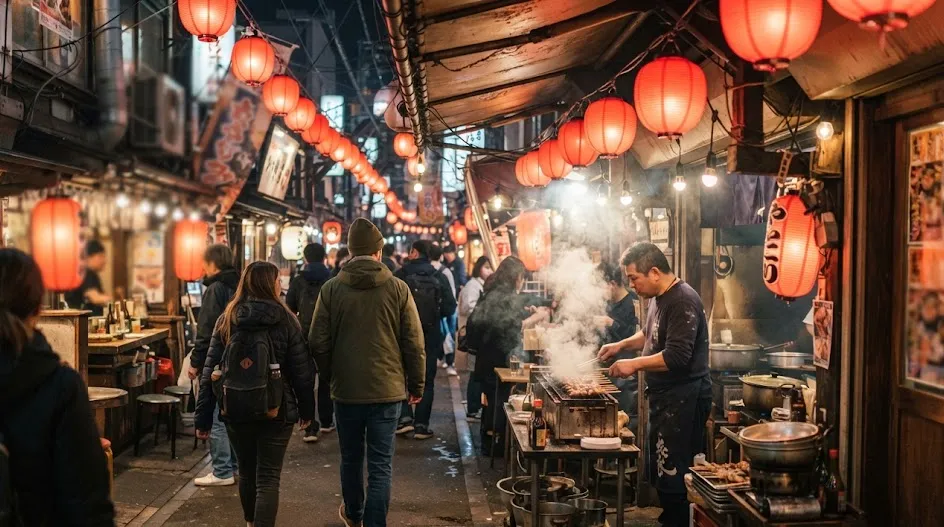
The 2-day pass works out at ¥2,500 a day, but each spot counts once across both days. Day 2 needs its own set: the Santa Maria Day Cruise (¥2,000 from 1 October 2026), the Tempozan wheel (around ¥900, check on the day) and Tennoji Zoo (¥800, closed Mondays).
Two 1-day passes would cost ¥7,000 against ¥5,000. To see where a pass day fits in a longer stay, look at 3 days in Osaka.
Where we would book this
Booking.com
Largest inventory in Japan for English-speaking travellers
- Best for
- Hotels, business hotels, ryokan and apartments in every city
- Checked
- September 2026
Official site. Same price for you.
Skip the Osaka Amazing Pass or Buy It? 5 Signs Each Way
The table boils down to one question: how many paid sights from the free list will you reach on your pass day? If the honest answer is one, skip it.
Skip it if…
- Your day is Universal Studios Japan
- Kaiyukan is the main stop that day
- You are heading to Kyoto, Nara or Kobe
- You only have an evening and one paid sight
- The pass would be for a child
Buy it if…
- You can reach Umeda Sky before 3 p.m.
- You want 2 or 3 paid sights in one day
- It is your first look at the castle and the river
- You land at KIX and sightsee the same day
- You have 2 days: castle one day, the bay the next
The Kyoto and Nara point catches people out. Kintetsu and Keihan are on the pass, but only mainly within Osaka City, so a day trip still means buying a fare for most of the ride.
The KIX point comes with a caveat. The 28-hour clock starts at the airport, so a late-evening landing leaves little time for sights before it runs out.
 ReaderYuki
Alternatives: Enjoy Eco Card, Osaka e-Pass, ICOCA and Gate Tickets
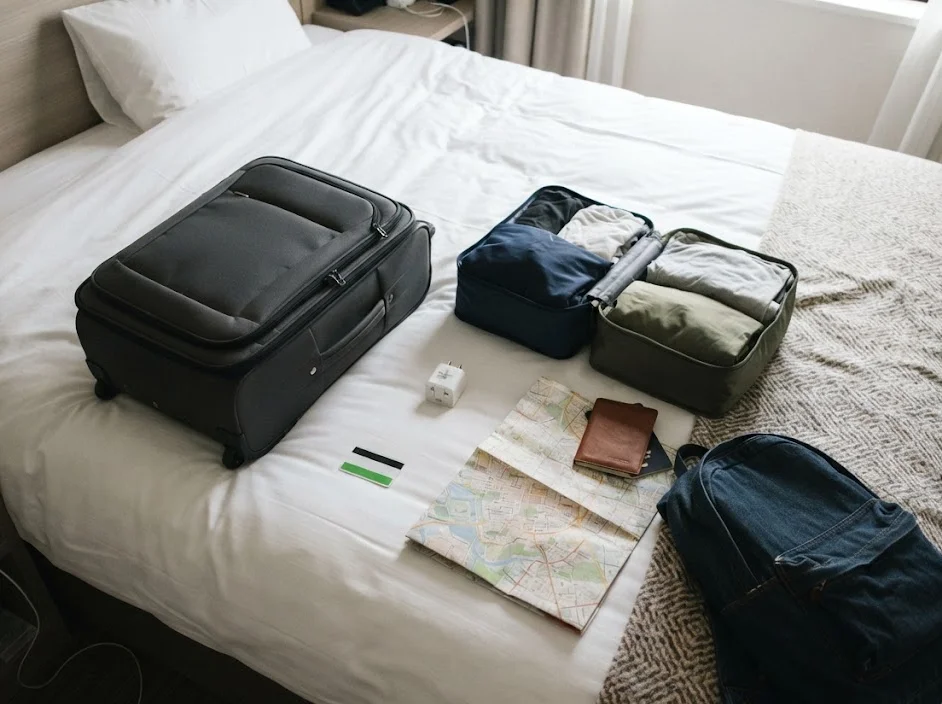
Three cheaper routes cover most of the days the Amazing Pass does not.
Enjoy Eco Card: the transport-only day ticket
The Enjoy Eco Card gives unlimited Osaka Metro and Osaka City Bus rides (some exclusions) for ¥820 on weekdays, ¥620 on weekends and holidays, and ¥310 for children. There are no attractions.
It is the better buy for a Kaiyukan day, or a day of free things like the Dotonbori streets and Shinsekai. On a weekend it is even cheaper, which widens the gap.
Osaka e-Pass: a separate sightseeing pass
The Osaka e-Pass is a different product. Its own site says it covers more than 25 sightseeing spots with a QR code, in 1-day, 2-day and Premium options.
Its page lists spots, not transport, and shows no current prices. Check there what it covers and what it costs before you compare it with ¥3,500.
Pay as you go with ICOCA or single tickets
Osaka Metro single fares run from ¥190 to ¥390 by distance, per its fare table from October 2025 (check the current one). Three or four short rides plus one gate ticket is often cheaper than any pass on a half day.
On a short day, just tap and go.
Klook and KKday both list the Amazing Pass itself. For a guided day instead, Klook and GetYourGuide list Osaka tours, which are a different product with their own prices.
How to Buy and Use the Digital Amazing Pass in 4 Steps
The pass is digital only now. The steps below follow the official how-to page and FAQ.
Step 1: Buy it on the official site, Klook or KKday
The official page links to the Surutto QRtto store. Klook and KKday also sell it. Up to 4 passes fit in one purchase.
Step 2: Activate it on the morning you start
A pass day runs from 3:00 a.m. to 2:59 a.m. the next day, so start it on a full sightseeing day.
Step 3: Show the QR code at each gate
Scan it at the train ticket gate, when getting off a bus, and at admission to each spot.
Step 4: Do Umeda Sky first, then claim a cruise slot
Umeda Sky is free only until 15:00. Swap the pass for a Tombori boarding time in the daytime, as evening cruises sell out.
Because a day counts from 3:00 a.m., opening the pass at 9 p.m. uses up the whole day. Activate it the next morning instead.
On paper this is the easiest way to waste the pass: buying it on the evening you arrive and tapping in at Namba for a late dinner. One Metro ride, and the day is gone.
Choose your base with the route in mind. A hotel near Umeda or Namba puts the morning’s first sight close by; compare rooms on Booking.com or Agoda, and see where to stay in Osaka for the trade-offs.
Partner link.
Your Phone Is the Ticket: What Most Amazing Pass Guides Skip
“The tickets issued through this service are e-tickets and will not be available in physical form,” says the official page. The FAQ adds: “Please use the mobile device you used first.”
So treat your phone as the ticket; there is no paper backup. A flat battery at 2 p.m. is not just an inconvenience, it can lock you out of Umeda Sky before its 15:00 cutoff, or of the cruise ticket you still need to collect.
- Use the same phone all day; do not switch to someone else’s
- Each traveller should show the pass on their own smartphone
- Carry a power bank; Amazon has plenty that fit a day bag
- Keep mobile data on with an eSIM from Airalo or Ubigi
- Turn the screen brightness up before the ticket gate
The FAQ says passes bought together can be used by companions who have a smartphone. A child or a parent without one is a problem worth solving before you buy.
Then the 2-day trap. The official text says the pass is valid on the day of first use and the following consecutive day, not for 48 hours. Start at 2 p.m. on Tuesday and it ends at 2:59 a.m. after Wednesday, not at 2 p.m. on Thursday.
The two days must be consecutive. You cannot use day 1 on Monday and save day 2 for Friday.
So, Is the Osaka Amazing Pass Worth It in 2026?
Yes, for an adult with two or three paid sights in one Osaka day. Plan A from 9:30 costs about ¥7,500 at the gates plus a day ticket, and even a 2 p.m. start with the castle, the cruise and Tsutenkaku is about ¥5,500, against ¥3,500 for the pass.
No, for an evening with one sight, a child, or any day built around Universal Studios Japan, Kaiyukan, Kyoto or Nara. On those days the Enjoy Eco Card or single tickets do the job for less.
The 2-day pass pays only if day 2 has its own list, such as the bay cruises, the Tempozan wheel and Tennoji Zoo.
FAQ
QDoes the Osaka Amazing Pass cover JR or trains to Kyoto?
JR is not on the list. Five private railways are covered, but mainly within Osaka City, so a Kyoto or Nara day trip still needs a separate fare.
QIs there a cheaper child pass?
No. Prices are the same for adults and children, while many children’s gate prices are low or free, so a child’s pass rarely pays (estimate).
QCan I use the 2-day pass on two separate days?
No. It covers the day of first use and the following consecutive day, each running from 3:00 a.m. to 2:59 a.m.
QAmazing Pass or Osaka e-Pass?
The Amazing Pass bundles trains and about 40 spots. The e-Pass is a sightseeing pass listing more than 25 spots; its page lists spots, not transport, so check what it covers and its current price there.
Working out a city pass from scattered blogs and old prices is tiring, and it is easy to second-guess every line.
Rather than reading more reviews, decide which day is your pass day and how many paid sights it really holds; the rest can be sorted out in Osaka.
Keep planning
- ① Install and test your eSIM before take-offAiralo and Ubigi eSIMs activate on arrival, but the install itself needs Wi-Fi. Do it at home and confirm the profile shows up in your phone settings.
- ② Save your first hotel’s address in JapaneseTaxi drivers and station staff read Japanese addresses far faster than romanised ones. Copy it from the booking confirmation into your notes app.
- ③ Set aside cash for day oneMany small restaurants, temples and rural buses are still cash-only. Airport ATMs at 7-Eleven and the post office accept most foreign cards.
Skip these and your first hour in Japan goes on finding Wi-Fi at the station instead of getting to your hotel.
🔍 How to sanity-check any price you read online
Blogs (including this one) go out of date. The official page always wins over a screenshot from two years ago.
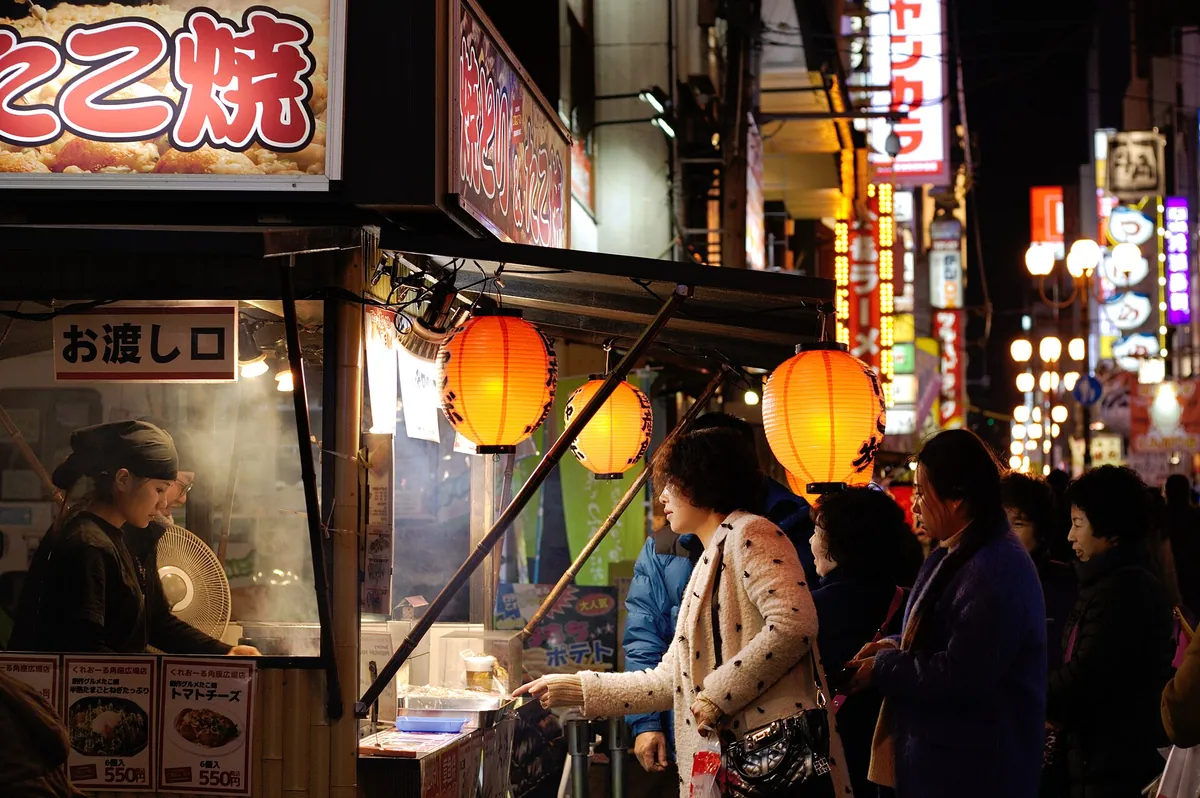
Cover Photo: jetsun, CC BY-SA 3.0, via Wikimedia Commons