- Tokyo 5 nights → Kanazawa 3 → Kyoto 4 → Hiroshima 2 → Osaka 4 → Tokyo 2
- Best for: Seeing the Alps and the Inland Sea without packing up every day.
- Rough cost: ¥350,000–450,000 per person, excluding flights.
- Transport: Point-to-point Shinkansen tickets save thousands of yen over a nationwide pass.
- Time needed
- 21 days
- Typical cost
- ¥350,000–450,000 per person
- Pacing
- Six central hotel hubs
- Transport
- Individual train tickets
- Prices checked
- Early 2026
Kanazawa Station platform 11, holding a half-eaten crab bento: skip the nationwide rail pass and buy single tickets instead.
Three weeks in Japan usually means dragging a suitcase onto a new train every other morning. We built this route to fix that.
Most 21-day itineraries force a grueling check-in every two nights. By using Kanazawa and Osaka as multi-day regional hubs, you get alpine and coastal day trips without the luggage fatigue.
You still see the mountains, the temples, and the neon lights. You just do it with a home base to return to each night.
Some links are affiliate links (marked “Partner link”). Prices are ranges checked in 2026; confirm on the official site before you book.
The 21-Day Loop: Why Six Bases Beats Daily Moves
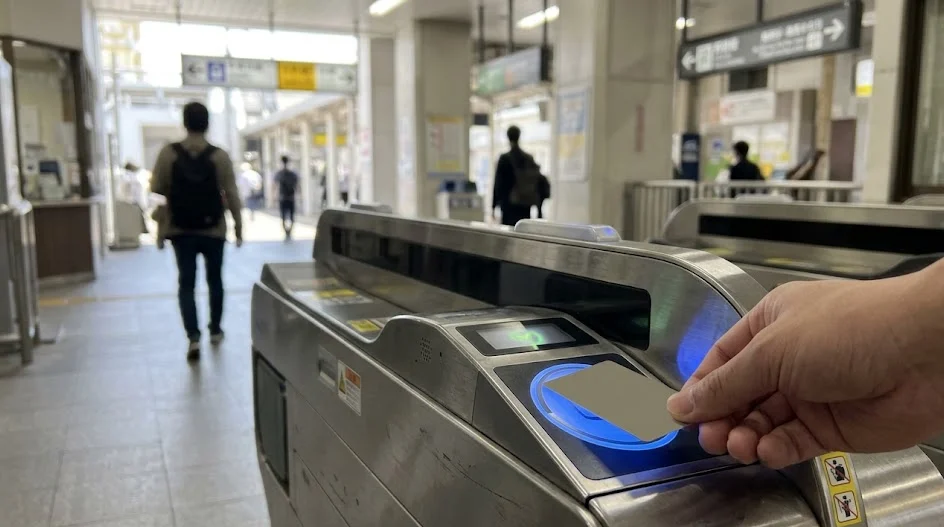
The biggest mistake on a three-week trip is moving hotels too often. Your travel days get eaten up by packing, finding lockers, and waiting for check-in time.
This loop solves that by capping your stays at six strategic cities.
You drop your bags in Tokyo, Kanazawa, Kyoto, Hiroshima, Osaka, and back in Tokyo. From these hubs, you take short day trips with nothing but a backpack.
Tokyo → Kanazawa, 2.5 h
Take the Hokuriku Shinkansen straight to the Japan Sea coast.
Kanazawa → Kyoto, 2 h
Ride the limited express Thunderbird down to the ancient capital.
Kyoto → Hiroshima, 1.5 h
Catch the fast Nozomi Shinkansen west to the Inland Sea.
Hiroshima → Osaka, 1.5 h
Return east on the Shinkansen, arriving right in the food capital.
Osaka → Tokyo, 2.5 h
Finish the loop with a final Tokaido Shinkansen ride back to base.
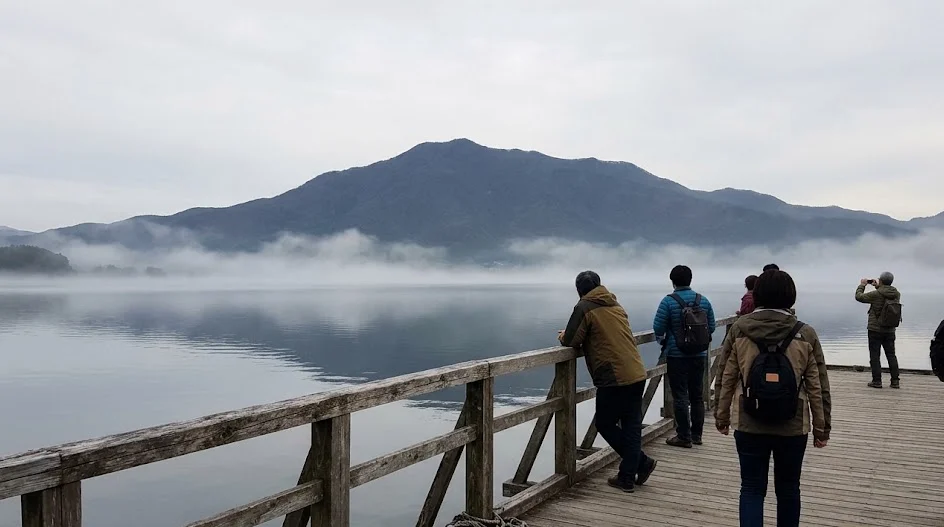
This flow naturally breaks up the heavy city exploration with coastal air and mountain scenery.
Before You Fly: 4 Bookings to Lock In
You do not need every minute planned. But you do need the structural pillars of the trip locked down early.
We recommend sorting these out roughly two to three months before your departure date.
Hotels in Kyoto and Tokyo fill up fast. Lock in free-cancellation rooms on Booking.com as soon as you have your flight dates.
Do the same for your eSIM. Setting up Airalo before you leave home means your phone works the second you land.
Days 1 to 5: Settling into Tokyo and Day Trips
Start slow. The jet lag will wake you up at 5:00 AM for the first few days anyway.
Use those early mornings to walk the quiet streets before the city wakes up. Base yourself on the western edge of the Yamanote line, like Shinjuku or Shibuya.
Day 1: Landing and adjusting to the noise
Arrive at Narita or Haneda, clear customs, and grab some cash from an ATM. Load a digital Suica card onto your phone.
Take the airport express train directly to your hotel. Drop your bags.
Keep your first evening simple. Find a ramen shop near your hotel, eat a hot bowl of noodles for roughly ¥1,200, and go to sleep.
Day 2: The Shibuya to Harajuku corridor
Start your first full day at Meiji Shrine. The forest is peaceful and shaded, perfect for an early morning stroll.
Walk down through Takeshita Street in Harajuku before the massive crowds arrive around 11:00 AM.
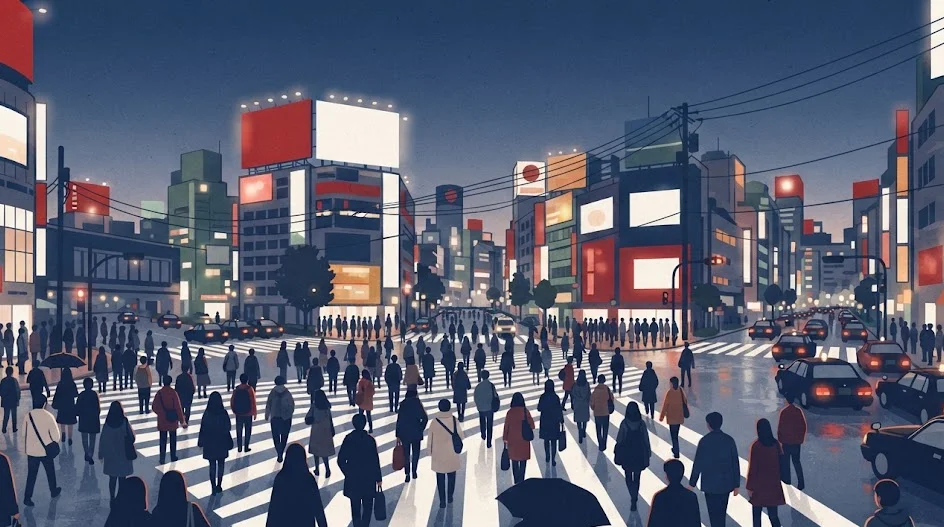
End your afternoon in Shibuya. Watch the scramble crossing from above, and check out the Shibuya Sky observatory if you booked tickets on Klook.
Day 3: Asakusa mornings and Akihabara electronics
Head to the east side of Tokyo. Arrive at Senso-ji temple in Asakusa by 8:00 AM to see the grounds before the tour buses pull in.
Grab a matcha latte and walk toward the Sumida River.
In the afternoon, ride the subway down to Akihabara. Walk the main street, browse the multi-story retro game shops, and soak in the neon.
Day 4: Day trip to Kamakura and the sea
Time to leave the city for a day. Kamakura offers coastal views and giant bronze buddhas just an hour south.
- Shinjuku Station
- Shonan-Shinjuku Line · 60 min · IC card
- Kamakura Station
- Enoden Line · 10 min · IC card
- Hase Station for the Great Buddha
Walk the local streets, eat some street food, and head back to Tokyo after sunset.
Day 5: TeamLab and a relaxed Shinjuku evening
Spend your morning at the TeamLab Planets exhibit. Book this on GetYourGuide weeks in advance.
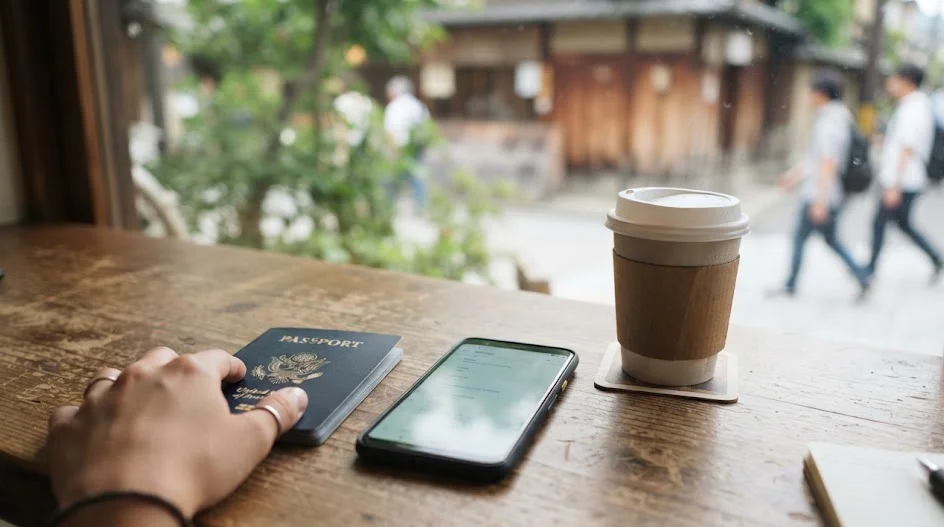
It takes about two hours to walk through the water and light installations.
Spend your final Tokyo evening exploring the narrow alleys of Omoide Yokocho in Shinjuku. Grab some grilled yakitori skewers and a cold beer.
Days 6 to 8: Through the Alps to Kanazawa
Check out of your Tokyo hotel and forward your large luggage straight to Kyoto using Yamato Transport.
Pack a small bag for the next three days. You are heading to the Japan Sea coast.
Packing light for this leg is crucial. The Shinkansen overhead racks fit a backpack easily, but large suitcases require a special reserved seat.
Day 6: The bullet train to the coast
Board the Hokuriku Shinkansen at Tokyo Station. The Kagayaki train takes just two and a half hours to reach Kanazawa.
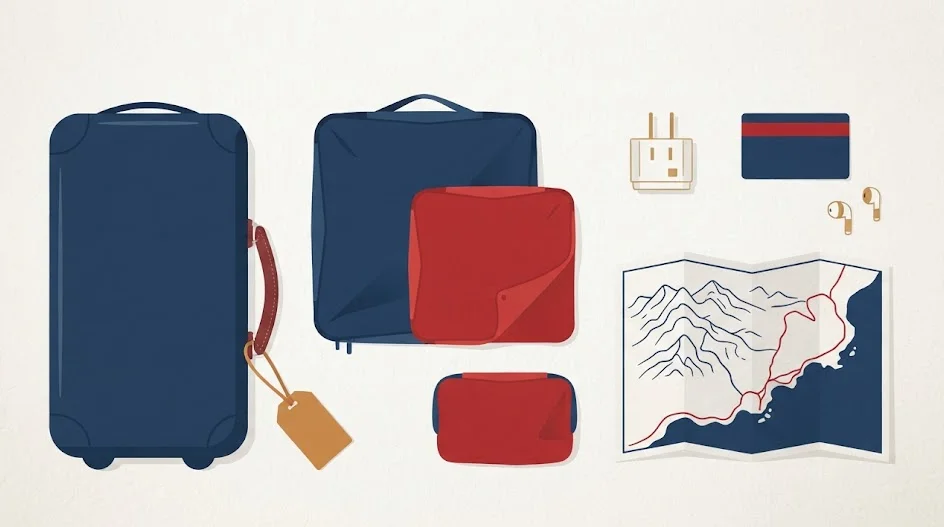
Grab a bento box at the station before boarding. Eat it while watching the mountains roll by.
Check into your Kanazawa hotel. Walk around the massive glass dome outside the station.
Day 7: Omicho Market and Higashi Chaya
Start your morning at Omicho Market. This is where you eat fresh snow crab and raw shrimp over rice.
Expect to pay roughly ¥3,000–4,500 for a high-quality seafood bowl.
Spend the afternoon in the Higashi Chaya tea district. The preserved wooden buildings make it feel like Kyoto without the overwhelming crowds.
Day 8: A bus trip to Shirakawa-go
Take a day trip into the mountains to see the thatched-roof houses of Shirakawa-go. The bus takes about 75 minutes from Kanazawa Station.
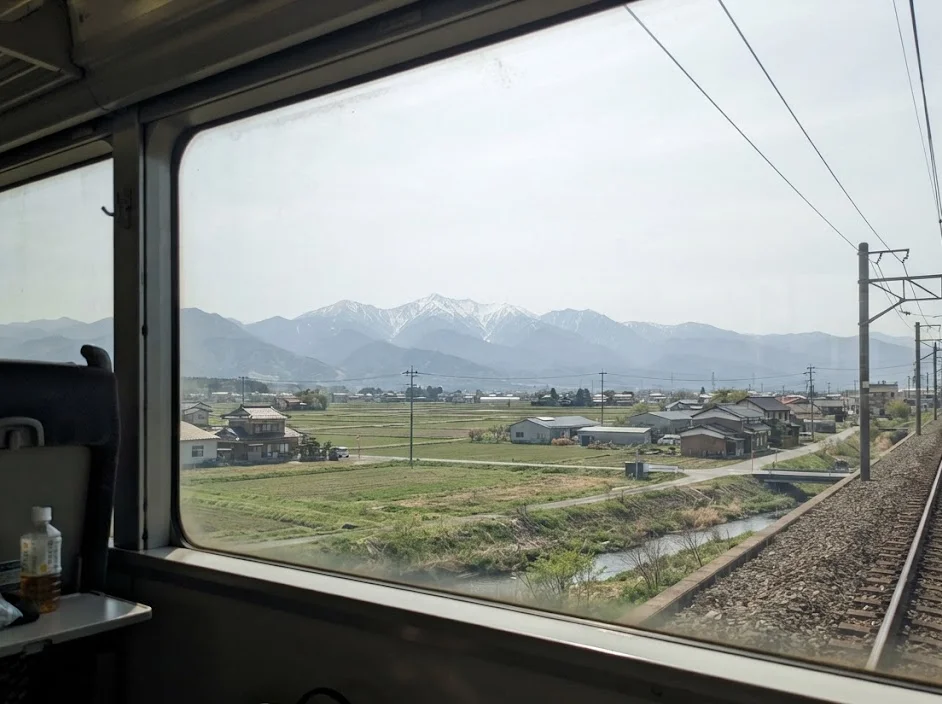
Walk up to the observation deck for a view over the valley.
Return to Kanazawa for dinner. Try the local Kanazawa curry, which is thick, dark, and served over pork cutlets.
Days 9 to 13: Kyoto and the Kansai Basin
Catch the Thunderbird limited express train down to Kyoto. It takes about two hours and costs roughly ¥7,500.
Your forwarded luggage will be waiting for you at your Kyoto hotel.
Day 9: Arriving in Kyoto and Southern Higashiyama
Drop your bags near Kyoto Station or your chosen base.
Head straight to the Kiyomizu-dera temple in the late afternoon. The light is softer and the crowds begin to thin out.
Walk down the preserved streets of Sannenzaka and Ninenzaka as the lanterns turn on.
Day 10: Fushimi Inari and a physiological reset
Wake up very early. Be at the Fushimi Inari shrine gates by 7:00 AM.
Hike halfway up the mountain to beat the heat and the tour groups. It gets intensely crowded by 9:30 AM.
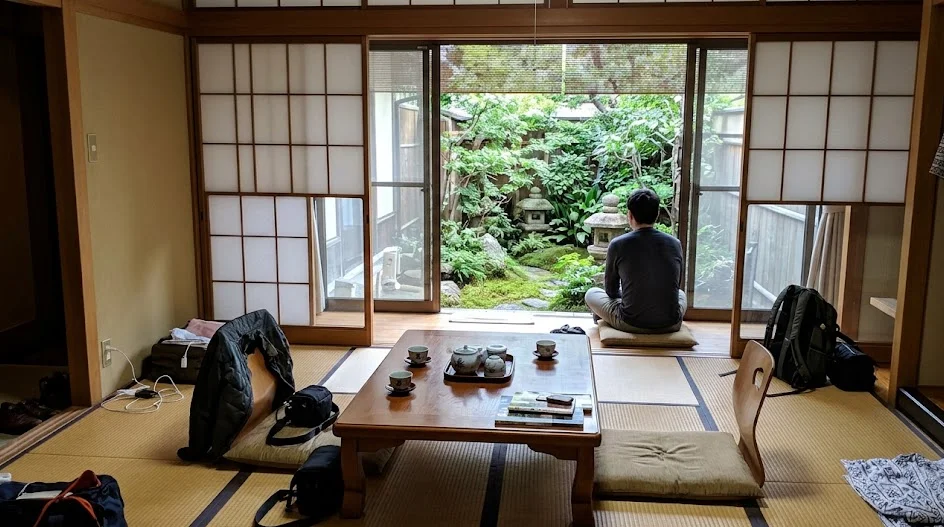
This is the perfect night for a ryokan stay.
Booking your ryokan stay mid-trip acts as a mandatory physiological reset before hitting western Japan and Tokyo’s second wave. Soak in the hot spring and sleep on tatami mats.
Day 11: Arashiyama before the crowds
Take the local train west to Arashiyama. Again, arrive by 7:30 AM if you want photos of the bamboo grove without hundreds of people in the background.
Cross the Togetsukyo Bridge and find a quiet cafe along the river.
Skip the monkey park if you are feeling tired. Head back to central Kyoto for a casual okonomiyaki dinner.
Day 12: Day trip to Nara
Nara is just 45 minutes south of Kyoto on the Kintetsu line.
Walk through Nara Park and buy crackers to feed the deer. Be warned: they are aggressive when they see food.
Visit the massive wooden hall at Todai-ji. It houses a 15-meter tall bronze Buddha.
Day 13: Northern temples and packing up
Visit the Golden Pavilion (Kinkaku-ji) in the morning.
It is beautiful, but you cannot go inside. Snap your photos, walk the gardens, and move on.
Spend your last Kyoto afternoon doing laundry at your hotel and preparing for the journey west.
Where we would book this
Booking.com
Largest inventory in Japan for English-speaking travellers
- Best for
- Hotels, business hotels, ryokan and apartments in every city
- Checked
- September 2026
Official site. Same price for you.
Days 14 to 16: Hiroshima and the Inland Sea
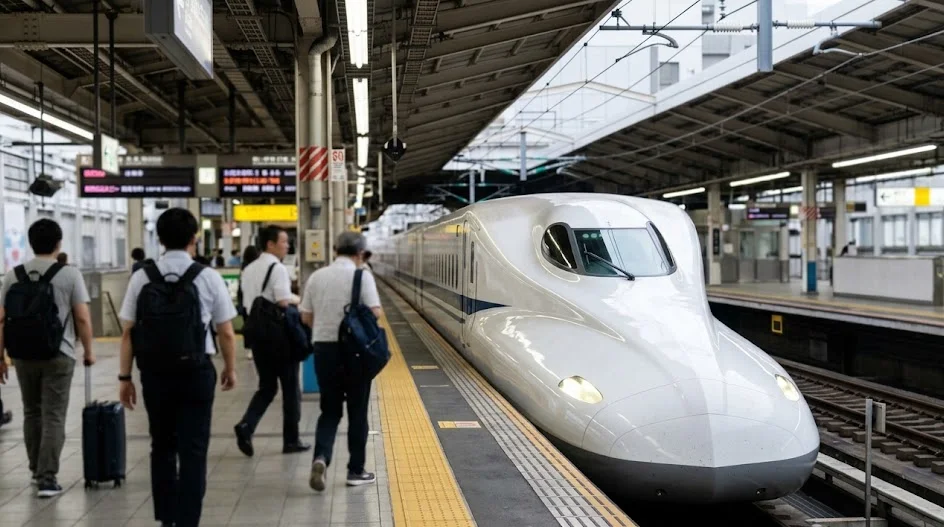
Board the Tokaido/Sanyo Shinkansen at Kyoto Station. You want the Nozomi train, which gets you to Hiroshima in under two hours.
This is where skipping the JR Pass pays off. The pass restricts which fast trains you can take, but a single ticket lets you board anything.
Day 14: Peace Park and Okonomiyaki
Check into your Hiroshima hotel. Walk to the Peace Memorial Park.
The museum is heavy and emotional, but absolutely necessary. Give yourself two hours to process it.
For dinner, head to Okonomimura. It is a multi-story building packed with stalls serving Hiroshima-style okonomiyaki with noodles.
Day 15: Miyajima island tides
Take the local train and the ferry across to Miyajima island. Check the tide charts before you go.
At high tide, the great torii gate appears to float on the water. At low tide, you can walk right up to its base.
Eat grilled oysters on a stick for lunch, then hike or take the ropeway up Mount Misen for views of the Inland Sea.
Day 16: Himeji pit stop en route to Osaka
Pack up and catch the Shinkansen east toward Osaka.
Stop at Himeji Station. Put your bags in a coin locker.
Walk directly down the main street to Himeji Castle. It is Japan’s most spectacular original castle, surviving both fires and wars.
Days 17 to 19: Osaka Food Culture and Nightlife
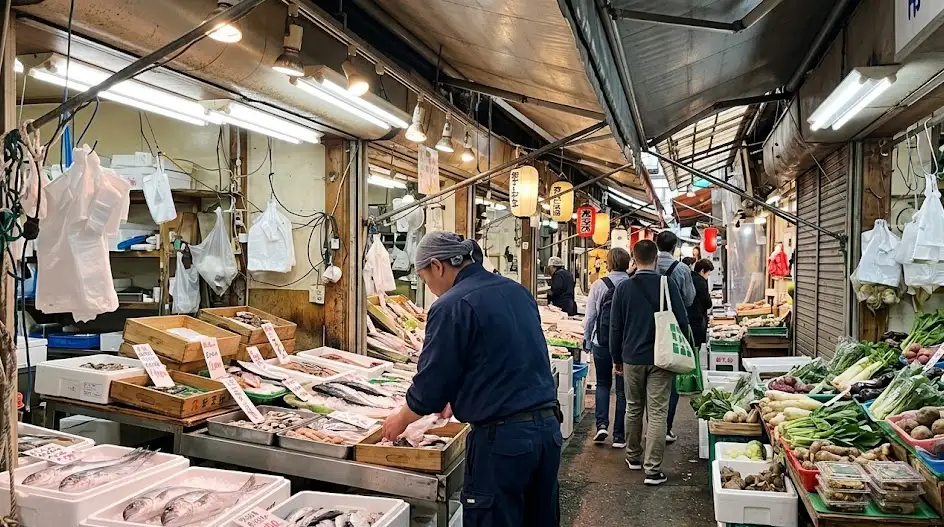
Arrive in Osaka. The energy shifts immediately from the quiet temples of Kyoto to loud, bright, chaotic streets.
Osaka is the kitchen of Japan. Your main activity here is eating.
Day 17: Settling into Namba and Dotonbori
Base yourself in the Namba or Shinsaibashi area. Drop your bags and walk to Dotonbori.
Find a stall selling takoyaki (octopus balls) for roughly ¥600.
The streets are packed with giant mechanical crabs and glowing signs. It is loud, unapologetic, and fun.
Day 18: Shinsekai and the arcade crawl
Head to the retro neighborhood of Shinsekai. It feels like stepping into a gritty 1980s arcade.
Eat kushikatsu—deep-fried meat and vegetables on skewers. Dip them in the communal sauce strictly once.
Spend the afternoon exploring the massive covered shopping arcades near Namba.
Day 19: A quick run to Kobe or USJ
You have a choice today.
If you want thrills, book a Universal Studios Japan pass on GetYourGuide and spend the day at Super Nintendo World.
If you want a slower pace, take a 30-minute train to Kobe. Eat premium beef for lunch and walk around the historic port area.
Days 20 to 21: Tokyo Return and Departure Logistics
It is time to close the loop. Take the Nozomi Shinkansen from Shin-Osaka straight back to Tokyo.
The ride takes roughly two and a half hours. Grab a window seat on the left side to look for Mount Fuji.
Day 20: Last-minute souvenir hunting
Check into your final Tokyo hotel. We suggest staying near Ueno or Shinagawa for an easy airport exit.
Use this day to buy matcha, ceramics, and Japanese skincare at Don Quijote or a large department store.
Eat one last bowl of ramen or a plate of high-end sushi for your final dinner.
Day 21: Haneda or Narita departure
Pack your bags carefully. The airport trains take about an hour to Narita, or 30 minutes to Haneda.
Arrive three hours early. The security lines at Narita can be brutal in the late afternoon.
Spend your last yen coins on vending machine drinks before boarding your flight home.
Where to Base Yourself: 6 Hotel Hubs for 20 Nights
Finding the right neighborhood makes a huge difference. You want to be close to a major train line, but not sleeping right on top of a noisy crossing.
Look for these areas when browsing Agoda or Booking.com.
Tokyo Hub 1: Shinjuku or Shibuya
Best for your first five days. You get immediate access to the Yamanote line and endless late-night food options.
Expect to pay ¥18,000–30,000 a night for a solid business hotel.
Kanazawa Hub: Near the Station
Stay within a ten-minute walk of Kanazawa Station. It makes the day trips to Shirakawa-go effortless.
Hotels here are generally cheaper and more spacious than in Tokyo.
Kyoto Hub: Karasuma or Kawaramachi
Do not stay right at Kyoto Station. The area is lifeless at night.
Base yourself in central Kyoto near Karasuma. You are walking distance to the Kamo River and dozens of restaurants.
Hiroshima Hub: Hondori or Peace Park
Stay near the central shopping arcade. The streetcars run directly from the Shinkansen station down to this area.
It places you right next to the best okonomiyaki spots.
Osaka Hub: Namba
Namba is the absolute best base in Osaka. You step out of your hotel and immediately hit the food stalls.
Prices range from ¥15,000–25,000 a night.
Tokyo Hub 2: Ueno or Shinagawa
For your final nights, prioritize airport access. Ueno has the direct Keisei Skyliner to Narita.
Shinagawa has a direct rapid train to Haneda. Both save you massive headaches on departure day.
Partner link.
Realistic 21-Day Trip Budget and Shinkansen Costs
As of 2026, Japan is very affordable if you avoid the major tourist traps and skip the nationwide JR Pass.
Here is how a typical mid-range budget breaks down. These totals are estimates.
| Category | Rough 21-Day Cost (per person) |
|---|---|
| Hotels (split between two) | ¥160,000–200,000 |
| Food & Drink | ¥100,000–140,000 |
| Shinkansen & Local Trains | ¥70,000–85,000 |
| Activities & Temples | ¥20,000–30,000 |
| eSIM & Small Extras | ¥5,000 |
Plan your trip: the tools we use
The transport category is where most people overspend.
Post-fare-hike national JR Passes are almost impossible to break even on this route.
The JR Pass trap
- 21-day pass costs ¥100,000.
- Excludes the fastest Nozomi trains.
- Requires waiting in lines for reservations.
Individual tickets
- This specific loop costs ~¥65,000.
- You can ride the fast Nozomi trains.
- Saves you roughly ¥35,000 per person.
Our pick: Buy single tickets at the station machines. It is cheaper and faster.
Tips for a Smooth 3-Week Transit Loop
A few small logistics make a massive difference over three weeks.
If you get these right, your stress levels drop to zero.
Step 1: Forward your bags
Use Yamato Transport at your hotel front desk. Ship your large suitcase from Tokyo to Kyoto for about ¥2,500.
Step 2: Get an eSIM early
Download Airalo or Ubigi before you fly. Activate it when the plane lands, and you have instant Google Maps access.
Step 3: Use a digital IC card
Load a Suica card onto your Apple Wallet. You tap your phone to ride subways and buy coffee, skipping the ticket machines entirely.
We made the mistake of dragging suitcases on the Tokyo subway during rush hour on our first trip. Do not do it.
 ReaderYuki
That is the whole trick.
Forward the bags, buy the single train tickets, and take your time.
After 7 PM: Evening Walking Routes for All Six Bases
Temples and shrines across the country lock their gates right at 5:00 PM.
If you do not have an evening strategy, your sightseeing abruptly ends just as the sun goes down. Most first-time travelers end up wandering aimlessly or retreating to their hotel rooms early.
You can maximize your 21 days by saving specific neighborhoods exclusively for the evening. These districts are actually better experienced under streetlights and neon signs.
The trick is to match your dinner plans to the neighborhoods that stay awake late.
Here are the best evening walking paths for each of your hotel hubs.
Tokyo and Kanazawa after dark
In Tokyo, abandon the major monuments and dive into the narrow drinking alleys. Shinjuku’s Omoide Yokocho is packed with tiny yakitori counters where businessmen grab a beer before heading home.
If you prefer structure, you can easily book a local evening walking tour through GetYourGuide to navigate the chaotic bar districts safely.
Kanazawa is entirely different.
Take a walk through the Higashi Chaya district around 8:00 PM. The wooden teahouses are closed, but the exterior lanterns create a stunning, atmospheric glow completely free of daytime crowds.
Kyoto and Hiroshima evening walks
Kyoto transforms once the day-trippers board the train back to Osaka. Start your evening walk at Yasaka Shrine, which is heavily illuminated at night.
From there, wander down through the Gion Shirakawa area. The willow trees and canal look spectacular against the old wooden restaurant facades.
In Hiroshima, your nights belong to the Hondori covered shopping arcade.
After eating okonomiyaki, walk the miles of lit arcades. They are full of claw machines, local fashion boutiques, and late-night bakeries.
Osaka neon and Tokyo farewells
Osaka was built for the night. Skip the main Dotonbori drag and slip into Hozenji Yokocho, a narrow stone-paved alley lined with tiny bars and restaurants.
Expect to pay ¥1,500–3,000 for a few rounds of local sake; check the official site of your chosen bar for table charge policies.
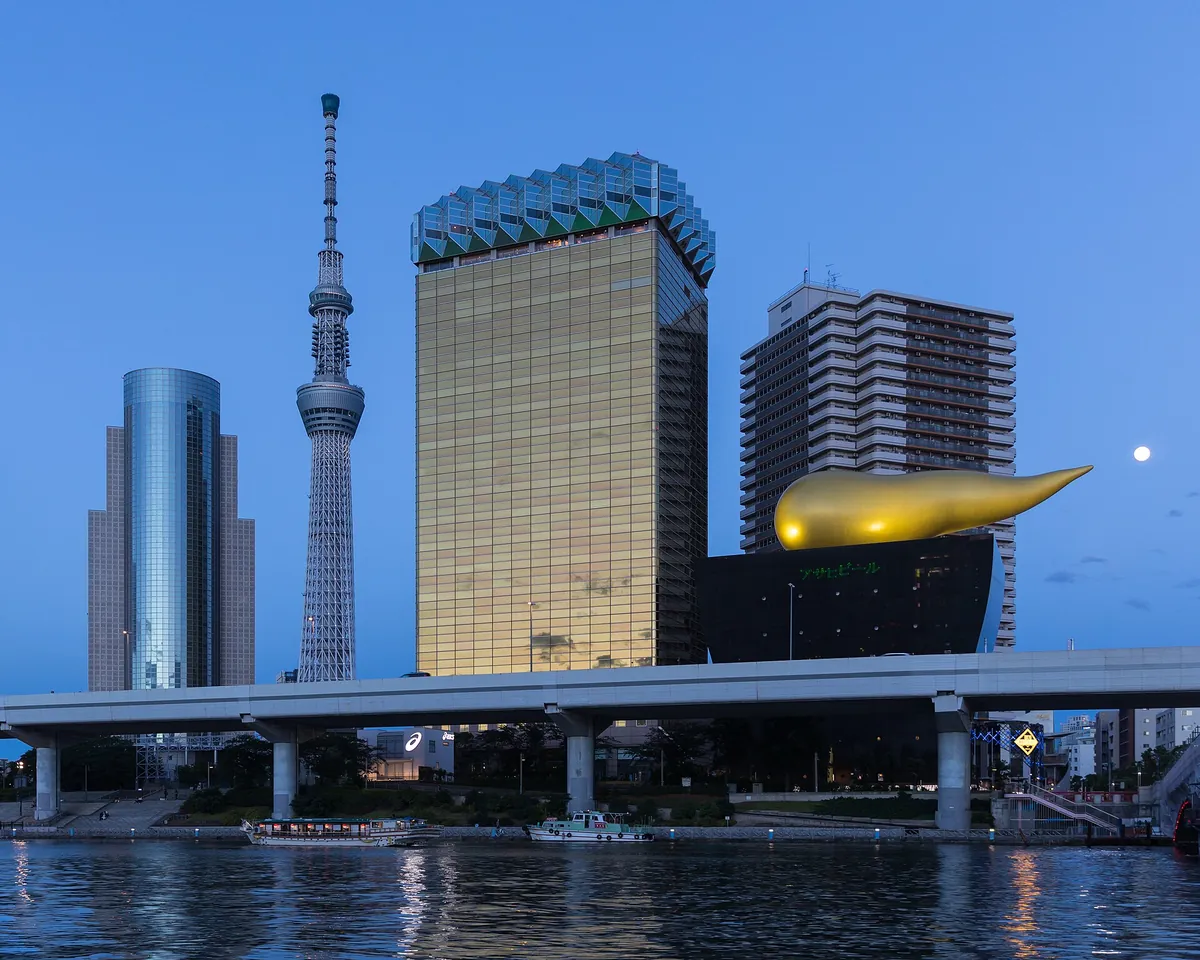
On your final Tokyo nights, walk the banks of the Sumida River near Asakusa. Looking at the illuminated Tokyo Skytree from the water is the perfect way to close out the trip.
Triaging Your Itinerary: What to Cut if You Lose a Day
Things will go wrong on a three-week trip. Flights get delayed, jet lag hits harder than expected, or a heavy rainstorm washes out your mountain plans.
Trying to cram a missed day into the rest of your schedule will exhaust you. You need to know exactly which stops to confidently delete without ruining the overall experience.
Knowing what to skip is just as important as knowing what to see.
Having a triage list keeps you calm when the schedule falls apart.
Cancel any flexible reservations you made on Booking.com if your flight gets heavily delayed, and deploy this backup plan instead.
- Cut Kamakura if you need more time to adjust in Tokyo.
- Skip Shirakawa-go if heavy rain ruins the mountain visibility.
- Drop the Golden Pavilion if temple fatigue sets in early.
- Cancel theme parks if your feet are covered in blisters.
Dropping Tokyo and Kanazawa day trips
If you lose a day to severe jet lag at the start of your trip, do not try to squeeze Tokyo into fewer days. Instead, cut the Kamakura day trip entirely.
Tokyo is the cultural baseline. You need those full days to understand the city’s scale before you head off into the mountains.
If it pours rain during your Kanazawa leg, skip the bus ride to Shirakawa-go.
Walking through a mountain village in driving rain is miserable. Spend that day inside the art museums or book a longer lunch at Omicho Market.
Expect a premium sushi lunch to cost ¥4,000–8,000; check the official site for seasonal menus.
Sacrificing Kansai extras
Kyoto fatigue is a very real condition. If you hit day twelve and cannot look at another wooden structure, skip the northern temples completely.
The Golden Pavilion is stunning, but it is visually similar to things you have already seen and heavily crowded. Sleep in, do your laundry, and drink coffee along the river.
If you run out of energy heading west, Himeji Castle is the first thing to drop.
You can view it from the train window as the Shinkansen speeds past. Even if you bought a regional rail pass, it is perfectly fine to stay on the train and head straight to Hiroshima to rest.
Simplifying the Osaka finish
Osaka is your final push. If you are burned out by day nineteen, cancel any plans to visit Kobe or Universal Studios.
Theme parks demand twelve hours of walking and standing in lines. If you are already tired, staying in Osaka and eating street food is a much better use of your remaining energy.
You can always save the theme parks and extra cities for your next trip.
Planning three weeks of hotels and trains feels overwhelming when you look at the entire map.
Stop trying to optimize every hour; lock in your six hotel bases now, book the ryokan night, and figure out the temples once you land.
Keep planning
- ① Install and test your eSIM before take-offAiralo and Ubigi eSIMs activate on arrival, but the install itself needs Wi-Fi. Do it at home and confirm the profile shows up in your phone settings.
- ② Save your first hotel’s address in JapaneseTaxi drivers and station staff read Japanese addresses far faster than romanised ones. Copy it from the booking confirmation into your notes app.
- ③ Set aside cash for day oneMany small restaurants, temples and rural buses are still cash-only. Airport ATMs at 7-Eleven and the post office accept most foreign cards.
Skip these and your first hour in Japan goes on finding Wi-Fi at the station instead of getting to your hotel.
🔍 How to sanity-check any price you read online
Blogs (including this one) go out of date. The official page always wins over a screenshot from two years ago.
Cover Photo: Basile Morin, CC BY-SA 4.0, via Wikimedia Commons