
- Prioritize local set-menu lunches to save money without sacrificing nutrition.
- Avoid the national JR Pass unless you have a high-frequency, long-distance route.
- Stay near secondary transport hubs to lower nightly hotel costs by 20%.
- Use an eSIM like Airalo or Ubigi to avoid expensive roaming charges.
- Stick to one or two regions instead of attempting a cross-country sprint.
- Trip duration
- 10–14 days
- Typical cost
- ¥180,000–250,000
- Base
- Osaka & Tokyo
- Booking
- 2–3 months out
- Check date
- January 2026
Some links are affiliate links (marked “Partner link”). Prices are ranges checked in 2026; confirm on the official site before you book.
Four hours into my first morning in Osaka, I realized my strategy of strictly eating at convenience stores was not just depressing, but also more expensive than a proper meal.
I was spending nearly ¥1,500 on small snacks that left me hungry by mid-afternoon. Meanwhile, the local office workers around me were sitting down for hot, filling sets for two-thirds of that price.
The secret to keeping costs low in Japan is shifting from extreme frugality to strategic spending. This means skipping the expensive tourist-trap dinners in favor of neighborhood shops, and choosing regional transport passes over a blanket national ticket.
- You have a JR Pass in your shopping cart.
- You think all business hotels are dirty.
- You plan to use a taxi between city districts.
- You are trying to visit five cities in ten days.
- You have no idea how to find cheap lunch spots.
- You haven’t budgeted for daily local train fare.
The 2026 Reality: Strategic Budgeting Over Extreme Frugality
Most travelers focus on minimizing the daily yen output by sacrificing quality. This often leads to burnout and a trip defined by cheap bread from convenience stores. True savings in Japan come from efficiency, not just avoiding spending money.
1. Spending to save time
Sometimes, paying ¥2,500 extra for a limited express train is better than spending two hours on local lines. That extra time saved is worth more than the cost of a coffee. When you waste your entire afternoon navigating regional trains just to save a few coins, your travel quality drops significantly.
2. The lunch vs. dinner tradeoff
Lunch in Japan is the best value for your budget. Many high-end restaurants in Tokyo or Kyoto offer lunch sets for ¥1,200–2,000 that would cost triple at dinner. Use this to your advantage to experience quality food without the high price tag of evening fine dining.
Transport Hacks: When to Ignore the JR Pass Entirely
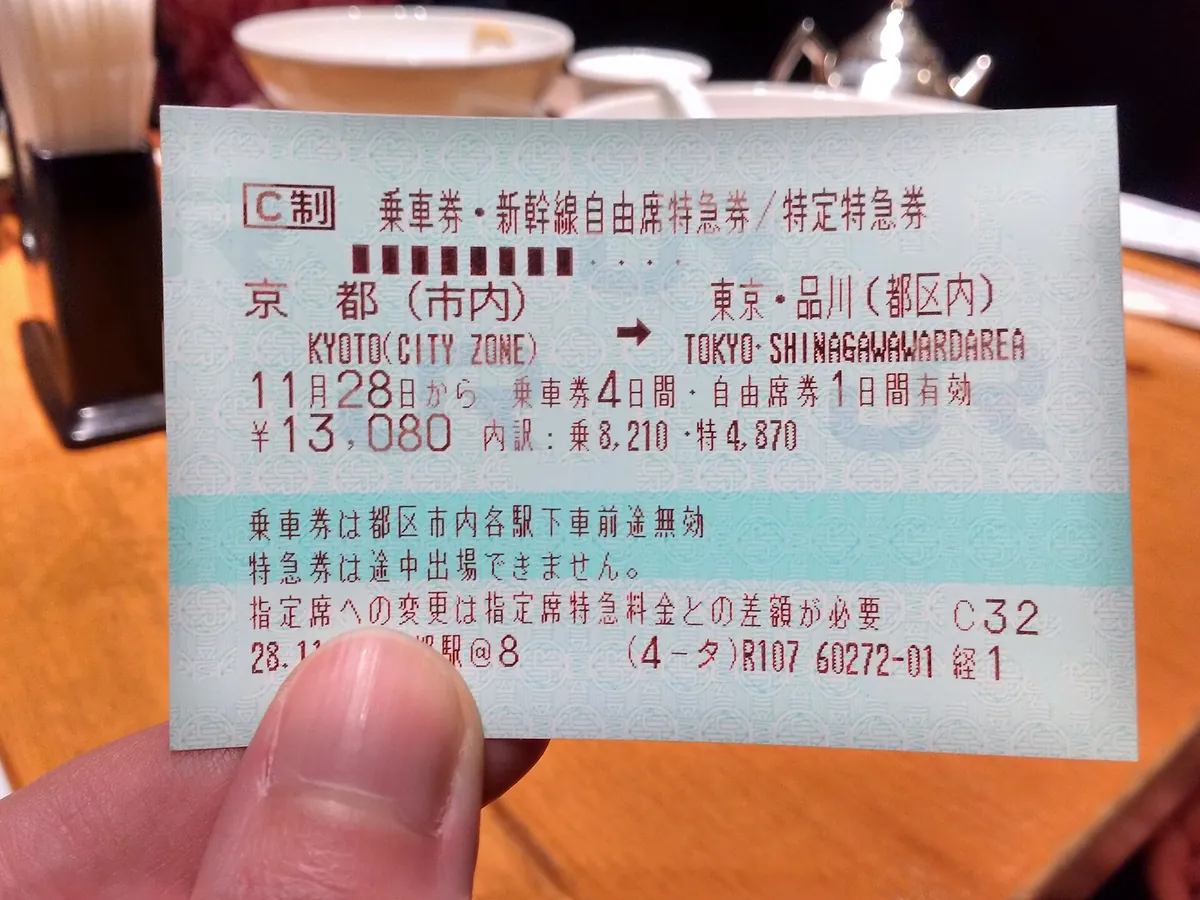
For airport transfers or specific day trips, you rarely need the most expensive national passes. The national rail pass has increased in price, making it a poor choice for simple Tokyo–Kyoto round trips. Always use a site like Klook to compare individual ticket prices against the pass cost before you commit.
3. Skipping the national JR Pass
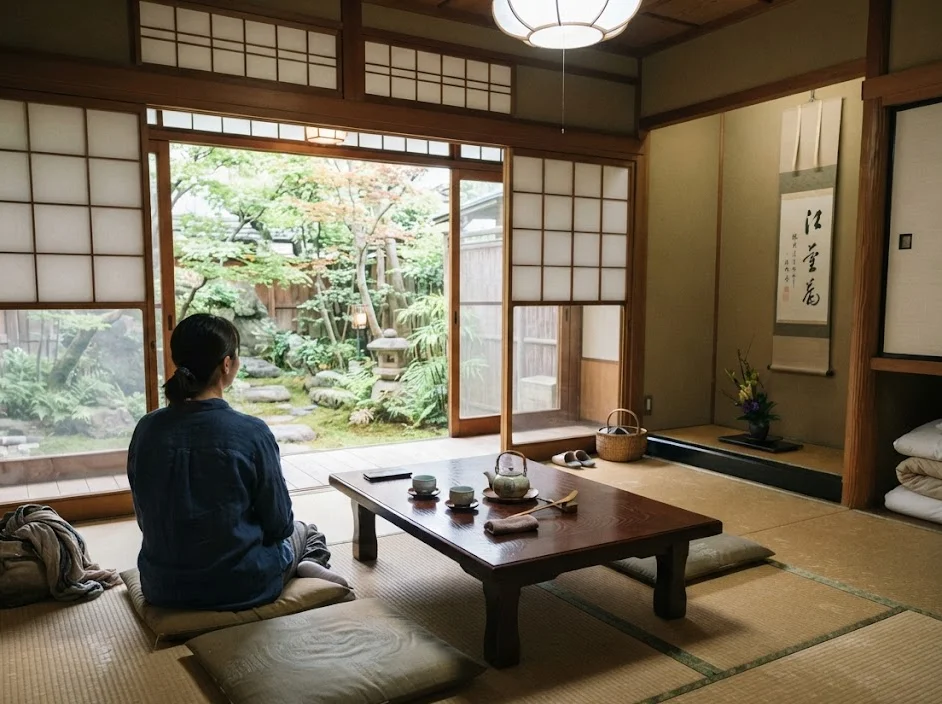
If you are only traveling between Tokyo, Kyoto, and Osaka, you are likely better off buying individual tickets. Use the official Japan Rail Pass site to check current fare tables. You can use Klook to book specific shinkansen tickets or local tourist passes that cover a single region effectively.
4. Leveraging regional passes
Regions like Kansai offer specialized tickets such as the Kansai Thru Pass or the JR Kansai Area Pass. These are much cheaper than national versions. They offer unlimited travel within a specific prefecture or city cluster, which fits a 10-day trip perfectly.
What most first-timers do
- Buy a nationwide rail pass immediately.
- Take taxis whenever feet hurt.
- Use expensive roaming data plans.
← Swipe to see the full table →
| Service | Typical Cost (Yen) |
|---|---|
| Teishoku Lunch | 900–1,300 |
| Business Hotel | 8,000–15,000 |
| Regional Rail Pass | 2,000–5,000 |
Plan your trip: the tools we use
Eating Well Without Visiting High-End Restaurants
Convenience stores are for emergencies, not daily survival. The real value is hidden in basement floors of department stores or quiet neighborhood alleys.
5. Finding the perfect teishoku
A teishoku is a set meal featuring a main dish, rice, miso soup, and pickles. Look for shops displaying plastic food samples in their windows. These places often charge ¥900–1,300 for a hearty meal that will keep you fueled for hours.
6. Department store basements
Search for a Depachika—the basement level of large department stores like Takashimaya. In the evening, the high-quality prepared food is often discounted. You can grab a premium bento box for significantly less than a restaurant dinner.
Booking Accommodation: The Station Proximity Trap
Looking for hotels directly connected to major stations like Shinjuku or Osaka Station is a quick way to double your housing budget. Moving just two or three subway stops away can save you thousands of yen per night.
7. The business hotel advantage
Chains like APA, Dormy Inn, or Toyoko Inn are built for domestic business travelers. They are clean, compact, and consistent. Check Booking.com or Agoda for these brands, as they offer the best price-to-comfort ratio in Japan.
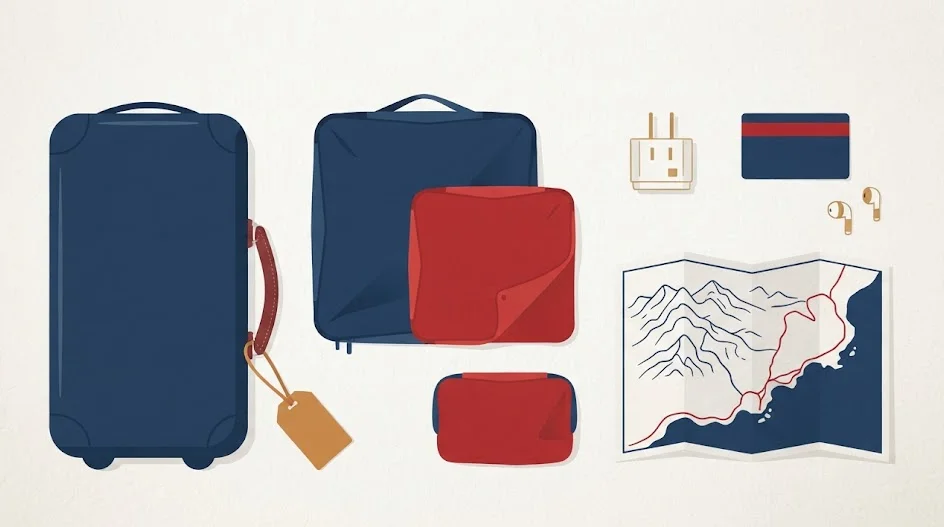
8. Avoiding the “central” tax
If you stay in neighborhoods like Ueno in Tokyo or Shin-Imamiya in Osaka, you get access to similar train lines for a fraction of the cost. I once saved nearly ¥8,000 a night by choosing a reputable hotel just four stops away from the main hub. The 10-minute commute is worth the extra cash.
Partner link.
Planning your visit?
Strategic Shopping: Where to Find Quality Souvenirs
Tourist spots often sell the same items you can find in local chains. Never buy your souvenirs at the airport if you can avoid it.
9. The 100-yen shop treasure hunt
Stores like Daiso or Seria are not just for trash. You can find high-quality stationery, traditional ceramics, and functional kitchen goods for ¥100–300. These make better gifts than mass-produced snacks from souvenir kiosks.
10. Don Quijote for basics
For Japanese snacks, cosmetics, or household items, visit a Don Quijote store. They have a massive inventory, and the tax-free options for tourists make it very budget-friendly. Just avoid the ones in the absolute center of Shibuya, as they are usually crowded and slower to navigate.
Hidden Costs First-Timers Always Forget to Budget
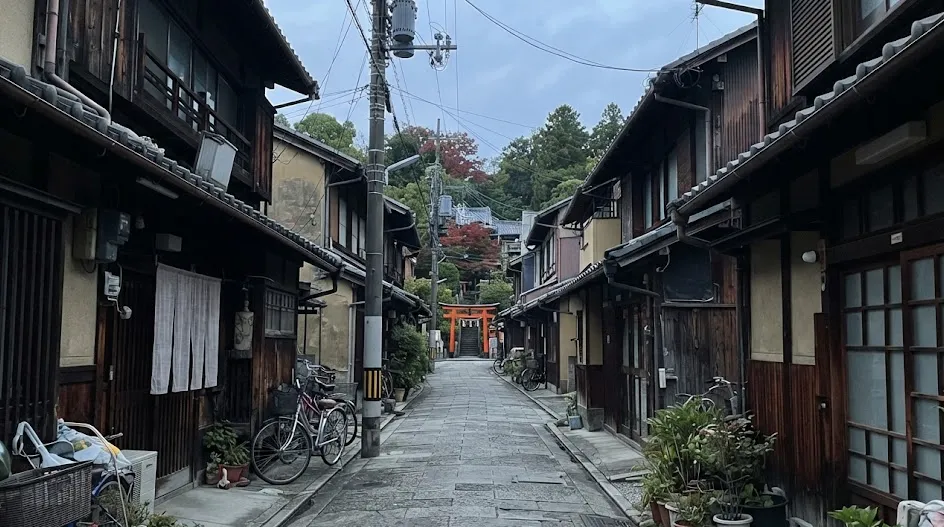
You need to account for more than just flights and hotels. Many small expenses add up to create a “budget gap” at the end of your trip.
11. Luggage forwarding fees
Moving a large suitcase between cities can cost ¥1,500–2,500 per bag via Yamato Transport. While it seems like an extra cost, it saves you from paying for a taxi or dealing with crowded trains while hauling heavy bags. It is a strategic move that saves time and sanity.
12. The coin laundry reality
Most business hotels have coin-operated laundry machines. Plan to spend about ¥500–800 per wash-and-dry cycle. This allows you to pack light and avoid checked-bag fees on your flights to and from Japan.
How to Handle Cash and Coins Like a Local
While Japan is becoming more card-friendly, cash remains king in rural areas and small shops. Do not rely solely on your credit card.
13. Managing the coin pouch
Coins in Japan include the 500-yen piece, which is worth a few dollars. It is easy to accumulate a pocket full of heavy, low-value coins. Keep a dedicated coin purse to avoid a messy wallet. Use these coins for vending machines or small station locker fees.
14. Withdrawing enough cash
ATMs in 7-Eleven or Lawson stores are the most reliable for foreign cards. They usually charge a small fee, but it is standard. Withdraw larger amounts at once to minimize the transaction fees your home bank might charge.
Spending Priorities: What is Actually Worth Your Yen
Spend your money on the experience, not the logistics. A private tour might be a luxury, but a good local guide is an investment.
15. The “one splurge” rule
Pick one expensive thing for your trip, like a night in a high-end ryokan in Hakone or a specific meal. Budget for this specifically. It is better to have one memorable, premium experience than to spread your money thin on multiple mediocre activities.
16. Digital connectivity
Never rely on public Wi-Fi. Using an eSIM like Ubigi or Airalo is worth every yen. Being able to access Google Maps and train schedules in real-time saves you from getting lost, which is the most expensive mistake you can make.
Step 1: 1. Map your big jumps
Identify your major city moves and price the local train fares first.
Step 2: 2. Look for mid-range hotels
Use Booking.com to find business chains 3 stops from the center.
Step 3: 3. Book your eSIM
Setup Airalo or Ubigi before you land to save on arrival stress.
Step 4: 4. Eat lunch at locals
Seek out shop windows with plastic sets to find the best value.
Common Budget Mistakes That Cost You Time
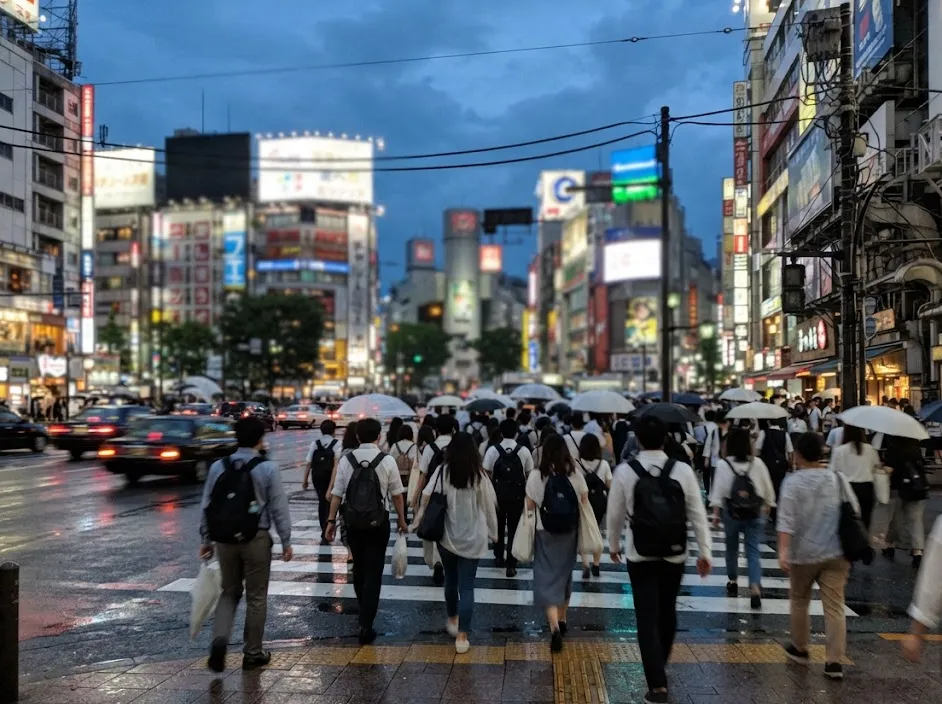
One time, I blindly followed a blog recommendation to visit a “hidden” shrine that was three bus transfers away. It took me four hours total and cost more than a train ticket to a major city.
17. Over-planning your daily schedule
Trying to cram five temple visits into one day in Kyoto will force you into expensive taxi rides. Stick to two main activities per day. You will enjoy the city more and spend less on transit.
18. Ignoring local bus limitations
In cities like Kyoto, the bus network is often slower than walking or subway lines. If you see a long queue for a bus, look for a nearby train station. You will often save time and avoid the frustration of standing in a crowded vehicle for an hour.
Digital Prep: The One-Evening Setup That Saves Thousands
Most travelers arrive in Japan and spend their first four hours wandering around the airport, lost and tethered to expensive roaming plans. You can eliminate this chaos in a single evening at home with a few strategic setups that pay for themselves by day two.
Digital preparation is the single most effective way to avoid the “tourist tax” on convenience. When you have your transport cards and data ready before touchdown, you avoid overpriced airport SIMs and the frantic search for physical ticket machines.
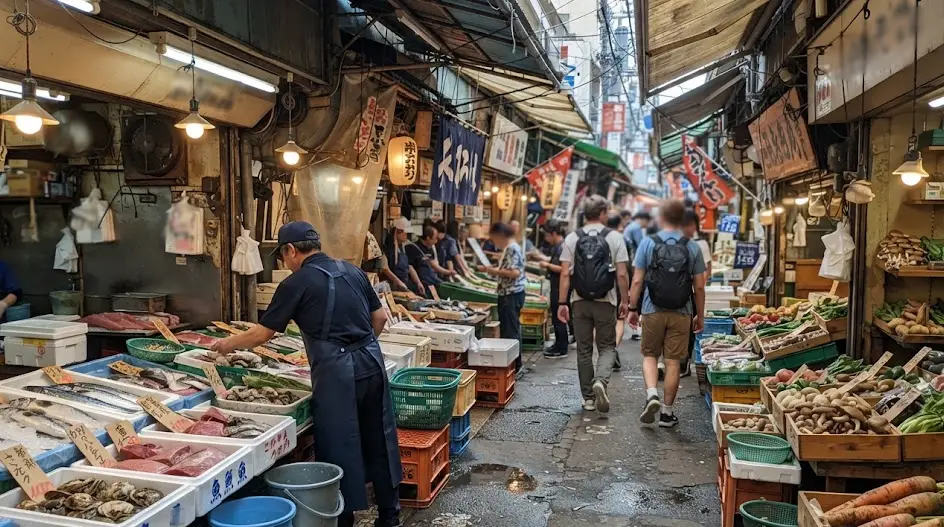
The essential app stack
- Google Maps: Still the gold standard. Use it to check platform numbers and train exit gates, which saves you from paying for wrong-direction fare adjustments.
- Navitime for Japan Travel: Excellent for filtering routes by “JR Pass only” or “cheapest fare” if you want to avoid premium lines.
- SmartEx: Essential if you plan to book Shinkansen tickets in advance for potential early-bird discounts.
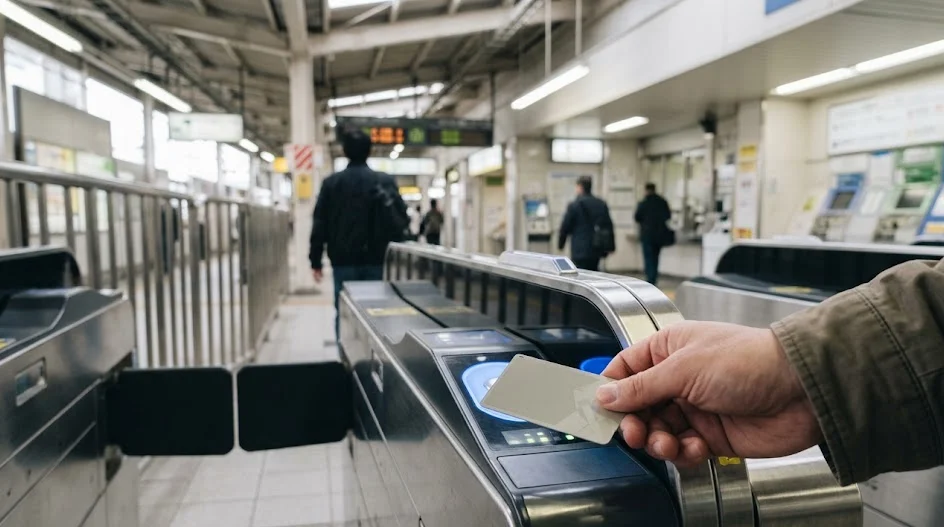
- Apple or Google Wallet: Add a Suica or Pasmo card directly to your phone. This allows you to tap in and out of almost any local train or bus without needing a physical card or individual paper tickets.
Avoid the temptation to buy a physical “Welcome Suica” card at the airport, as queues can be over an hour long. Digital versions are instantaneous and carry no deposit fees. Simply top them up using a credit card stored in your digital wallet whenever your balance drops below 1,000 yen.
 ReaderYuki
My personal approach is to load 5,000 yen onto my digital transit card the moment I land. This covers my airport train and several days of local city travel without me ever needing to touch a ticket machine.
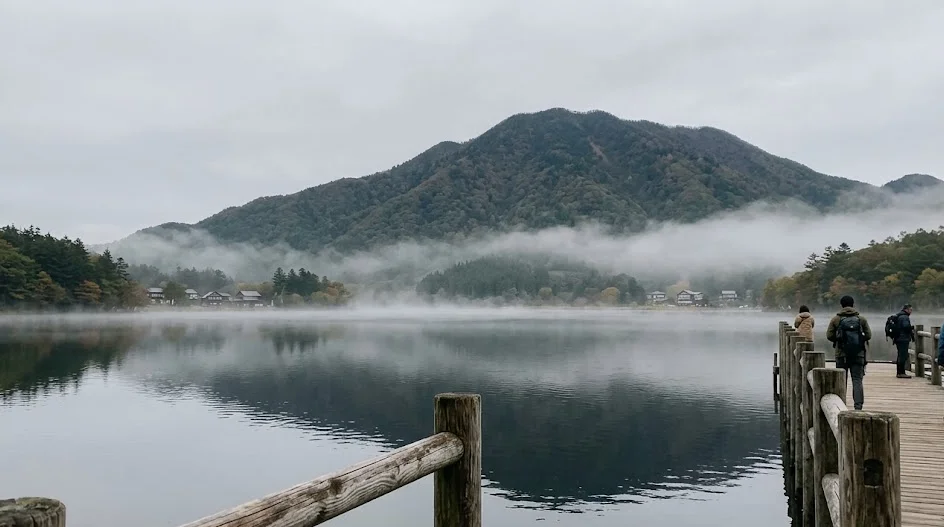
If you are worried about data, set up your Ubigi or Airalo eSIM from your living room. You simply scan a QR code or follow the app instructions, and your connectivity is active the second your wheels touch the tarmac.
Finally, check your bank’s international fee policy. If your card charges a high transaction percentage, look into travel-specific debit cards like Revolut or Wise. These often provide the mid-market exchange rate, saving you 2–4% on every single purchase compared to a standard bank card.
The Truth About Etiquette: Costs of Ignorance
Many travel blogs will scare you with long lists of complex social rules, but most of these are cultural nuances that locals will forgive in a tourist.
However, there is a specific set of etiquette mistakes that actually hit your wallet hard. Respecting these norms is less about being polite and more about avoiding fines, damage fees, or unnecessary friction with business owners.
The most expensive etiquette mistake is the “shrine and temple photography” violation. While most grounds are free, some areas are private or restricted.
If you ignore signs and accidentally snap a photo in a forbidden zone, you might be escorted out or asked to delete your digital content. This wastes precious hours of your itinerary.
Where etiquette meets your budget
- Trash management: Public bins are almost non-existent in Japan. Carrying your trash back to your hotel is the norm. If you get caught littering, some areas now enforce strict local fines.
- Restaurant conduct: Never bring outside food into a restaurant or cafe. This is considered deeply disrespectful and can lead to being asked to leave before you have even eaten, forcing you to find a new meal spot at full price.
- Train volume: Talking loudly on a mobile phone while on public transit is widely frowned upon. You might encounter an unpleasant confrontation with a staff member or a local, which is an exhausting way to start your day.
- Onsen and Sento rules: If you visit a public bath, failing to wash thoroughly before entering the water is a major faux pas. Some facilities will ban repeat offenders, wasting the entrance fee you just paid.
The key to navigating these social expectations is simple observation. Spend two minutes watching what the local salarymen or students are doing before you act.
If everyone is quiet on the train, you should be too. If people are leaving their shoes in a designated cubby, take yours off.
Being observant costs nothing, keeps your travel stress low, and ensures you don’t run into any “tourist correction” fees or awkward social confrontations that could ruin your afternoon.
FAQ
QDo I really need cash?
Yes, smaller shrines, local restaurants, and some older ticket machines still only accept cash, so keep at least 10,000 yen on you at all times.
QWhich eSIM is best?
Both Airalo and Ubigi offer excellent coverage, but Ubigi is often slightly cheaper for Japan-specific data plans; check both before your trip.
QIs tipping required?
No, tipping is not practiced in Japan and can even be considered rude or confusing; simply pay the bill as presented.
QShould I buy a rail pass?
Only buy a national rail pass if your specific route covers enough ground to exceed the pass cost; calculate your individual ticket costs online first.
QAre business hotels comfortable?
Yes, they are clean, safe, and efficient, though the rooms are small and designed primarily for sleeping and showering.
Planning for a low-budget trip often feels like you are missing out on the “true” Japan experience.
Lock in the one or two big bookings that matter and adjust your daily spending on food and transport as you go.
Keep planning
- ① Install and test your eSIM before take-offAiralo and Ubigi eSIMs activate on arrival, but the install itself needs Wi-Fi. Do it at home and confirm the profile shows up in your phone settings.
- ② Save your first hotel’s address in JapaneseTaxi drivers and station staff read Japanese addresses far faster than romanised ones. Copy it from the booking confirmation into your notes app.
- ③ Set aside cash for day oneMany small restaurants, temples and rural buses are still cash-only. Airport ATMs at 7-Eleven and the post office accept most foreign cards.
Skip these and your first hour in Japan goes on finding Wi-Fi at the station instead of getting to your hotel.
🔍 How to sanity-check any price you read online
Blogs (including this one) go out of date. The official page always wins over a screenshot from two years ago.
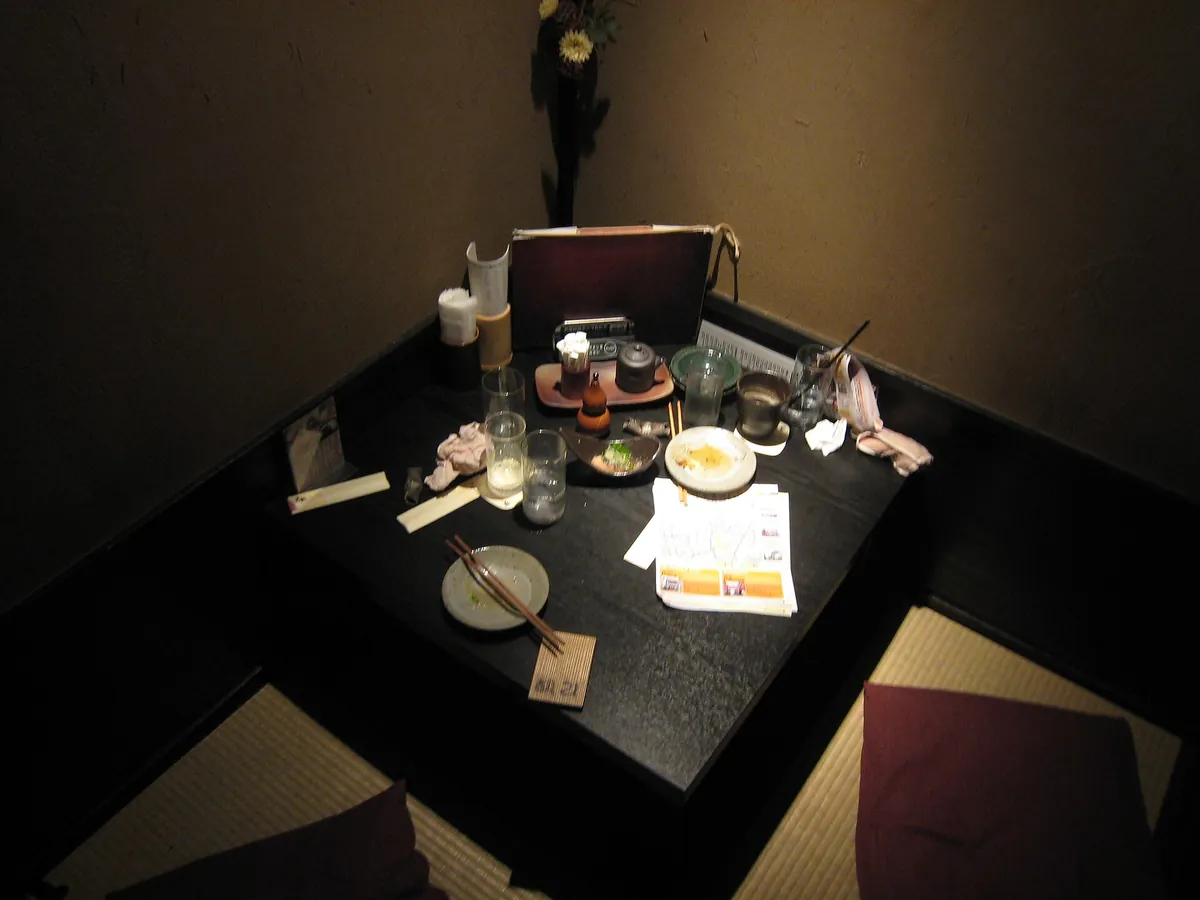
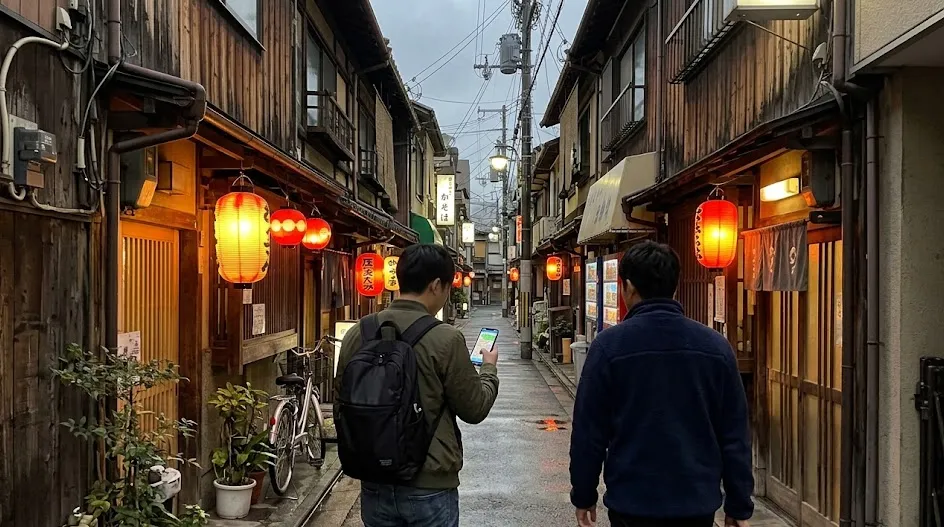
Cover Photo: Marek Ślusarczyk (Tupungato) Photo portfolio, CC BY 3.0, via Wikimedia Commons