
- Target a daily food budget of ¥5,000–¥10,000 per person.
- The “Lunch Loophole” saves up to 50% on premium dinner ingredients.
- Konbini meals provide excellent quality for quick breakfasts.
- Avoid “Instagram-famous” queues; quality is usually higher upstairs.
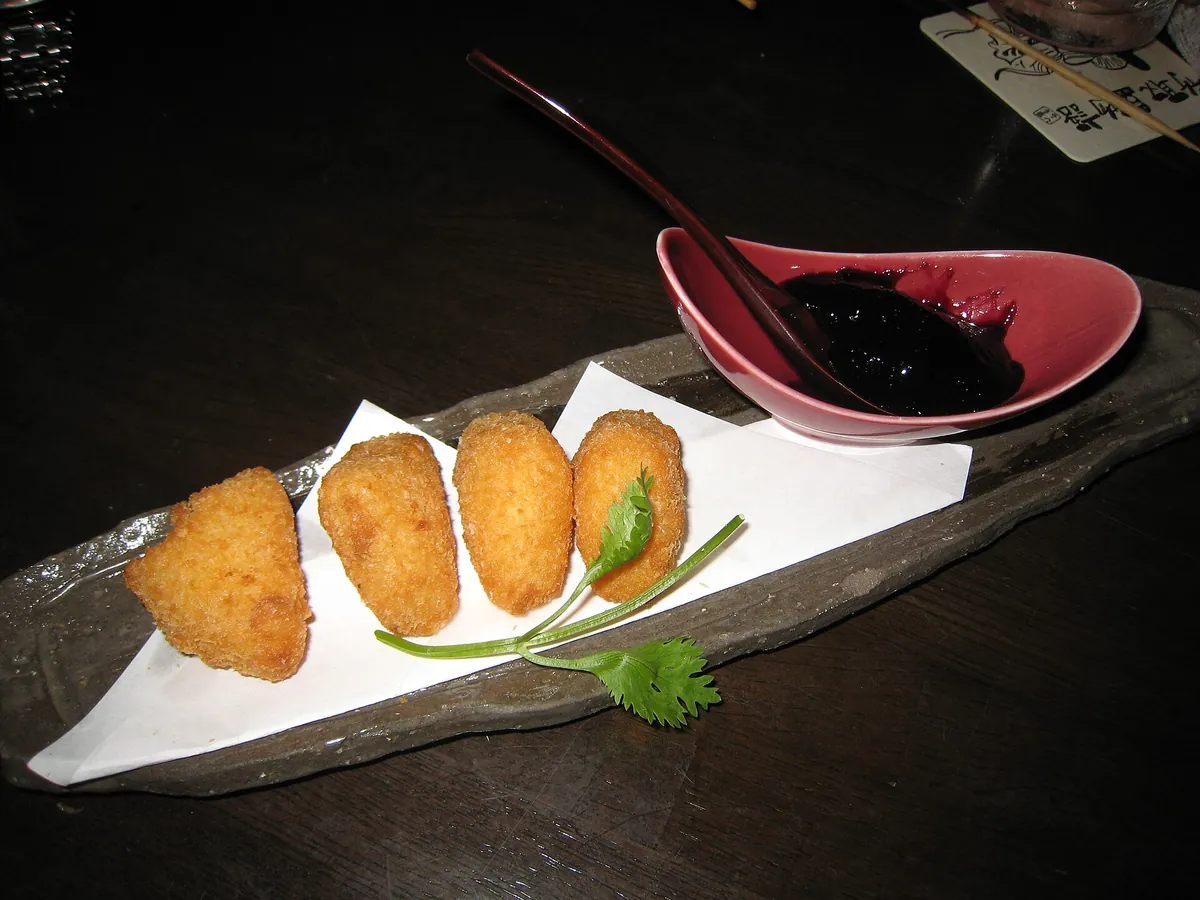
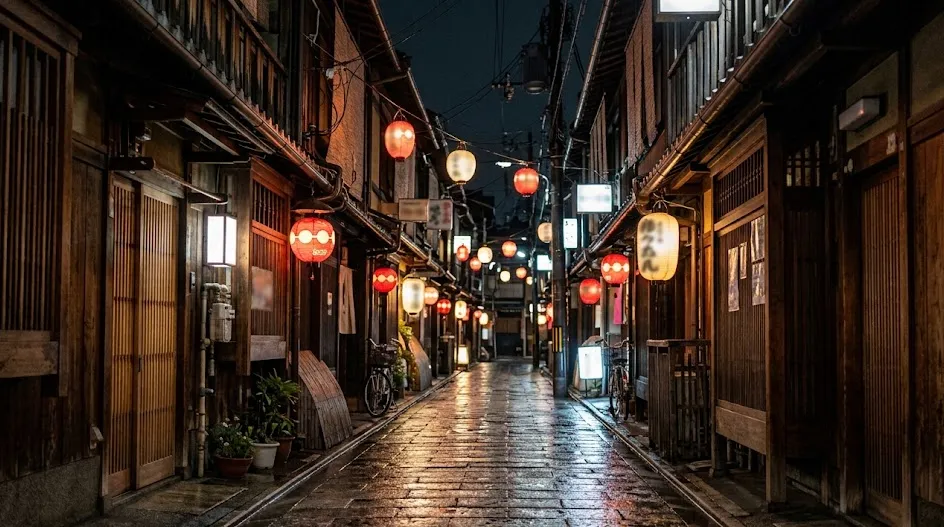
Osaka’s backstreets, the scent of charcoal smoke from a tiny yakitori stall: a daily food budget of ¥5,000 to ¥10,000 per person strikes the perfect balance between local street food and the occasional elevated lunch.
You do not need to survive on convenience store rice balls to afford a high-quality trip. Simply understanding the structural difference between daytime and evening menu pricing in Japan makes a significant difference.
- Time needed
- 14 days
- Typical cost
- ¥70,000–¥140,000 per person
- Base
- Osaka or Tokyo
- Booking
- Splurge dinners only
- Price check
- 2026
Some links are affiliate links (marked “Partner link”). Prices are ranges checked in 2026; confirm on the official site before you book.
The headline numbers: what daily food costs look like in 2026
Tracking expenses by the day helps keep your trip on rails. Your final spend depends on how many times you sit down at a full-service restaurant versus grabbing a quick, high-quality bite at a local market or grocery store.
← Swipe to see the full table →
| Style | Budget Estimate (Per Day) |
|---|---|
| Budget-focused | ¥3,000–¥5,000 |
| Mid-range | ¥5,000–¥10,000 |
| Comfort/Splurge | ¥10,000+ |
Plan your trip: the tools we use
Most travelers find that they oscillate between these tiers depending on their activity level. You might spend very little on a hiking day in Hakone, then treat yourself to a kaiseki dinner in Kyoto the following evening.
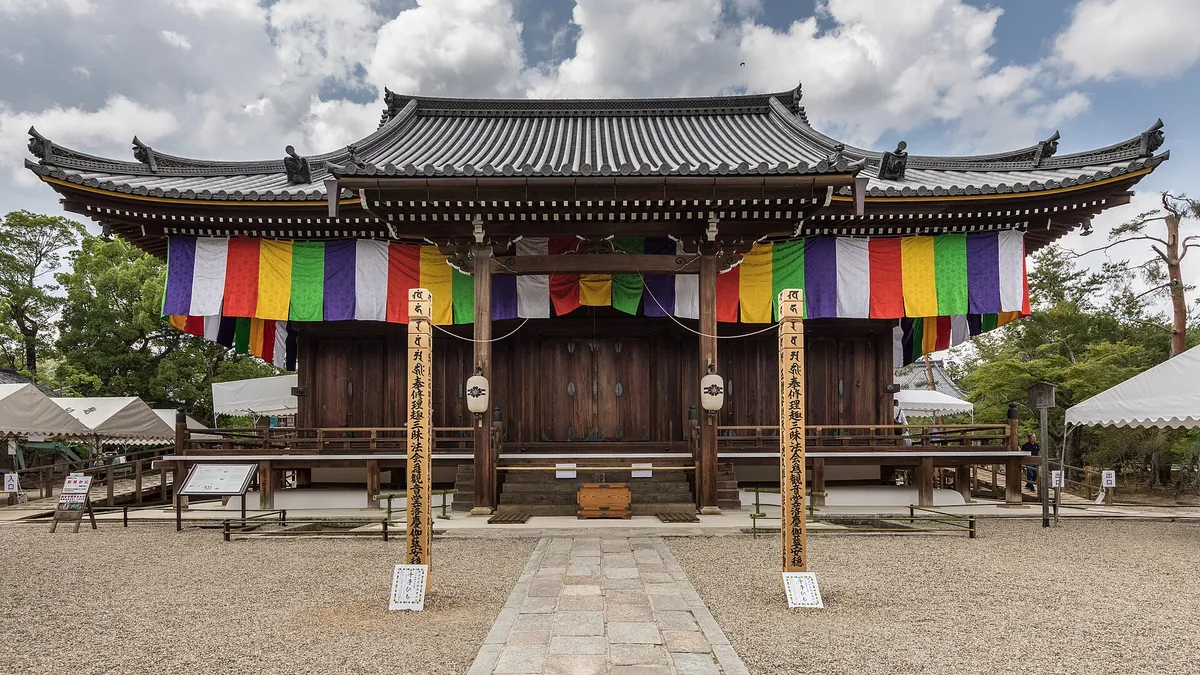
The Lunch Loophole: how to dine on world-class ingredients for cheap
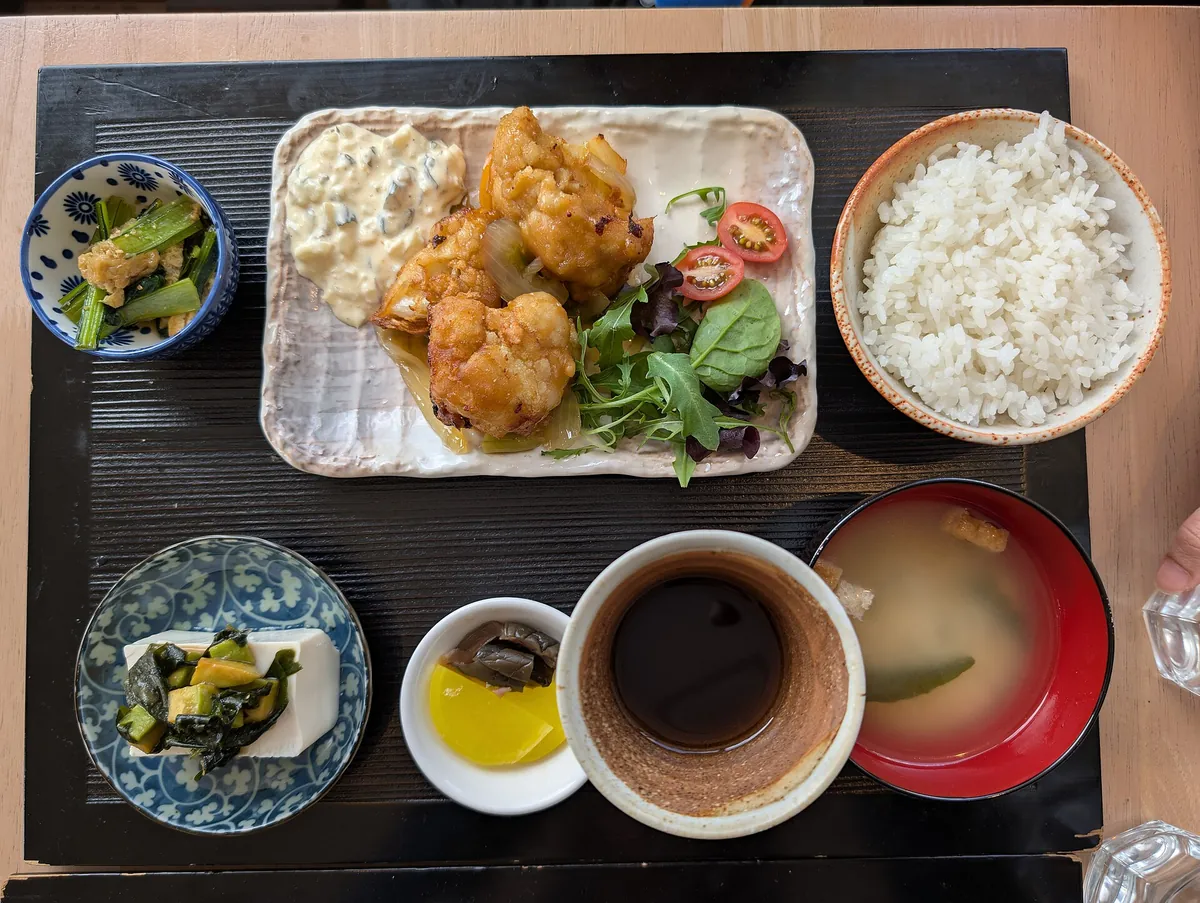
The most effective strategy for any traveler is the lunch set. Many high-end restaurants, especially those serving wagyu or seasonal fish, offer the exact same ingredients at lunch for a fraction of their evening menu prices.
I once walked past a high-end tempura shop in Tokyo that charged ¥15,000 for dinner. At lunch, that same chef served a nearly identical bowl for ¥2,500.
Look for signs that mention “lunch set” or “teishoku” between 11:30 and 14:00. These meals almost always include rice, miso soup, and pickles, providing a complete, filling experience for a very low cost.
Konbini culture: why your breakfast should be quick
Hotel breakfasts in Japan often cost ¥2,000 to ¥4,000 per person. Unless your room rate includes it as a package, I suggest skipping it entirely to save your budget for unique regional lunches and dinners.
Convenience stores like 7-Eleven, FamilyMart, and Lawson are not just for emergencies. Their egg salad sandwiches, premium onigiri (rice balls), and high-quality iced coffee offer a breakfast that is genuinely delicious for ¥500–¥800.
Buy your breakfast the night before to avoid the morning rush. You will gain extra time to get to major sites like Fushimi Inari or Shibuya Crossing before the crowds arrive.
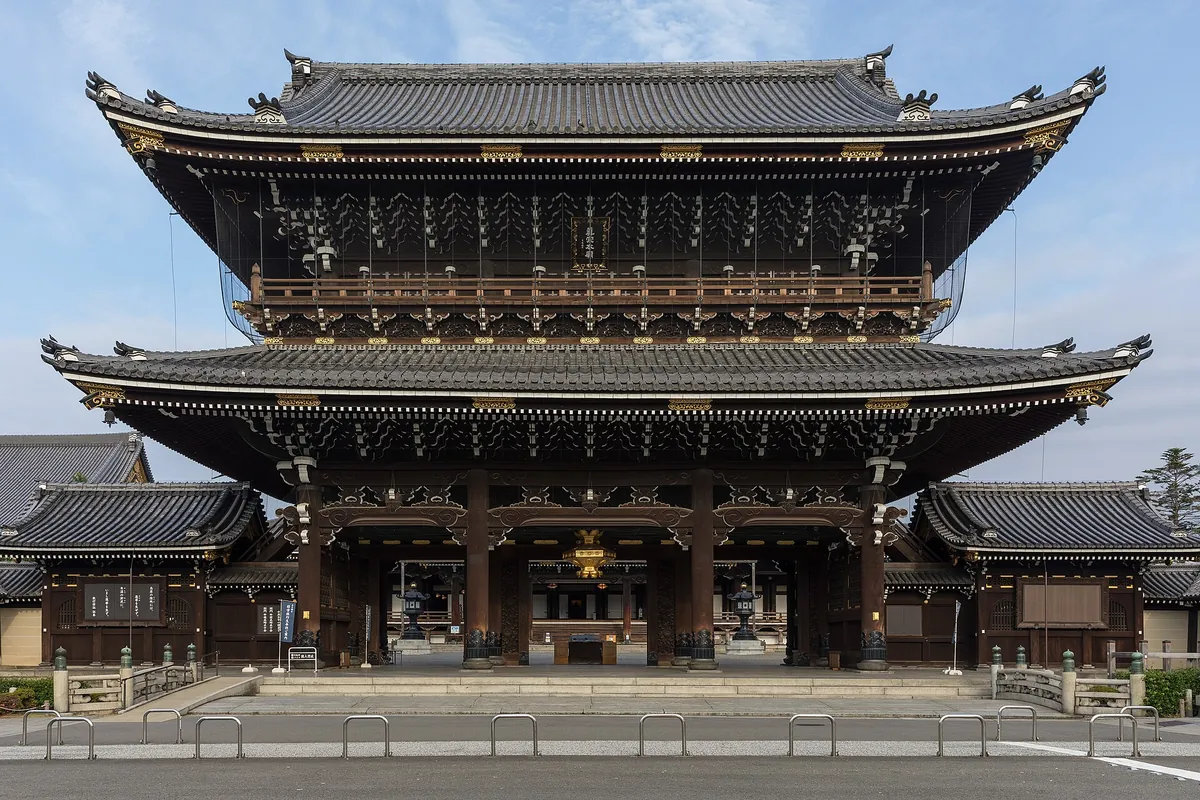
Dinner strategy: avoiding the tourist-price premium
Dinner prices jump significantly compared to lunch because of the expectation of service, alcohol, and a more leisurely pace. To keep costs down, avoid restaurants located directly on major tourist thoroughfares.
Walk three blocks away from the main station or temple entrance. Look for buildings with multiple restaurant floors, often tucked away in non-descript concrete blocks near a station like Umeda or Shinjuku.
Use platforms like Tabelog or Google Maps to read local reviews, but prioritize shops that appear busy with office workers. If you see locals lining up, it is rarely a tourist trap.
Regional price differences: Tokyo vs. Osaka and Kyoto
Tokyo consistently sits at the top of the price range. A standard ramen bowl in a trendy district like Nakameguro might run ¥1,200–¥1,800, whereas a similar bowl in a suburban Osaka neighbourhood could be ¥800–¥1,000.
Kyoto is tricky because of the high concentration of tourist-facing shops. Many restaurants in the Gion district are designed specifically for visitors, which often leads to higher price floors.
I find that eating in Osaka is generally the most rewarding for the budget-conscious traveler. The city is famous for “kuidaore,” or eating oneself to ruin, meaning the competition keeps prices low and quality high.
Where we would book this
Booking.com
Largest inventory in Japan for English-speaking travellers
- Best for
- Hotels, business hotels, ryokan and apartments in every city
- Checked
- September 2026
Official site. Same price for you.
Cash vs. card: how to pay at local eateries
While Japan has become much more card-friendly, smaller ramen counters and hidden izakayas remain cash-heavy. Always keep at least ¥10,000 in yen notes on your person for emergencies.
Many shops use ticket machines at the entrance. These machines are almost exclusively cash-only, so do not assume you can tap your credit card at the counter once you finish your meal.
Check the window or entrance for credit card stickers like Visa or Mastercard. If you do not see them, treat it as a cash-only establishment and prepare accordingly.
Comparing daily food spend profiles
What most first-timers do
- Queuing for viral cafes
- Hotel breakfasts daily
- Eating near major stations
- Ignoring lunch specials
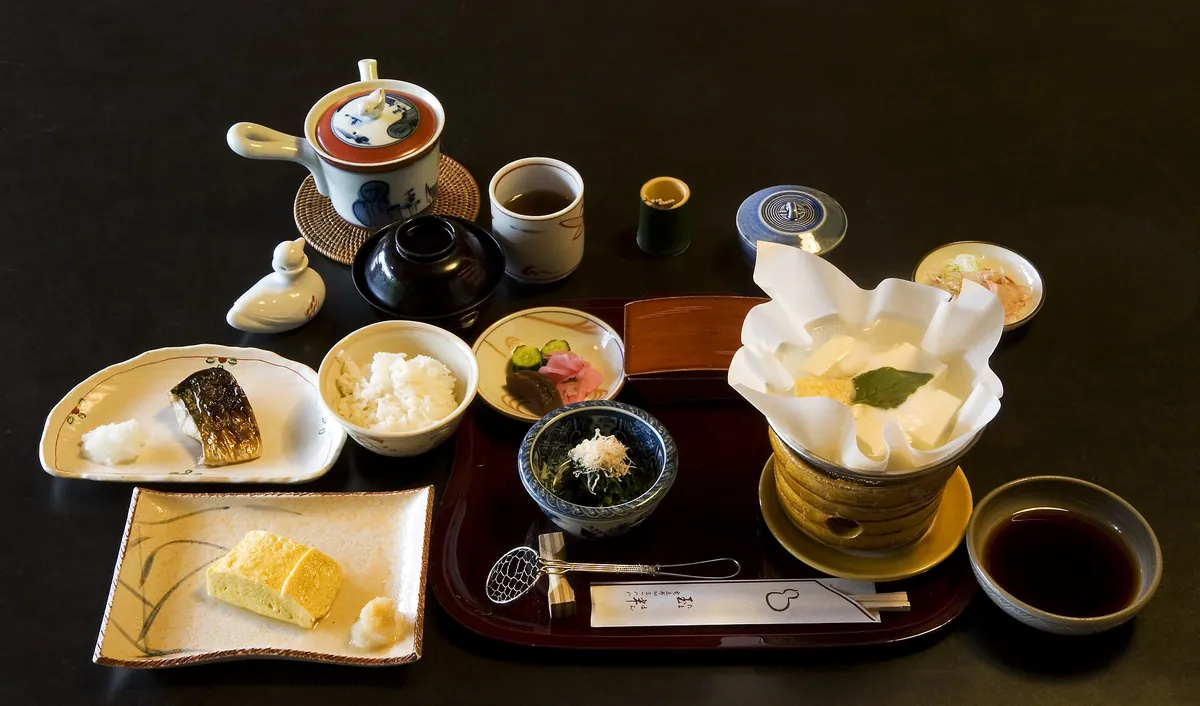
What actually works
- Eat at local office lunch spots
- Konbini snacks for breakfast
- Walking three blocks away
- Prioritizing set menus
The differences between these two approaches are not just financial. You will often find the “what works” side offers a more authentic experience with fewer crowds and better service.
Tracking your daily food costs
- I plan to eat out for dinner every night.
- I will visit a theme park like Universal Studios.
- I am booking an omakase sushi experience.
- I prefer convenience store breakfast options.
- I will have a large lunch to save on dinner.
- I am travelling during a peak holiday season.
Keep a simple note on your phone to track spending. At the end of each day, quickly tally your receipts to ensure you are not consistently exceeding your chosen daily threshold.
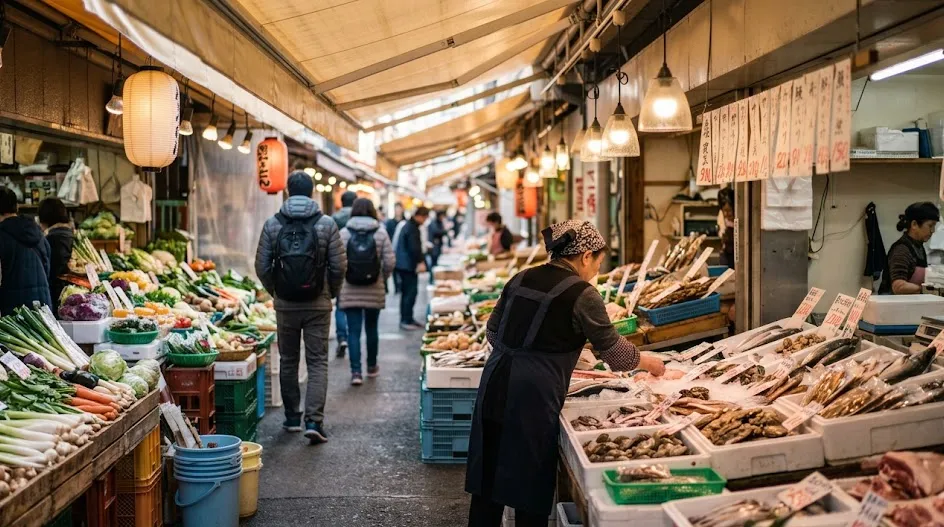
Hidden budget leaks: Where your daily food allowance goes to die
Many travelers find their food budget evaporating not because of expensive dinners, but due to frequent incidental purchases. It is easy to overlook how ¥200 here and there for a beverage or a small snack adds up to a significant daily deficit.
Japan is famous for its vending machines. With one on almost every street corner, it is incredibly convenient to grab a cold green tea or a coffee for ¥160 to ¥200.
If you do this five times a day, you have spent ¥1,000 before you have even sat down for a single meal. Invest in a reusable water bottle and fill it at your accommodation to save this daily cost.
Similarly, the convenience store impulse buy is a budget killer. While konbini food is great, the checkout counters are strategically designed to make you grab a bag of chocolates or a new seasonal pastry.
These “micro-treats” often cost ¥300 to ¥500 each. If you buy one with every visit for snacks, you are essentially adding the price of a second lunch to your daily spend without realizing it.
The cost of “convenience” items
- Vending machine beverages: ¥150–¥200 per drink.
- Konbini impulse snacks: ¥200–¥400 per item.
- Premium chilled coffee: ¥250–¥450 per bottle.
- Station-bought bento boxes: ¥800–¥1,500 per meal.
Station bento boxes are another major leak. When you are rushing to catch a Shinkansen, you might grab a fancy railway bento for ¥1,500. While delicious, they are often marked up significantly compared to grocery store bentos which cost ¥500–¥700.
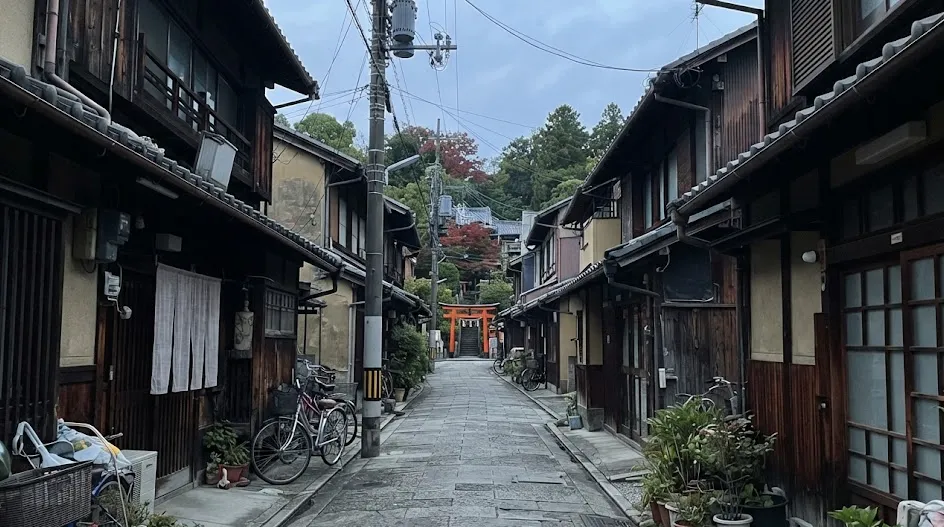
If you are taking long-distance trains, purchase your food at a supermarket near your hotel rather than inside the station gates.
Finally, avoid eating in high-traffic areas like major airports or directly inside tourist attractions. The prices are often inflated by 30% to account for the location.
Always check official sites or local blogs for current pricing structures before you leave your hotel, as costs for snacks and specialty drinks fluctuate based on the specific district and season.
The supermarket strategy: Eating high-quality for low prices
If you want to drastically reduce your food spend while keeping your calorie intake high, you must embrace the supermarket discount window. This is the secret weapon used by salarymen and students across the country to secure high-quality meals for a fraction of the cost.
Most large supermarkets in Japan, such as Life, Aeon, or Summit, begin discounting their pre-prepared food sections around 19:00 or 20:00. This is when the staff start applying “half-price” or “30% off” stickers to bentos, sushi platters, and side dishes.
By timing your grocery run to coincide with these markdowns, you can get a dinner that would cost ¥1,500 at a restaurant for roughly ¥500.
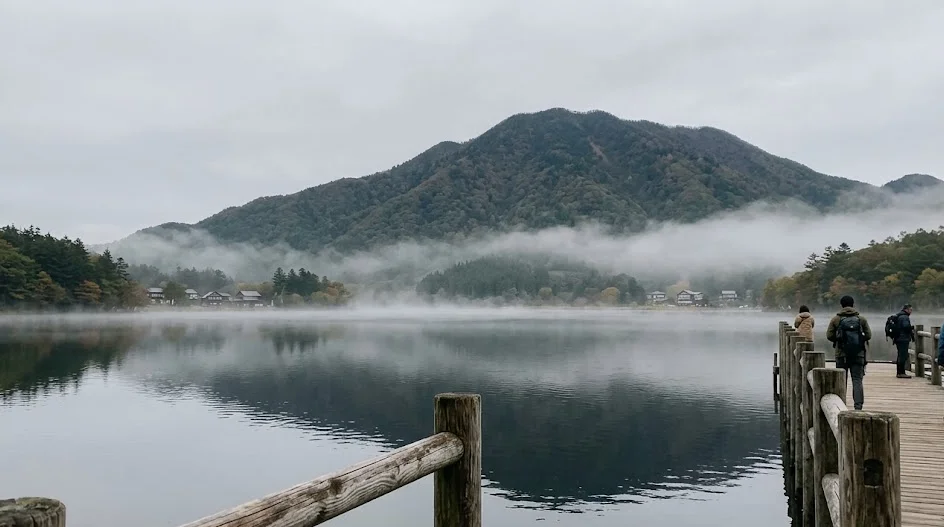
These supermarkets offer a massive range of options, from fresh sashimi packs to tonkatsu and vegetable tempura. The quality is strictly maintained, and because the turnover is so high, the food is rarely sitting on the shelf for long.
It is a fantastic way to experience local food variety without the stress of navigating a busy restaurant floor or dealing with language barriers at night.
Tools for finding affordable markets
- Use Google Maps to search for “Supermarket” instead of “Restaurant.”
- Visit between 19:30 and 20:30 for the best discount stickers.
- Check the “delica” section for pre-made hot meals.
- Look for basket discounts at larger suburban retailers.
When you stay in an apartment-style hotel booked through sites like Booking.com or Agoda, you likely have access to a microwave. This makes the supermarket strategy even more effective, as you can heat up your discounted meals to restaurant standards in your own room.
Even if you are in a standard hotel, many offer a communal microwave in the lobby or on specific floors for guest use.
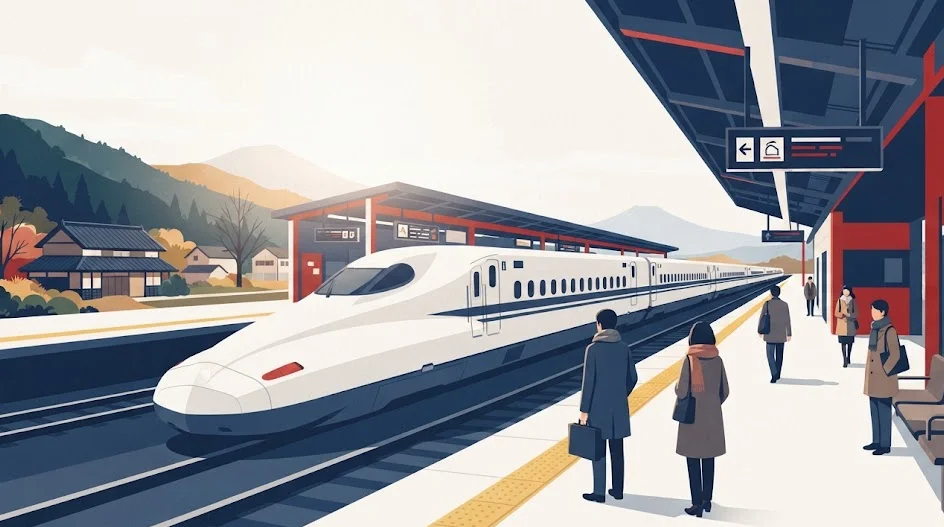
Do not be afraid to pick up a side of seasonal fruit or a salad to round out your meal. While fruit in Japan can be expensive, discount markets often have seasonal selections that are much more affordable than those found in boutique fruit shops.
Always confirm the store’s closing time on their official site, as some suburban markets close earlier than those in city centers.
The “Afternoon Buffer”: Managing your secondary fuel costs
Most travelers calculate their food budget based on three solid meals, but in Japan, the climate and the sheer amount of walking you do will force you into unplanned dietary habits. During the humid summer months or a long winter trek, you will inevitably find yourself needing more than just water to stay energized.
Many visitors fail to account for the “mid-afternoon recharge,” which often consists of high-calorie energy bars, seasonal ice cream, or specialized caffeinated drinks. This is where your budget balance shifts from planned meals to impulse spending.
If you rely on convenience stores for these supplemental items four times a day, you can easily add ¥1,500 to your daily burn rate without realizing it.
Managing these secondary costs requires a proactive approach. I recommend stopping by a large drugstore like Matsumoto Kiyoshi or a suburban discount pharmacy, which often carry energy bars, electrolyte powders, and snacks at a 20% discount compared to central city convenience stores.
By stocking up once at the start of your trip, you avoid the daily premium of buying on the go.
Budget-friendly snack logistics
- Carry a small stash of calorie-dense snacks bought at local supermarkets.
- Buy large bottles of green tea or water at supermarkets rather than individual small bottles from machines.
- Use a refillable bottle to leverage the high-quality tap water available in most urban hotels.
- If you use Amazon for travel supplies, check for bulk-ordered hiking or city-walking fuel before you depart.
Be aware that the price of your midday intake is heavily dictated by your proximity to major landmarks. If you find yourself hungry near a major temple gate or inside a JR station, the price of a simple snack can jump significantly.
My rule is to carry my “fuel” in my daypack, ensuring that I only spend my daily food budget at sit-down establishments where the price-to-quality ratio is better protected.
Always verify the local store pricing if you are in a high-density tourist zone, as regional price variations exist even within the same convenience store chain.
While the cost difference seems small, maintaining an “afternoon buffer” keeps you from dipping into your dinner fund, ensuring you can still afford that high-quality evening meal you planned for.
Beyond the plate: Factoring in hidden service and table-top costs
The cost of your daily sustenance in Japan is often influenced by factors beyond the menu price of the items you consume. As you move between different types of establishments, you will encounter various “hidden” charges that can silently erode your daily budget if you do not account for them at the point of entry.
The most common of these is the mandatory seating fee at izakayas, which typically ranges from ¥300 to ¥600 per person. This charge is rarely optional and is often applied even if you only order a single beverage.
When budgeting for your day, you must treat this as a fixed base cost for any evening outing, effectively setting a minimum entry price for socializing at a local tavern.
Similarly, you must consider the costs associated with specialized dietary accommodation. If you require gluten-free meals or highly specific vegan ingredients, you should factor in an additional “sourcing premium.”
While you can find affordable options by using services like HappyCow, you may find that such specialized spots are further from your transit hub, requiring additional train fares or local bus tickets.
Projected incidental daily costs
- Standard seating fee (otoshi): ¥300–¥600 per person.
- Service fees for late-night menus: 10%–15% surcharge after 22:00 in some urban areas.
- Wet towel or table setup fees: Occasionally bundled into the base bill.
- Local transit to reach specialty diet restaurants: ¥250–¥500 per trip.
You can mitigate these costs by being observant of the restaurant’s entrance signage. Look for clear displays that outline if a service fee applies or if there is a cover charge for evening guests.
Checking the restaurant’s policy on sites like Google Maps or local review platforms can provide insight into these costs before you decide to walk in and sit down.
Another factor to consider is the cost of connectivity. If you are using apps like Klook or GetYourGuide to source high-end dining experiences, remember to account for the cost of maintaining your data connection via services like Airalo or Ubigi.
Staying connected allows you to check real-time pricing and reviews. This prevents you from stumbling into a venue that charges unexpectedly high service premiums.
Keep your budget flexible by anticipating these incidental costs at the start of your trip, rather than being surprised when the final check arrives at the end of a long, rewarding day.
FAQ
QIs tipping expected at restaurants?
No, tipping is not practiced in Japan. If you leave money on the table, the staff will likely chase you down to return what they believe you accidentally forgot.
QDo I need to book my dinners in advance?
For high-end sushi or kaiseki, use booking platforms like TableCheck or Omakase in advance. For standard ramen, izakaya, or set-menu shops, you rarely need a reservation.
QHow do I identify a good local restaurant?
Look for places where the menu is in Japanese only and the interior is simple. If you see office workers eating there during their break, it is usually a sign of value.
QAre there vegetarian or vegan options on a budget?
Finding budget-friendly plant-based meals is harder in smaller towns. Use apps like HappyCow to find specific spots in cities like Kyoto or Tokyo where such diets are more common.
QWhat is the deal with table charges at izakayas?
Many izakayas add a mandatory “otoshi” or seating fee, which includes a small appetizer. This is standard practice and usually costs around ¥300–¥600 per person.
QShould I use a meal delivery service?
Skip delivery apps. The fees are high, and part of the Japanese food experience is the environment of the shop. Walk out and see what the local neighborhood has to offer.
Calculating your food budget feels daunting when you are staring at a long list of potential restaurants.
Instead of stressing over every single yen, set a loose daily target, prioritize one great meal per day, and let the rest of your itinerary adapt to the local rhythm.
Keep planning
- ① Install and test your eSIM before take-offAiralo and Ubigi eSIMs activate on arrival, but the install itself needs Wi-Fi. Do it at home and confirm the profile shows up in your phone settings.
- ② Save your first hotel’s address in JapaneseTaxi drivers and station staff read Japanese addresses far faster than romanised ones. Copy it from the booking confirmation into your notes app.
- ③ Set aside cash for day oneMany small restaurants, temples and rural buses are still cash-only. Airport ATMs at 7-Eleven and the post office accept most foreign cards.
Skip these and your first hour in Japan goes on finding Wi-Fi at the station instead of getting to your hotel.
🔍 How to sanity-check any price you read online
Blogs (including this one) go out of date. The official page always wins over a screenshot from two years ago.