
- Route: Tokyo (3 nights) → Kyoto (2 nights)
- Best for: Solo travelers or couples with high energy
- Budget: ¥120,000–¥160,000 per person
- Transport: Suica or Pasmo on mobile
- Time needed
- 5 days
- Typical cost
- ¥140,000
- Base
- Shinjuku / Kyoto Station
- Booking
- Shinkansen, hotels
- Best season
- Spring or autumn
- Checked in
- January 2026
Some links are affiliate links (marked “Partner link”). Prices are ranges checked in 2026; confirm on the official site before you book.
Every guidebook claims that squeezing Tokyo and Kyoto into five days requires a frantic, cross-country scramble. It did not hold up on our trip.
By centering your stay in just two hubs rather than switching hotels every night, you eliminate the time wasted on check-ins and luggage storage. This five-day sprint is entirely achievable if you stop treating every temple like a mandatory check-box.
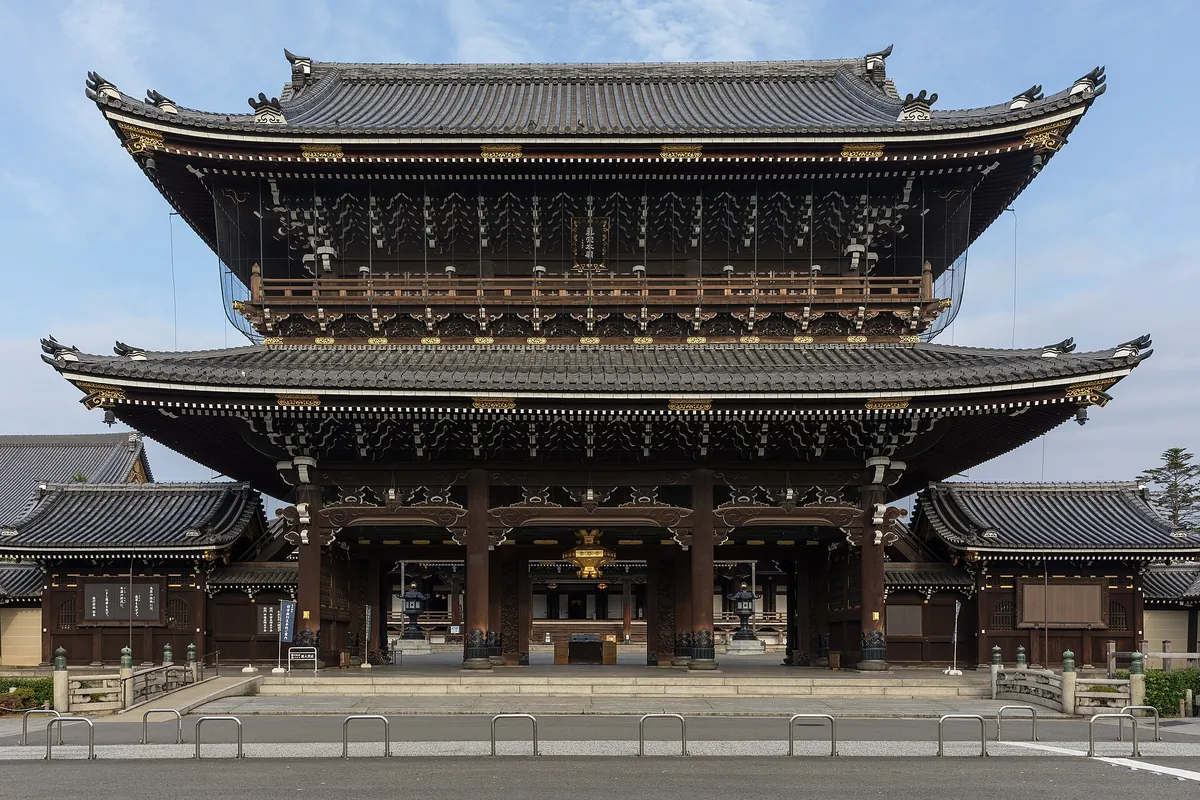
Tokyo and Kyoto 5-day trip strategy
The biggest trap is believing you need to sleep inside every city you visit. We found that staying in a single, well-connected base for the duration of each half of the trip saves hours of transit time.
You effectively treat Tokyo as your headquarters for the first three days. On the fourth day, you move to Kyoto and make that your anchor for the final two days of the journey.
- Tokyo Narita/Haneda Airport
- Express train (Narita Express or Keikyu) · 45–80 min
- Shinjuku Station
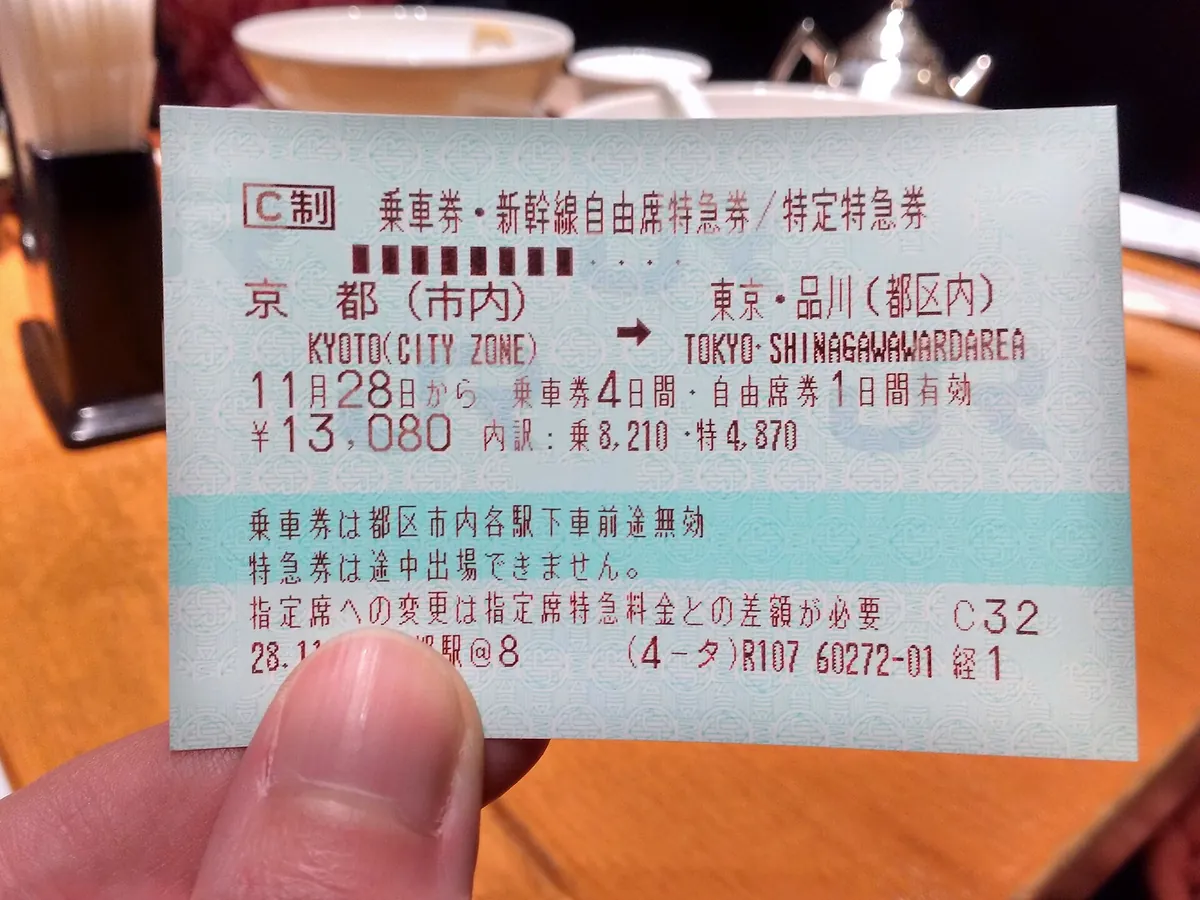
- Tokaido Shinkansen · 130 min · reserve on Klook
- Kyoto Station
This approach keeps your heavy bags in one place for 72 hours at a time. It also allows you to embrace the 7:00 AM start time, which is the only way to photograph popular sites without thousands of others in your frame.
Pre-trip logistics and essential digital bookings
You need to be prepared before you touch down. Japan is efficient, but it does not suffer from lack of planning.
- Order an eSIM from Airalo or Ubigi
- Reserve Shinkansen seats via Klook or SmartEX
- Book hotels through Booking.com or Agoda
- Set up a digital Suica or Pasmo on your phone
- Check if the Japan Rail Pass pays off on the official site
- Book any popular museum tickets on GetYourGuide
Do not wait until you arrive to set up your payment method for trains. Having a digital transit card loaded on your phone saves you from queuing at ticket machines every morning.
Day 1: Modern Tokyo essentials in Shinjuku
Land in Tokyo and head straight to your base. We recommend staying near Shinjuku for its sheer variety of food and transit links.
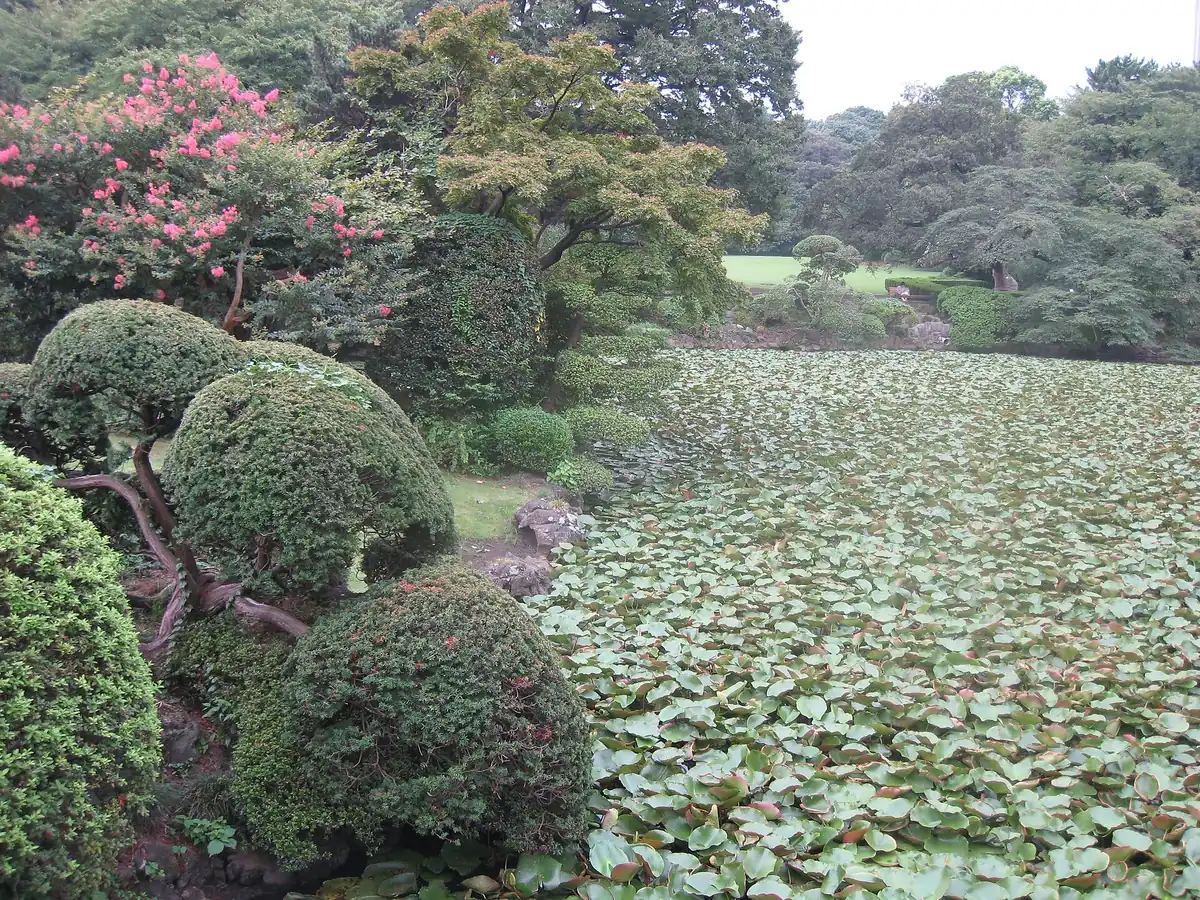
Spend your morning walking the Shinjuku Gyoen National Garden. It is a massive green space that feels miles away from the neon lights just a few blocks over.
For lunch, head to the Golden Gai area for small izakaya spots, which cost about ¥1,500–¥2,500 per person. Spend your afternoon at the Tokyo Metropolitan Government Building.
It is free to enter, as of 2026, and provides a view of the city. End your night at Omoide Yokocho to watch the smoke rise from grilled meat skewers.
Day 2: Exploring historic Tokyo and Asakusa
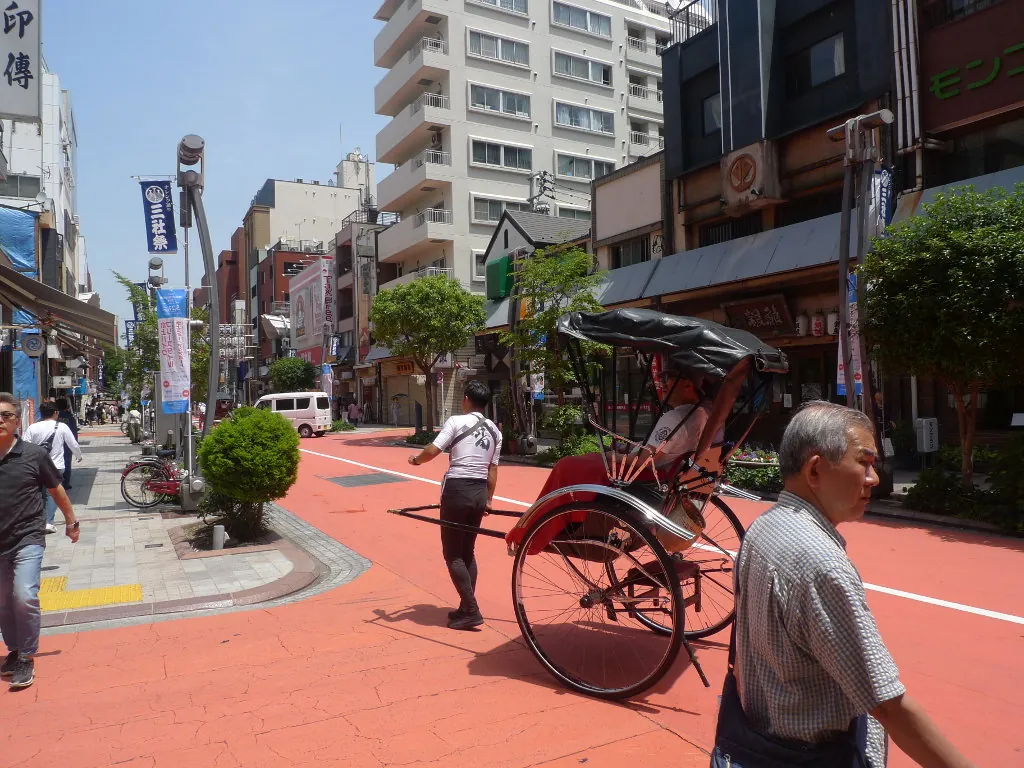
Start early, ideally by 7:30 AM. Take the Chuo-Sobu line to Asakusa for the Senso-ji temple grounds.
When you arrive this early, the Nakamise-dori shopping street is quiet. You can actually see the wooden architecture before the crowds arrive around 10:00 AM.
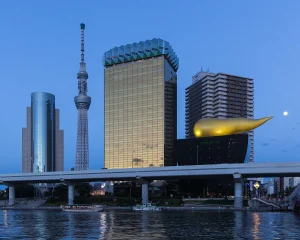
Walk toward the Sumida River for a view of the Tokyo Skytree. Grab a simple lunch of tempura or udon nearby, typically costing ¥1,000–¥2,000.
In the afternoon, head to Ueno Park. The Tokyo National Museum is massive; if you are short on time, pick one wing and focus on it for two hours.
If you have extra energy, ride the Yamanote Line loop to Akihabara to see the electronics district. It is intense, noisy, and completely different from the morning temple visit.
Day 3: The transition to Kyoto via Shinkansen
Pack your bags early and head to Tokyo Station. Use a service like Yamato to forward your large luggage if you want to travel light for your stopover.
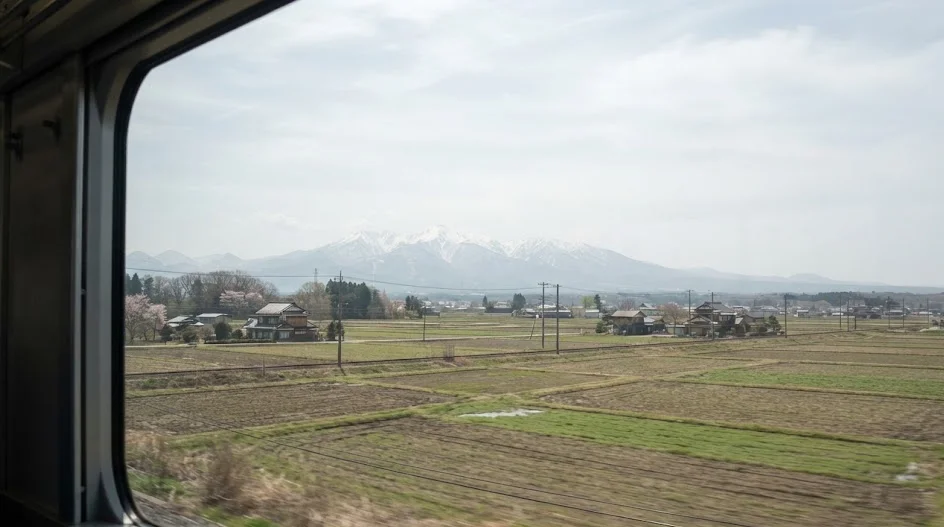
Board a morning Shinkansen. The view from the right side of the train, facing Kyoto, might offer a glimpse of Mount Fuji if the weather is clear.
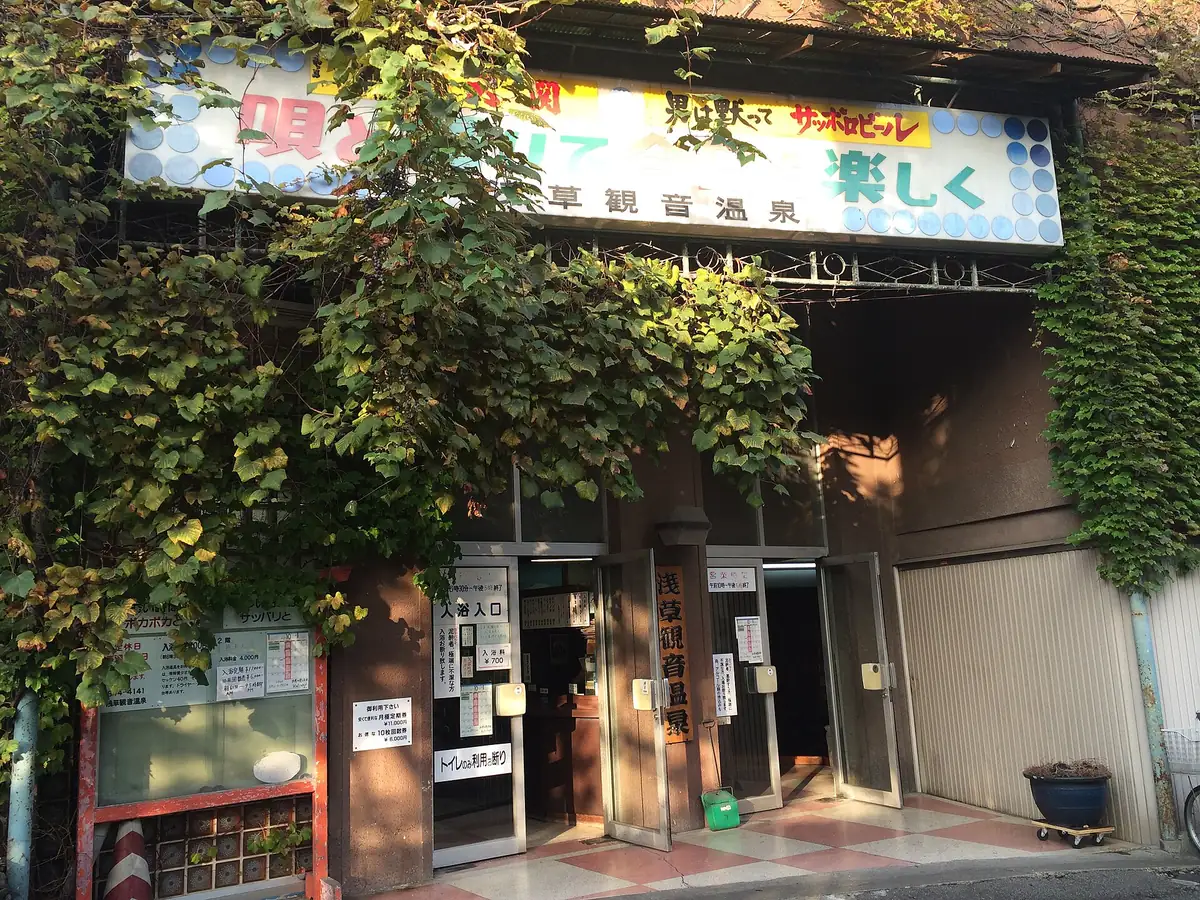
Upon arrival in Kyoto, drop your bags at a locker or your hotel. Head immediately to the Arashiyama bamboo forest in the west end.
It will be crowded, but walking through the nearby Tenryu-ji temple gardens offers a bit of peace. Budget around ¥2,000 for a traditional tofu lunch in the area.
Take the JR Sagano line back to Kyoto Station. It takes about 20 minutes and is covered by the IC card you loaded on your phone.
Day 4: Deep Kyoto and avoiding the temple crush
Kyoto is best enjoyed by staying away from the main bus routes during midday. Start your morning at Fushimi Inari Shrine by 7:00 AM.
Walking the orange gates is tiring, but the further you go up, the fewer people you will encounter. It is a steep hike, so wear comfortable shoes.
For lunch, head toward the Gion district. We suggest avoiding the very center of the tourist streets and looking for small restaurants in the back alleys.
Expect to pay ¥2,500–¥4,000 for a quality set meal. Spend your afternoon at Kiyomizu-dera temple, then walk down through the Sannenzaka slope area.
The shops here are classic souvenirs, but the views of the pagoda are worth the walk. If you are exhausted, skip the temple interiors and just enjoy the outdoor paths.
Where we would book this
Booking.com
Largest inventory in Japan for English-speaking travellers
- Best for
- Hotels, business hotels, ryokan and apartments in every city
- Checked
- September 2026
Official site. Same price for you.
Day 5: Osaka street food and your departure plan
On your final day, take the local train from Kyoto to Osaka. The ride is roughly 30 minutes, perfect for a final morning look at the region.
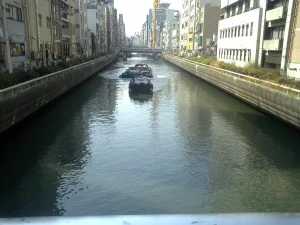
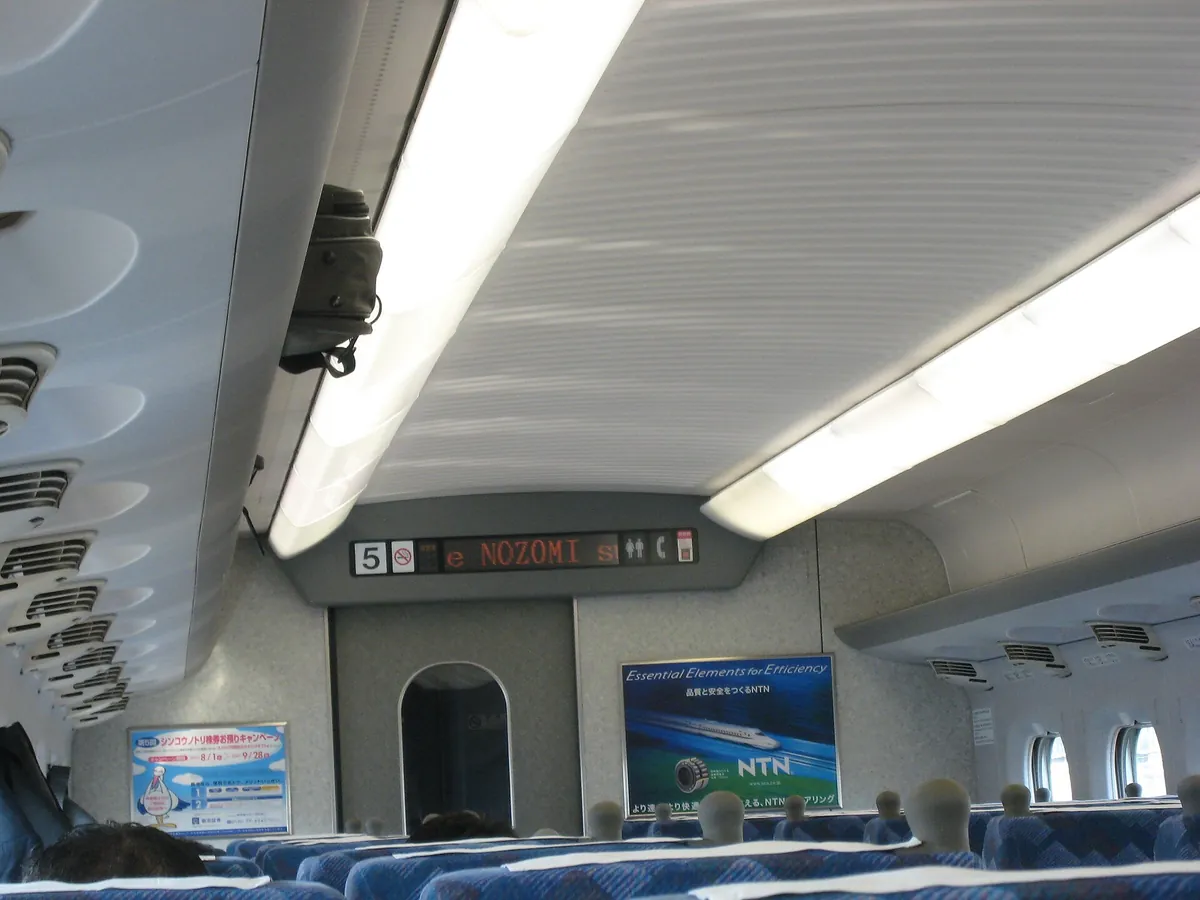
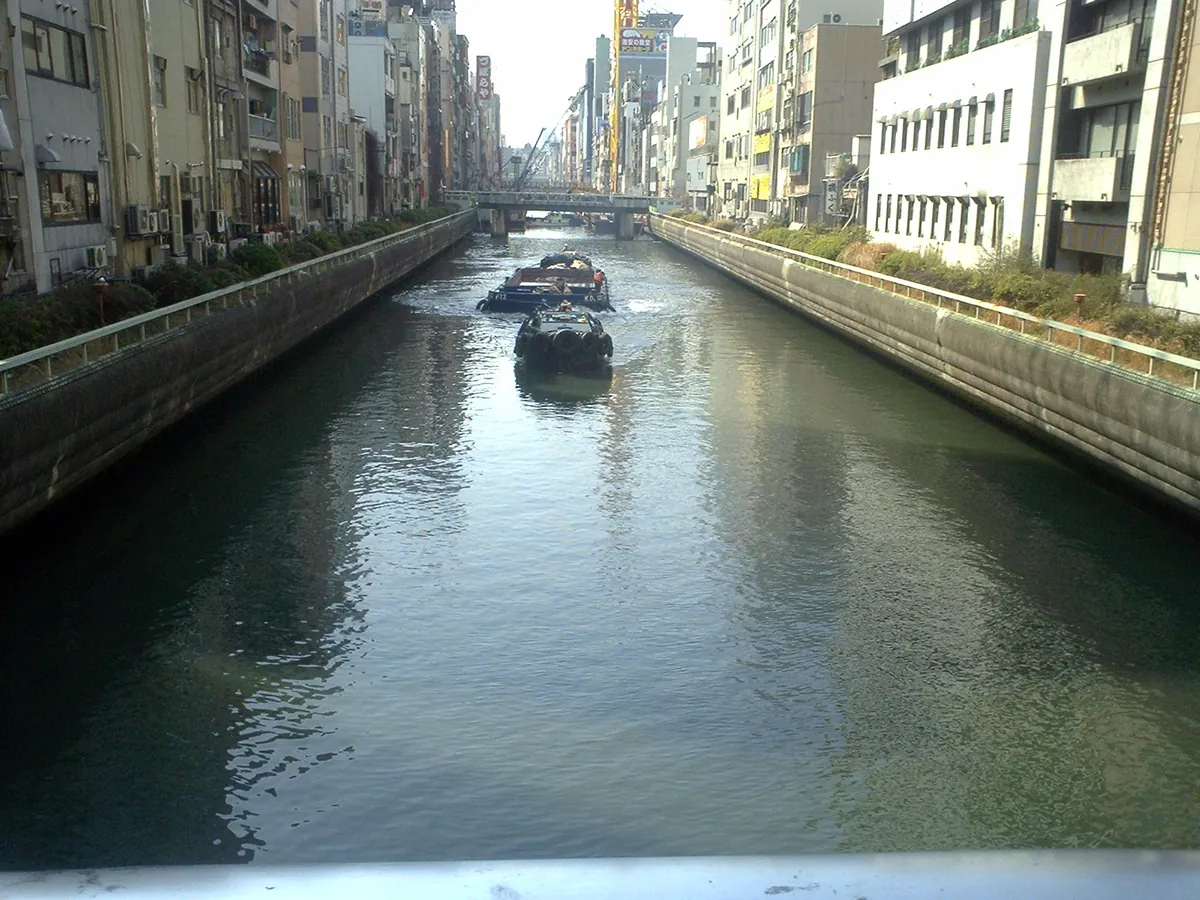
Head to the Dotonbori district. It is the heart of Japanese street food culture, and you should try takoyaki for about ¥600–¥800 for a serving.
Do not attempt to tour every castle and museum in Osaka; you simply do not have the time. Spend your final hours sitting by the canal watching the city move.
When it is time to leave, head to Kansai International Airport (KIX). The Haruka Express train from Osaka or Tennoji station is the most reliable way to get there.
Where to stay to save transit hours
Tokyo: Shinjuku or Ueno
Staying in Shinjuku keeps you close to the main train arteries for easy morning departures. Look for business hotels like those found on Booking.com for about ¥15,000–¥25,000 a night.
Kyoto: Near the station
Being near Kyoto Station allows you to catch the first trains out in the morning. Hotels in this area range from ¥12,000–¥22,000 on Agoda, depending on how far you walk.
Partner link.
The math on a 5-day Japan sprint
This budget is an estimate for a mid-range traveler. Costs change by season and booking timing.
| Item | Estimated Range (JPY) |
|---|---|
| Accommodation | ¥75,000 – ¥100,000 |
| Trains | ¥25,000 – ¥35,000 |
| Food | ¥25,000 – ¥40,000 |
Plan your trip: the tools we use
Our pick: Avoid the full JR Pass for this route; buying individual Shinkansen tickets on Klook is almost always more efficient for a 5-day sprint.
Practical tips for a smooth 5-day Japan trip
Luggage forwarding is your secret weapon. Use Yamato to ship your suitcase from your Tokyo hotel to your Kyoto hotel for roughly ¥2,000–¥3,000.
It saves you from dragging heavy bags through the Shinkansen turnstiles. For internet, an eSIM from Airalo is the fastest way to stay connected.
 ReaderYuki
The precise order of booking to manage your logistics
Most travelers scramble to find a room in Kyoto only after their flight to Tokyo is confirmed. In a five-day sprint, this sequence is a recipe for expensive, poorly located hotels that add hours to your transit time.
You should secure your accommodation before you even look at flight prices. A hotel near a major transport hub is the foundation of your mobility.
If you cannot find a reasonably priced room within ten minutes of walking distance from Shinjuku or Kyoto Station, your transit-heavy itinerary will become physically draining.
- Book your accommodation 3–4 months in advance on Booking.com or Agoda.
- Purchase Shinkansen tickets on Klook or SmartEX 30 days before travel.
- Reserve popular cultural activities on GetYourGuide as soon as you have your flight dates.
The Shinkansen is generally reliable, but holiday seasons like Golden Week or Obon turn the trains into a lottery. If you are traveling during peak times, use the SmartEX app to book your seats as soon as they become available.
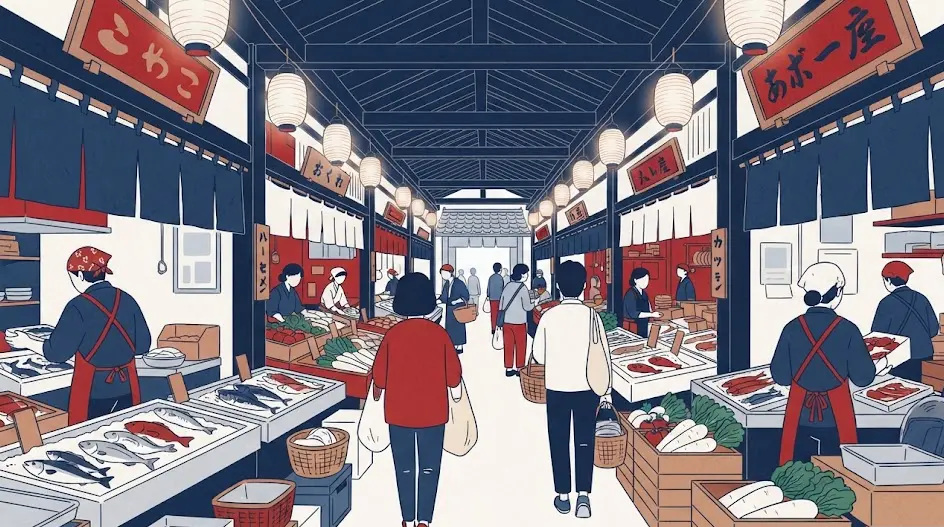
Early booking is not about getting a discount; it is about ensuring you have a seat at all, especially if you are traveling as a pair and want to sit together.
Do not underestimate the cost of last-minute bookings. We have seen prices for identical business hotels spike by 60% when booked less than two weeks out.
Check the official site for the hotel chain if third-party platforms show no availability, as they sometimes hold a small block of rooms back for their direct booking members.
Finally, confirm your digital setup at least one week before you board the plane. Testing your eSIM from Airalo or Ubigi in your home country ensures that you won’t be stuck at the airport searching for Wi-Fi.
A functional connection is the only thing standing between a smooth transfer and a missed connection in a confusing station complex.
Managing your luggage without wasting hours
The biggest friction point in a five-day Japan trip is the “luggage tax.” Dragging a large suitcase through a busy station or on a crowded train is slow and often annoying to local commuters.
You must master the luggage forwarding system to keep your travel days agile.
Known locally as takkyubin, this service allows you to send your large bags from one hotel to the next for a fee ranging from 2,000 to 3,000 yen per suitcase.
Most front desks at hotels in Tokyo will facilitate this for you; simply ask for the “Ta-Q-Bin” service. Your bag will typically arrive at your Kyoto hotel by the next morning.
Using this service changes your travel day entirely. You can check out of your Tokyo hotel, carry only a small backpack with your essentials, and spend your morning exploring a new neighborhood before heading to the station.
You are effectively buying back three or four hours of your day that would otherwise be spent hovering near a locker or walking slowly to accommodate heavy wheels.
Recommended workflow for moving between cities
- Morning: Drop off your large suitcase at the hotel front desk by 9:00 AM.
- Transit: Travel to the station with only a day bag, allowing for a stress-free walk.
- Arrival: Board the Shinkansen and enjoy the journey without blocking the aisle.
- Evening: Check into your new hotel in Kyoto where your luggage will be waiting at reception.
If you prefer not to use forwarding, you must become familiar with the coin locker situation. Most major stations have rows of lockers, but they fill up by 10:00 AM during peak seasons.
If you arrive at a station and find all lockers occupied, you are stuck. Always have a backup plan, such as a nearby luggage storage shop or the station’s staffed luggage counter, which can be found by searching the station map on your phone.
Keep your daily essentials, like your power bank, passport, and a change of clothes, in your day bag. If you are traveling between cities in the middle of your trip, this allows you to walk straight from the Shinkansen tracks to a restaurant or temple without needing to return to your hotel first.
Flexibility is the highest-value asset on a short, high-intensity trip.
Navigating the inevitable jet lag and late-arrival shuffle
The most dangerous variable in a five-day sprint is the first morning. If your flight arrives late at Haneda or Narita, or if you lose your internal clock to a twelve-hour time difference, your Day 1 schedule will crumble.
We suggest keeping your first 24 hours flexible rather than locking in expensive, pre-paid tours or timed museum entries that you might fail to reach.
If you wake up on Day 2 in a fog of fatigue, prioritize rest over sightseeing. It is better to skip the early morning start at Asakusa and spend an extra two hours in a cafe near your hotel than to spend the entire trip feeling physically unwell.
You cannot recover from a broken schedule if you are already exhausted by noon.
What to prune when time runs thin
- Cut the Tokyo Metropolitan Government Building: The views are iconic, but queuing for elevators when you are sleep-deprived is not worth the stress.
- Skip the National Museum: Large museums require focus. If your brain is moving at half-speed, save your energy for the outdoor atmosphere of Senso-ji instead.
- Avoid the multi-course “Kaiseki” dinners: These meals last two to three hours. When you are tired, a quick bowl of ramen or a convenience store meal is a smarter investment of your limited evening hours.
If you miss a half-day due to travel delays, look at your itinerary and identify the “filler” activities. In Tokyo, this is usually the secondary shopping districts like Akihabara. In Kyoto, it is often the smaller satellite temples in Arashiyama.
Do not feel guilty about dropping these. A five-day trip is a high-speed transit exercise; you are allowed to simplify your plans to keep your sanity intact.
For those arriving in Japan after dark, rely on the limousine bus or the Narita Express. Taxis are incredibly expensive, often exceeding 20,000 to 30,000 yen for a ride into central Tokyo; check the official site for current flat rates.
Save that money for better accommodation or a Shinkansen upgrade to a Green Car seat, which provides more room to sleep during your transit to Kyoto.
Rainy day adjustments for an outdoor-heavy itinerary
Japan does not stop when it rains, but your mobility will change significantly. If you wake up to heavy downpours, the classic walking plan for places like Fushimi Inari or the Sannenzaka slopes will become a miserable, slippery chore rather than a scenic walk.
You need a contingency plan that keeps you indoors without forcing you to spend the day in your hotel room.
The most effective way to deal with bad weather is to leverage the underground networks of Tokyo and Kyoto. Shinjuku station is essentially a subterranean city; you can spend hours exploring the connected department stores and underground malls without ever opening an umbrella.
This is the time to visit the high-end basement food halls, known as depachika, which offer an incredible range of culinary gifts and prepared meals.
Indoor-focused alternatives for poor weather
- Tokyo: Explore the Tokyo Station character street or the massive electronics stores in Shinjuku that occupy entire high-rise buildings.
- Kyoto: The Kyoto Station complex is a destination in itself. With the Isetan department store, the Portabaza underground mall, and the museum at the station tower, you can stay dry all day.
- Museums: Tokyo has numerous art galleries in the Roppongi area that are perfectly suited for rainy weather.
If you are committed to seeing the sights regardless of the rain, invest in a clear vinyl umbrella from any 7-Eleven or Lawson. They cost roughly 600 to 1,000 yen; check the official site for store locations, and are standard gear for locals.
They are designed to be sturdy enough for light winds but cheap enough that you won’t care if you leave them behind at a train station.
Keep in mind that some temple paths in Kyoto become hazardous when wet due to moss-covered stone stairs. If the weather forecast calls for heavy rain, swap your outdoor temple day for a shopping day or a visit to an indoor craft workshop.
You will enjoy the aesthetic of the city much more when you are not struggling to keep your shoes dry and your camera equipment protected from the elements.
Evening rituals: Making the most of the after-dark hours
Once the sun sets, the energy of a Japanese city undergoes a total shift. On a five-day trip, your evenings are your most valuable window for experiencing the local culture without the pressure of a ticking clock.
In Tokyo, you should lean into the verticality of the city. Shinjuku is home to thousands of tiny establishments spread across multiple floors of nondescript office buildings.
If you feel overwhelmed by the choice, head to a depachika—a basement food hall—before 8:00 PM. You can find high-quality bento boxes and seasonal sides; check the official site for closing times, which often cost between 1,200 and 2,500 yen.
Eating this way allows you to retreat to your hotel room to rest your legs while enjoying a meal that rivals a sit-down restaurant.
For a walk after dinner in Tokyo, the area around the Tokyo Metropolitan Government building offers a quiet contrast to the neon lights. It is a perfect place to decompress from the sensory overload of the afternoon.
Kyoto offers a completely different rhythm after dark. The Gion district and Pontocho Alley transform into a maze of lanterns and wooden storefronts that feel like a portal to a previous century.
- Pontocho Alley: Ideal for a quiet stroll along the Kamo River.
- Gion: Look for the narrow passages behind the main Shirakawa canal.
- Kyoto Station: The rooftop garden is open late and offers a free, panoramic view of the night skyline.
Do not feel obligated to find a traditional kaiseki meal, which can be an immense time and financial commitment. Instead, look for a Tachinomiya, or standing bar, where you can grab a drink and a small plate for 1,500 to 3,000 yen; check the official site for current pricing.
These spots are designed for social, quick-paced dining, which is exactly what a high-energy traveler needs to wrap up a long day of walking. The local nightlife is best experienced by keeping your plans loose and letting the alleys guide you.
Avoid the tourist traps directly on the main thoroughfares. If you see a menu with photos and English text, it is likely priced for a quick turnover. If you find a place with a simple menu and a mix of salarymen, you are in the right spot.
Strategic day-trip swaps to optimize your local flow
If you find that the main Tokyo or Kyoto hubs feel too crowded, you can easily swap one of your scheduled days for a more focused excursion. A day trip to a satellite city can offer a deeper look at the culture while providing a brief escape from the high-density crowds.
For those based in Tokyo, a trip to Kamakura is the most effective way to see a coastal, historic side of the country. It is reachable in under an hour from Shinjuku or Tokyo Station using the JR lines, costing about 1,000 to 2,000 yen round-trip; check the official site for schedule updates.
Kamakura is best known for the Great Buddha and the many forest temples that are far less claustrophobic than the sites in central Tokyo. You can rent a bicycle near the station for 1,500 to 2,000 yen to cover more ground, which is often the best way to move between the beaches and the temples.
Day trip alternatives to consider
- Kamakura: Best for coastal views and a slower, temple-heavy pace.
- Uji: Located between Kyoto and Nara, famous for its green tea and the Byodo-in temple.
- Kobe: A quick train ride from Osaka if you prefer harbor views and high-end beef over more temple visits.
If you are in Kyoto and want to trade a city day for something unique, a trip to Uji is an excellent trade-off. It is only 20 minutes by train from Kyoto Station and focuses entirely on the legacy of Japanese tea production.
Uji allows you to sample some of the best matcha in the country and visit temples that have stood for nearly a thousand years. A well-planned swap can make your five-day sprint feel less like a checklist and more like an authentic discovery.
Only commit to a day trip if you have confirmed the train schedules on your digital transit app. On a short trip, missing a train to a satellite city can consume your entire afternoon.
Always have a backup plan in the city center if the weather turns or if you simply feel like staying near your base.
If you choose to do a day trip, remember to account for the transit time in your daily budget. While these spots are close, the travel cost usually adds 1,500 to 3,000 yen per person; check the official site for current fares.
Keep your schedule flexible, and prioritize your energy levels over the desire to see one more landmark.
FAQ
QIs five days really enough for both cities?
It is enough if you accept that you will only see the highlights. You are doing a “taster” trip, not a deep dive.
QCan I add Nara to this itinerary?
Skip Nara if you have under five days. Trying to add a third city will turn your vacation into a test of your stamina and commute times.
QWhat is the best season for this specific route?
Spring and autumn are best for the climate. If you go in summer, the heat will force you to move 40% slower than expected.
QDo I need to book Shinkansen tickets in advance?
Yes, especially during holidays. Booking via SmartEX or Klook ensures you get the seats you want and keeps your transit stress-free.
QIs luggage forwarding really reliable?
Yes, it is extremely reliable. Millions of travelers use it annually, and your bags will almost always arrive at your next hotel the following morning.
Planning a short trip usually feels like a race you are destined to lose.
Lock in your train and hotel bookings now, and let the rest of your itinerary stay flexible once you land.
Keep planning
- ① Install and test your eSIM before take-offAiralo and Ubigi eSIMs activate on arrival, but the install itself needs Wi-Fi. Do it at home and confirm the profile shows up in your phone settings.
- ② Save your first hotel’s address in JapaneseTaxi drivers and station staff read Japanese addresses far faster than romanised ones. Copy it from the booking confirmation into your notes app.
- ③ Set aside cash for day oneMany small restaurants, temples and rural buses are still cash-only. Airport ATMs at 7-Eleven and the post office accept most foreign cards.
Skip these and your first hour in Japan goes on finding Wi-Fi at the station instead of getting to your hotel.
🔍 How to sanity-check any price you read online
Blogs (including this one) go out of date. The official page always wins over a screenshot from two years ago.
Cover Photo: Basile Morin, CC BY-SA 4.0, via Wikimedia Commons