
Yes, you can eat vegetarian, vegan or halal in Japan, but the menu photo will not tell you whether a dish fits. The stock, the seasoning and the label decide it, and those three are where most diets quietly break.
Plan every meal around three checks: ask about dashi, mirin and sake, read which label tier a place holds, and search HappyCow or Halal Gourmet Japan before you leave the hotel. Tokyo’s and Kyoto’s official guides fill the gaps, and this guide is for vegetarian, vegan and Muslim travellers on a first trip.
Tokyo, Kyoto and Osaka make it fairly easy. Outside them, choice thins out fast, so the planning matters more than the city.
- Dashi, mirin and sake hide in many dishes that look like vegetables
- “Halal” and “Muslim Friendly” are different promises; check the tier
- Japan’s vegan JAS standard says nothing about religious rules
- Pork and gelatin are only recommended labels on packaged food
- Use HappyCow and Halal Gourmet Japan; Vegewel no longer works
- Big cities are easy; smaller ones need meals planned the night before
- Best apps
- HappyCow, Halal Gourmet Japan
- Easiest cities
- Tokyo, Kyoto, Osaka
- Temple lunch
- About ¥3,800–9,000 a set (Kyoto)
- Booking
- Temple meals 2–3 days ahead
- Prayer rooms
- Major stations and airports
- Checked
- October 2026
Prices, hours and labels checked in October 2026; confirm on the official site before you go.
Dashi, Mirin and Gelatin: 3 Hidden Ingredients
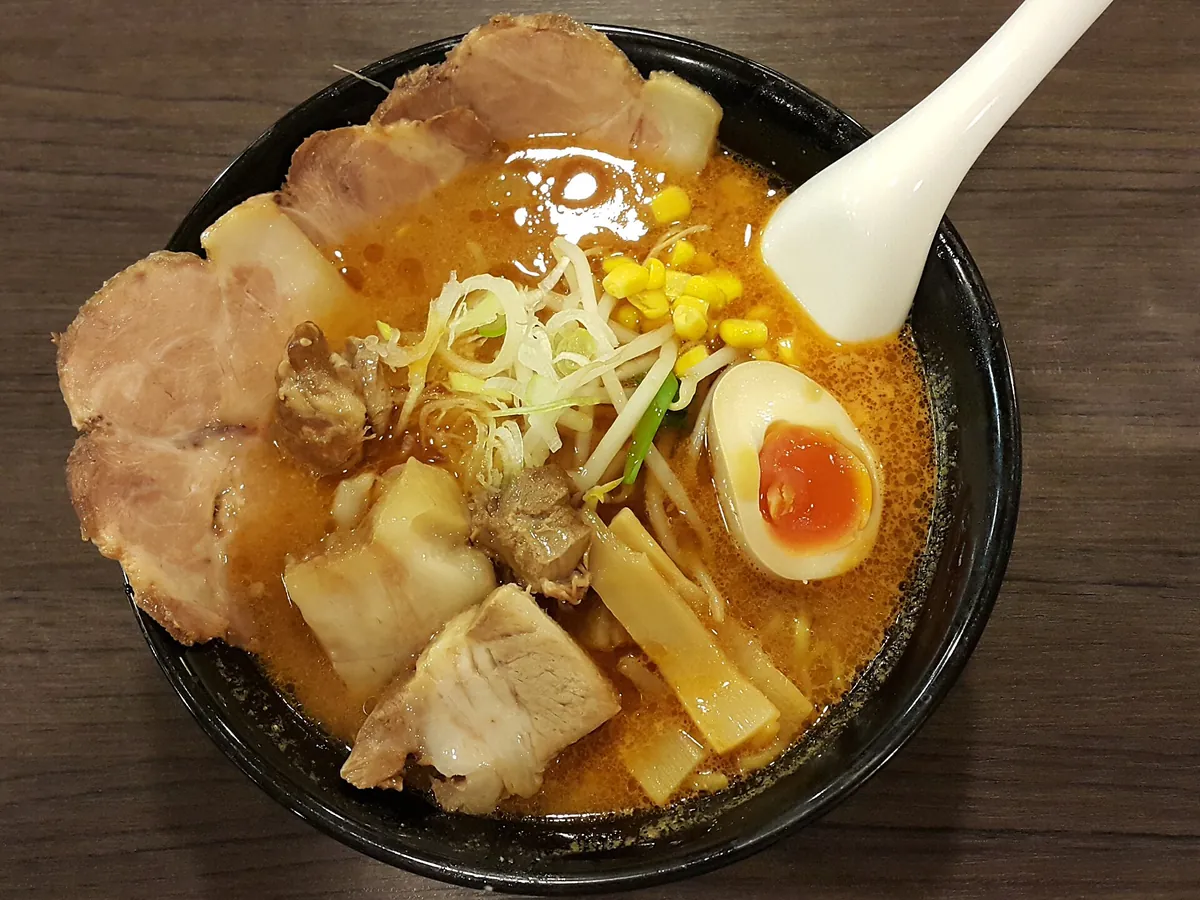
JNTO’s vegetarian guide puts the problem in one line: even when meat or fish is not obvious in a dish, there are often hidden ingredients such as meat or bonito flakes. Every tip in this article grows from that sentence.
Before the details, a quick test.
- You order anything called “vegetable” and stop there
- You assume a sauce with no meat has no alcohol
- You buy bread or sweets without reading the pack
- You plan to find food once you feel hungry
- You trust the word “friendly” on a sign
- You have nothing written to show the kitchen
If you ticked two or more, the next three items are for you.
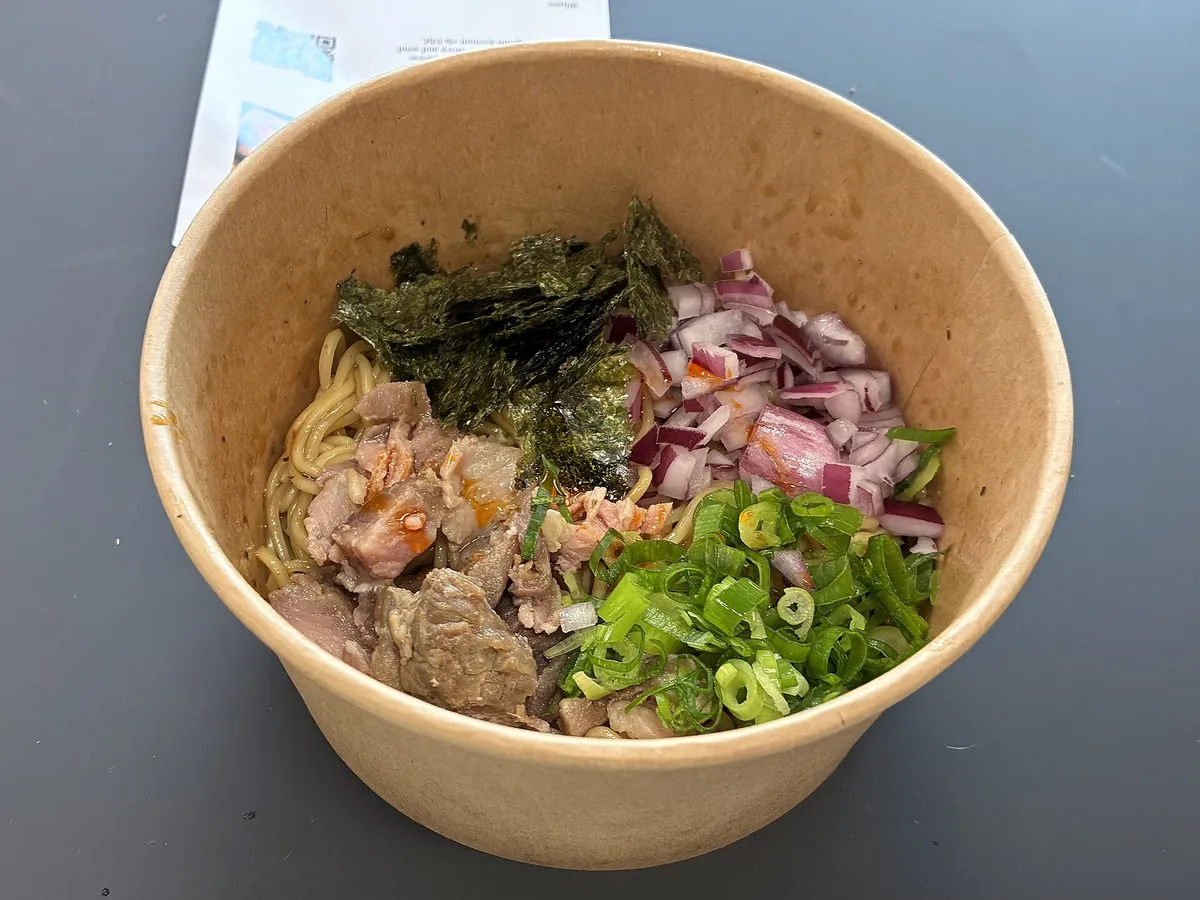
1. Trusting dishes that look like vegetables
JNTO lists dishes that can work for vegetarians: vegetable tempura, tsukemono (pickles), tofu and tofu skin, nasu dengaku, zaru soba and kappa maki. The dish itself is rarely the catch. The broth, the dipping sauce or the glaze usually is.
Dashi is a fish stock, and bonito is a common base. Even the small sauce packet that comes with natto, JNTO notes, is often dashi.
So what do you say? JNTO’s own advice is to be specific: no meat, no seafood, no animal products, including dashi or stocks. With zaru soba, ask about the dipping sauce, not only the noodles.
Ask about the sauce, not just the dish.
2. Forgetting mirin and cooking sake
JNTO’s planning page for Muslim travellers explains that cooking sake and mirin, a sweet rice cooking wine, form the basis of many widely used Japanese seasonings, together with soy sauce.
For a vegan, mirin and sake are plant-based, so a glaze made with them can still fit. For a Muslim diner avoiding alcohol, they are the main issue, even in a dish with no meat at all.
The fix is the same on every order. Name mirin and sake out loud, or show them on a card, next to dashi.
3. Bread, snacks and sweets
JNTO’s Muslim travel guide warns that gelatin and animal fats such as butter may be present in breads, snacks and sweets. A bakery bun or a jelly dessert can break a vegan or halal diet with no meat in sight.
Convenience stores are still worth a look. JNTO calls konbini “a surprising goldmine of veggie snacks”, as long as you read the pack. Our Japan convenience store food guide covers how konbini shopping works; the next section shows what the packet can and cannot tell you.
What 7 Food Labels in Japan Actually Promise
No single label in Japan covers both diets. JNTO says there is no central agency for halal accreditation. Each sign means exactly what its own rules say, and no more.
Three items decide how much you can trust a sign.
4. Mixing up “Halal”, “Muslim Friendly” and “Pork-Free”
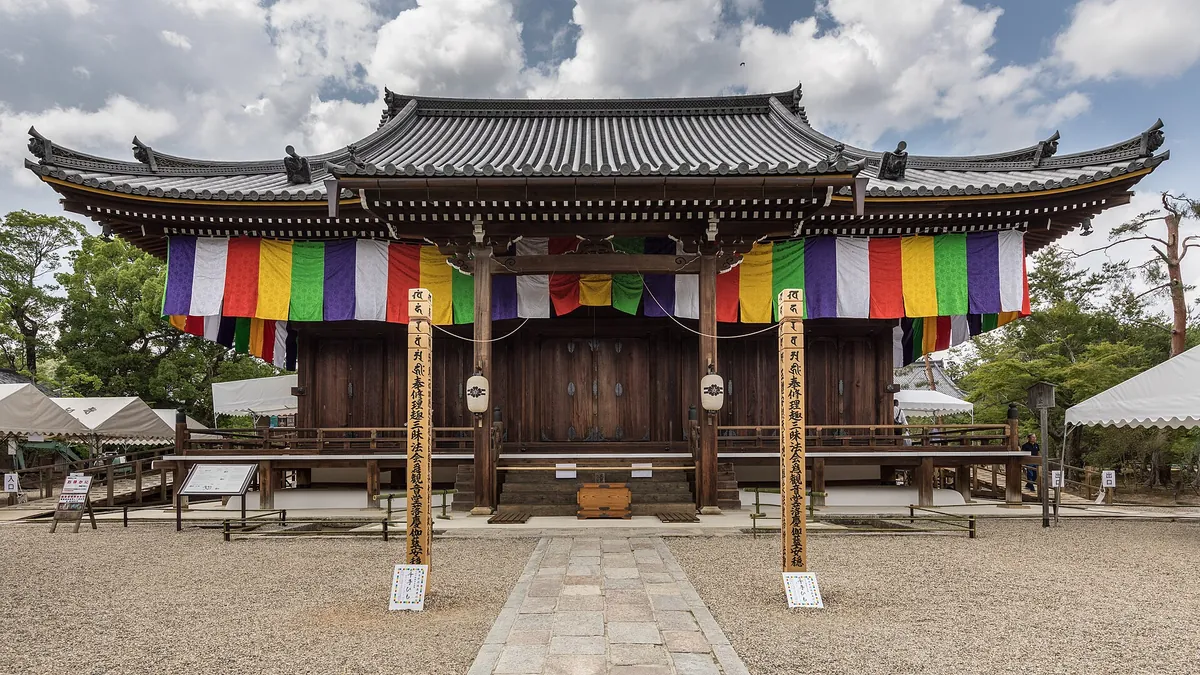
Kyoto is the clearest case, because the city’s tourism site publishes the tiers. Its official Muslim food page says the Kyoto Muslim Association and the Kyoto Council for Sharia and Halal Affairs supervise the listed hotels and restaurants.
- Halal: all food is halal, and menus bear halal logos
- Muslim Friendly: a special halal menu; other dishes may not be halal
- Muslim Welcome: no pork or pork items, and no alcoholic flavouring
- Pork-Free: no pork and no meat, but alcoholic flavouring may be used
The council behind it was set up in 2012, according to Kyoto’s Muslim travel site. Outside Kyoto, the words get looser.
JNTO warns that even restaurants calling themselves halal-friendly may not cook in a separate halal-only kitchen. For packaged products, the Japan Muslim Association runs a certification that, in its words, certifies a product is safe for Muslims to eat or use.
Treat “friendly” as a reason to ask, not an answer.
5. Assuming the vegan JAS mark covers everything
Japan’s agriculture ministry, MAFF, set JAS 0026 on 6 September 2022, a standard for restaurants that serve vegetarian or vegan food. Its partner, JAS 0025, covers processed foods. The Japan Vegetarian Society proposed the text.
The Japan Vegetarian Society became an authorised JAS certification body in 2023. The restaurant standard has four tiers: lacto-ovo, ovo, lacto vegetarian and vegan.
A certified restaurant must offer at least one suitable set meal or noodle or pasta dish, not just a side. Sweets-only shops are the exception.
Here is the catch for Muslim travellers. The standard says in its own text that it does not set requirements based on religious belief, so a vegan JAS mark tells you nothing about mirin, sake or alcohol.
6. Reading the allergen box as an ingredient list
Packaged food in Japan lists allergens, and some must appear, such as egg, milk and wheat. Pork, beef, chicken and gelatin are only on the “recommended” list, as Kanagawa Prefecture’s allergen page shows. A maker may leave them off.
Recent changes did not touch those four. The Consumer Affairs Agency made cashew mandatory from 1 April 2026, and on 28 March 2024 added macadamia to the recommended list and dropped matsutake.
No “pork” on the box does not prove there is no pork.
Put together, the labels look like this:
← Swipe to see the full table →
| Label or claim | What it covers | What it does not |
|---|---|---|
| Halal (Kyoto label) | All food halal; halal logos on the menu | The strongest tier |
| Muslim Friendly (Kyoto) | A separate halal menu | Other dishes may be non-halal or use alcohol flavouring |
| Muslim Welcome (Kyoto) | No pork, no alcoholic flavouring | No separate halal menu |
| Pork-Free (Kyoto) | No pork, no meat | Alcoholic flavouring may be used |
| “Halal-friendly” (anywhere) | Some halal options | May share the kitchen (JNTO) |
| Vegan or vegetarian JAS | Four tiers, from lacto-ovo to vegan | Not a religious standard; silent on alcohol |
| Allergen box on packs | Mandatory items such as egg, milk, wheat | Pork, beef, chicken, gelatin are optional |
Plan your trip: the tools we use
Our pick: trust “Halal” or “Muslim Welcome” for a Muslim diet and a vegan JAS mark or a fully vegan shop for a vegan diet; treat any “friendly” as a prompt to ask.
Vegan Is Not Halal, and Halal Is Not Vegetarian
Travelling with both diets in one group? The two overlap less than people expect, because each standard answers a different question. One asks about animals, the other about religious law.
- Mirin and sake: plant-based, so fine on a vegan menu, but they are alcohol
- Fish dashi: not vegetarian; whether it fits your halal diet is your call
- Halal meat dishes: fine for a halal diet, not for a vegetarian
- Kyoto “Pork-Free”: no meat, but alcoholic flavouring may be used
- Vegan JAS: no animal ingredients, and no position on alcohol
This guide makes no rulings on what is halal. Questions like fish stock or traces of alcohol belong to your own standard; the aim here is only to show what each label guarantees, so you know what to ask.
Kyoto’s Muslim Welcome tier is a useful middle ground. It rules out alcoholic flavouring across the menu, which removes the mirin question, but it says nothing about fish or meat, so a vegetarian still has to check the dish.
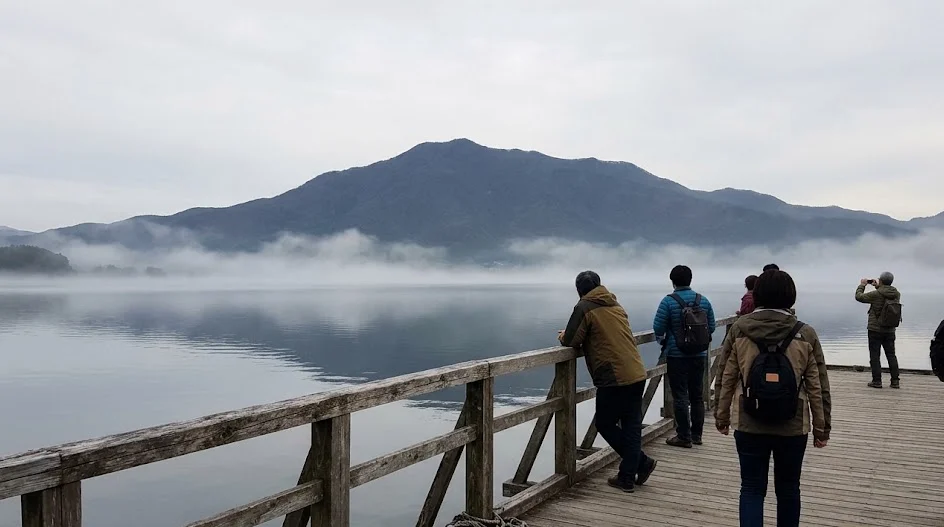
Temple food runs the other way. Shigetsu at Tenryu-ji lists only plant ingredients, which suits a vegan, while a Muslim diner would still need to ask about the seasoning.
 ReaderYuki
One shared table beats two separate dinners.
3 Apps and Guides That Still Work in 2026
Finding a place fast matters more in Japan than reading a long list. Three tools passed our checks in October 2026, and one old favourite did not.
Each one needs mobile data on the street. Airalo and Ubigi both sell Japan eSIMs you can set up before you fly.
7. HappyCow for vegetarian and vegan places
HappyCow’s Japan page showed 5,661 listings on 29 October 2026. Tokyo had 1,396, Kyoto 500 and Osaka 375.
These counts include vegetarian-friendly restaurants, not only fully vegan ones. Read the listing type before you walk across town for a place that only has one meat-free dish.
Save three or four places in each area you will visit, not the whole city. A short list on your phone is faster than a search on a hungry street.
8. Halal Gourmet Japan for halal and Muslim-friendly food
Halal Gourmet Japan is an English map search with iOS and Android apps. Its search page showed 1,428 results on 29 October 2026, with filters for the level of halal food and for facilities such as a prayer space.
- Search by map in English
- Use the iOS or Android app on the street
- Narrow results by halal level and facilities
The filter you pick matters more than the pin. A halal-certified listing is a stronger promise than one that only has halal options, in the same way Kyoto separates Muslim Friendly from Halal.
9. Tokyo’s official 2026–2027 PDF guides
The Tokyo Convention & Visitors Bureau publishes a free TOKYO Vegan & Vegetarian Restaurant Guide 2026-2027 and a TOKYO MUSLIM Travelers’ Guide 2026-2027, both as PDFs.
Download them on hotel Wi-Fi rather than on the street. Use them to shortlist places, then check each restaurant’s own page for hours.
Skip Vegewel. JNTO’s vegetarian guide still names it, but vegewel.com now redirects to a baking-supplies shop (checked 29 October 2026).
Planning your visit?
Tokyo: Station Vegan Ramen and a Halal Ramen Counter
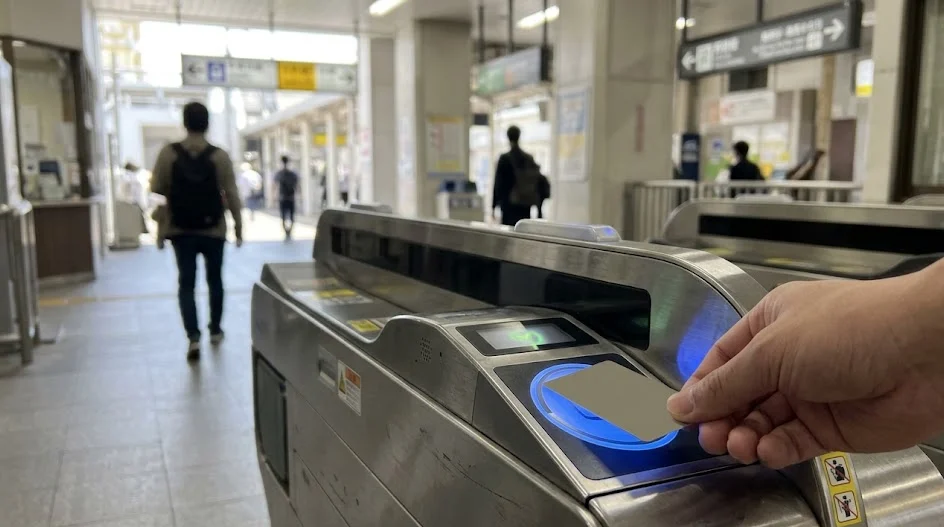
Tokyo has the most choice, which is its own problem: 1,396 HappyCow listings is too many to browse. Filter hard, and anchor your days on a few places with clear official pages.
Two ramen picks do that job well.
10. T’s TanTan: vegan ramen at JR stations
T’s TanTan serves ramen made without any animal-derived ingredients, including meat, fish, dairy and eggs, its official page says. The useful part is where the branches sit: inside or right next to JR ticket gates.
- Gransta Tokyo, JR Tokyo Station: B1, outside the ticket gates
- ecute Ueno: inside the JR gates on 3F; enter the Iriya gate, turn left
- JR Ikebukuro: inside the gates, central concourse
- ecute Akihabara: outside the gates; Electric Town gate, then left
- Narita Airport: T2 4F, plus Tokyo Food Bar in the T1 3F departure area
Inside-gate branches are easiest when you are already riding JR through that station. The main page does not show branch hours, so check before you go.
Muslim diners should still ask about mirin and sake. A vegan bowl answers the animal question, not the alcohol one.
11. Halal Wagyu Ramen Shinjuku-tei in Yotsuya
Halal Wagyu Ramen Shinjuku-tei runs a Yotsuya branch in the basement of the Ueno Building, Yotsuya 1-23. Its page states no pork or alcohol, halal meat and seasonings, and a halal kitchen and tableware.
There is a prayer room, but no wudu facility. Hours are 12:00–14:30 and 17:00–21:30, last order 21:00, with no closing day listed (as of October 2026; check the official site).
The page says the food is made “in cooperation with the Halal Certification Authority” without naming the body. Decide by your own standard.
Need to pray in central Tokyo? Chiyoda City’s tourism site lists a small prayer room inside the JR EAST Travel Service Center Tokyo, on the Marunouchi North side of Tokyo Station.
- Open 10:00–17:00; hours may change without notice
- Room for about 2 people, with a small ablution space
- Kept locked: use the interphone
- Open to people of any faith
Tokyo Camii runs free guided tours on Saturdays, Sundays and public holidays from 14:30, in Japanese. Women need ankle-length clothes, long sleeves and a headscarf in the prayer hall; men should not wear shorts.
Shoes come off. Phone photos are fine, but do not photograph other people or anyone praying; dedicated camera equipment needs permission.
Self-catering is harder than it sounds. JNTO notes that halal-certified groceries in Japan are mostly frozen meat, spices and single products, not ready meals; Tokyo Camii’s TC Halal Market sells online with store pickup.
Kyoto: Temple Lunch and an Official Halal Label List
Kyoto splits neatly by diet. Vegetarians get temple cuisine, and Muslim travellers get the only official label list in this guide. For obanzai, yudofu and Kyoto’s vegan cafe pick, see our Kyoto local food guide, which flags the dashi in those dishes too.
12. Shigetsu at Tenryu-ji for shojin ryori
Shigetsu, inside Tenryu-ji, serves shojin ryori, Buddhist temple cuisine built on vegetables, mountain vegetables, wild plants and seaweed. It opens 11:00–14:00 and closes on Thursdays.
Sets run about ¥3,800–9,000 as of 2026: Setsu ¥3,800, Getsu ¥6,500 and Hana ¥9,000, plus ¥500 garden admission. Check the official site before you book, as prices can change.
- Setsu: book 2 days ahead
- Getsu and Hana: 2 or more people, book 3 days ahead
- Garden admission is extra
Is it worth it? It is a splurge next to a konbini lunch, and our Japan food budget guide shows how a meal like this fits a daily spend. For a vegan in Kyoto, it is one of the few full meals where you need not interrogate the stock.
Book it before you book the train.
For halal food, use the city’s own list. Kyoto’s Muslim food page names places such as Honke Tankuma Honten for Kyoto kaiseki and Halal A5 Wagyu Yakiniku Sudaku Kyoto. Both are listed as Muslim Friendly: they offer a special halal menu, but other dishes may not be halal. Contact the restaurant for hours.
Prayer spaces, from Kyoto’s official prayer page:
- Kyoto Mosque, near the Imperial Palace: Tue–Sat 12:00–18:00, closed Sunday
- Kyoto International Community House: room for 5, 9:00–21:00, closed Monday
- Kyoto International Manga Museum: a vacant room may be offered, 10:00–17:00
Osaka: One Okonomiyaki Floor for Both Diets
Okonomiyaki is the dish most visitors want in Osaka, and one Dotonbori building has a floor set up for Muslim and vegetarian diners. For the rest of the city’s counters and markets, see our Osaka local food guide.
13. CHIBO Diversity in Dotonbori
CHIBO Diversity Dotonbori Building store calls itself “Muslim & Vegetarian Friendly”. It is on the 7th floor of the Chibo Dotonbori Building, Dotonbori 1-5-5; the regular Chibo restaurant fills floors 1 to 6.
The store page sets out the purpose plainly: to offer Osaka’s food culture to the many Muslims visiting and living in Japan.
It runs a lunch sitting from 12:00 to 15:00 and a dinner sitting from 17:00, with last order an hour before close. During Ramadan, hours shift to 18:00–23:00, last order 22:00. Check the store page for the day’s hours and closed days.
- Cards: Visa, Mastercard, JCB
- QR and IC: PayPay, WeChat Pay, Alipay, Suica, PASMO
- English menu
- Non-smoking
Note the word “friendly”. Read it the way the label table suggests, and ask staff which dishes are halal and which are vegetarian.
The nearest prayer rooms on official record are at Osaka Station City, in South Gate Plaza on the 1st floor of the South Gate Building. They open 10:00–18:00, last entry 17:30, with separate rooms for men and women, a wudu space, and access for any religion.
Go to the Osaka Station City Information desk on 3F first. The official sheet is undated, so confirm the hours there.
Fukuoka and Hiroshima: Around 120 Listings, So Plan Ahead
Leave the big three and the numbers fall away. HappyCow lists 128 places in Fukuoka, 119 in Hiroshima and 117 in Nagoya, against 1,396 in Tokyo (checked October 2026). These are listing counts, not vegan restaurants.
JNTO notes the same pattern for prayer: rooms and mosques are mostly found in Japan’s larger cities, though major airports, tourist spots and Muslim-friendly hotels increasingly offer them.
What most first-timers do
- Search for food once they are hungry
- Trust a “friendly” sign without asking
- Read the allergen box as a full list
- Plan strict-diet days in small towns
What actually works
- Save 2–3 options per area the night before
- Ask which dishes are halal or vegetarian
- Treat a missing “pork” as unknown
- Put the hardest meal days in big cities
14. Treating a small city like Tokyo
In Tokyo, a miss costs you a short walk. In a city with around 120 listings, it can cost you dinner, so book ahead where a place takes bookings and keep a safe snack in your bag, read from the pack.
Arrange the trip so your trickiest days fall in Tokyo, Kyoto or Osaka. Day trips from there are easier than overnights in smaller towns.
Airports are reliable for prayer. Haneda lists prayer rooms in Terminal 2 (two on 3F international before security, two on 2F international after security) and Terminal 3 (two on 3F before security), but none in Terminal 1.
Narita lists a prayer room in all three terminals; ask at an information counter for the exact spot.
For hotels, search Booking.com or Agoda by area, then email the hotel to confirm a prayer space or breakfast details. Want a guided food walk? Search Klook or GetYourGuide for a vegan or halal food tour and read the menu note first; this guide has not checked a specific one.
The One Habit: Plan Tomorrow’s Meals Tonight
Most of the mistakes above come from deciding on the street. Moving that decision to the night before fixes nearly all of them, and it takes about as long as checking tomorrow’s train.
Step 1: Save 2–3 options per area on the map
Use HappyCow or Halal Gourmet Japan for each neighbourhood you will be in tomorrow. Note the filter or label each place holds.
Step 2: Carry a written card for the kitchen
List what you cannot eat: dashi, mirin, sake, gelatin, pork, alcohol, or the parts that apply to you. JNTO advises naming dashi and stocks.
Step 3: Read the label tier, not the word “friendly”
Halal or Muslim Welcome in Kyoto, a vegan JAS mark, or a fully vegan shop. Anything “friendly” means you ask.
Step 4: Check the restaurant’s own page for that day
Hours change with seasons and Ramadan, as Chibo’s page shows. A temple meal may need 2–3 days’ notice.
Why trust a habit over a list? Because lists go stale. JNTO’s own vegetarian guide still sends readers to Vegewel, which now redirects to a baking-supplies shop.
Labels have fine print too. Kyoto’s Pork-Free tier still allows alcoholic flavouring, a detail a quick glance at the sign would miss.
Check the source, not the summary.
FAQ
QCan I trust konbini packaging for a vegan or halal diet?
Only partly. Egg, milk and wheat must be labelled, but pork, beef, chicken and gelatin are only recommended items, so their absence on the box proves nothing. Look for a halal mark or a vegan JAS mark instead.
QIs fish dashi halal?
That is a religious question, and this guide leaves it to your own standard. What the labels can tell you: Kyoto’s Halal tier means all food is halal, while a vegan JAS mark says nothing about religious rules.
QIs temple food (shojin ryori) vegan?
Shigetsu at Tenryu-ji lists only plant ingredients such as vegetables, wild plants and seaweed. If you avoid alcohol for religious reasons, ask about the seasoning too.
QDo halal restaurants change hours during Ramadan?
Some do. CHIBO Diversity in Dotonbori lists Ramadan hours of 18:00–23:00, last order 22:00. Check each restaurant’s own page during the month.
QWhat should I say when ordering?
JNTO suggests being specific: no meat, seafood or animal products, including dashi or stocks. Add mirin, sake or pork if they matter to you, and show it in writing.
Eating to a strict diet in a country where the stock is invisible can feel like a lot to manage on top of everything else.
Instead of re-reading more blogs, save tomorrow’s two or three meal options tonight, and let the rest of the day stay flexible.
Keep planning
- ① Install and test your eSIM before take-offAiralo and Ubigi eSIMs activate on arrival, but the install itself needs Wi-Fi. Do it at home and confirm the profile shows up in your phone settings.
- ② Save your first hotel’s address in JapaneseTaxi drivers and station staff read Japanese addresses far faster than romanised ones. Copy it from the booking confirmation into your notes app.
- ③ Set aside cash for day oneMany small restaurants, temples and rural buses are still cash-only. Airport ATMs at 7-Eleven and the post office accept most foreign cards.
Skip these and your first hour in Japan goes on finding Wi-Fi at the station instead of getting to your hotel.
🔍 How to sanity-check any price you read online
Blogs (including this one) go out of date. The official page always wins over a screenshot from two years ago.